
Understanding the Amalekites and Their Legacy in Today’s World


The Amalekites are remembered in historical texts as adversaries of the Israelites. They appear in ancient narratives, symbolizing ongoing hostility. Their modern identity extends beyond these historical boundaries.
This article explores who the Amalekites were and what their stories mean today, focusing on the themes of conflict and perseverance, offering insights into their legacy.
The story of the Amalekites involves more than conflict; it includes lessons of endurance. Their narrative prompts reflection on unity and determination.
Exploring their legacy offers understanding of values that inspire and guide us.
from the Western Wall to Masada.

Who Were the Amalekites?
The Amalekites were a nomadic tribe frequently mentioned in ancient texts as adversaries of the Israelites. They attacked the Israelites at Rephidim, marking their first recorded encounter.
In these narratives, they represent opposition and hostility. Descendants of Esau’s grandson Amalek, they were related to the Israelites, adding complexity to their enmity.
The story of the Amalekites is not solely about hostility but also about complex familial ties. Their narrative encourages reflection on resolving conflicts.
Through this reflection, insights into cultural and ethical perspectives are gained.
Historical Context of the Amalekites
Situated in desert regions south of historical territories, the Amalekites engaged in guerilla warfare against the Israelites. Their territory controlled important trade routes, making them significant adversaries.
They are mentioned in several historical battles, where leaders were tasked to attack them. This continuous strife illustrates challenges faced by the Israelites in securing their land, making the Amalekites a metaphor for enduring struggles.
The Amalekites’ persistent opposition is vividly illustrated in historical accounts, notably in the battle at Rephidim, where they attacked the Israelites.
This story underscores the challenges faced when striving for a goal, as the Israelites had to rely on strategic planning to overcome their adversaries.
The narrative highlights the importance of perseverance and preparation in achieving success, lessons relevant today.
Amalekites in Jewish Tradition
In Jewish tradition, the Amalekites symbolize the archetypal enemy of the Jewish people. The commandment to ‘blot out the memory of Amalek’ underscores their role as eternal foes. This highlights the moral imperative to combat evil.
The struggle with Amalek serves as a lesson, representing the ongoing battle against injustice, a narrative relevant in Jewish cultural dialogues.
This commandment is about more than physical warfare; it’s about the spiritual vigilance required to combat evil. The story of the Amalekites emphasizes the importance of memory in preserving cultural identity.
In a broader context, this narrative encourages vigilance against injustice and upholding moral principles.
The Amalekites’ symbolic role in discussions emphasizes the need for vigilance and moral clarity. In the story of a leader’s failure to destroy Amalek, we see the consequences of not confronting malevolence decisively.
This disobedience led to downfall, illustrating the importance of following ethical imperatives. This narrative teaches the necessity of confronting evil to prevent its resurgence.
Their story serves as a reminder of ethical behavior and the necessity of eradicating evil to ensure past lessons guide us today. The Amalekites’ presence underscores the struggle between good and evil.
This lesson is timeless, urging us to uphold moral integrity and act decisively when faced with ethical dilemmas.

Amalekites in Modern Interpretations
Today, the Amalekites are symbols in discussions about moral and ethical conflicts. Their narrative encourages reflection on themes of hostility and reconciliation.
While there are no direct descendants today, the metaphor of Amalek is invoked in discussions about adversaries and struggles against perceived threats.
This adaptability as a symbol across generations demonstrates their impact on ethical discourse. The Amalekites remind us of the need to address and resolve conflicts thoughtfully.
Their story inspires discussions on navigating modern challenges with wisdom.
By invoking the metaphor of Amalek, modern discussions highlight the importance of addressing conflicts with integrity and empathy. The story of Amalek’s attack on the Israelites serves as a reminder of the need for vigilance and courage.
This attack was unprovoked, emphasizing the importance of preparedness and standing firm against aggression.
This enduring symbol fosters understanding of human relationships, urging us to confront challenges thoughtfully and with commitment to ethical principles. The narrative of the Amalekites encourages integrity and empathy.
By doing so, we are better equipped to navigate modern conflicts and relationships.
Archaeological Insights into the Amalekites
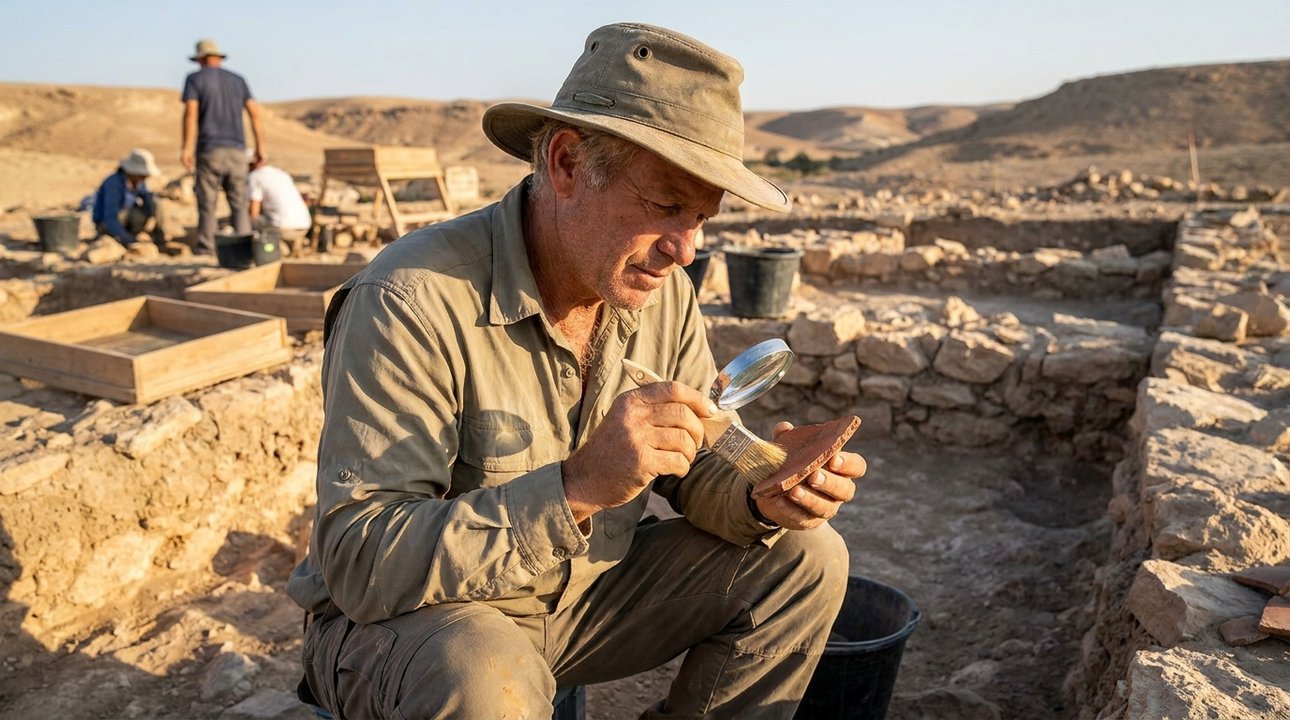
Archaeologically, the Amalekites remain elusive, with few traces conclusively identified. The lack of concrete evidence highlights challenges in differentiating tribes in ancient records.
However, mentions in inscriptions like those of Pharaoh Merneptah suggest their influence in regional dynamics. These findings, or lack thereof, add to the mystery surrounding their historical footprint, leaving much to discover about their impact.
from the Western Wall to Masada.
The Amalekites’ elusive archaeological presence underscores challenges in reconstructing historical narratives. Their story encourages exploration and understanding of the past.
Through this exploration, insights into cultural and historical contexts are gained, shaping our understanding of past civilizations.
The Amalekites’ Legacy in Cultural Memory
Beyond religious texts, the image of the Amalekites persists in cultural narratives about survival. They remind us of past struggles and the ongoing journey toward peace.
Stories of battles with Amalek emphasize the importance of community, leadership, and cooperation.
These elements resonate with those seeking inspiration from ancient wisdom in facing contemporary issues, highlighting the timeless nature of these lessons. The story of the Amalekites encourages drawing on collective strength.
We are reminded of the power of unity and leadership in overcoming adversity.
The Amalekites’ role in historical narratives underscores the value of unity and strong leadership in overcoming adversity. In the battle against Amalek, leadership and support highlight the power of collective effort.
With the help of others, leaders maintained focus, symbolizing perseverance and determination. This solidarity led to victory, showing how essential teamwork and support are in overcoming challenges.
Their story inspires those who look to the past for guidance in navigating modern life’s complexities, reminding us of the enduring strength found in unity and determination.
The Amalekites’ defeat serves as a metaphor for overcoming obstacles, encouraging us to draw on collective strengths. This lesson remains relevant, urging communities to unite in times of crisis.
What Do the Amalekites Symbolize Today?
Today, the Amalekites symbolize enduring enmity and the perseverance needed to overcome it. They are remembered for their unprovoked attack on the Israelites during historical narratives.
This story highlights the importance of vigilance and unity in adversity. The role of the Amalekites in these narratives encourages reflection on conflict resolution, ensuring their relevance in moral discussions.
The Amalekites’ symbolic presence in ethical discourses serves as a reminder that challenges, personal or communal, require strategic thinking. Their story underscores the necessity of confronting animosity.
The battles with Amalek highlight the importance of unity and strategic leadership in overcoming adversity.
This theme resonates across cultural contexts, highlighting the importance of addressing conflicts with determination and wisdom, ensuring we learn from past experiences. The story of the Amalekites serves as a metaphor for facing challenges head-on.
We are reminded of the value of strategic thinking required to navigate complex situations.

Conclusion: the Enduring Impact of the Amalekites
Although the Amalekites have vanished from history, their stories and symbolism endure. They are first mentioned as descendants of Esau, appearing in numerous historical narratives.
These stories remind us of challenges past and present, inspiring the strength needed to confront adversity. The narrative of opposition and survival enriches understanding of cultural persistence, echoing through time to guide us toward hope.
The presence of the Amalekites in these stories serves as a sign of their enduring symbolism. Their narrative encourages drawing strength from past experiences. By doing so, we are better equipped to face modern adversities with hope, guided by history’s lessons.
The lessons from the Amalekites echo in modern times, serving as a metaphor for enduring struggles. Their story highlights the importance of perseverance and the human spirit’s capacity to overcome obstacles.
This passage recounts how the Israelites were commanded to remember what Amalek did and to blot out their memory, symbolizing the need to confront persistent challenges.
These narratives encourage facing challenges with courage and determination, reminding us that steadfastness is key to navigating adversities. The story of the Amalekites signifies the power of memory and its lessons, urging vigilance and proactivity. In facing modern adversities, the spirit of perseverance in these tales continues to inspire us.

Historical and Modern Perceptions
