
Understanding Elam in the Bible


Elam is a name that appears in various historical texts, including the Bible, as a region of both historical and prophetic importance. It was situated in what is now southwestern Iran, known for its early civilizations. This area was rich in resources and strategically positioned, making it a valuable territory. Elam played a role in various historical narratives and interacted with powerful empires of the ancient world. It is described as a nation whose warriors lay with the uncircumcised, reflecting its historical conflicts and alliances.
Where Was Elam in Historical Context?
Elam was located to the east of Mesopotamia, in the region that is today part of southwestern Iran. This area was known for its fertile land and strategic location. Elam’s proximity to the Tigris and Euphrates rivers contributed to its agricultural productivity. It bordered Babylon to the west and Persia to the north. This position made it a significant crossroads for trade and cultural exchange. Elam’s strategic location contributed to its history and interactions with neighboring powers. The Elamites were influential in the development of early writing systems and administration.
from the Western Wall to Masada.

Elam in the Hebrew Bible
Elam is first mentioned in historical genealogies, placing it in the context of ancestral lineages. This positions Elam as an important ancestral figure in the Table of Nations, which outlines the descendants of notable figures after significant events.
This genealogy connects Elam to a broader historical narrative. Elamites appear throughout narratives involving empires such as Babylon and Assyria.
For instance, historical accounts describe the king of Assyria bringing people from various regions and settling them in the towns of Samaria to replace the Israelites. Its mention signifies its longstanding presence and influence.
What Role Did Elam Play in Historical Context?
Elam played multiple roles in historical contexts, notably engaging in alliances and conflicts with other nations. Elam is mentioned as part of an alliance of kings who waged war against the cities of the plain, including Sodom and Gomorrah.
This event is one of the earliest recorded wars in historical texts. Elam is mentioned as a source of archers and warriors, depicting its military strength. Its alliances with larger empires often influenced regional power dynamics.
The Elamites were known for their skill in archery, contributing to their reputation as formidable warriors.
Cultural and Linguistic Contributions of Elam
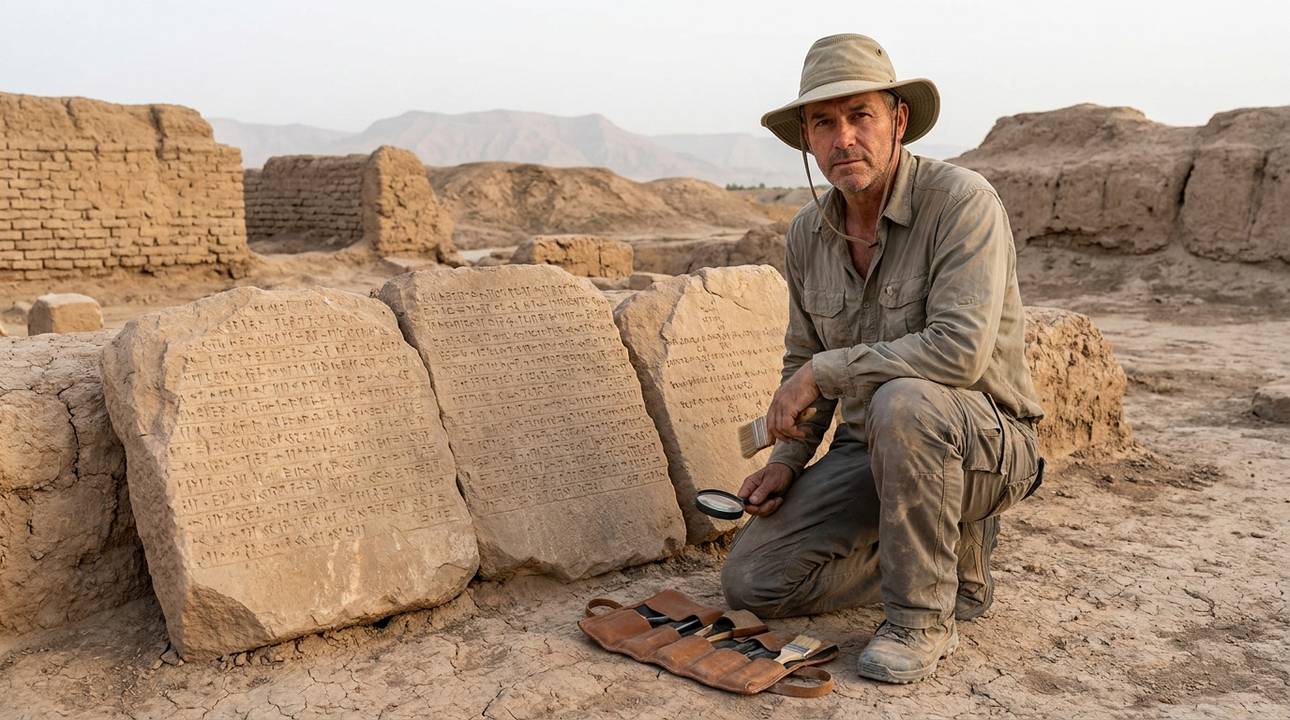
Elam contributed to the mix of early Near Eastern cultures, with its own language and script known as Elamite. The Elamite language, used in inscriptions and administrative records, provides valuable insights into the region’s history. Elamite texts have been found in the ruins of Susa and other sites. This linguistic heritage adds depth to our understanding of early civilizations and their interactions, revealing connections with neighboring cultures like the Akkadians and Babylonians. The Elamite script is one of the earliest known writing systems, showcasing the region’s intellectual contributions.
Why Is Elam Mentioned in Historical Prophecies?
In prophecy, Elam is often associated with themes of judgment and restoration. Predictions suggest that Elam would face significant challenges but also promises eventual restoration.
This prophecy was delivered during the reign of Zedekiah, king of Judah, highlighting the geopolitical tensions of the time.
These prophecies reflect the broader narrative of judgment followed by redemption, illustrating the cyclical nature of justice and mercy as seen throughout historical texts. Elam’s story serves as a reminder of the potential for renewal after hardship.
Elam in the Context of Jewish Tradition
Jewish tradition views Elam through the lens of moral and ethical teachings. The interactions with Elam, as seen in historical accounts where Elamites are part of the Persian Empire, provide lessons on alliances and the consequences of geopolitical strategies.
The Persian Empire’s vastness, including Elam, is noted in historical texts. This perspective enriches the historical understanding of events, illustrating the importance of wisdom and discernment in forming alliances.
The story highlights the significance of strategic relationships in achieving justice and protection for the Jewish people.
from the Western Wall to Masada.

Legacy and Influence of Elam in Modern Times
Elam’s legacy is evident in modern historical and archaeological studies, shedding light on early Near Eastern civilizations. The discovery of the Elamite ziggurat at Chogha Zanbil, dating back to the 13th century BCE, offers insights into Elam’s architectural achievements. This structure, located near Susa, is one of the best-preserved examples of Elamite architecture. Its influence persists in the cultural and academic study of early history, showing past societies and their interconnectedness through trade and diplomacy.
Present-Day Relevance of Elam
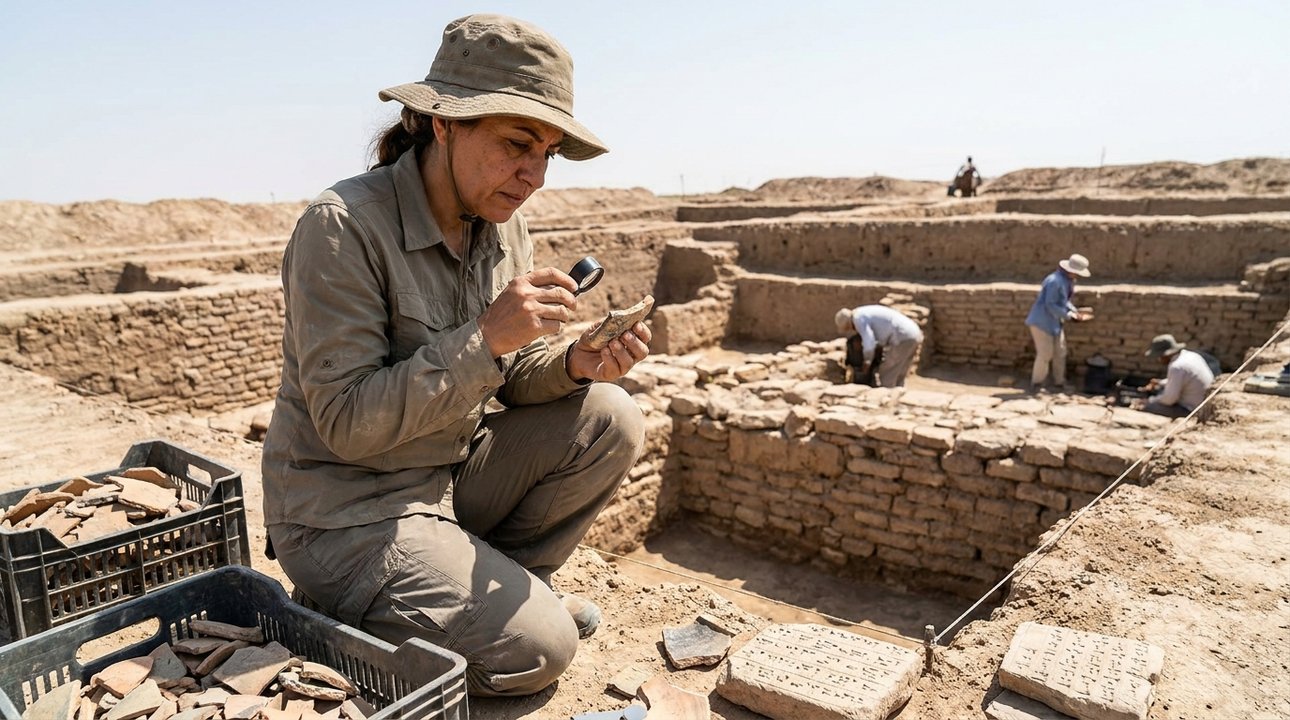
While the early kingdom of Elam no longer exists, its impact can be seen in ongoing archaeological discoveries. Excavations in Susa, one of Elam’s major cities, have unearthed artifacts dating back to the third millennium BCE. These artifacts include administrative tablets, pottery, and inscriptions. These findings continue to inform our understanding of early civilizations and their development, showing trade, governance, and cultural exchanges in the early Near East. The discovery of the Code of Hammurabi in Susa underscores Elam’s role in the region’s legal history.
Elam’s Connection to the Jewish People
Elam’s interactions with historical Israel contributed to its narrative. Elam is mentioned as a participant in military campaigns, indicating its strategic role in regional conflicts. This reference highlights Elam’s involvement in the defense of Jerusalem.
These encounters offer insights into the complexities and dynamics of the historical world, enhancing our understanding of Jewish history and identity through the lens of geopolitical alliances and rivalries. Elam’s military prowess and alliances with empires like Assyria shaped the region’s history.
Conclusion: A Lasting Cultural Legacy
Elam’s presence in historical texts underscores its importance in early history. Elam is mentioned as part of a coalition of kings, including Chedorlaomer, who waged war in the region. This coalition also included kings from Shinar, Ellasar, and Goiim, highlighting a significant alliance of powers. This highlights Elam’s influence and power during that era. Its narrative continues to intrigue scholars, enriching the broader understanding of historical times.
Understanding Elam
