
Understanding Ramah in the Bible


Ramah holds an important place in history and tradition. It is both a geographical location and a site tied to key events.
For instance, Ramah is mentioned in the Book of Judges in connection with Samuel, a significant figure in the anointing of Israel’s first kings. Samuel’s role in Ramah is highlighted in accounts where the elders of Israel gathered there to request a king.
This article explores the various mentions and roles of Ramah across narratives, considering its significance in different contexts and its impact on historical events.
Ramah is also noted in historical texts, where it was fortified by King Baasha of Israel, indicating its strategic importance. This multifaceted role of Ramah underscores its enduring presence in Israel’s history.
What Is the Historical Ramah?
Ramah is identified with several locations in historical narratives. It is notably mentioned as a city in the land allocated to the tribe of Benjamin.
Ramah served as a key border town in the delineation of tribal territories, marking its strategic importance in the region. This allocation underscores its role in defining the boundaries and identity of the tribe of Benjamin.
Additionally, Ramah is referenced in the context of a prophetess who held court between Ramah and Bethel in the hill country of Ephraim, emphasizing its importance as a center of leadership and decision-making.
The location’s prominence is also noted in historical texts, where Saul’s court was held, highlighting its continued relevance in governance.
from the Western Wall to Masada.
Mentions of Ramah in Historical Context
Ramah appears in various texts, often associated with key events and figures. A judge and prophetess holds court under a palm tree between Ramah and Bethel.
This location signifies its strategic importance, serving as a central place of judgment and leadership. Leadership in this region is further underscored in historical accounts, where an army is summoned against adversaries.
Additionally, the city is referenced as the birthplace of Samuel, where Elkanah and Hannah reside. Samuel’s birth and upbringing in Ramah mark it as a place of significance.
The narrative of Samuel’s calling by the divine further enriches Ramah’s role as a center of communication and guidance.
Ramah: A Place of Mourning
Ramah takes on a somber tone in historical texts. A prophetic lament speaks of Rachel weeping for her children, a symbolic expression of the sorrow felt by the Israelites during the Babylonian exile.
Rachel’s connection to Ramah is significant, as she is considered the matriarch of the tribes of Benjamin and Joseph, whose descendants faced exile. The passage highlights Ramah’s role as a place of collective mourning and reflection.
The lamentation is echoed in historical accounts, where exiles were gathered at Ramah before being taken to Babylon. This duality of mourning and exile underscores the deep emotional and historical layers associated with Ramah.
Ramah in Historical Context
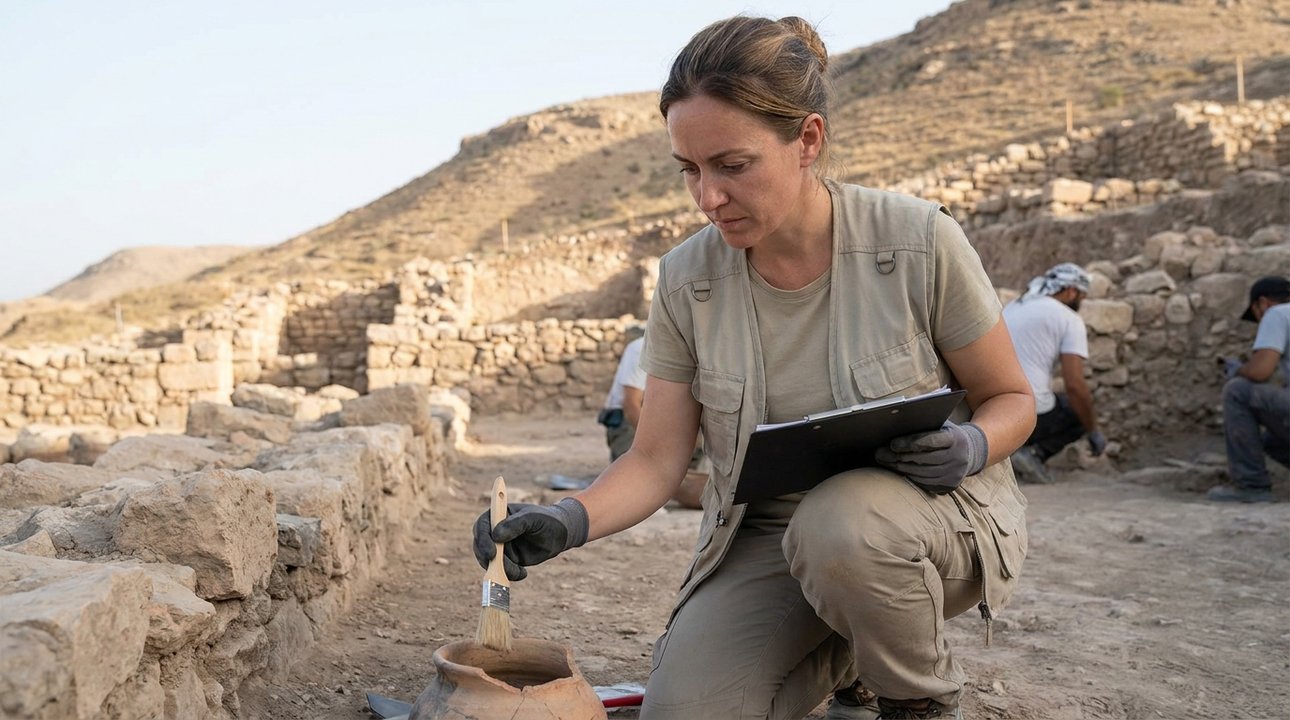
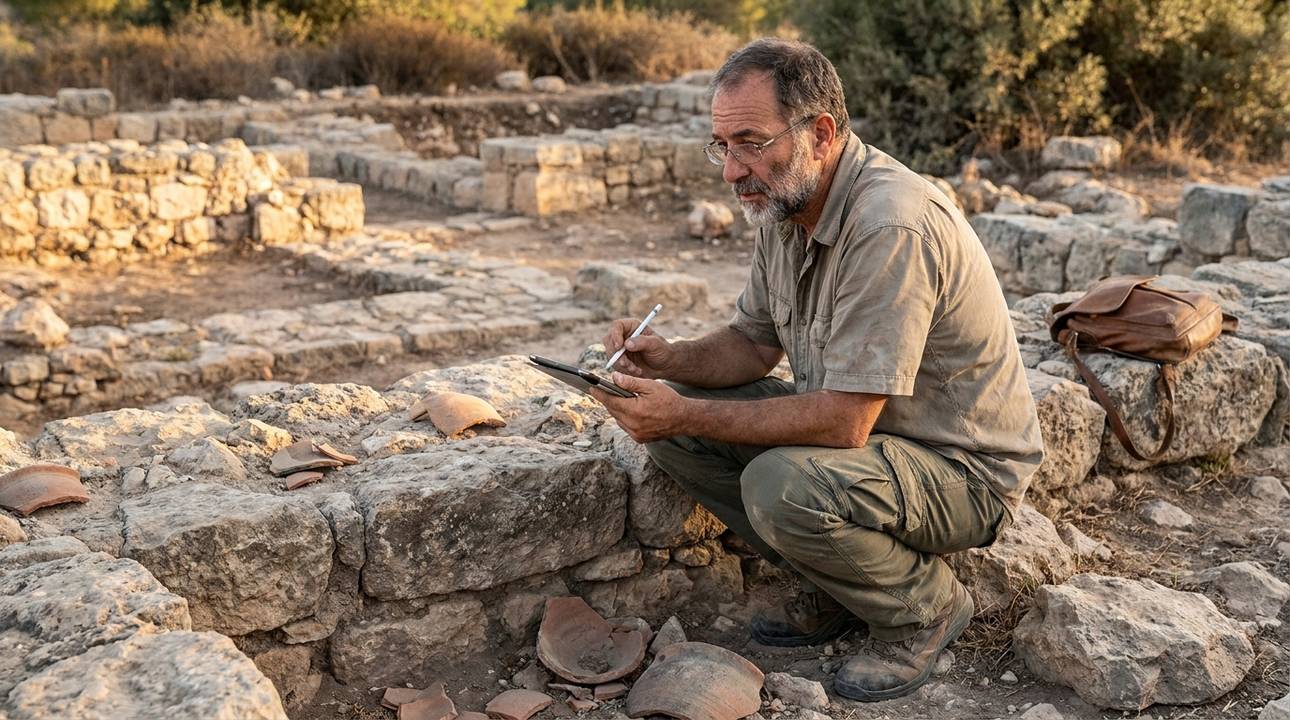
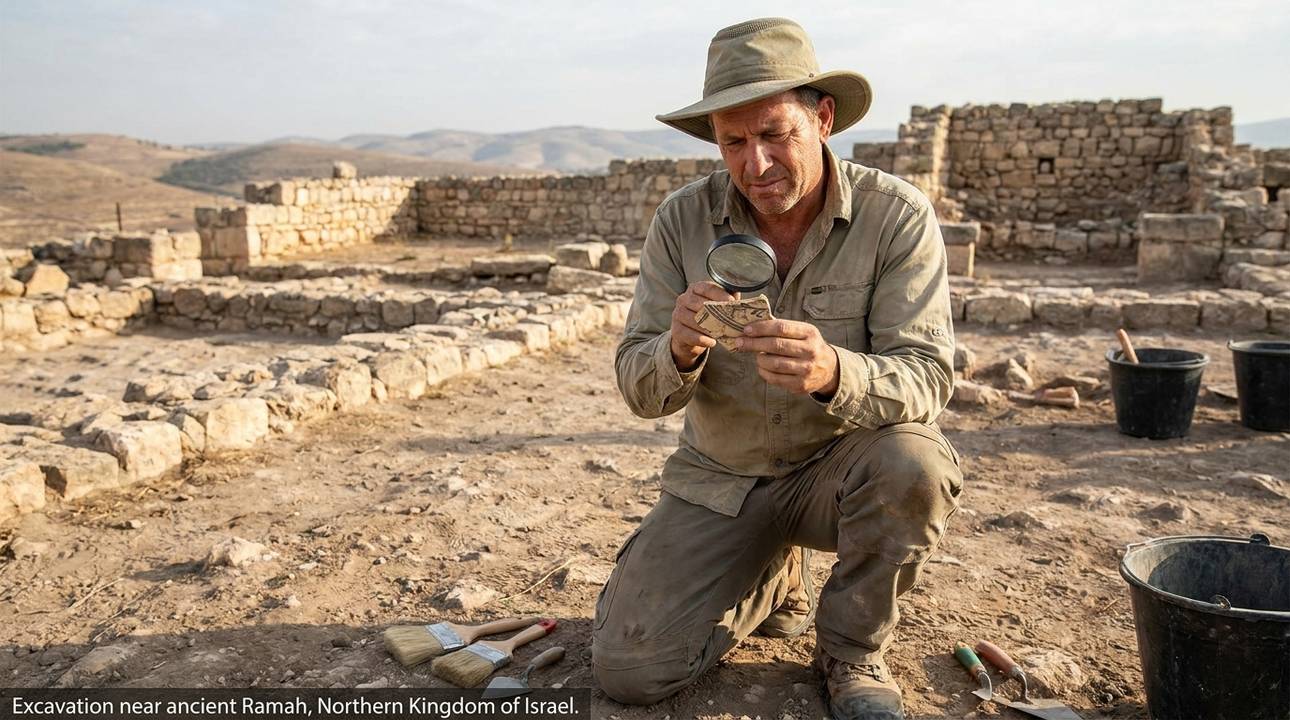
The history of Ramah extends beyond texts. Archaeological findings suggest that it was an influential city in the northern Kingdom of Israel. Excavations have uncovered artifacts from the Iron Age, indicating its prominence during that period. These findings, such as pottery and fortification remnants, align with accounts of Ramah’s strategic role. Different interpretations and excavations have contributed to our understanding of its socio-political role during the era, such as its mention as a gathering place for exiles. This highlights Ramah’s importance as a center of activity and refuge during times of turmoil. The city’s location on trade routes further emphasizes its role in the economic and cultural exchanges of the time.
from the Western Wall to Masada.
The Geographical Debate on Ramah’s Location
There has been scholarly debate about the exact location of Ramah. Some place it near modern-day Ramallah, considering historical and geographical clues. This perspective is supported by its proximity to other sites and its mention in the context of the tribe of Benjamin. Geographical studies suggest that Ramah’s location was crucial for trade and military routes. Others suggest it might be closer to Gibeah, based on descriptions. This debate illustrates the complexities involved in mapping historical locations to contemporary geography, highlighting the challenges faced by archaeologists and historians in piecing together the past. The ongoing research continues to enrich our understanding of Ramah’s historical and cultural role.
Ramah’s Influence in Jewish Tradition
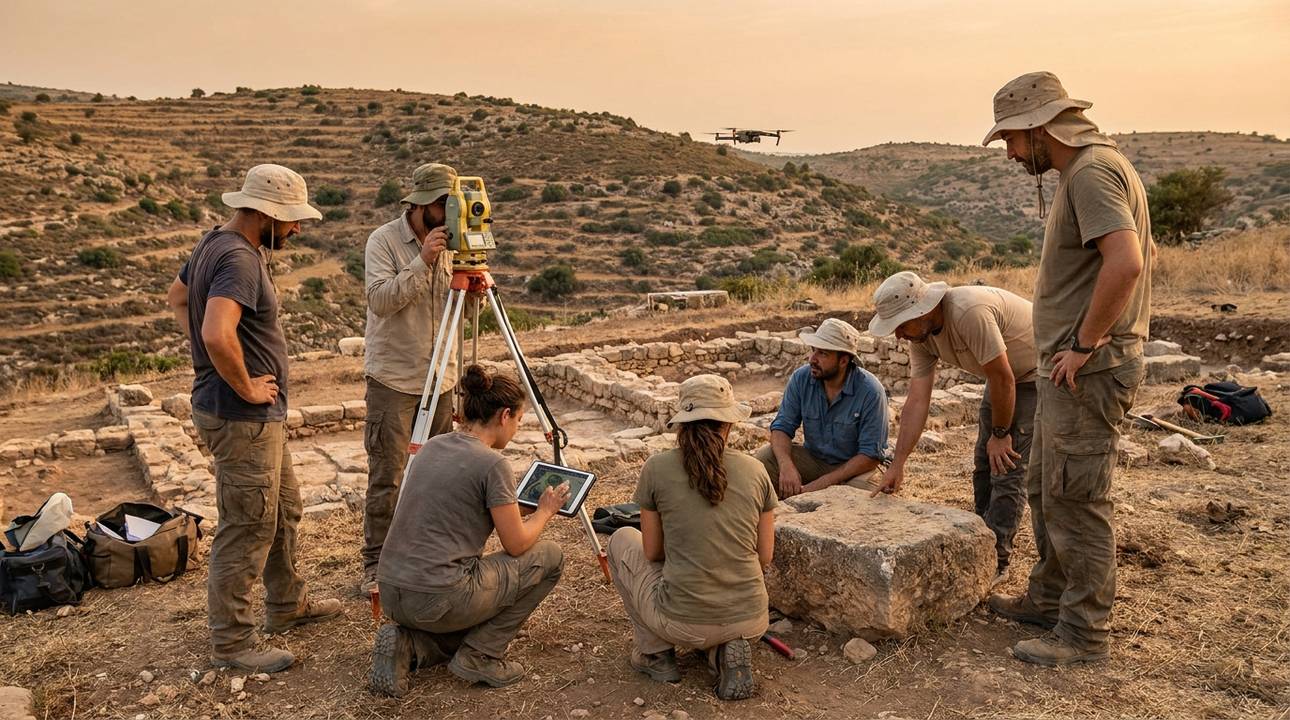
In tradition, Ramah’s legacy endures through its connections to pivotal figures and events. Its association with Samuel enriches its significance in the narrative of Israel’s leadership. Samuel, who was born in Ramah, played a crucial role as a prophet and judge, anointing the first two kings of Israel, Saul and David. This act of anointing marked the beginning of the monarchy in Israel. Additionally, the prophetic association with mourning continues to affect how Ramah is perceived in thought. A lamentation of Rachel weeping is a poignant reminder of the city’s historical role in times of sorrow. This duality of leadership and lamentation encapsulates Ramah’s legacy, bridging moments of hope and despair in Israel’s history.
Ramah in Modern Understanding
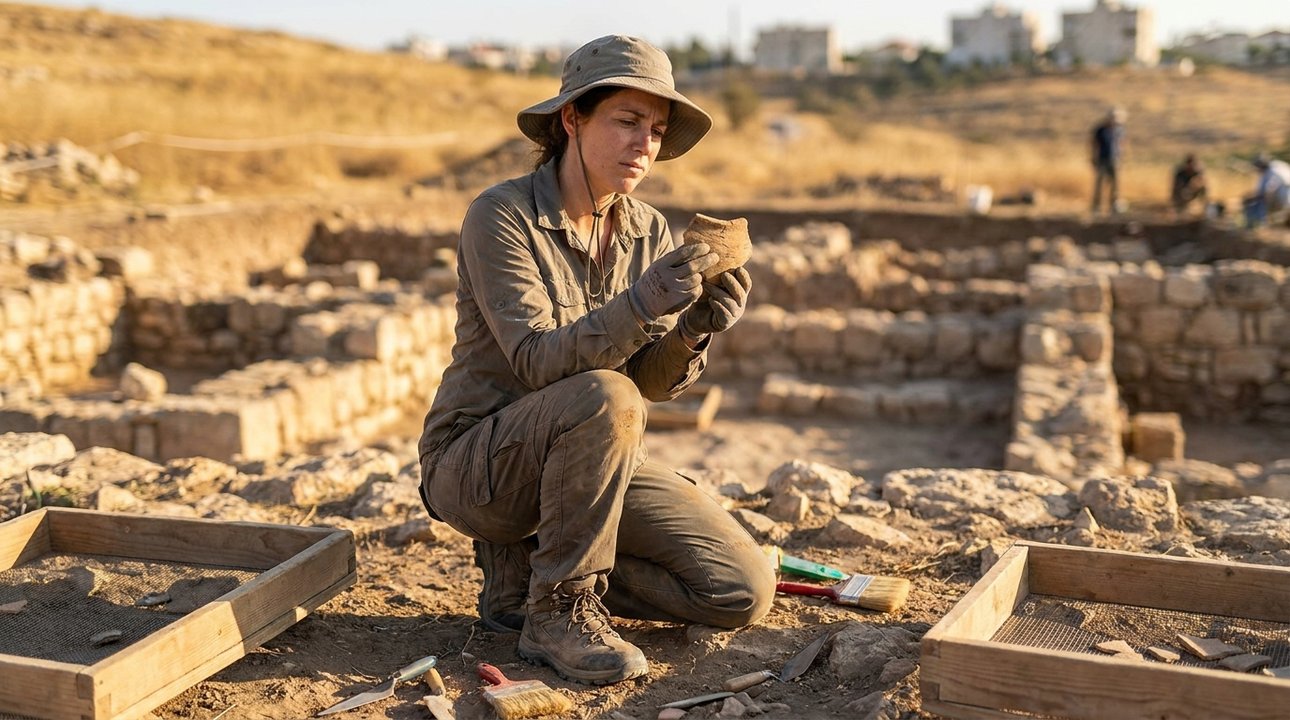
Today, the study of Ramah offers insights into topography and ancient society. Ongoing archaeological endeavors continue to shed light on its historical context.
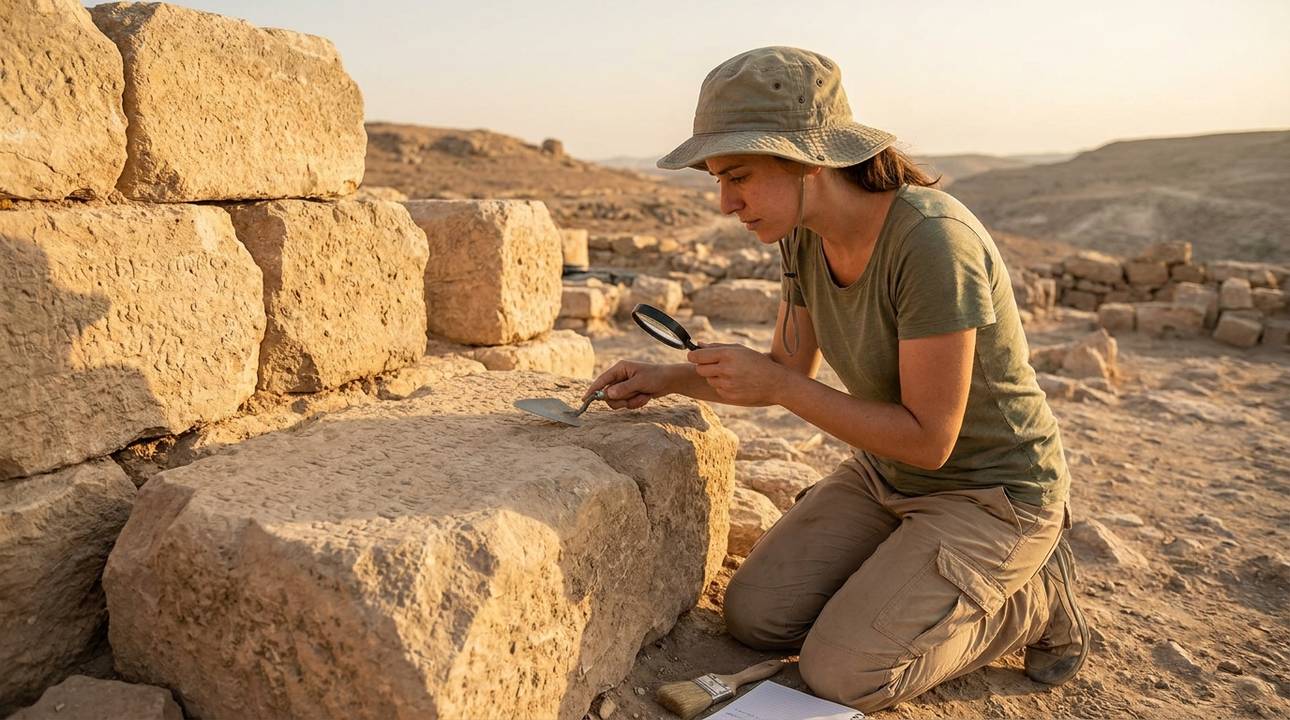
Recent digs have revealed city walls and pottery fragments, providing a glimpse into daily life and the material culture of its inhabitants.
Understanding Ramah connects us to a deeper appreciation of the narrative and its lasting impact on cultural identity, as well as the challenges of preserving such history in a modern world. These discoveries enrich our knowledge of the past and its influence on present-day traditions.
Understanding Ramah
