
Unveiling Zeboiim: History and Significance
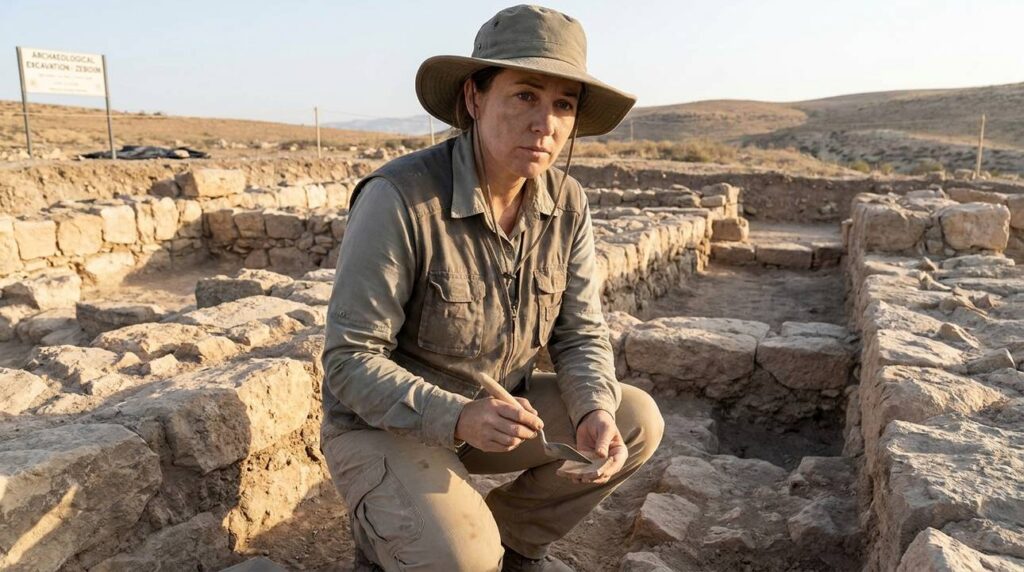

Zeboiim is one of the lesser-known cities located in the region known as the Plain of Jordan. This area, often referred to in historical texts, is rich in history and significance.
The Plain of Jordan was known for its fertile land. This article will uncover Zeboiim’s historical context, lending new insight into this ancient place, enhancing our understanding of its role in historical narratives.
Understanding its role in historical narratives helps us appreciate the complex mix of early history. Zeboiim’s story, intertwined with those of Sodom and Gomorrah, offers a window into the moral and social dynamics of the time. Zeboiim was part of a coalition of five cities, including Sodom and Gomorrah, that faced the armies of four kings. This highlights the strategic alliances and conflicts that characterized the region during this period.
from the Western Wall to Masada.

What Is Zeboiim?
Zeboiim is referenced as one of the five cities in the Plain of Jordan, alongside Sodom, Gomorrah, Admah, and Zoar. These cities were involved in a battle of the kings.
This battle involved a coalition of four kings against five, highlighting the political dynamics of the region.
It is often associated with the tragic tale of destruction, emphasizing the moral themes.
This narrative lays the backdrop for understanding the moral and historical implications tied to Zeboiim, illustrating the consequences of moral decay. The story serves as a sign of the cultural and ethical values that were pivotal in earlier times. The desolation of Zeboiim is cited as a warning to future generations, emphasizing the importance of adhering to moral principles to avoid similar fates.
The account positions Zeboiim as both a cautionary tale and a window into early civilization. The destruction of Zeboiim and its neighboring cities is a reminder of the consequences of straying from moral paths.
This story is echoed in historical texts, where the desolation of these cities serves as a warning to future generations. The narrative of Zeboiim reflects on compassion amidst judgment, highlighting its moral significance.
Zeboiim’s narrative continues to be a powerful symbol in teachings, offering lessons on the importance of righteousness and the impact of communal choices.
The historical context of Zeboiim’s destruction provides insights into the societal norms and values of the time, emphasizing the need for moral integrity. Zeboiim is mentioned alongside Admah, illustrating compassion even amidst judgment.
Where Was Zeboiim Located?
Zeboiim was situated in the region of the Jordan River plain. This area was known for its fertile lands and strategic importance. However, the exact location of Zeboiim remains uncertain, with archaeological efforts continuing to search for its remains.
Historically, this location was significant due to its proximity to trade routes and the rich agricultural potential of the plain. Zeboiim and its neighboring cities thrived until their sudden destruction, as depicted in historical texts.
Modern scholars regard the site as part of a broader examination of the historical geography of the region.
The Historical Account of Zeboiim
Zeboiim is most notably mentioned during the battle of the four kings against five. This conflict, involving local kings, provides a window into the political alliances and antagonisms of the time.
The narrative emphasizes the coalition between Zeboiim and its neighboring cities in the face of external threats. The alliance included cities like Sodom and Gomorrah, highlighting regional interdependencies and the complex political landscape.
Further descriptions depict the destruction of Zeboiim along with Sodom and Gomorrah as a result of judgment. These passages paint Zeboiim not only as a geopolitical player but also as a symbol of moral themes.
The story underscores the importance of moral choices and their consequences, resonating through teachings and cultural reflections, reminding us of the enduring relevance of these ancient narratives.
Archaeological Insights into Zeboiim
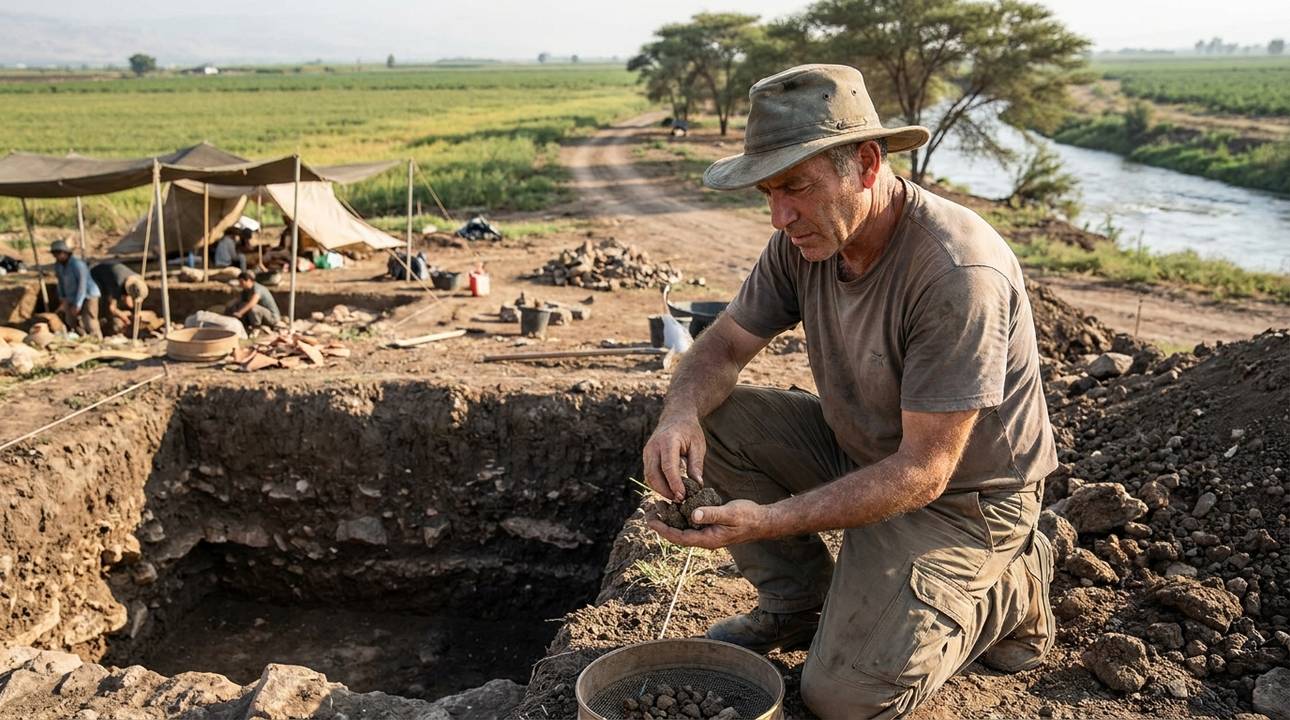
While concrete archaeological evidence of Zeboiim remains elusive, the search continues. The tale of its destruction provides crucial insights into early urban destruction narratives in history.
Excavations in the region often focus on uncovering evidence that correlates with historical narratives. Artifacts found suggest the existence of complex societies with unique cultures, possibly similar to what Zeboiim once was, deepening our understanding of ancient urban life.
These findings contribute to our understanding of the social and economic systems of the ancient Near East. The ongoing research in the area helps historians piece together the intricate mix of life during earlier eras, offering a richer perspective on ancient societies. Artifacts discovered in the region suggest a society engaged in trade, agriculture, and possibly metallurgy, indicating a level of sophistication in their economic practices.
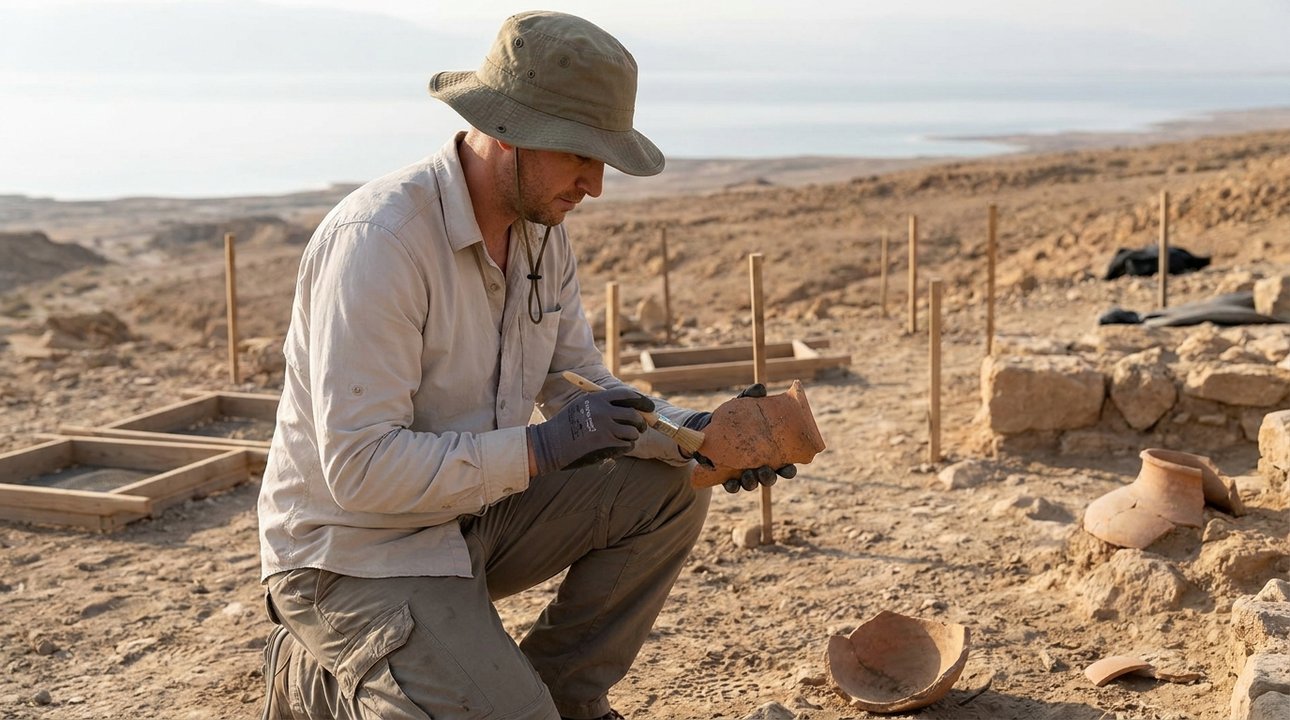
Archaeologists have uncovered pottery and tools that hint at the sophisticated nature of these ancient communities. These artifacts, some dating back to the Early Bronze Age, reveal the technological advancements of the time.
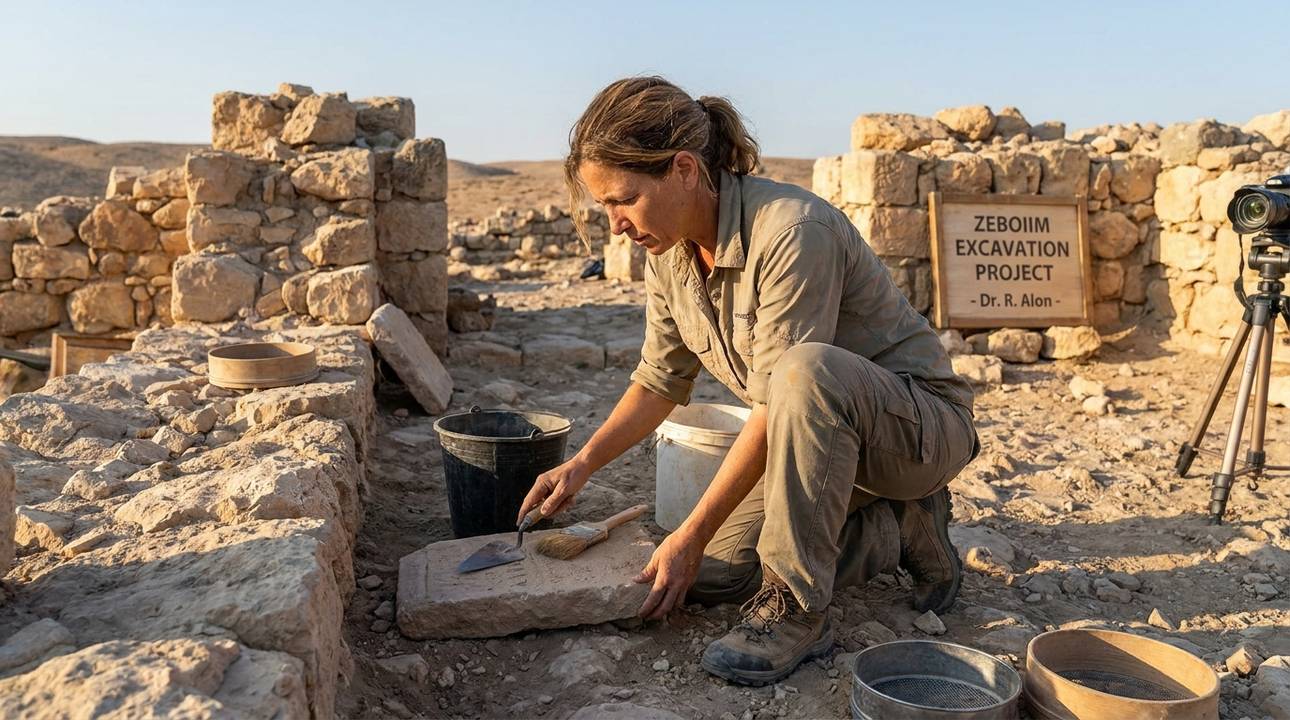
While Zeboiim itself has not been definitively located, the surrounding regions offer clues to its existence. The ongoing excavations not only aim to validate historical accounts but also to enrich our understanding of the cultural and historical context of the time.
from the Western Wall to Masada.
These efforts reflect the enduring quest to connect the past with the present, enhancing our appreciation of historical narratives. Discoveries in nearby areas, such as the Dead Sea region, continue to shed light on the lifestyles and economies of these ancient cities.
Archaeological findings, including pottery and artifacts, offer glimpses into the daily lives of the inhabitants, revealing a complex society with trade and agriculture as key components.
Zeboiim in Cultural Memory
Zeboiim has been echoed through history as a symbol of moral lessons within Jewish tradition. Despite its grim fate, it serves as a representation of divine justice and human morality challenges. The city’s story has been revisited in various forms of literature, theology, and cultural discourse.
The Talmud, for instance, references Zeboiim in discussions about righteousness and justice, emphasizing its role in ethical teachings.
This continued interest highlights the enduring impact Zeboiim’s tale holds in broader discussions. The lessons drawn from Zeboiim’s history continue to resonate in contemporary reflections on tradition and morality.
Its narrative is a reminder of the timeless nature of ethical teachings found in stories, as seen in the discussions within the Talmud regarding justice and righteousness.
Zeboiim in the Present Day
Today, Zeboiim remains a subject of interest for historians, archaeologists, and scholars. Its story provides insights not just into earlier times but into the evolution of cultural narratives over millennia.
The region around the supposed locations continues to intrigue explorers searching for tangible links to historical tales. The intrigue surrounding Zeboiim is fueled by its mention in texts, where its role in historical events is highlighted.
Although not a tourist destination, Zeboiim stirs interest in archaeology and historical studies. Understanding Zeboiim deepens appreciation for historical richness and its cultural heritage.
The ongoing exploration of the area reflects a broader commitment to uncovering the truths hidden within ancient narratives, with researchers continually seeking evidence that aligns with historical accounts.
Researchers continue to explore the area, hoping to uncover more about the cities of the Plain of Jordan. Archaeological digs in this region have unearthed artifacts dating back to the Bronze Age, providing a glimpse into the lives of its ancient inhabitants.
Their work contributes to a broader understanding of ancient societies and their interactions. The story of Zeboiim, though shrouded in mystery, remains a compelling chapter in the broader narrative of history.
As scholars piece together the past, Zeboiim serves as a reminder of the enduring power of stories to shape our understanding of history and culture. The significance of the Plain of Jordan is highlighted for its fertility.
This area, rich in archaeological potential, continues to intrigue historians and archaeologists who seek to connect accounts with tangible evidence, offering new insights into ancient societies.
Conclusion: the Legacy of Zeboiim
Zeboiim’s narrative intertwines with moral, historical, and archaeological themes, offering a multifaceted view into ancient cultures. Its significance reaches beyond geography, contributing to lasting discussions on ethics and history.
Through exploration of Zeboiim, modern readers gain a deeper understanding of the complexities within historical records. Lev Haolam aims to support these cultural dialogues by providing insights into the places that shaped Jewish heritage.
Interested individuals can explore more such stories within Lev Haolam’s curated initiatives and support efforts.
Origins and Geography
