
Unveiling the Moabite People: History and Cultural Legacy
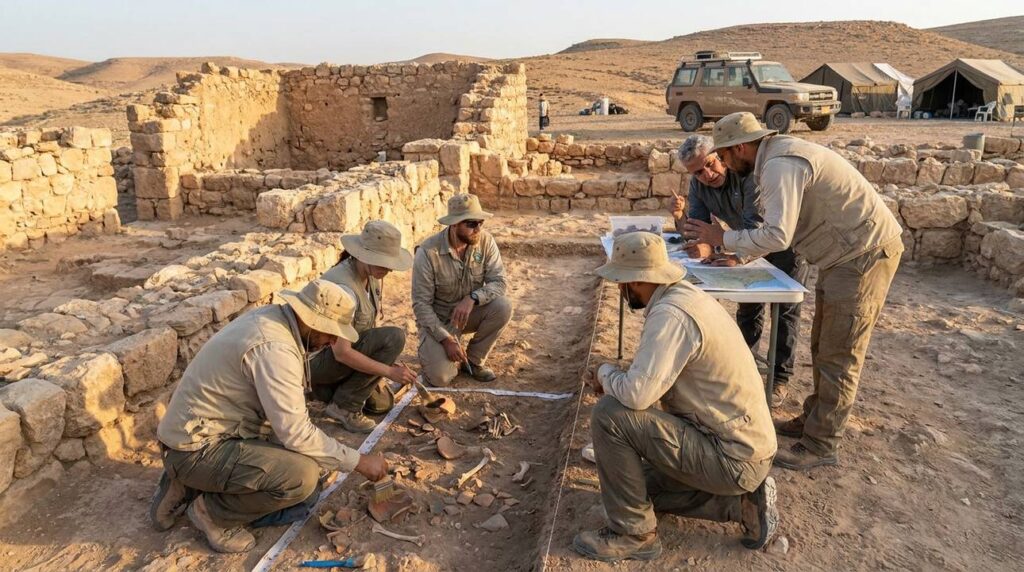

The Moabite people hold a significant place in historical narratives. Known as ancient neighbors of Israel, they played vital roles in regional exchanges and conflicts.
The story of Ruth, a Moabite woman, highlights the potential for cultural integration and mutual respect between different peoples.
In this article, we explore their culture, interactions with Israel, and enduring legacy in the context of biblical history. By examining archaeological evidence like the Mesha Stele, we gain a deeper understanding of their society and influence in the ancient Near East.
These insights help us appreciate the complexities of the ancient world and the lasting impact of this group on the region’s history.
from the Western Wall to Masada.

Who Were the Moabite People?
This ancient Semitic people lived east of the Dead Sea, with their existence well-documented in both biblical texts and archaeological findings.
Originating from Lot, a figure in Genesis, they emerged as a distinct group during the Bronze Age and were frequently mentioned in context with Israel. Their territory, known as Moab, was strategically located, leading to frequent interactions with neighboring nations.
The Bible references their conflicts and alliances, such as in 2 Kings 3, where King Mesha rebelled against Israel, showcasing a complex political landscape.
These interactions illustrate the challenges faced in maintaining autonomy and influence amidst powerful neighbors.
Cultural and Religious Practices
Moabite culture shared many similarities with neighboring nations, but they practiced unique religious customs centered around Chemosh, their chief deity. The Bible mentions Chemosh in Numbers 21:29, highlighting its importance in Moabite worship.
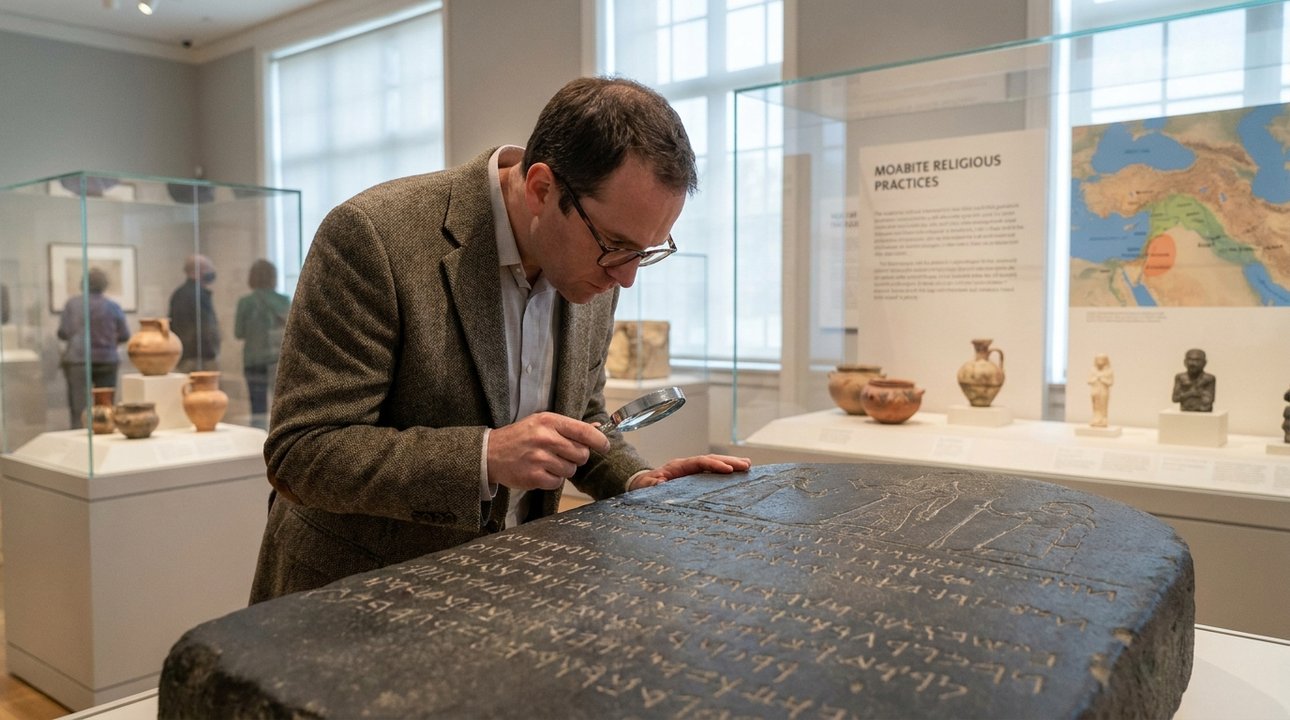
Archaeological discoveries, such as the Moabite Stone, reveal insights into their language and religious rites.
This stone, also known as the Mesha Stele, provides evidence of their script and religious practices, enriching our understanding of Moabite identity and their place in the ancient Near East. These findings offer a glimpse into their societal structure and beliefs.
Moabites in Biblical Conflict
Throughout the Bible, they frequently clashed with Israel due to territorial disputes and differing beliefs. The Book of Judges (Judges 3:12-30) mentions Moabite oppression, where King Eglon subjugated Israel for eighteen years until Ehud’s daring assassination freed them.
This story highlights their influence and the ongoing tensions between the two nations, reflecting the complex political landscape of the time.
2 Kings 3 details Moab’s rebellion against Israel after King Ahab’s death, led by King Mesha, who refused to pay tribute. This rebellion resulted in a military campaign by Israel, Judah, and Edom against Moab, illustrating the ongoing tensions and power struggles of the era.
These narratives provide a glimpse into the challenges faced by them and their neighbors in maintaining power and autonomy.
Ruth: A Moabite Woman in Israelite Legacy
The Book of Ruth provides a different perspective, portraying Ruth, a Moabite, as a loyal figure who becomes an important part of her new community. Ruth’s story emphasizes her devotion to Naomi and her acceptance of Naomi’s people and traditions.
This narrative highlights the potential for peaceful integration between different cultures, showcasing their capacity for adaptation and acceptance.
Ruth’s lineage, leading to David, symbolizes hope and unity, showing that cultural barriers can be overcome through personal relationships. Her story is a testament to the enduring power of loyalty and love across cultural divides.
This narrative serves as a reminder of the positive impact that individual actions can have on broader cultural and historical narratives.

Moabite Decline and Legacy
Their power waned following repeated conflicts with stronger neighbors. By the 6th century BCE, they had largely disappeared as a distinct group. This decline is partly documented in the records of Assyrian and Babylonian conquests, which absorbed or displaced many smaller nations, including Moab.
The Assyrian conquest is mentioned in inscriptions that detail their military campaigns, further illustrating the pressures faced during this period.
However, their cultural and historical footprint remains significant, as evidenced by their mentions in biblical and extra-biblical texts. The Mesha Stele, dating to the 9th century BCE, is a crucial artifact that details King Mesha’s victories over Israel.
This stele not only provides insights into Moabite society but also serves as a testament to their resilience and influence in the region.
Archaeological Insights into Moabite History
Archaeologists have uncovered numerous artifacts, including inscriptions like the Mesha Stele, which provide details on Moabite history and conflicts.
The Mesha Stele, dating back to around 840 BCE, records King Mesha’s victories over Israel, offering a Moabite perspective on events also mentioned in the Bible. This stele is a crucial piece of evidence, offering a glimpse into the Moabite worldview and their interactions with neighboring nations.
from the Western Wall to Masada.
Such findings offer a clearer picture of their society, politics, and lasting cultural influences. These artifacts reveal the use of their language, closely related to Hebrew, and their religious devotion to Chemosh.
The language similarities suggest a shared cultural heritage with their neighbors, while their devotion to Chemosh underscores their distinct religious identity.

Moabites and Their Neighbors
Moab’s location placed it between powerful neighbors like Israel, Ammon, and Edom. This positioning led to frequent alliances and disputes, as seen in 1 Samuel 14:47, where King Saul fought against Moab and other nations.
The strategic importance of Moab is further highlighted by their alliance with Ammon against Judah in 2 Chronicles 20, showcasing their ability to form alliances for mutual benefit.
Diplomatic and military interactions shaped much of their history as they navigated regional politics. These alliances and conflicts reveal an ability to adapt and respond to the shifting dynamics of power in the region.
Their story is a testament to the resilience and strategic acumen of this people in the face of external pressures.
Modern Relevance of the Moabite Narrative
Today, their story provides rich insights into the ancient Near East, demonstrating the complexities of early civilizations and their interactions. Mentioned in various biblical texts, they offer a window into the geopolitical dynamics of the time.
Their interactions with Israel and other neighbors reveal a tapestry of alliances and conflicts, shaping the ancient world. For example, the oppression of Israel during King Eglon’s reign, as described in Judges 3:12-30, highlights these dynamics.
Understanding their history helps illuminate the broader tapestry of biblical and regional narratives. By examining Moabite interactions with Israel and other neighbors, we gain a deeper appreciation for the intricate web of alliances and conflicts that shaped the ancient world.
These stories remind us of the enduring impact of these early civilizations on the cultural and historical landscape of the region.
Conclusion
Exploring this people offers valuable perspectives on ancient history. Their story is intertwined with Israel’s, providing lessons on cultural connections and conflicts.
They are mentioned in various biblical texts, including the Book of Judges and 2 Kings, which highlight their interactions with Israel. The continuing study of their legacy enriches our understanding of the past and its lasting impact on modern identities.
Archaeological findings, such as the Mesha Stele, offer insights into their language and society, helping to reconstruct the historical landscape of the region.
They were a Semitic people with distinct cultural and religious practices. Their chief deity was Chemosh, as mentioned in historical texts. This deity played a central role in their religious life, often invoked in times of war and peace.
They had complex interactions with Israel, marked by both conflicts and cooperation. The story of Ruth, a Moabite woman, illustrates a unique bond between the two peoples.
King Mesha of Moab is another significant figure, known for his rebellion against Israel, as recorded in 2 Kings 3. This event highlights the turbulent relationship between the two nations. Archaeological findings, such as the Mesha Stele, continue to illuminate Moabite history.
The stele, dating to the 9th century BCE, provides insights into their language and society, enhancing our understanding of their role in the ancient Near East.
About the Moabite People
