Traditional Israeli Cake Delight
9 March 11:38
471
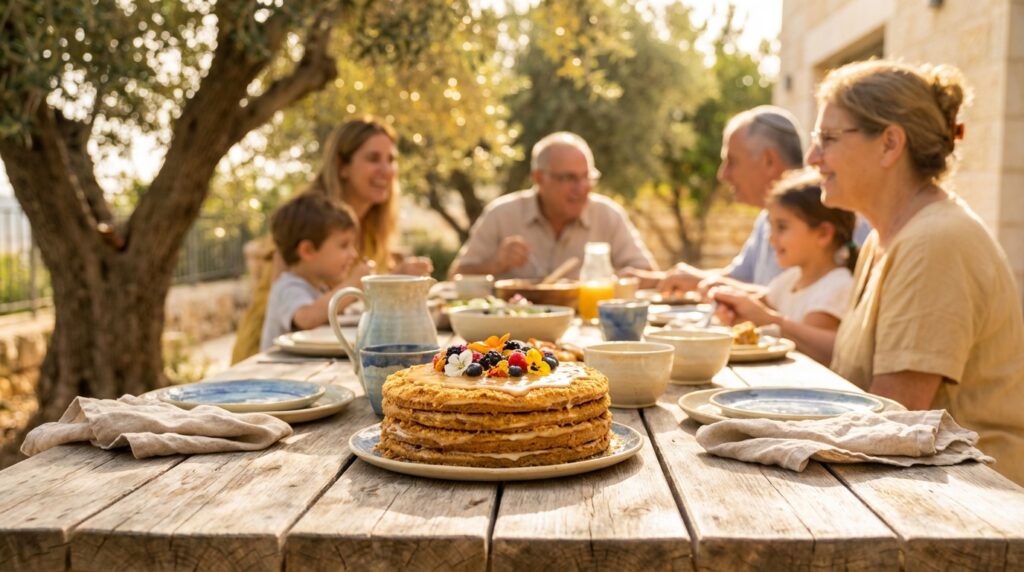

Originating in Russia, this cake became popular in Israel through the migration of Jewish families. Its unique blend of ingredients and flavors made it a staple in many homes. The cake symbolizes the fusion of Russian and Israeli culinary traditions, bringing warmth and sweetness to family gatherings.
The recipe has evolved over generations, with each family adding their own touch. Some prefer a denser texture, while others opt for a lighter, fluffier version. Despite these variations, the essence of the cake remains the same: a comforting treat that evokes memories of home and heritage.
In Israel, Russian cake is often enjoyed during festive occasions and holidays. Its rich taste and moist texture make it a favorite among both young and old. The cake is not only a dessert but a symbol of cultural heritage and familial bonds.
These recipes are often passed down through generations, with each family adding unique ingredients or techniques. Some might include a hint of citrus or a dash of cinnamon, enhancing the cake’s flavor profile. This personalization makes each Russian cake special and cherished.
Baking a Russian cake is more than just following a recipe; it’s a ritual that connects past and present. As families gather to prepare this dessert, stories of ancestors and traditions are shared, strengthening familial ties and cultural identity.
The cake’s popularity has also spread beyond Israeli borders, with many people around the world discovering its delightful taste. It serves as a culinary ambassador, introducing others to the rich tapestry of Israeli and Russian flavors.
Its preparation often involves the whole family, with each member contributing to the process. This communal activity not only results in a delicious cake but also fosters a sense of togetherness and shared accomplishment.
The cake’s ingredients are simple yet effective, creating a harmonious blend of flavors. Flour, sugar, eggs, and butter form the base, while additional elements like vanilla or chocolate add depth and richness. This simplicity allows the cake to be both accessible and versatile.
Whether enjoyed with a cup of tea or as a festive centerpiece, Russian cake continues to be a cherished part of Israeli culinary tradition. Its enduring appeal lies in its ability to bring people together, celebrating both heritage and the joy of sharing a homemade treat.