
Does Papa John’s Support Israel? Facts, BDS Links & How to Help
Papa John’s has been the subject of discussions regarding its position on Israel. While online rumors suggest a clear stance, the truth is more nuanced.
Various claims and counterclaims about the company’s priorities contribute to ongoing debate. Some speculate about its level of support, while others question its engagement with Israeli markets, reflecting a complex web of corporate and social dynamics.
The company’s involvement in international markets, including Israel, is often scrutinized.
This scrutiny is part of a broader conversation about corporate responsibility and global trade practices.
Understanding these dynamics requires examining both the company’s business strategies and the geopolitical climate in which it operates.
Papa John’s US corporate parent has not issued an official statement supporting or opposing Israel. However, the brand has operated in Israel since 2016 through a local franchisee, with outlets in cities such as Tel Aviv, Haifa, and Rehovot, according to The Jerusalem Post. In 2020, Israeli franchisee Moti Richter took over the franchise with the stated goal of building Papa John’s into a dominant pizza chain in the country.
Papa John’s is the target of grassroots consumer boycott calls that the BDS Movement supports but did not organize.
It is not among the companies the BDS Movement itself has named for boycott. These boycott calls stem mainly from reports that Papa John’s Israeli franchise has publicly backed Israel, including offering free meals to Israeli soldiers, as noted in the BDS Movement’s boycott guidance.
According to the BDS Movement, this grassroots support for boycotts is part of wider consumer activism.
The movement encourages individuals to make informed choices about their purchases, aiming to influence corporate behavior.
This approach reflects a broader trend in consumer activism, where individuals use their purchasing power to advocate for social and political change.
🚫 What Is BDS and Why It Matters
The BDS movement was launched in 2005 by a coalition of Palestinian civil society organizations; the BDS National Committee (BNC) was formed later, in 2007, to coordinate it. It seeks to apply economic, cultural, and academic boycotts to pressure Israel. The movement has grown globally, aiming to change policies and perceptions. It encourages withdrawal from Israeli markets and promotes awareness of Palestinian rights. Sources like Encyclopaedia Britannica provide context about its origins and reach.
The Israeli government has responded to the BDS campaign by implementing measures to counteract its effects.
These include promoting Israeli innovation and technology on the global stage.
In 2017, the government passed a law banning entry to foreign nationals who publicly support BDS, aiming to protect its economic interests.
Additionally, collaborations with international allies have been strengthened to mitigate the campaign’s impact.
These efforts are part of a broader strategy to ensure Israel’s economic stability and maintain its position in the global market.
By fostering international partnerships, Israel seeks to counteract the negative effects of the BDS movement.
- In 2020, Israeli franchisee Moti Richter took over Papa John’s Israel with plans to build it into the country’s dominant pizza chain.
- By 2023, more than 35 U.S. states had adopted anti-BDS laws or measures.
In recent years, the BDS movement’s activities around Papa John’s have sparked social media discussions, though concrete actions against the company have been sparse.
Critics often cite BDS for inconsistent targeting practices, emphasizing disproportionate focus on Israel compared to other nations.
This has fueled debates on the movement’s broader implications and effectiveness, questioning its strategic goals and ethical considerations.
The discussions highlight the complexities of global activism and the challenges of implementing effective boycotts.
By examining these debates, we gain insight into the motivations and impacts of the BDS movement, as well as the responses from targeted companies like Papa John’s.
How You Can Support Israel Today
In Israel, particularly in areas like Judea and Samaria, families often manage small businesses, engaging in activities such as planting vineyards and harvesting honey. These regions are historically significant, with Judea being a key area of cultural heritage.
Many of these producers also craft unique jewelry and soaps. However, they face economic pressure due to limited access to international markets. Supporting these businesses helps sustain their livelihoods amid challenging conditions.
These small businesses are crucial for local economies, providing jobs and preserving traditional crafts. By purchasing their goods, you help ensure their survival and prosperity, allowing them to continue their cultural heritage and support their families. Each box may feature a selection of 6 – 8 products, and contents vary, offering a diverse range of items.
Families in these areas live under sustained pressure, facing challenges not only from political campaigns like BDS but also from economic isolation.
Trading restrictions often limit their ability to grow and prosper. For instance, the BDS movement has been known to target Israeli products, affecting their international sales.
By engaging with global consumers, these families can create sustainable economic opportunities and stability.
Purchasing their goods directly contributes to their livelihoods, offering hope and resilience in challenging times.
This interaction is essential for breaking the cycle of economic isolation. It helps build bridges between cultures and supports the local economy, ensuring these families can continue their traditions and support their communities.
Here’s how you can make a real difference:
– Engage with Israeli products and businesses, supporting them directly through purchases.
This boosts the local economy and strengthens ties between communities.
– Educate others about the cultural and historical significance of Israel, sharing stories and facts that highlight its unique contributions.
– Advocate for fair treatment and understanding by participating in dialogues that promote peace and cooperation.
By taking these actions, you contribute to a more connected and supportive global community, fostering mutual respect and understanding.
Subscribe to a Lev HaOlam Box
Each monthly box may include a rotating selection of artisan foods, handmade goods, natural cosmetics, and cultural items crafted by small producers across Israel.
These products are known for their natural ingredients and careful craftsmanship.
Contents change from month to month, offering a varied and authentic sampling of Israeli-made goods.
Artistic pieces, including ceramics and jewelry, reflect the diverse cultural influences of the region.
These items often incorporate traditional designs and techniques, connecting consumers with the history and artistry of Israel.
By choosing these products, you support local artisans and help preserve cultural traditions.
Your subscription provides families with a stable income, enabling investment in their children’s education and future. This support is crucial, as education is a key factor in breaking the cycle of poverty.
Moreover, your choice stands against anti-Semitism, promoting unity and understanding across cultures. By supporting Israeli businesses, you help foster a message of peace and cooperation.
Your support also contributes to Israel’s economic growth, fostering innovation and ensuring a brighter future for all its citizens.
By investing in these businesses, you play a part in building a resilient economy that can withstand external pressures. This economic stability is vital for the country’s development and for maintaining peace in the region.
Craft Israel Boxes
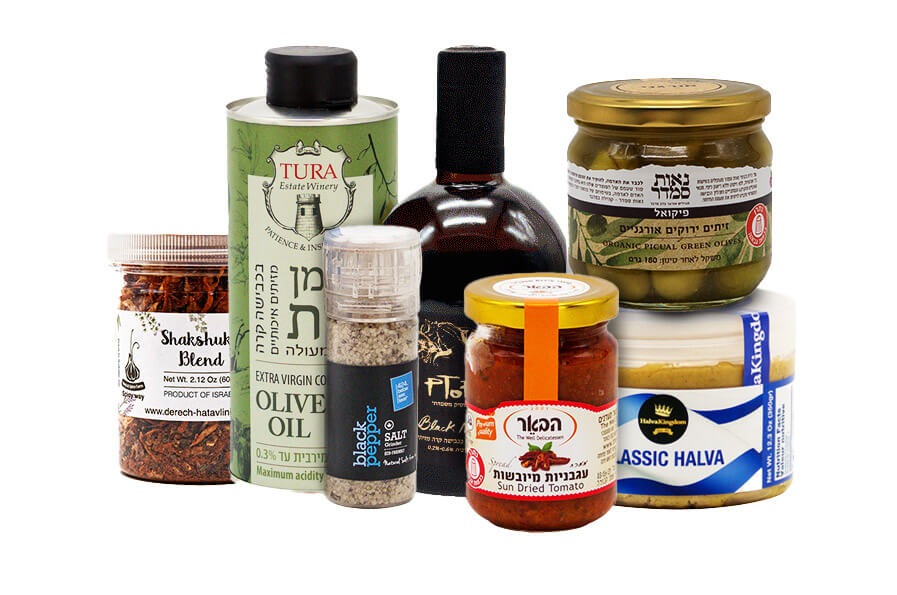
Delicious Food & Spices
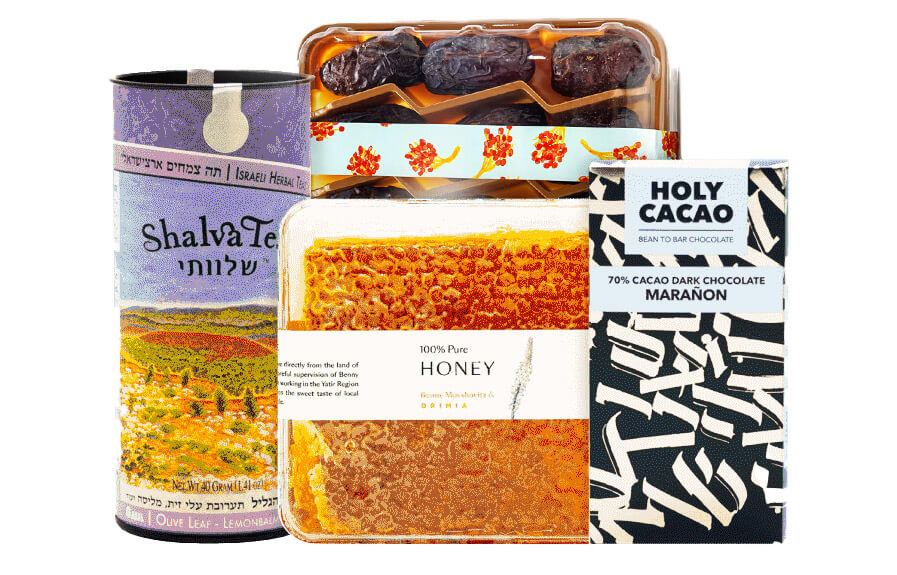
Organic Sweets, Perfect Tea & Coffee
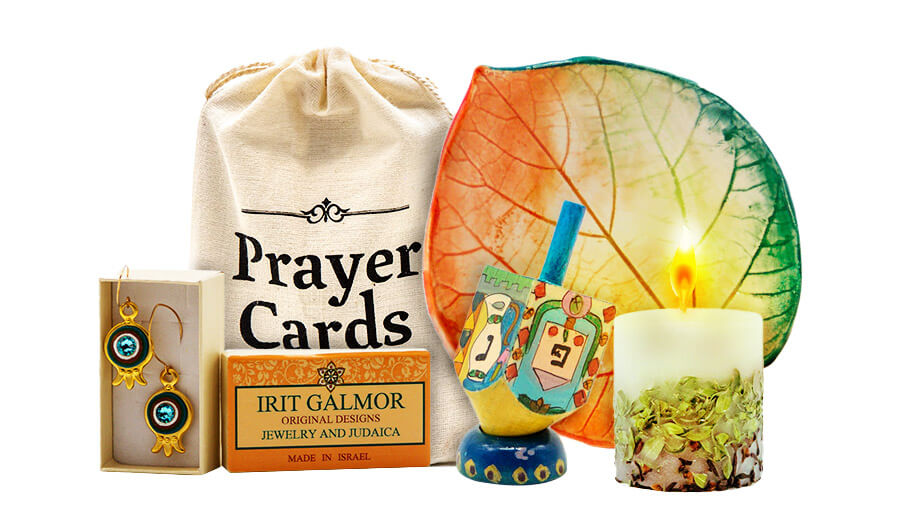
Original Jewelry & Judaica
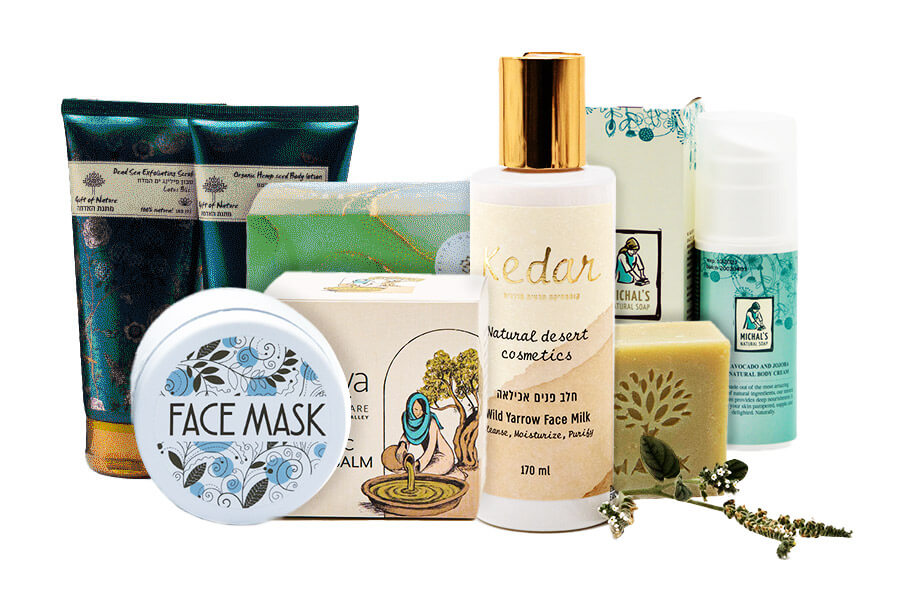
Exclusive Organic Cosmetics

Authentic Ceramics & Housewares
Frequently Asked Questions
About Papa John's
Summary
Papa John’s US parent takes no official position on Israel, though its Israeli franchise operates in the country and has drawn grassroots boycott calls that the BDS Movement supports. Supporting Israeli artisans directly through purchases helps counter these economic pressures.