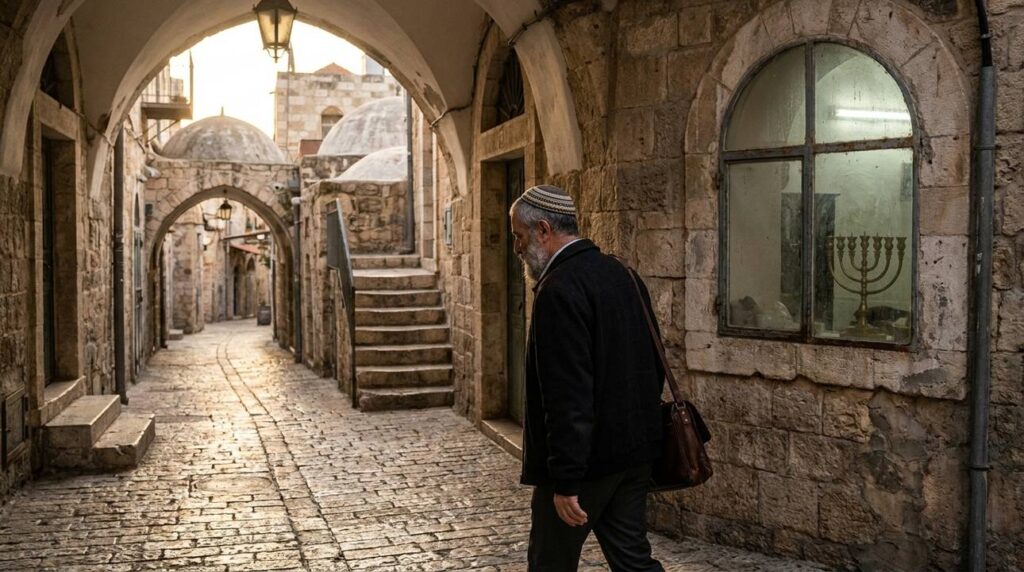
History of Israel and Jews

Step into a journey through time as we uncover the remarkable history of Israel and the Jewish people. From ancient roots to modern resilience, each story reveals a thread in the vibrant tapestry of Jewish heritage. These tales connect us to the land, the people, and the enduring spirit that continues to shape Israel today. Join us in honoring the past and celebrating the strength and beauty of Jewish life.
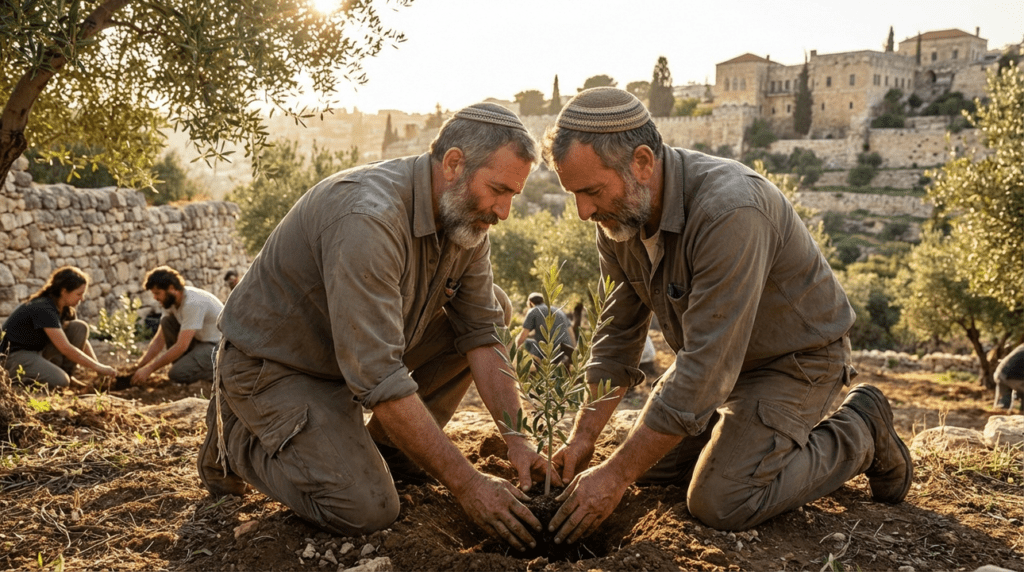
Image illustrating: The Deeper Meaning of Fig Trees in the Bible and Jewish Tradition

The Deeper Meaning of Fig Trees in the Bible and Jewish Tradition

The fig tree in ancient Israel Fig trees were a common sight in ancient Israel, thriving in the Mediterranean climate. Their fruit was a staple in the diet of the people, and they were often planted near homes and along paths. The tree’s ability to produce sweet, nourishing fruit made it a valuable resource, and its presence was a sign of a well-tended land. In biblical times, owning a fig tree was a mark of prosperity. The phrase “each man under his vine and fig tree” became a symbol of peace and security. It suggested a life without fear, where...
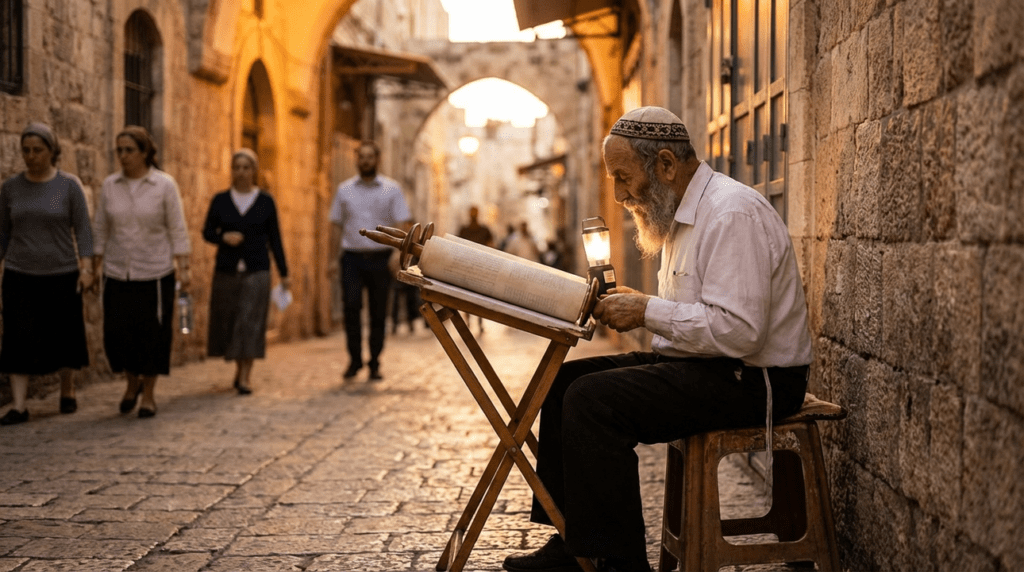
Image illustrating: A Living Legacy: Who Are the Samaritans Today and What Do They Believe?

A Living Legacy: Who Are the Samaritans Today and What Do They Believe?

Who Are the Samaritans? The Samaritans trace their lineage back to the ancient Israelites, specifically to the tribes of Ephraim and Manasseh. Their history diverged from mainstream Judaism after the Assyrian conquest of the northern kingdom of Israel in the 8th century BCE. While Jewish tradition often viewed them with suspicion, the Samaritans maintained their own version of the Torah and built their religious life around Mount Gerizim, which they consider the true holy site chosen by the Creator. Today, the Samaritan population numbers fewer than 1,000 individuals, making them one of the smallest and oldest ethnoreligious groups in the...
Image illustrating: The Story Behind Moses and the Splitting of the Sea

The Story Behind Moses and the Splitting of the Sea

The Setting: A People on the Run After centuries of slavery in Egypt, the Israelites were finally free. Led by Moses, they began their journey toward the Promised Land. But freedom was not immediate safety. Pharaoh, having second thoughts about releasing his labor force, sent his army to pursue them. The Israelites found themselves trapped between the sea and the approaching Egyptian forces. Fear gripped them. It seemed like their newfound freedom would be short-lived. In this moment of crisis, Moses turned to the heavens and was instructed to raise his staff over the waters. As he did, the sea...
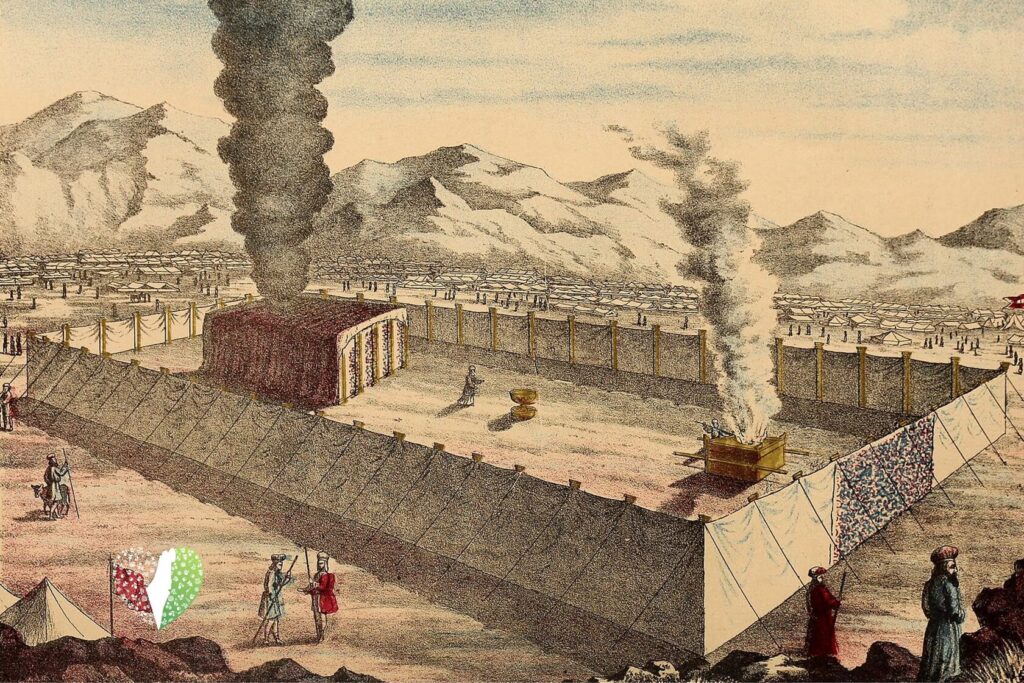
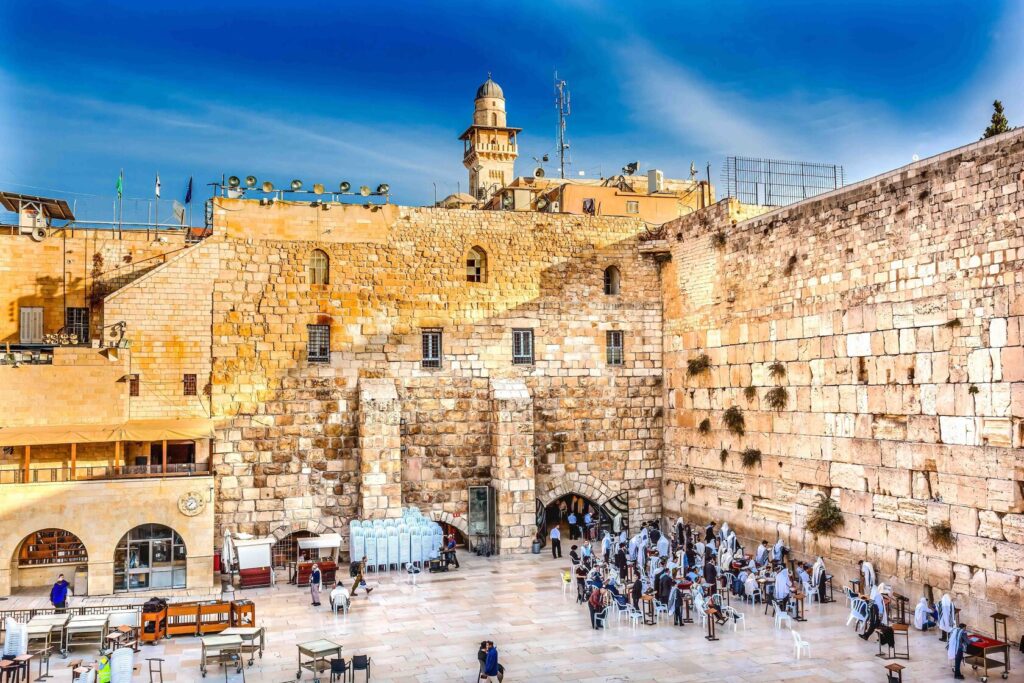
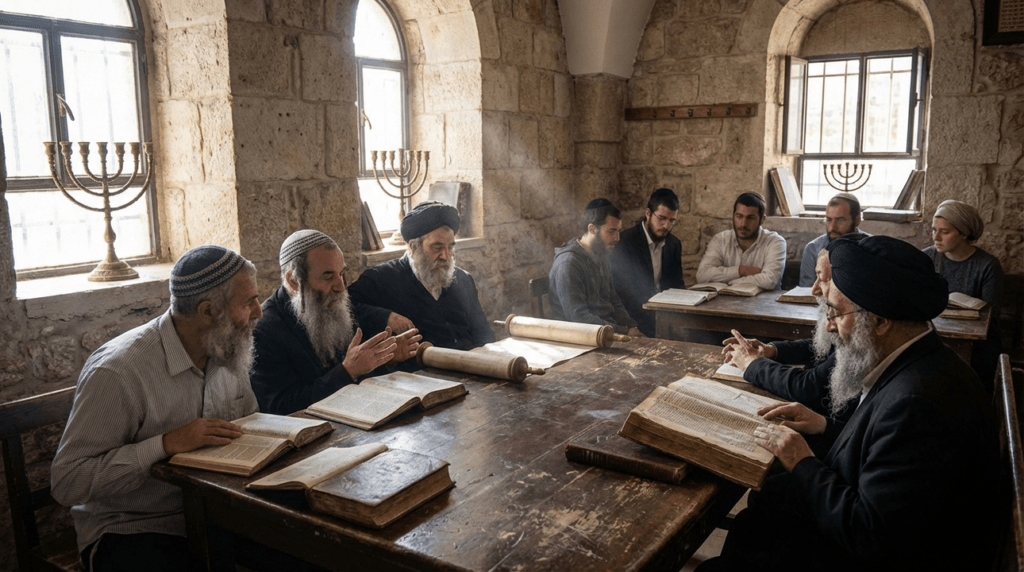
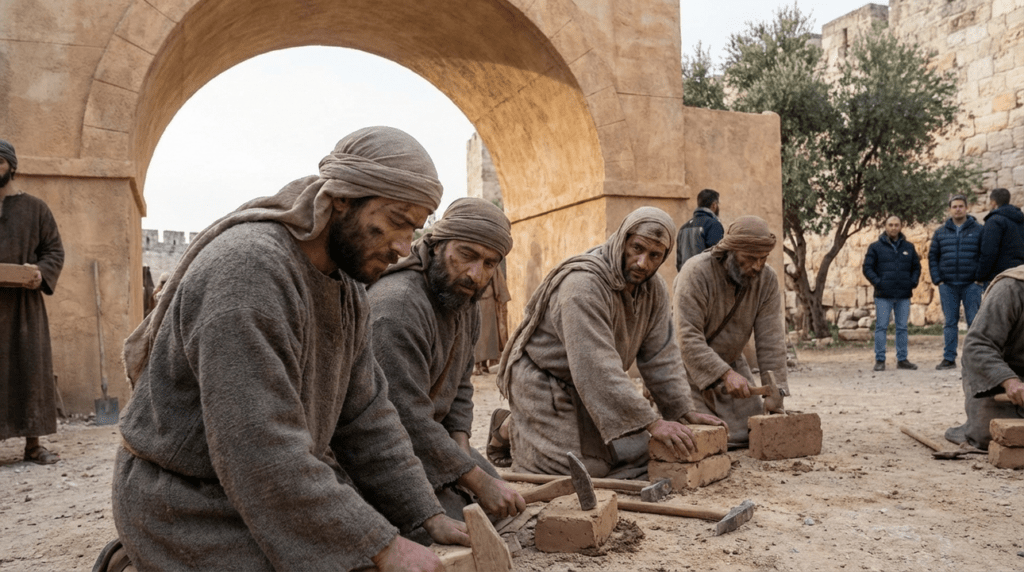
Image illustrating: The Builders of the Second Temple in Jerusalem

The Builders of the Second Temple in Jerusalem

The First Temple and Its Destruction Before we can understand the Second Temple, we must first look at the First Temple. Built by King Solomon in the 10th century BCE, the First Temple stood as the spiritual heart of ancient Israel. It was a majestic structure, filled with symbolic meaning and sacred rituals. For centuries, it was the central place of worship for the Jewish people. But in 586 BCE, tragedy struck. The Babylonian Empire, under King Nebuchadnezzar, conquered Jerusalem. The First Temple was destroyed, and many Jews were taken into exile in Babylon. This marked the beginning of a...

Israeli Culture and Traditions

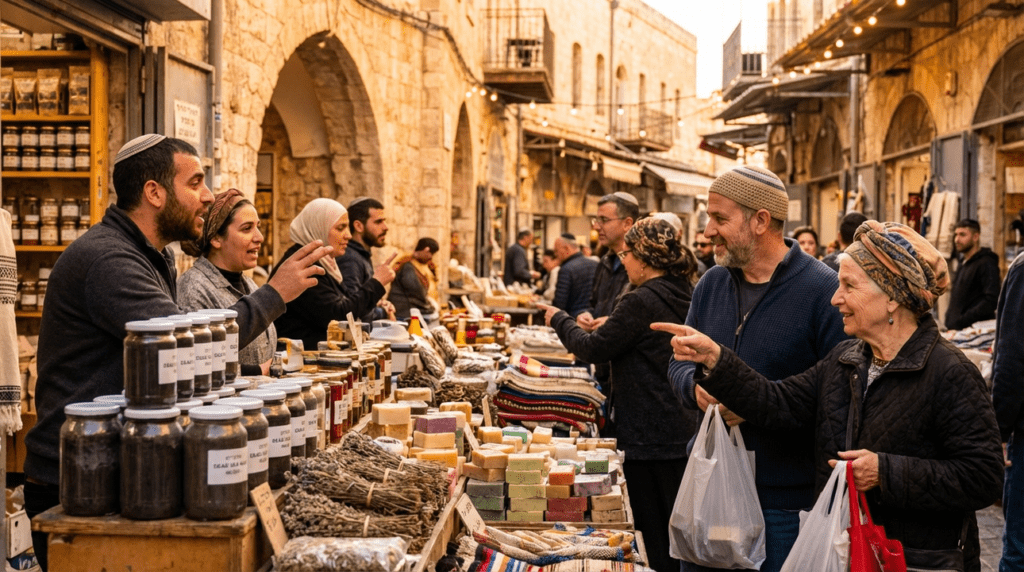
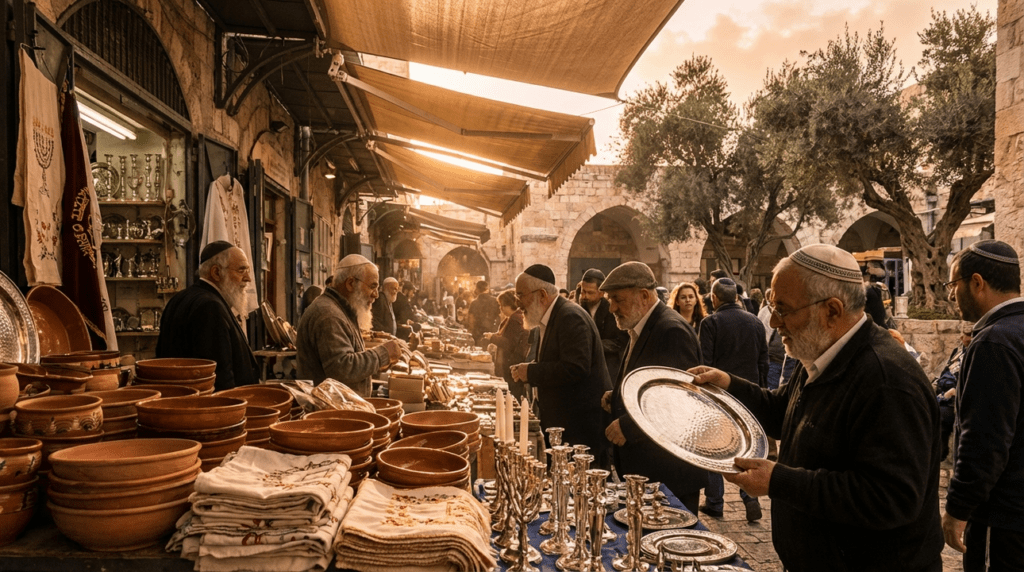
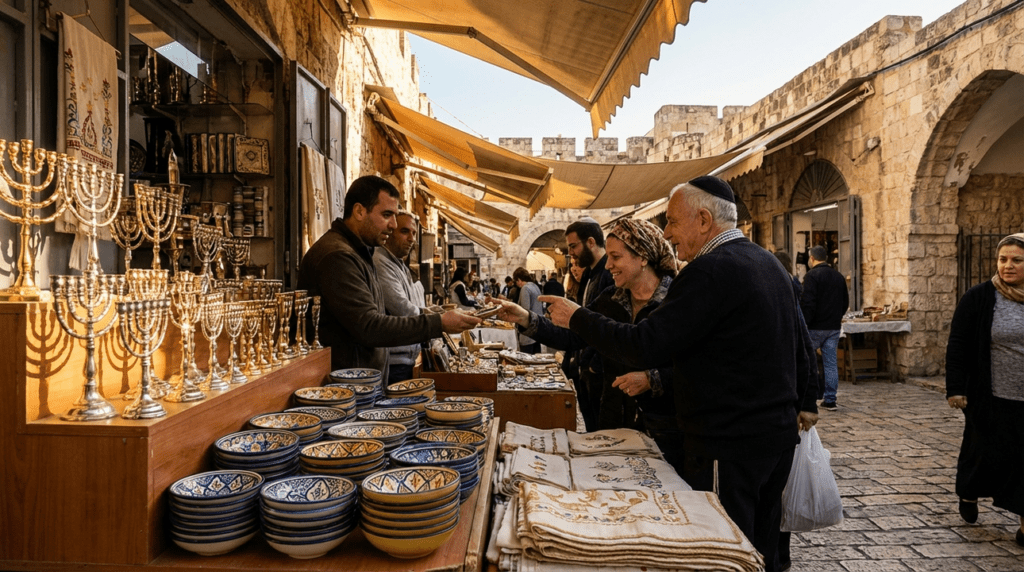
Step into the vibrant world of Israeli culture and traditions. From cherished family customs to meaningful holidays, this blog category brings you closer to the heart of Israel. Each post shares the warmth, resilience, and everyday beauty of Israeli life, connecting you with the people and stories behind the traditions. Whether it's a tale from a small village or a glimpse into a holiday celebration, you'll find inspiration and connection in every story.
Image illustrating: Exploring the Rich Tapestry of Israeli Culture and Traditions

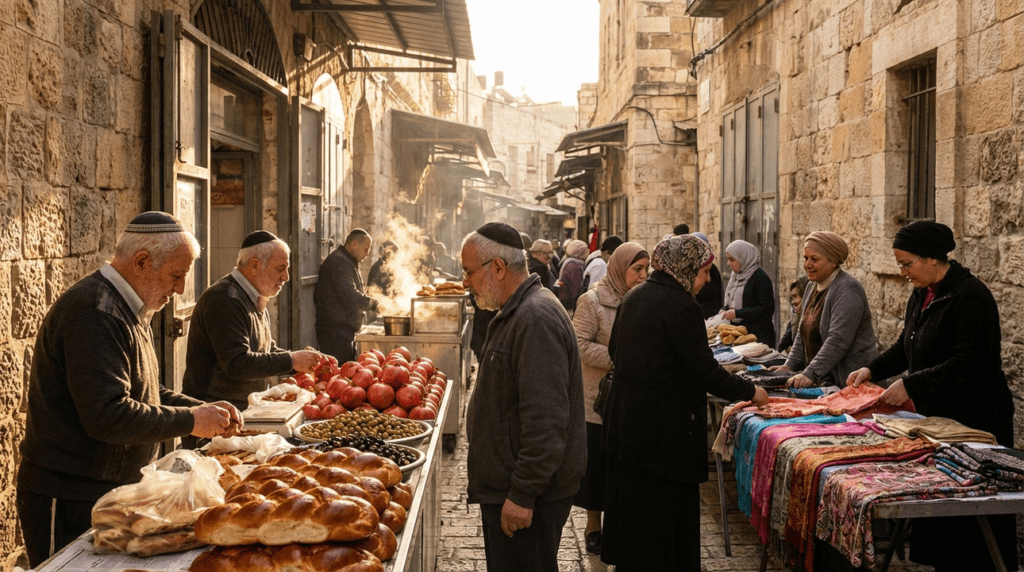
Exploring the Rich Tapestry of Israeli Culture and Traditions

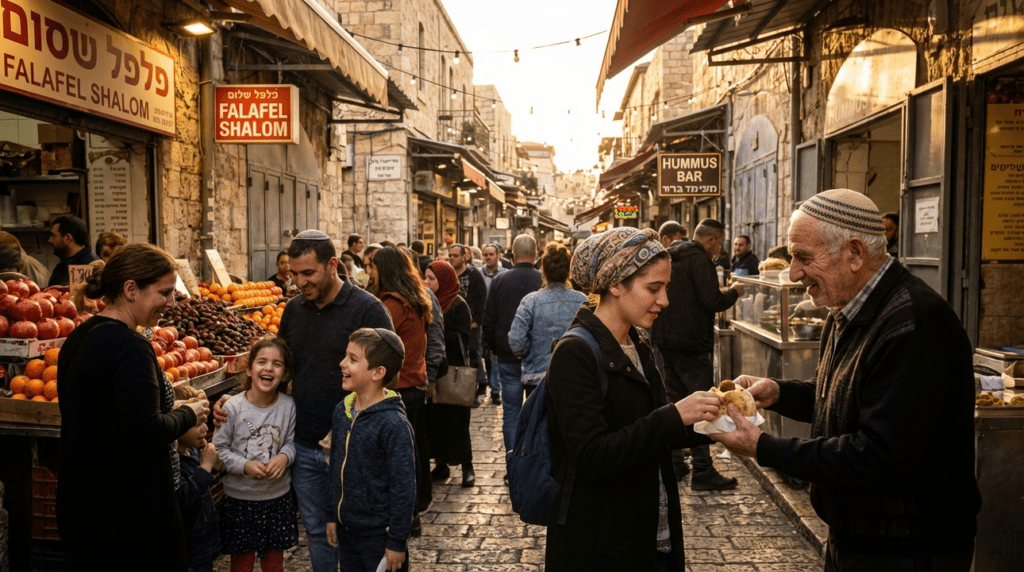
The Many Layers of Israeli Identity Israeli culture is not a single thread—it’s a tapestry woven from many. Jews from Europe, North Africa, the Middle East, Ethiopia, and the Americas have all brought their customs, foods, and ways of life to Israel. Add to this the traditions of Druze, Bedouin, and other communities, and you begin to see the incredible diversity that defines Israeli identity. This diversity is not just demographic—it’s deeply cultural. In one city block, you might hear Hebrew, Russian, Amharic, and Arabic. You might see a woman in a long skirt and headscarf walking beside another in...
Image illustrating: From Ancient Robes to Runway Styles: Clothing in Israel Then and Now

From Ancient Robes to Runway Styles: Clothing in Israel Then and Now

Biblical Roots of Clothing in the Land of Israel The story of clothing in Israel begins in the Bible. Ancient Israelites wore garments that were practical for the desert climate—long tunics, head coverings, and sandals. These clothes weren’t just functional; they carried deep symbolic meaning. The tallit (prayer shawl), for example, with its fringes (tzitzit), was a reminder to follow the commandments. Linen was common, while wool was used with care due to religious laws. Clothing also marked identity and status. Priests wore special garments described in detail in the Torah, including the ephod and breastplate. These items weren’t just...
Image illustrating: The Story of Hebrew Slaves in Egypt and Its Enduring Legacy

The Story of Hebrew Slaves in Egypt and Its Enduring Legacy

The Journey to Egypt: From Joseph to a New Pharaoh The roots of the Hebrew presence in Egypt begin with the story of Joseph, one of the twelve sons of Jacob. Sold into slavery by his brothers, Joseph eventually rose to become a powerful figure in Egypt due to his ability to interpret dreams. His wisdom helped Egypt prepare for a devastating famine, and in gratitude, Pharaoh appointed him as a high-ranking official. When famine struck the land of Canaan, Joseph’s family traveled to Egypt seeking food. Thanks to Joseph’s position, they were welcomed and allowed to settle in the...
Image illustrating: Why Did the Egyptians Enslave the Hebrews? A Journey Through History and Heritage

Why Did the Egyptians Enslave the Hebrews? A Journey Through History and Heritage

The Historical Context of Ancient Egypt Ancient Egypt was one of the most powerful civilizations in the ancient world. With its rich culture, monumental architecture, and complex society, it stood as a beacon of human achievement. But like many empires, its strength was built on the backs of laborers—often those who were marginalized or seen as outsiders. The Hebrews, a distinct and growing community within Egypt, became one such group. The Hebrews had originally come to Egypt during a time of famine, welcomed due to the high position of Joseph, a Hebrew who had risen to prominence in Pharaoh’s court....


Jewish Community and Charity

Step into the lives of Israeli families and artisans who embody the spirit of giving and togetherness. This blog category shares inspiring tales of resilience, kindness, and community support. Learn how your connection to Israel helps nurture these bonds and brings hope to those working hard to preserve tradition and build a better future.
Image illustrating: How Companies That Support Israel Make a Difference

How Companies That Support Israel Make a Difference

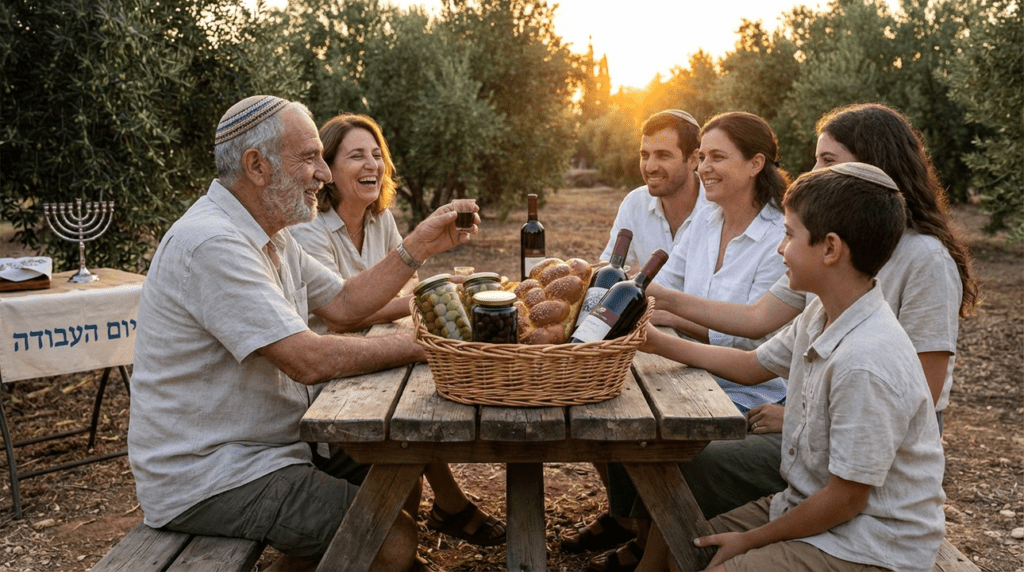
Why Corporate Support for Israel Matters When a company chooses to support Israel, it sends a powerful message of solidarity and care. This support can take many forms: sourcing products from Israeli artisans, investing in Israeli startups, or simply standing by the country during times of challenge. Each act of support contributes to the resilience of Israeli communities and helps preserve their unique cultural identity. For many small businesses in Israel—especially those in remote or conflict-affected areas—international partnerships are a lifeline. They provide not only financial stability but also a sense of connection to a global community that values their...
Image illustrating: How Celebrities Show Their Support for Israel and Its People

How Celebrities Show Their Support for Israel and Its People

A Long Tradition of Support Support for Israel among celebrities is not a new phenomenon. From the early days of the modern state, artists, musicians, and actors have expressed admiration for Israel’s spirit and determination. This support often stems from personal connections, cultural appreciation, or a deep respect for the country’s history and people. In the 1960s and 70s, stars like Elizabeth Taylor and Frank Sinatra were known for their outspoken support. Taylor even canceled a film shoot in protest of anti-Israel sentiment, while Sinatra performed in Israel and supported Jewish causes throughout his life. These early examples set the...
Image illustrating: How Countries Around the World Show Their Support for Israel

How Countries Around the World Show Their Support for Israel

The History of International Support for Israel Since its founding in 1948, Israel has received support from various countries around the world. This support has evolved over time, shaped by historical events, shared democratic values, and mutual interests. In the early years, countries like the United States and the Soviet Union recognized Israel’s independence, setting the stage for complex international relationships. Over the decades, alliances strengthened as Israel proved itself a resilient democracy in a challenging region. The Six-Day War in 1967 and the Yom Kippur War in 1973 brought global attention to Israel’s security needs, prompting many nations to...