






Israeli Meat Classics

Step into the heart of Israeli cooking with our collection of meat classics. These beloved recipes come straight from the kitchens of Israeli families, where tradition and flavor go hand in hand. From slow-cooked stews to grilled favorites, each dish tells a story of heritage, resilience, and the warmth of shared meals. Whether you're discovering these flavors for the first time or reconnecting with cherished memories, these recipes invite you to experience the depth of Israel’s culinary soul.
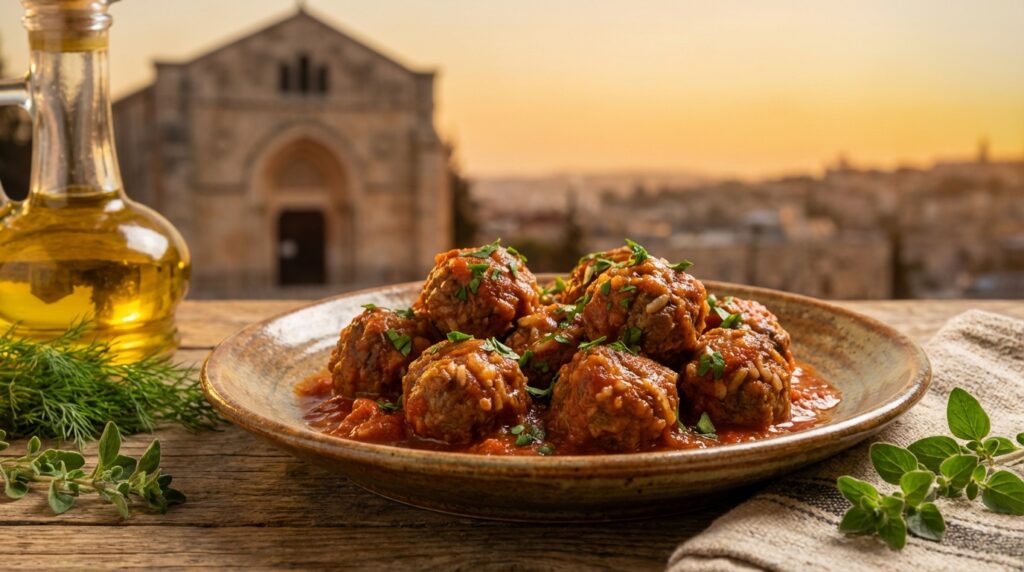
Image illustrating:Hearty Jewish Meatballs in Rich Tomato Sauce

Hearty Jewish Meatballs in Rich Tomato Sauce

The roots of Jewish meatballs trace back to Eastern European Jewish communities, where resourceful cooks created hearty meals from simple ingredients. Over time, these recipes traveled with immigrants to Israel, adapting to local tastes and ingredients. The result is a dish that feels both familiar and uniquely Israeli. In Israel, Jewish meatballs are often served at Shabbat dinners and holiday meals. The rich tomato sauce and tender meat evoke memories of home and heritage. Each family adds its own twist—some with a touch of cinnamon, others with fresh herbs from the garden. The dish reflects the blending of Jewish diasporic...
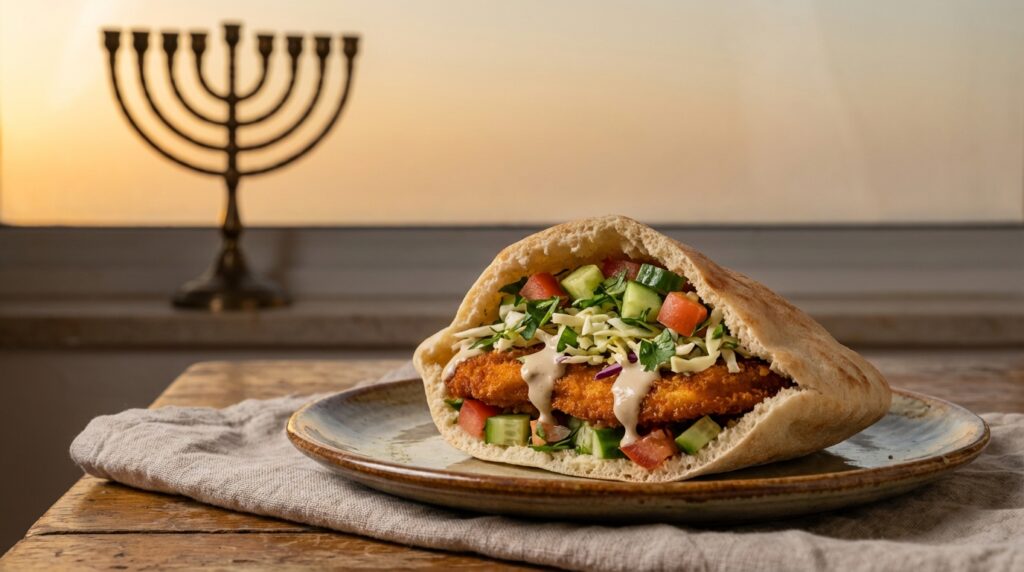
Image illustrating:How to Make a Classic Israeli Schnitzel Sandwich at Home

How to Make a Classic Israeli Schnitzel Sandwich at Home

The origins of schnitzel trace back to Austria, where it was traditionally made with veal. Jewish immigrants adapted the recipe using chicken or turkey, which were more accessible and kosher-friendly. Over time, this adaptation became a beloved part of Israeli home cooking. In the early years of the state, schnitzel was a practical choice for families. It was affordable, easy to prepare in large batches, and appealed to children and adults alike. The crispy coating and tender meat made it a comforting meal during times of scarcity. As Israeli cuisine evolved, schnitzel found its way into sandwiches, becoming a popular...
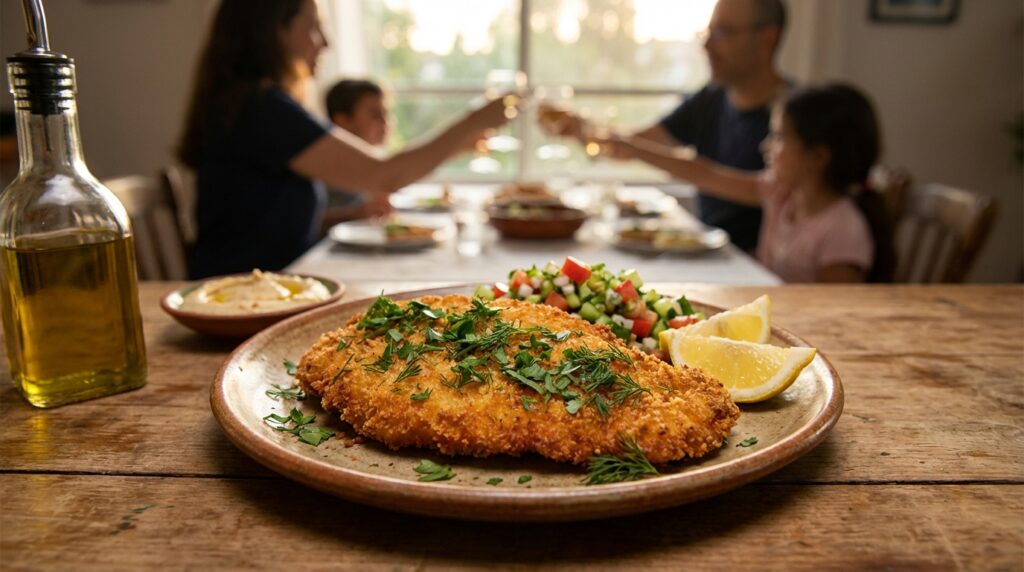
Image illustrating:Golden Israeli Schnitzel with a Crispy Homemade Touch

Golden Israeli Schnitzel with a Crispy Homemade Touch

When Jewish immigrants arrived in Israel from Europe, they brought with them culinary traditions that would soon be adapted to local ingredients and tastes. One such dish was schnitzel, originally made with veal in Austria and Germany. In Israel, veal was scarce and expensive, so cooks turned to chicken and turkey, which were more readily available and affordable. The transformation of schnitzel into an Israeli favorite was swift. It became a go-to meal for families, especially because it was easy to prepare in large batches. Children loved its crispy coating and tender meat, and parents appreciated its simplicity and versatility....
Image illustrating:Pistachio Kebab with Israeli Spices and Herbs

Pistachio Kebab with Israeli Spices and Herbs

The use of pistachios in savory dishes dates back to ancient Persia, where nuts were often combined with meats to create rich, flavorful meals. This culinary tradition traveled across the region, influencing the food culture of neighboring lands, including Israel. Over time, Israeli cooks began incorporating pistachios into their own meat dishes, adding a unique crunch and subtle sweetness. In modern Israeli kitchens, pistachio kebabs have become a beloved specialty. They reflect the country’s diverse culinary influences, blending Middle Eastern spices with local ingredients. These kebabs are often served at family gatherings, holiday meals, and festive occasions, symbolizing both tradition...
Ashkenazi Traditional Dishes

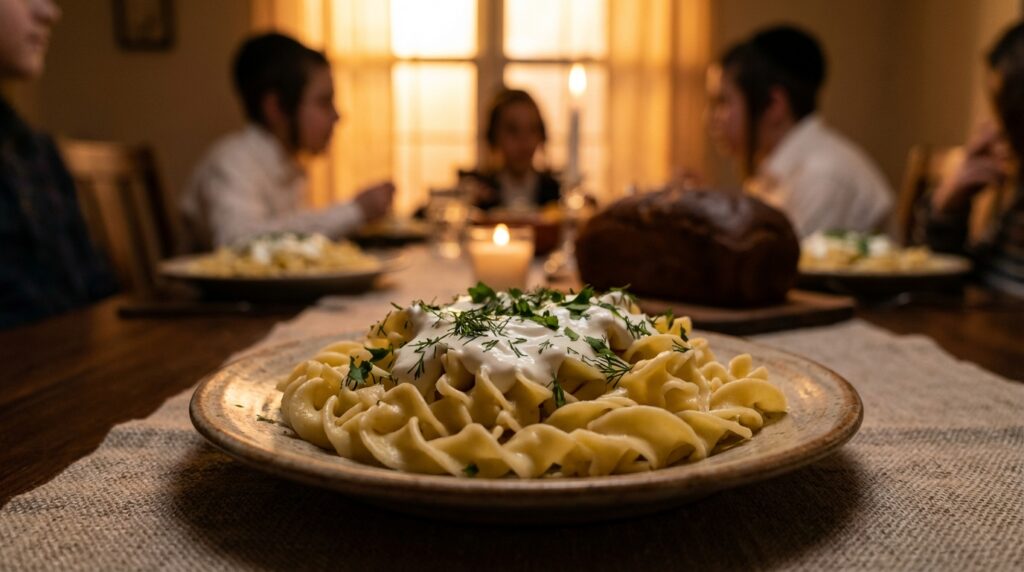
Ashkenazi traditional dishes carry the flavors of generations past—recipes lovingly passed down from grandmothers’ kitchens across Eastern Europe to today’s Israeli homes. From tender kugels to comforting chicken soup, these foods tell stories of resilience, celebration, and family. Each dish invites you to experience the warmth of Jewish heritage and the simple joy of sharing a meal. Whether you're rediscovering childhood favorites or exploring new tastes, these recipes connect you to a rich cultural tapestry woven with care and memory.
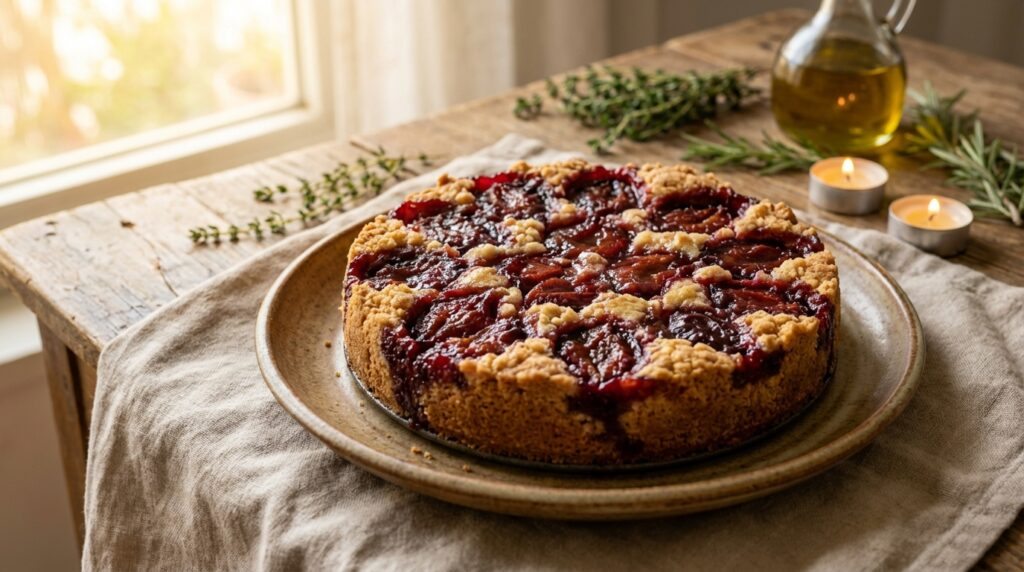
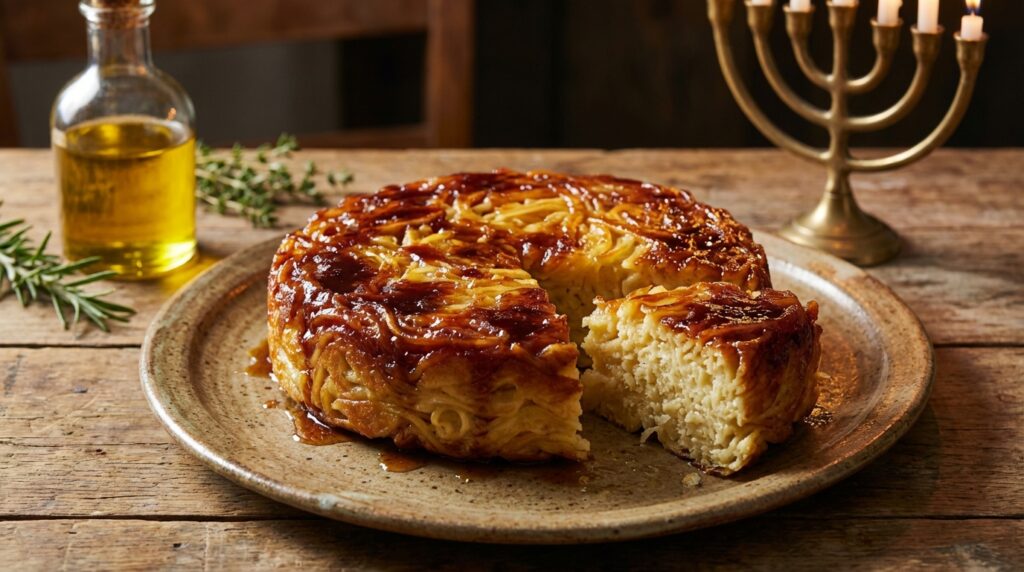
Image illustrating:Sweet and Savory Kugel for Rosh Hashanah Celebrations

Sweet and Savory Kugel for Rosh Hashanah Celebrations

The origins of kugel trace back to medieval Germany, where Jewish communities adapted local noodle and pudding dishes into something uniquely their own. Over time, this humble dish evolved, incorporating regional ingredients and flavors. In Eastern Europe, sweet kugels became especially popular, often made with raisins, cinnamon, and sugar to symbolize a sweet new year. For many families, kugel is more than just a side dish—it’s a cherished memory of grandmothers cooking in warm kitchens, of laughter and stories shared around the holiday table. The sweet aroma of baked noodles and cinnamon evokes a deep sense of comfort and belonging,...
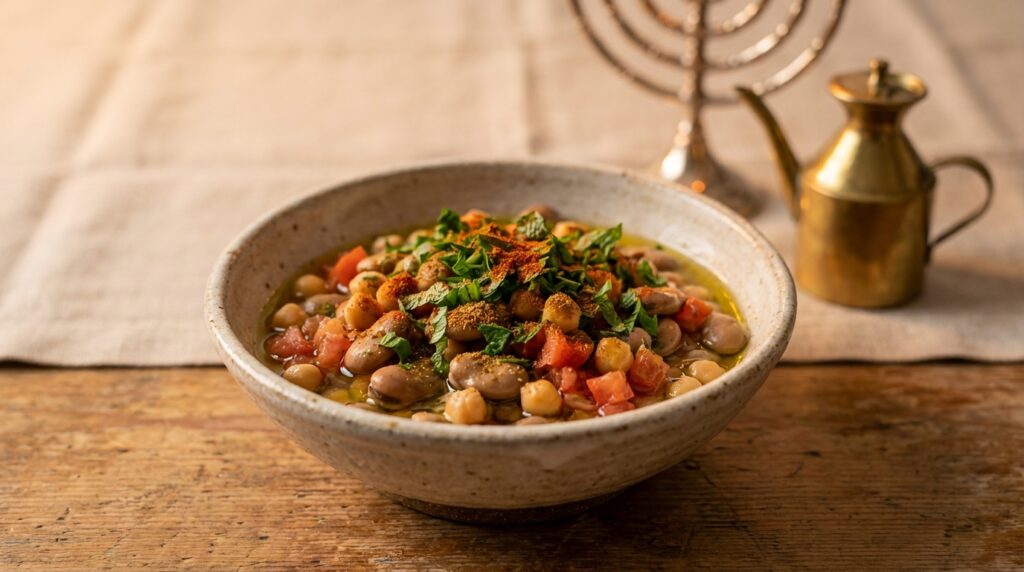
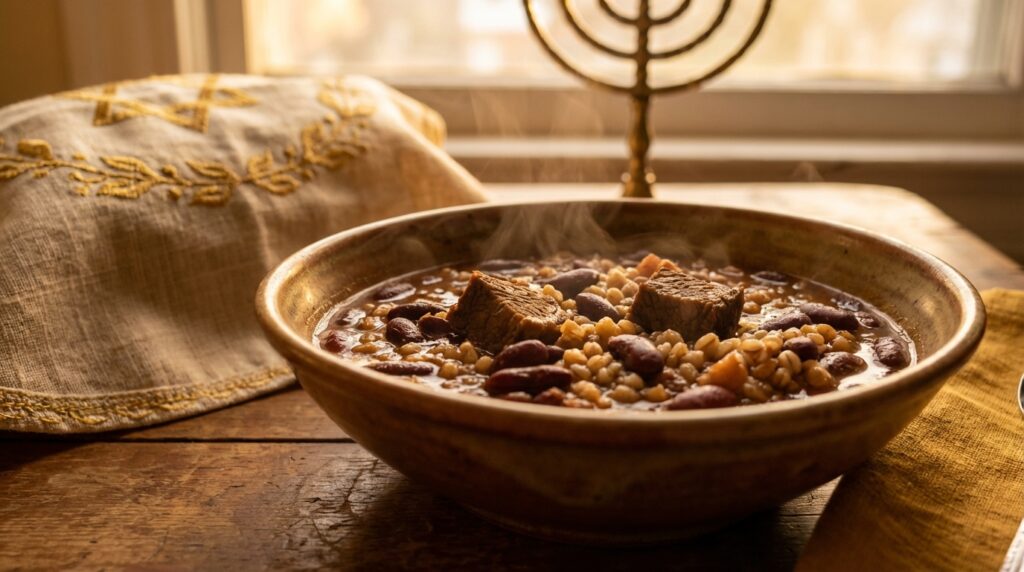
Image illustrating:A Warm and Hearty Sephardic Cholent for Shabbat

A Warm and Hearty Sephardic Cholent for Shabbat

The origins of Sephardic cholent trace back to the Jewish communities of Spain and North Africa. As these communities observed the commandment to rest on Shabbat, they developed creative ways to prepare meals in advance. Cholent, known in some Sephardic circles as hamin, became a staple. It was designed to cook slowly overnight, allowing families to enjoy a hot meal on Shabbat day without violating the laws of rest. Unlike the Ashkenazi version, which often features barley and potatoes, Sephardic cholent incorporates rice, chickpeas, and a variety of spices. Each family had its own version, influenced by the local ingredients...
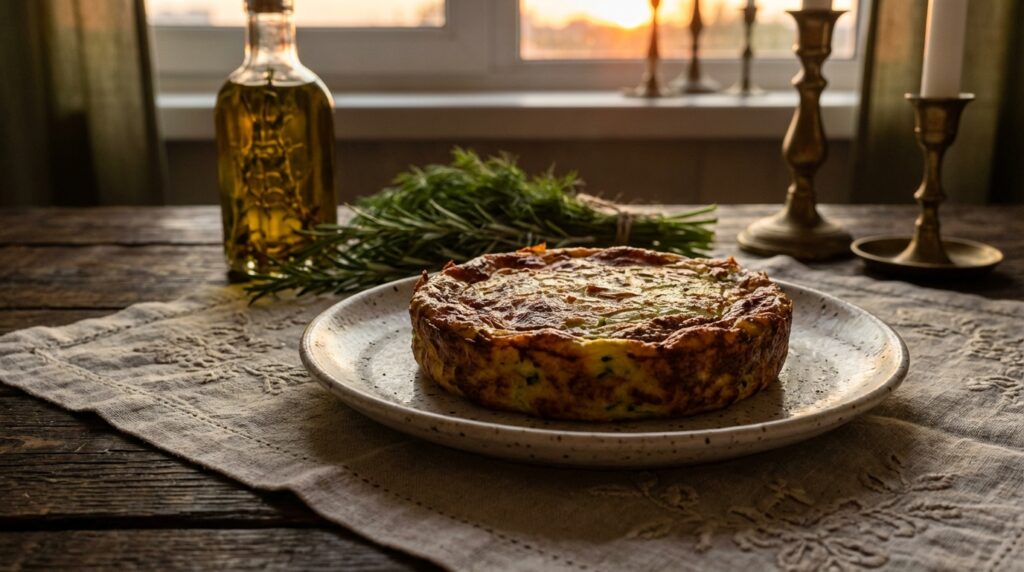
Image illustrating:Savory Zucchini Kugel for Your Passover Table

Savory Zucchini Kugel for Your Passover Table

Kugel has long been a staple in Ashkenazi Jewish kitchens, especially during holidays like Passover. Traditionally made with potatoes or noodles, kugel is a baked casserole that can be either sweet or savory. Its origins trace back to Eastern Europe, where Jewish communities adapted local ingredients into comforting, filling dishes that could feed large families. During Passover, when leavened grains are avoided, families often turn to potato-based kugels. However, as culinary tastes evolve and health-conscious choices become more common, zucchini has emerged as a popular alternative. Its mild flavor and tender texture make it a perfect base for a kugel...
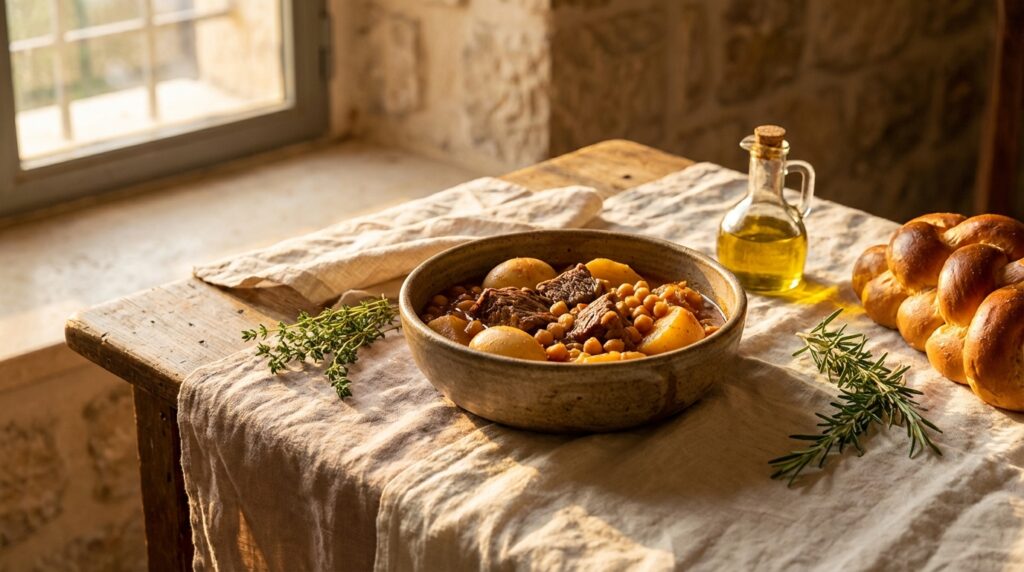
Image illustrating:Hearty Hungarian Cholent from Ashkenazi Traditions

Hearty Hungarian Cholent from Ashkenazi Traditions

Cholent, known as ‘shalet’ in Hungarian Jewish communities, was born out of the need to honor Shabbat while still enjoying a warm meal. Since cooking is not permitted on Shabbat, Jewish families developed this slow-cooked dish that could be prepared before sundown on Friday and left to simmer overnight. The result is a deeply flavorful stew that embodies both tradition and practicality. In Hungary, cholent took on unique characteristics influenced by local ingredients and tastes. Paprika, a staple in Hungarian cuisine, often found its way into the pot, lending a gentle warmth and color to the dish. The use of...

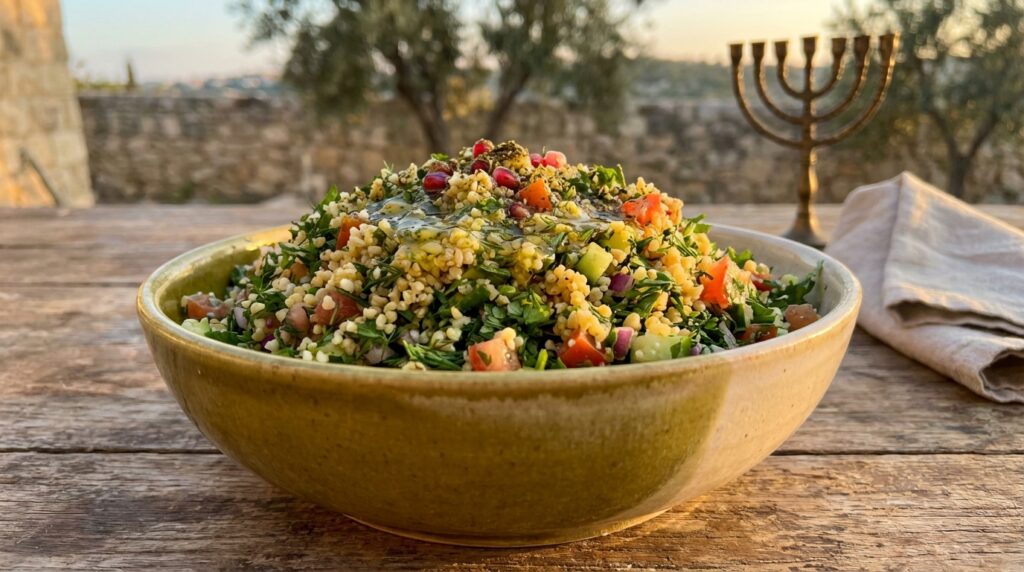
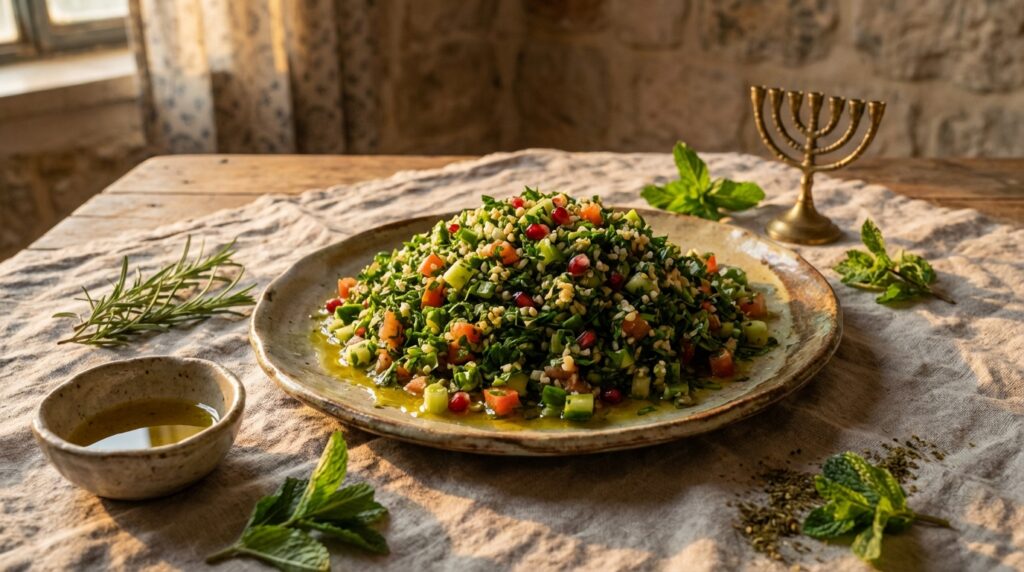
Fresh Israeli Salads

Fresh Israeli salads are more than just side dishes—they're a celebration of color, crunch, and culture. Bursting with ripe tomatoes, crisp cucumbers, and fragrant herbs, these salads bring the warmth of Israeli kitchens to your table. Whether you're preparing a light lunch or adding brightness to your dinner, these simple, wholesome recipes connect you to the heart of Israel through every bite.