Butternut Squash and Rice Delight
15 March 09:51
357

The history of Persian rice dates back centuries, with its origins deeply rooted in the culinary traditions of Iran. This dish is not just a staple but a symbol of hospitality and celebration. Persian rice is often served during special occasions, showcasing the rich cultural heritage of the region.
The art of making Persian rice involves a meticulous process that transforms simple grains into a culinary masterpiece. The key is in the preparation, where rice is soaked and then parboiled, allowing each grain to remain separate and fluffy. This technique is a testament to the skill and patience of Persian cooks.
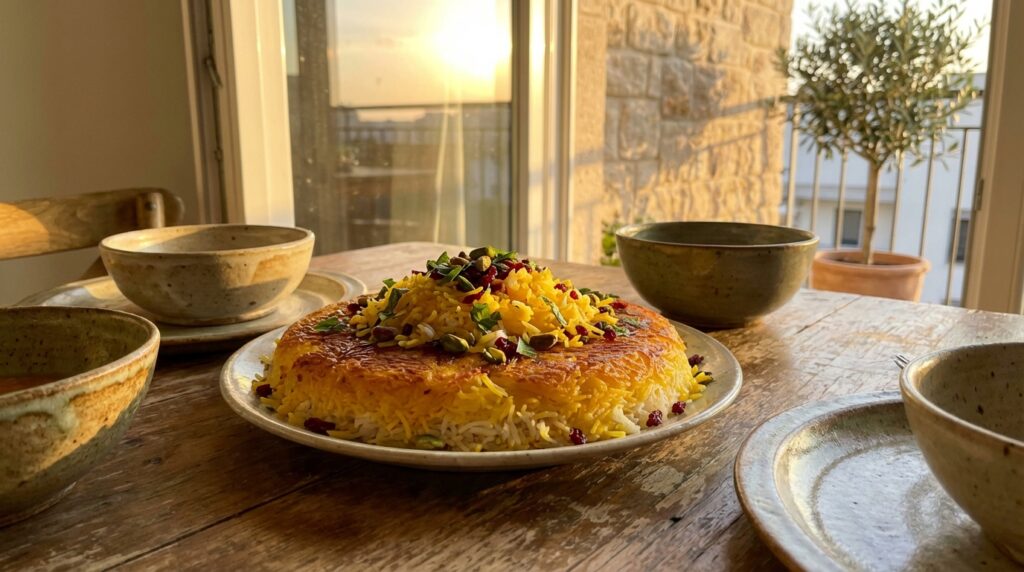
One of the most beloved aspects of Persian rice is the ‘tahdig,’ a crispy layer formed at the bottom of the pot. This golden crust is achieved by cooking the rice over low heat, creating a delightful contrast in texture. Tahdig is often considered the highlight of the meal, eagerly anticipated by diners.
In Persian households, rice is often accompanied by a variety of herbs and spices, enhancing its flavor profile. Saffron, a prized spice, is frequently used to give the rice its distinctive golden hue. This combination of ingredients reflects the diverse influences that have shaped Persian cuisine over the centuries.
The preparation of Persian rice is often a communal activity, bringing families together in the kitchen. This tradition of cooking and sharing meals is an integral part of Persian culture, fostering a sense of community and connection. The process is as much about the journey as it is about the final dish.
Throughout history, Persian rice has been celebrated in poetry and literature, symbolizing abundance and prosperity. Its presence at the table is a reminder of the rich agricultural heritage of Iran, where rice fields stretch across the landscape, providing sustenance and livelihood to many.
In modern times, Persian rice has gained international recognition, appreciated for its unique flavors and textures. Chefs around the world have embraced this dish, incorporating it into their menus and introducing it to new audiences. Its versatility allows it to complement a wide range of dishes, from stews to grilled meats.
The enduring popularity of Persian rice is a testament to its timeless appeal. Whether enjoyed in a traditional setting or as part of a contemporary meal, it remains a beloved staple in Middle Eastern cuisine. Its ability to bring people together and create lasting memories is what makes it truly special.
As you embark on your own journey to create Persian rice, remember that each step is an opportunity to connect with a rich culinary tradition. Embrace the process, savor the flavors, and share the experience with loved ones. In doing so, you become part of a legacy that spans generations.