
Majadra: A Heartwarming Middle Eastern Rice Dish
15 March 09:54
343
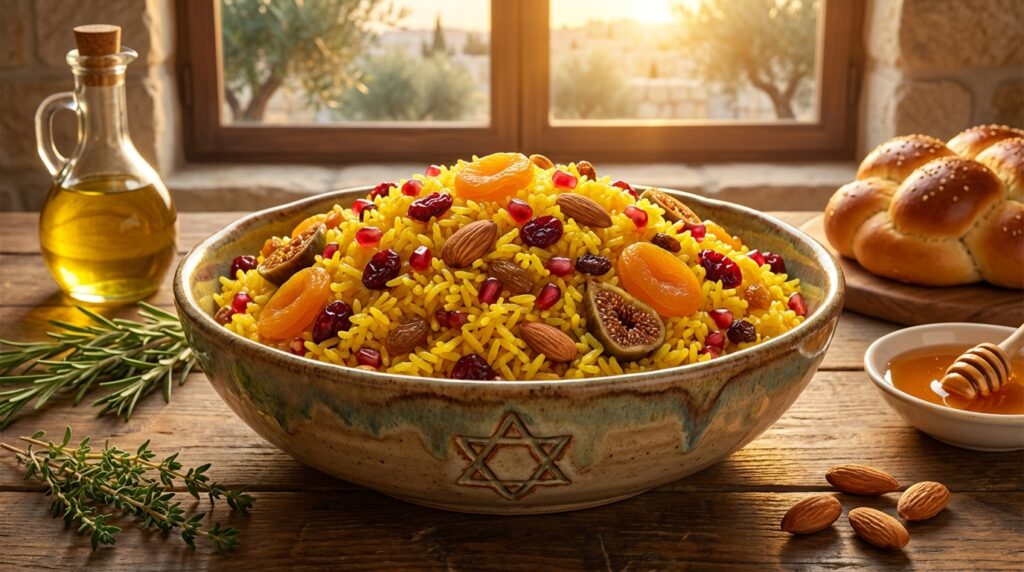

The origins of this dish trace back to ancient times when rice was a symbol of abundance and prosperity. Families would gather to prepare this dish, infusing it with spices and fruits that represented sweetness and hope for the new year.
Over the centuries, the recipe has evolved, with each family adding their unique touch. Some might include nuts for added texture, while others prefer a hint of citrus to brighten the flavors. Despite these variations, the core essence remains the same: a dish that brings people together.
In many communities, Rosh Hashanah rice is more than just food; it’s a way to connect with heritage and pass down traditions. The act of preparing and sharing this dish is a meaningful ritual, fostering a sense of belonging and continuity.
Rice, being a staple in many cultures, serves as a canvas for creativity. The addition of dried fruits like raisins or apricots introduces a natural sweetness, while spices such as cinnamon and cardamom add warmth and depth. This harmonious blend of flavors is what makes Rosh Hashanah rice so special.
During the holiday, families often gather around the table, sharing stories and laughter as they enjoy this beloved dish. It’s a time to reflect on the past year and set intentions for the future, with each bite serving as a reminder of the blessings and challenges that shape our lives.
The preparation of Rosh Hashanah rice is often a communal activity, with family members of all ages contributing. From washing the rice to chopping the fruits, each step is an opportunity to bond and create lasting memories.
While traditionally served during the Jewish New Year, this rice dish has found its way into other celebrations and gatherings. Its universal appeal lies in its ability to bring warmth and comfort, making it a favorite for many occasions.
The dish’s adaptability allows for endless variations, encouraging cooks to experiment with different ingredients and techniques. Whether it’s adding a splash of rose water or a sprinkle of pomegranate seeds, each version tells its own story.
Ultimately, Rosh Hashanah rice is a celebration of life, love, and community. It’s a dish that transcends time and place, reminding us of the importance of tradition and the joy of sharing a meal with loved ones.