
Heartwarming Poppy Seed Noodles Recipe
7 March 15:02
305
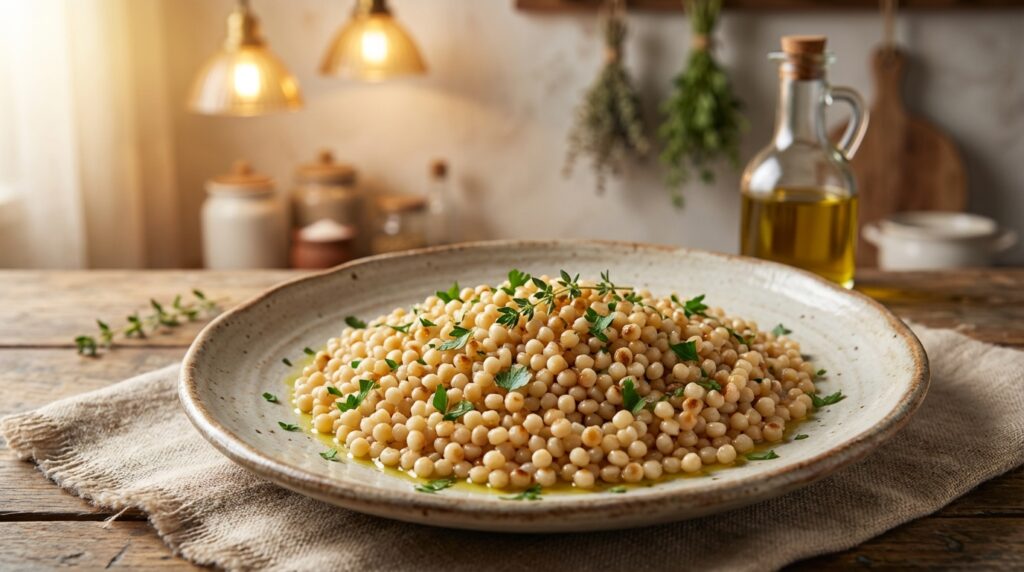

Originating from Eastern Europe, pasta pellets, also known as ‘ptitim’ or ‘Israeli couscous,’ have found their way into many Jewish homes. These small, round pasta shapes are often used in soups and stews, providing a hearty and comforting addition to meals. Their versatility and ease of preparation have made them a staple in Jewish cooking.
The introduction of pasta pellets to Israeli cuisine dates back to the early 1950s. During this time, the country faced a rice shortage, prompting the development of a rice substitute. Pasta pellets quickly gained popularity, not only as a substitute but as a beloved dish in its own right. Their unique texture and ability to absorb flavors made them a favorite among families.
In Jewish culture, food is often a reflection of tradition and community. Pasta pellets are no exception, often served during family gatherings and celebrations. They symbolize warmth and togetherness, bringing people closer through shared meals. Whether served as a side dish or the main attraction, pasta pellets hold a special place in Jewish culinary traditions.
In modern kitchens, pasta pellets have transcended their traditional uses. Chefs and home cooks alike have embraced their versatility, incorporating them into salads, casseroles, and even desserts. Their ability to complement a wide range of ingredients makes them a favorite for creative culinary experiments.
The global popularity of pasta pellets has also led to variations in their preparation. While traditionally boiled, they can also be toasted for a nutty flavor or baked into dishes for added texture. This adaptability has ensured their place in contemporary cuisine, appealing to diverse tastes and preferences.
Despite their evolution, pasta pellets remain a symbol of comfort and nostalgia for many. They evoke memories of family meals and cultural heritage, connecting generations through the simple act of sharing food. As they continue to evolve, pasta pellets maintain their status as a cherished component of Jewish culinary identity.
For many Jewish families, pasta pellets are more than just a dish; they are a link to the past. Passed down through generations, recipes for pasta pellets carry stories of ancestors and traditions. Each preparation is a tribute to those who came before, preserving cultural heritage through the art of cooking.
The communal aspect of preparing and enjoying pasta pellets is also significant. In many households, making pasta pellets is a family affair, with each member contributing to the process. This shared experience fosters a sense of belonging and unity, reinforcing the importance of family bonds.
As pasta pellets continue to be a part of Jewish culinary traditions, they serve as a reminder of the resilience and adaptability of the culture. They embody the spirit of innovation and creativity, transforming simple ingredients into beloved dishes that nourish both body and soul.