Lebanese Zucchini Salad: A Fresh Israeli Delight
4 March 11:49
519
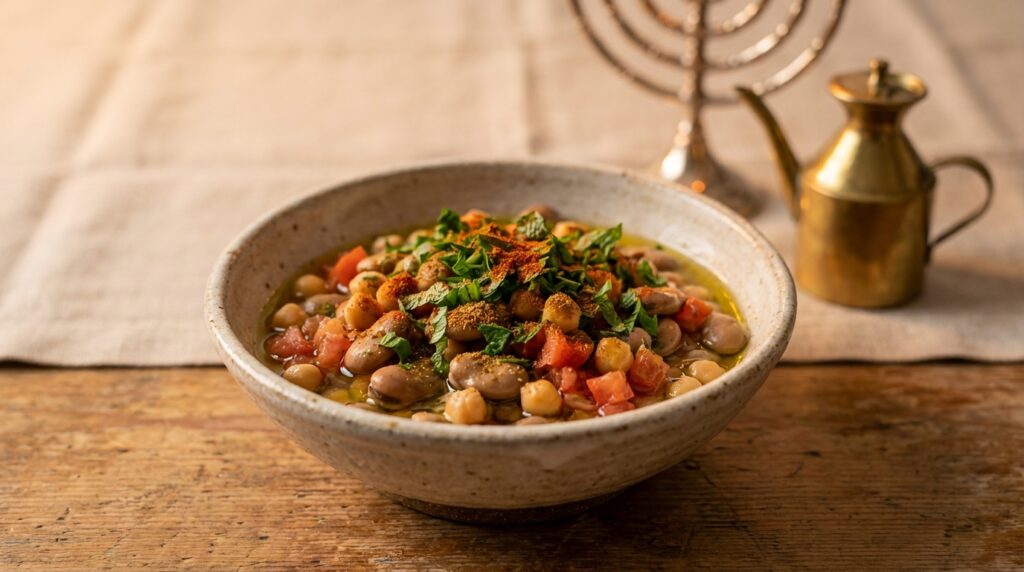

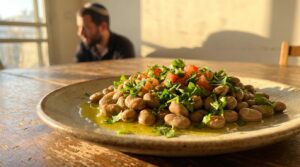
Originating from the Middle East, foul salad has been a staple in Israeli households for generations. Its main ingredient, fava beans, is celebrated for its nutritional benefits and versatility. Traditionally, this salad is enjoyed as a refreshing side dish, perfect for warm weather.
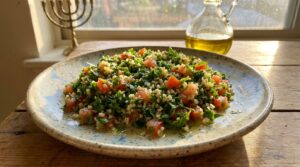
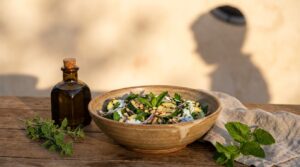
The preparation of foul salad is a cherished tradition, often passed down through families. Each household may have its own variation, adding unique touches to the classic recipe. The salad typically includes fresh vegetables like tomatoes, cucumbers, and onions, all finely chopped to create a vibrant mix.
Spices play a crucial role in enhancing the flavors of foul salad. Commonly used spices include cumin, sumac, and paprika, which add depth and warmth to the dish. The salad is usually dressed with olive oil and lemon juice, providing a tangy and aromatic finish.
In many Israeli communities, foul salad is more than just a dish; it represents a connection to tradition and family. It is often served during gatherings and celebrations, bringing people together over shared meals. The salad’s simplicity and freshness make it a favorite among both locals and visitors.
The popularity of foul salad has spread beyond Israel, with variations appearing in different cuisines around the world. Its adaptability allows it to be paired with various main courses, from grilled meats to vegetarian options. This versatility has contributed to its enduring appeal.
As more people discover the joys of Israeli cuisine, foul salad continues to gain recognition for its delicious taste and health benefits. It is a testament to the rich culinary traditions of the region, offering a taste of Israel’s vibrant food culture.
The health benefits of foul salad are numerous, making it a popular choice for those seeking a balanced diet. Fava beans, the star ingredient, are rich in protein and fiber, supporting digestive health and providing sustained energy. The fresh vegetables add essential vitamins and minerals, contributing to overall well-being.
Incorporating foul salad into your meals is an easy way to enjoy a nutritious and flavorful dish. Whether served as a side or a main course, it offers a satisfying and wholesome option for any occasion. Its vibrant colors and refreshing taste make it a delightful addition to any table.
For those looking to explore Israeli cuisine, foul salad is an excellent starting point. Its simple preparation and delicious flavors make it accessible to cooks of all skill levels. By trying this traditional dish, you can experience a piece of Israel’s rich culinary heritage in your own home.