Savor the Sweet and Tangy Delight of Sour Cherry Rice
17 March 08:43
288
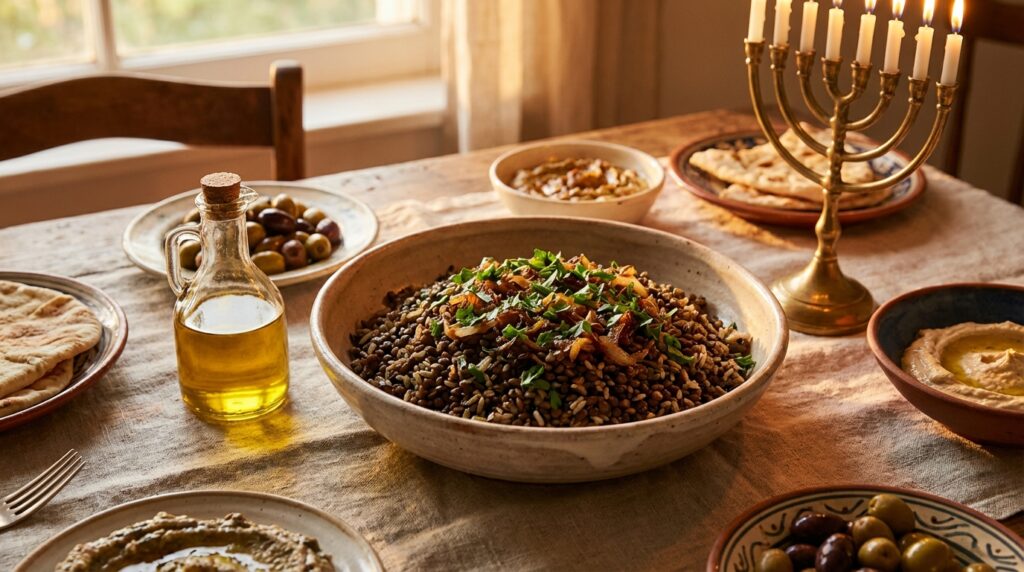

The origins of Majadra can be traced back to ancient times, where it was a common dish among various Middle Eastern communities. Its simplicity and nutritional value made it a favorite among families. Traditionally, it was prepared with rice, lentils, and a variety of spices, creating a comforting and hearty meal.
In many Middle Eastern households, Majadra is more than just a dish; it is a symbol of home and family gatherings. Passed down through generations, each family has its own unique twist on the recipe, often influenced by local ingredients and personal tastes.
The dish is also known for its versatility. While the basic ingredients remain the same, variations can be found across different regions. Some might add caramelized onions, while others prefer a spicier version with additional herbs and spices. This adaptability has allowed Majadra to remain a beloved dish throughout the centuries.
In modern times, Majadra has gained popularity beyond the Middle East, as people around the world discover its delicious flavors and health benefits. It is often featured in vegetarian and vegan diets, appreciated for its plant-based protein and satisfying texture.
The dish’s popularity has also been boosted by the growing interest in Middle Eastern cuisine globally. Food enthusiasts are drawn to its rich flavors and the cultural stories behind it. Majadra is often featured in cookbooks and food blogs, showcasing its timeless appeal.
For many, cooking Majadra is a way to connect with their heritage and share a piece of their culture with others. It is a dish that brings people together, whether at a family dinner or a community gathering, celebrating the rich culinary traditions of the Middle East.
The combination of rice and lentils in Majadra provides a complete protein, making it a nutritious choice for those seeking a balanced diet. The spices used in the dish, such as cumin and coriander, not only add flavor but also offer various health benefits, including aiding digestion and boosting immunity.
Cooking Majadra is a straightforward process, yet it requires patience and attention to detail to achieve the perfect balance of flavors. The lentils must be cooked just right, and the rice should be fluffy and well-seasoned. The addition of caramelized onions adds a sweet and savory depth to the dish.
Whether enjoyed as a main course or a side dish, Majadra is a versatile and satisfying meal. Its rich history and cultural significance make it more than just food; it is a connection to the past and a celebration of Middle Eastern culinary heritage.