Lev Haolam logo – Israel gift box company
Join now
Lev Haolam
  • Home
  • To The Top
  • Who We Are?
  • How It Work
  • Membership
  • Our Boxes
  • Testimonials
  • FAQ
  • Blog
    • Articles
    • Recipes
    • Gift Boxes
  • Career
Log In
Join now
Log In
Join now
  1. Home
  2. Recipes
  3. Israeli Sweets and Desserts

Explore the Sweet World of Israeli Desserts

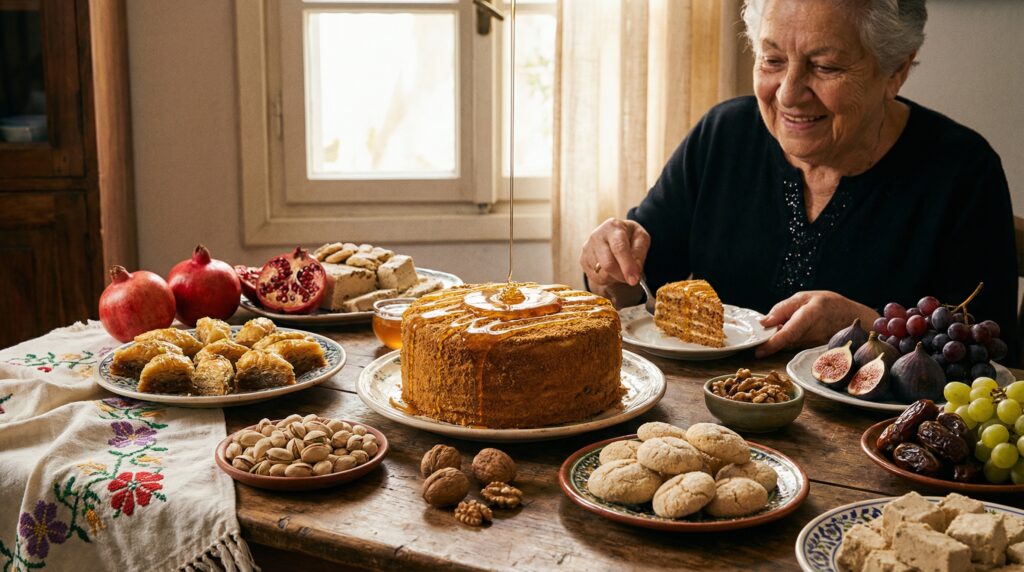
Dive into the rich and diverse world of Israeli sweets and desserts. Each recipe tells a story of tradition and love, connecting you to the heart of Israel. From honey-drenched pastries to nutty delights, these treats are perfect for sharing and celebrating with loved ones. Enjoy the warmth and sweetness of Israeli culture with every bite.
Image illustrating:Classic Ashkenazi Kugel Recipe
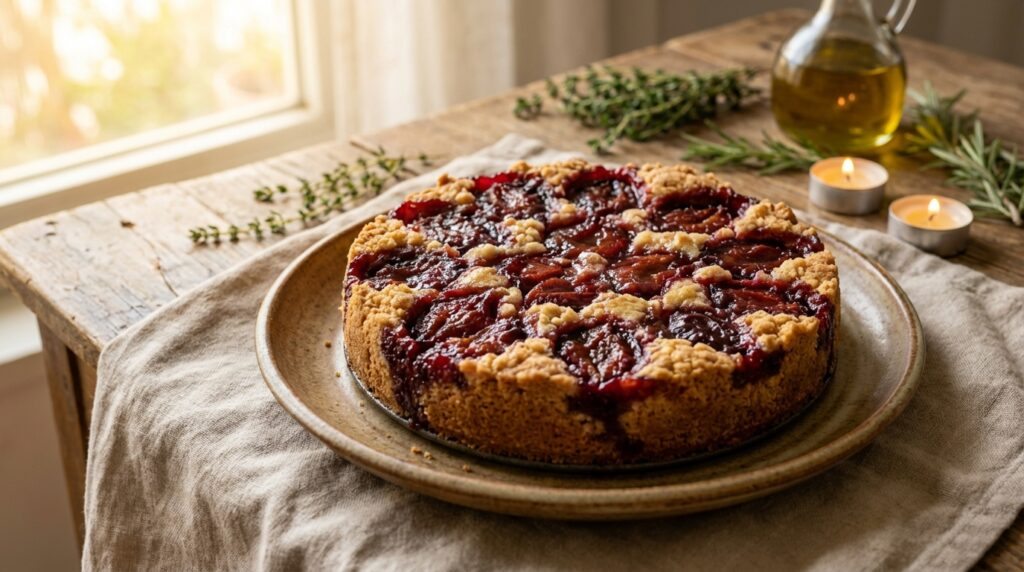
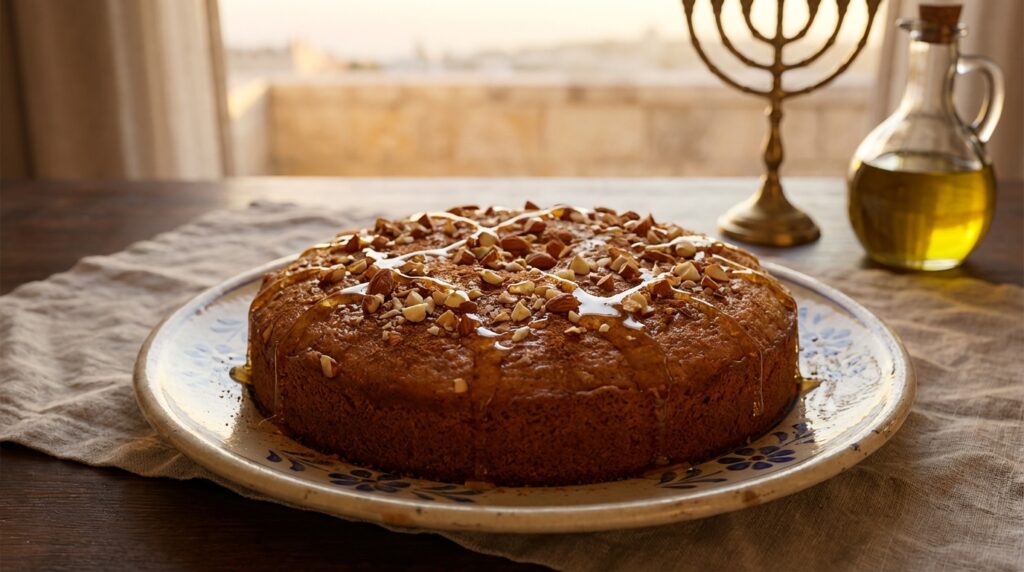
Image illustrating:Delicious Plum Jam Cake Recipe

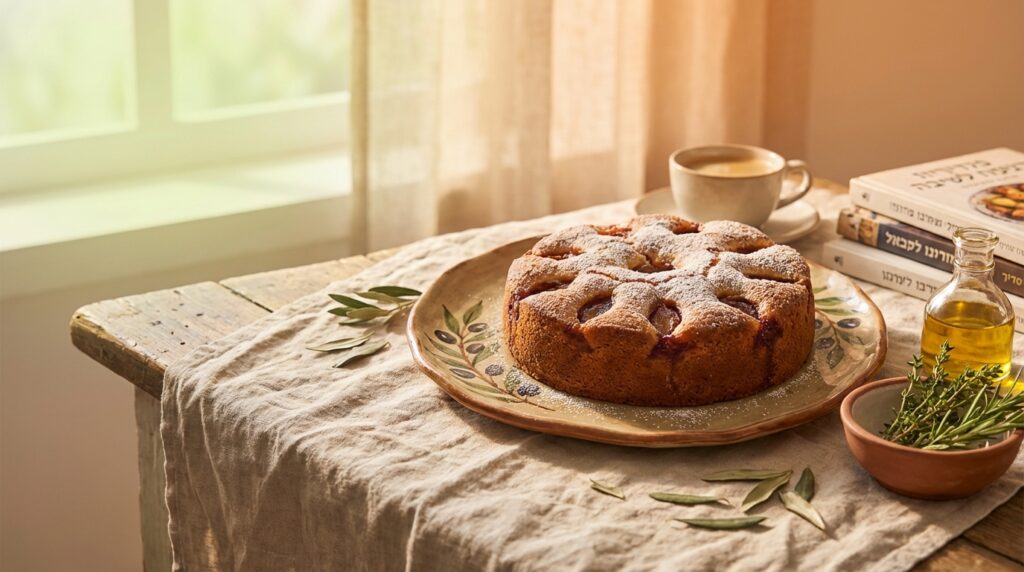
Plum Jam Cake Recipe 2026

Originating from the diverse culinary traditions of Israel, Plum Jam Cake combines the sweetness of ripe plums with the comforting texture of a homemade cake. This dessert has been a staple in family gatherings, offering a taste of nostalgia with every bite. The use of plum jam not only adds flavor but also a beautiful color, making it a visually appealing centerpiece for any table. The history of Plum Jam Cake is intertwined with the agricultural richness of Israel. Plums, which thrive in the Israeli climate, have been used in various forms of cooking and baking for generations. This cake...
Show more
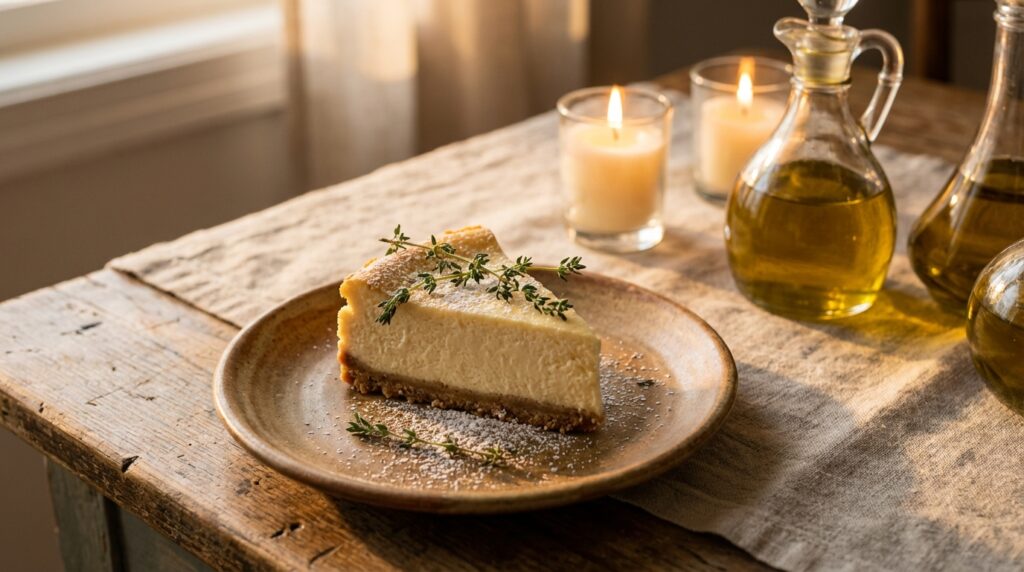
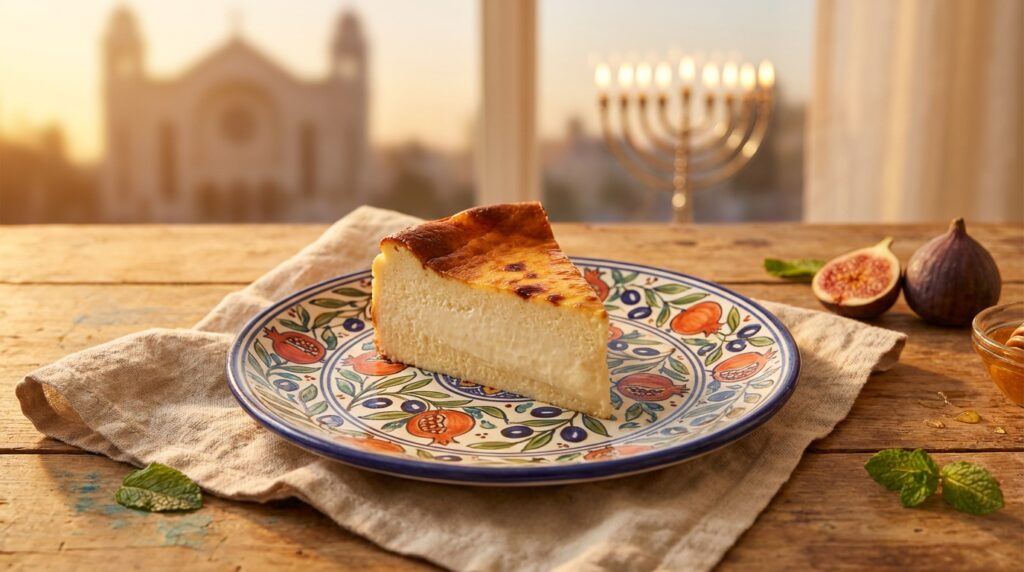
Image illustrating:Delicious Israeli Cheesecake Recipe

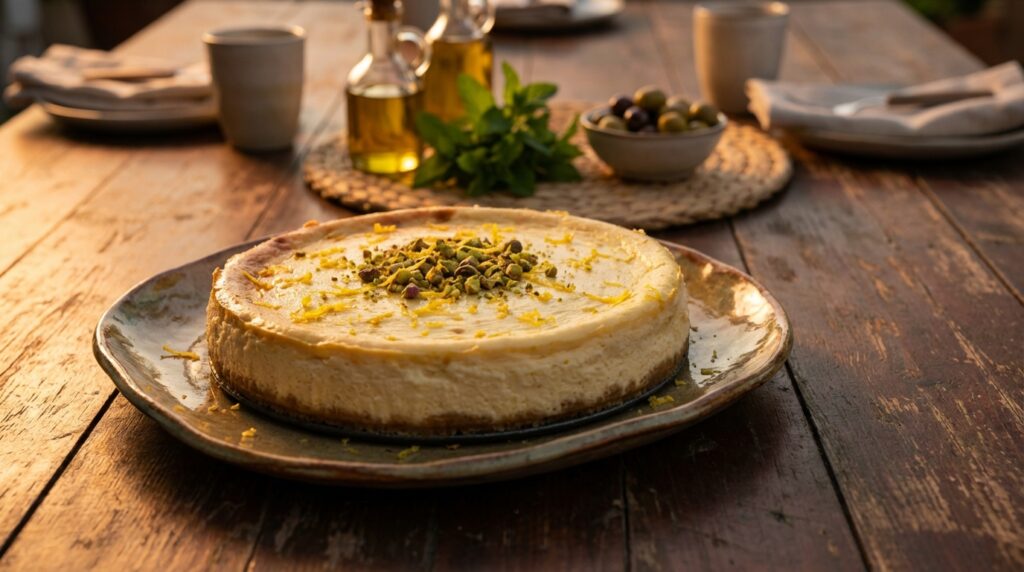
Israeli Cheesecake Recipe 2026

The origins of Israeli cheesecake can be traced back to Eastern European Jewish communities, where dairy-based desserts were a staple. Over time, the recipe evolved, incorporating local ingredients and flavors, resulting in the distinct cheesecake we enjoy today. In Israel, cheesecake is often enjoyed during the holiday of Shavuot, a festival that celebrates the giving of the Torah and is traditionally associated with dairy foods. This cultural connection adds a layer of significance to the dessert, making it a cherished part of Israeli culinary traditions. The use of fresh, local ingredients such as citrus fruits and creamy cheeses gives Israeli...
Show more
Image illustrating:Indulge in the Creamy Delight of Israeli Cheesecake

Israeli Cheesecake

The origins of Israeli cheesecake can be traced back to the early settlers who brought their culinary traditions from Europe. Over time, the recipe evolved, incorporating local ingredients and flavors, making it a beloved dessert in Israeli households. Cheesecake in Israel is often made with soft white cheese, which gives it a distinct texture compared to the American version. This cheese is a staple in many Israeli kitchens, used not only in desserts but also in savory dishes. The dessert is traditionally served during Shavuot, a Jewish holiday that celebrates the harvest of the first fruits. Cheesecake has become a...
Show more
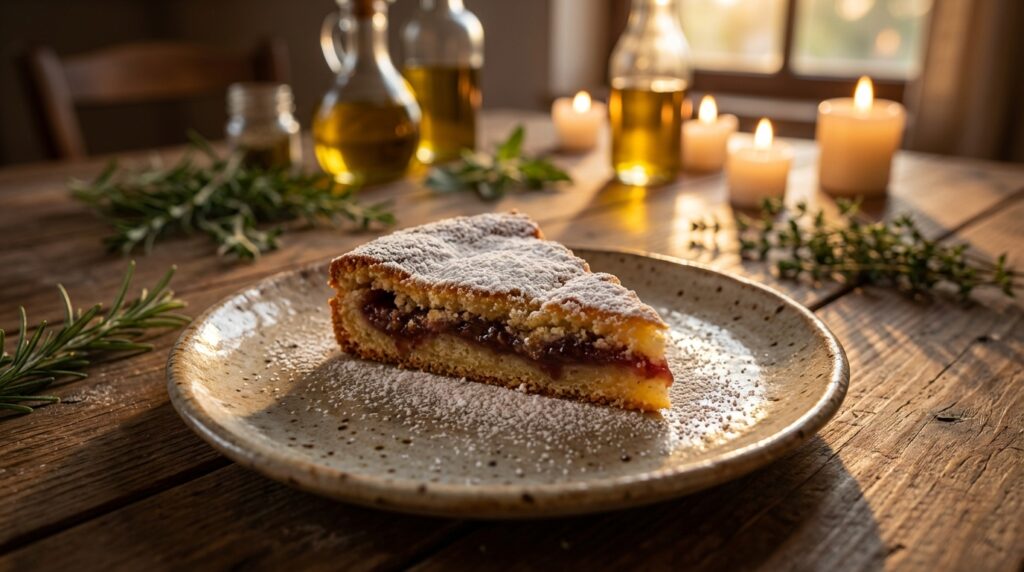
Image illustrating:Delicious Plum Jam Cake from Israeli Kitchens

Delicious Plum Jam Cake from Israeli Kitchens

The origins of plum jam cake can be traced back to the early settlers in Israel who brought with them a love for simple, yet flavorful desserts. The abundance of plums in the region made it a natural choice for creating a sweet jam that could be used in various dishes. Over time, the recipe evolved, incorporating local ingredients and flavors, becoming a staple in Israeli dessert culture. In many Israeli families, plum jam cake is more than just a dessert; it is a symbol of togetherness and tradition. Passed down through generations, the recipe is often shared during family...
Show more
Image illustrating:Indulge in the Sweetness of Plum Jam Cake

Indulge in the Sweetness of Plum Jam Cake

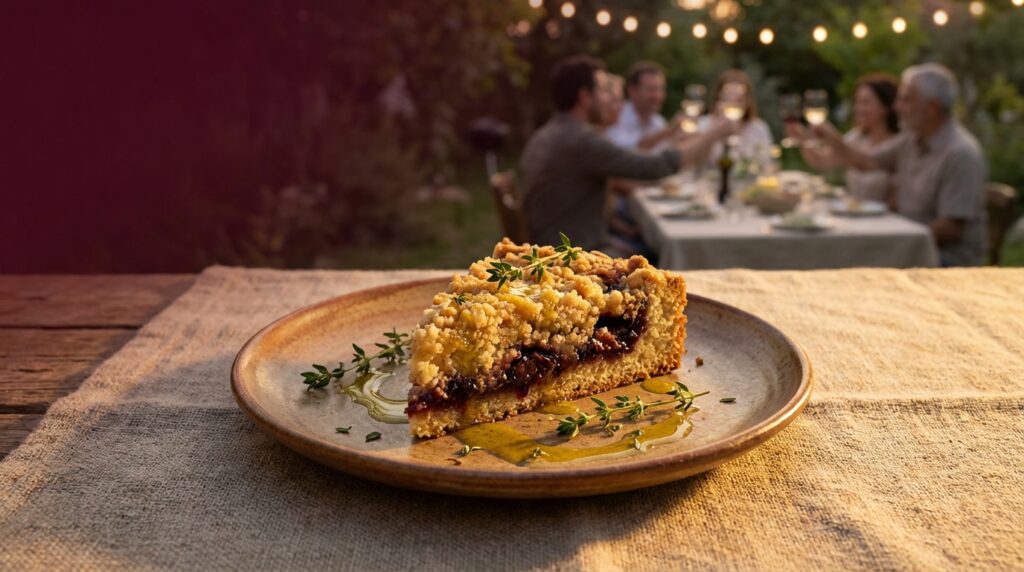
The origins of plum jam cake can be traced back to the early settlers in Israel who sought to create a dessert that utilized the abundant plums in the region. The combination of sweet jam and moist cake quickly became a favorite among families. Plums have been cultivated in Israel for centuries, and their sweet, juicy nature makes them perfect for jams and desserts. The cake itself is a testament to the resourcefulness of Israeli cooks who made the most of local ingredients. Over time, the recipe for plum jam cake has evolved, with each family adding their unique touch....
Show more
Image illustrating:Savor the Sweetness of Plum Jam Cake

Savor the Sweetness of Plum Jam Cake

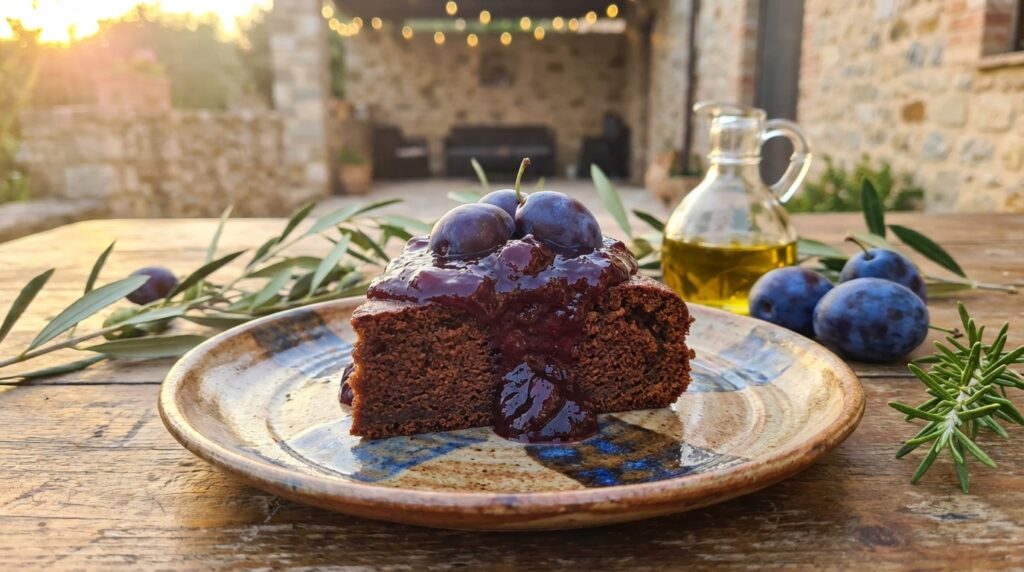
Originating from the abundance of plums in the region, this cake has become a staple in Israeli cuisine. Families often gather to make homemade plum jam, which is then used to create this delightful dessert. The tradition of making plum jam cake is passed down through generations, symbolizing love and togetherness. The process of making plum jam is an event in itself, often involving the whole family. From picking the ripest plums to stirring the bubbling pot of jam, each step is filled with anticipation and joy. The aroma of simmering plums fills the home, creating a warm and inviting...
Show more
Image illustrating:Delicious Israeli Cheesecake Recipe

Delicious Israeli Cheesecake Recipe

Originating in the kitchens of Jewish communities, Israeli cheesecake combines the richness of cream cheese with the lightness of whipped egg whites. This blend creates a fluffy yet creamy dessert that has become a staple in Israeli households. Traditionally, it is enjoyed during Shavuot, a Jewish holiday that celebrates the harvest and the giving of the Torah. The use of dairy in Israeli cheesecake is symbolic, as Shavuot is a time when dairy foods are traditionally consumed. This custom is linked to the biblical land of milk and honey, representing abundance and prosperity. Over time, the recipe has evolved, incorporating...
Show more
Image illustrating:Authentic Israeli Cheesecake Delight

Authentic Israeli Cheesecake Delight

The origins of Israeli cheesecake trace back to the early settlers who adapted European recipes using local ingredients. This adaptation led to a unique version that is lighter and less sweet than its counterparts. The use of soft white cheese, a staple in Israeli kitchens, gives it a distinct texture and flavor that sets it apart. Over the years, Israeli cheesecake has become a symbol of celebration and hospitality. It is often served during festive occasions and family gatherings, bringing people together to enjoy its creamy goodness. The simplicity of its ingredients reflects the resourcefulness of Israeli cooks who make...
Show more
Image illustrating:Authentic Israeli Cheesecake Delight

Authentic Israeli Cheesecake Delight

The origins of Israeli cheesecake can be traced back to the early settlers who brought their culinary traditions to the land. Over time, these recipes evolved, incorporating local ingredients like fresh citrus and creamy cheeses. This fusion created a dessert that is both familiar and distinctively Israeli. In Israel, cheesecake is more than just a dessert; it’s a symbol of celebration and togetherness. Often served during festive occasions, it brings families and friends together, creating memories that last a lifetime. The preparation itself is a communal activity, with each family adding their own twist to the traditional recipe. The use...

Show more
Image illustrating:Indulge in the Creamy Delight of Israeli Cheesecake

Indulge in the Creamy Delight of Israeli Cheesecake

The origins of Israeli cheesecake can be traced back to the diverse culinary influences in Israel. With a mix of European and Middle Eastern flavors, this dessert has become a staple in many Israeli households. The use of fresh, local ingredients adds a unique twist to the traditional cheesecake, making it a favorite for both locals and visitors. Cheesecake in Israel is often made with soft white cheese, which gives it a distinct taste compared to American versions. This cheese, combined with a hint of lemon and vanilla, creates a refreshing yet indulgent flavor profile. The crust is typically made...

Show more
Image illustrating:Traditional Plum Jam Cake Delight

Traditional Plum Jam Cake Delight

Originating from the abundance of plums in the region, this cake became a staple in many households. The sweet and tangy flavor of the plum jam perfectly complements the soft, moist cake, creating a harmonious blend of textures and tastes. In Israel, plums are often harvested in the late summer, and families gather to make jam, preserving the fruit’s vibrant flavors for the colder months. This tradition of jam-making has been passed down through generations, each family adding their unique twist to the recipe. The cake itself is a simple yet elegant dessert, often served during family gatherings and festive...
Show more
Image illustrating:Creamy Delight: Israeli Cheesecake Recipe

Creamy Delight: Israeli Cheesecake Recipe

The origins of Israeli cheesecake can be traced back to the early days of the country, where local ingredients were adapted to create familiar dishes. The use of soft cheese, such as Tnuva, became a staple, providing a lighter alternative to the heavier cream cheese used in other regions. Over the years, Israeli cheesecake has evolved, incorporating influences from various immigrant communities. Each group brought its own twist, adding unique flavors and techniques. This fusion of cultures has enriched the dessert, making it a symbol of unity and diversity. Today, Israeli cheesecake is enjoyed not only in Israel but around...
Show more
Image illustrating:Creamy Israeli Cheesecake Delight

Creamy Israeli Cheesecake Delight

Originating from Eastern European influences, Israeli cheesecake has become a staple in many households. Its creamy texture and subtle sweetness make it a favorite for celebrations and family gatherings. Unlike traditional cheesecakes, this version often incorporates a hint of lemon zest, adding a refreshing flavor that complements the rich creaminess. The introduction of this dessert to Israel brought about a fusion of flavors. The use of local ingredients like fresh cheese and yogurt gives it a distinct taste that sets it apart from other cheesecakes. Over time, it has evolved to include various toppings, from fresh fruits to chocolate drizzles,...
Show more
Image illustrating:Traditional Israeli Cheesecake Delight

Traditional Israeli Cheesecake Delight

The origins of Israeli cheesecake can be traced back to the early 20th century when Jewish immigrants brought their culinary traditions to the region. Over time, the recipe evolved, incorporating local ingredients and flavors, resulting in the unique dessert we know today. This cheesecake is not only a treat but also a symbol of cultural fusion and adaptation. In Israel, cheesecake is often enjoyed during Shavuot, a Jewish holiday that celebrates the giving of the Torah. It is customary to eat dairy products during this festival, making cheesecake a popular choice. The tradition of eating dairy on Shavuot is linked...
Show more
Image illustrating:Delicious Plum Jam Cake from Israeli Kitchens

Delicious Plum Jam Cake from Israeli Kitchens

The origins of plum jam cake can be traced back to the early settlers in Israel who used local ingredients to create comforting desserts. Plums, abundant in the region, were often turned into jam, which became a staple in many households. The cake itself is a testament to the resourcefulness and creativity of these early communities. Over the years, the recipe has evolved, incorporating various spices and techniques from different cultures that have influenced Israeli cuisine. Today, plum jam cake is not only a dessert but a symbol of the rich tapestry of flavors that define Israeli cooking. It is...
Show more
Image illustrating:Light and Fluffy Israeli Cheesecake to Share with Loved Ones

Light and Fluffy Israeli Cheesecake to Share with Loved Ones

This cheesecake style grew from home kitchens in Israel, where families cherished the soft, whipped texture that felt both light and indulgent. It became a symbol of comfort and celebration, especially during the festival of Shavuot when dairy dishes are traditionally served. Over time, bakers and home cooks added creative touches—crumb bases, fruit toppings, and even knafeh-inspired versions—while keeping the core of soft cheese and whipped cream intact. The result is a dessert that feels both familiar and delightfully surprising. Today, Israeli cheesecake appears in cafés and bakeries across the country, each with its own twist—some topped with berries, others...
Show more
Image illustrating:Delightful Israeli Cheesecake Experience

Delightful Israeli Cheesecake Experience

The origins of Israeli cheesecake can be traced back to the early settlers who brought their culinary traditions to the land. Over time, these recipes evolved, incorporating local ingredients and flavors. The result is a cheesecake that is both familiar and unique, offering a taste of Israel’s rich culinary heritage. In Israel, cheesecake is often enjoyed during festive occasions and family gatherings. It symbolizes celebration and togetherness, bringing people together over a shared love for sweet, creamy desserts. The use of fresh, local ingredients like soft cheeses and citrus fruits gives it a distinct flavor that sets it apart from...
Show more
Image illustrating:Delicious Plum Jam Cake from Israel

Delicious Plum Jam Cake from Israel

Originating from the fertile lands of Israel, this cake combines the sweetness of plums with the rich texture of a traditional cake. It’s a favorite during festive occasions and family gatherings, bringing people together through its delightful taste. The use of plum jam in cakes can be traced back to the early settlers who utilized local produce to create comforting desserts. The jam not only adds flavor but also keeps the cake moist and tender. Over the years, Plum Jam Cake has evolved with various adaptations, yet it remains a symbol of warmth and hospitality in Israeli culture. Each family...
Show more
Image illustrating:Creamy Israeli Cheesecake with a Heartwarming Twist

Creamy Israeli Cheesecake with a Heartwarming Twist

Israeli cheesecake, often called “gevina levana cheesecake,” traces its roots to the European Jewish communities who brought their dairy‑rich desserts to Israel. Over time, the recipe evolved to suit local tastes and ingredients, especially the beloved quark‑style cheese known as gevina levana. This cheese, lighter than cream cheese, gives the dessert a uniquely airy texture that feels both familiar and refreshingly different. In the mid‑20th century, Israeli families began adapting the classic cheesecake into a no‑bake version, using tea biscuits or cookie crumbs for the base and layering a whipped cheese filling. This made the dessert accessible and easy to...
Show more
Image illustrating:Indulge in a Classic Israeli Cheesecake Delight

Indulge in a Classic Israeli Cheesecake Delight

The story of Israeli cheesecake begins with the waves of Jewish immigrants who brought their culinary traditions to Israel. Among these was the classic cheesecake, a staple in many European countries. Over time, this dessert evolved, incorporating local ingredients and flavors, creating the unique Israeli version we enjoy today. In the early days of Israel, dairy products were a significant part of the diet, and cheesecakes became a popular choice for celebrations and holidays. The use of fresh, local cheeses gave the cake a distinct flavor, setting it apart from its European counterparts. As Israeli cuisine developed, so did its...
Show more
Image illustrating:Delicious Plum Jam Cake from Israel

Delicious Plum Jam Cake from Israel

Originating from the kitchens of Israeli grandmothers, plum jam cake has been a staple in family gatherings for generations. Its sweet and tangy flavor, combined with a soft, moist texture, makes it a favorite among all ages. The cake’s history is deeply rooted in the tradition of using locally sourced ingredients, particularly the plums that grow abundantly in the region. The art of making plum jam cake has been passed down through generations, with each family adding their own special touch. Some might add a hint of cinnamon or a splash of vanilla to enhance the flavor. The cake is...
Show more
Image illustrating:Authentic Israeli Cheesecake Delight

Authentic Israeli Cheesecake Delight

The origins of Israeli cheesecake can be traced back to the diverse culinary influences in Israel. With a blend of Middle Eastern and European traditions, this dessert has become a beloved staple in many Israeli households. Its light and fluffy texture, combined with a subtle sweetness, makes it a perfect treat for any occasion. Cheesecake in Israel often features ingredients like soft white cheese, which is distinct from the cream cheese used in American versions. This gives the Israeli cheesecake its unique taste and texture. The use of fresh, local ingredients is a hallmark of Israeli cooking, and this dessert...
Show more
Image illustrating:Savor the Creamy Delight of Israeli Cheesecake

Savor the Creamy Delight of Israeli Cheesecake

Originating from Eastern European Jewish communities, Israeli cheesecake has become a beloved dessert in Israel. It reflects a blend of cultural influences, incorporating local ingredients like fresh cheese and citrus zest. Traditionally served during Shavuot, it symbolizes the land’s bounty and the joy of harvest. The evolution of Israeli cheesecake is a testament to the country’s diverse culinary heritage. Over the years, it has adapted to include various toppings and flavors, from classic vanilla to exotic fruits. Each variation tells a story of innovation and tradition, making it a versatile dessert for any occasion. In modern Israeli kitchens, cheesecake is...
Show more
Image illustrating:Delicious Hamantaschen with Yellow Cake Mix

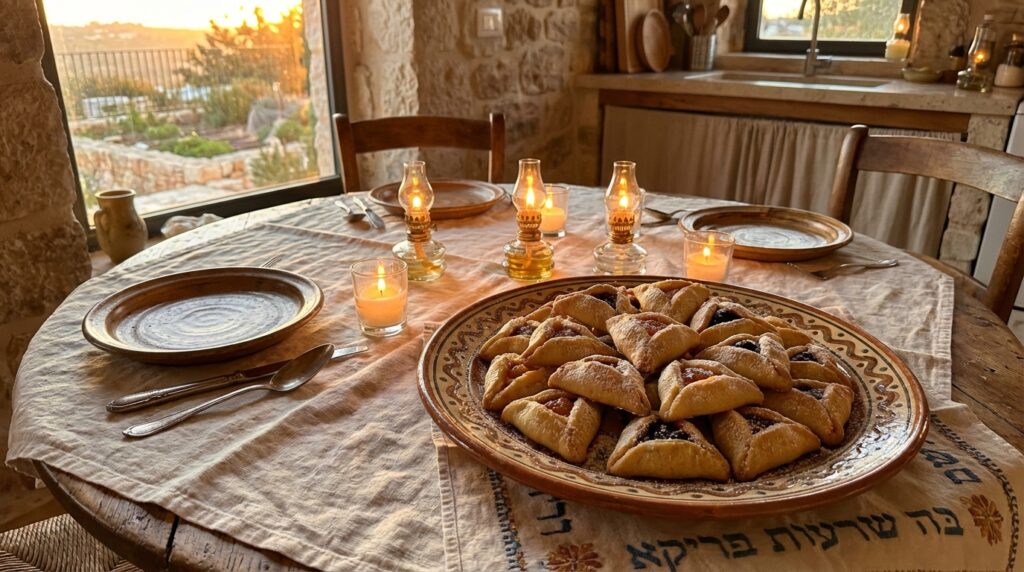
Delicious Hamantaschen with Yellow Cake Mix

Originating from Eastern Europe, hamantaschen have become a beloved treat during the Jewish festival of Purim. These triangular pastries are filled with a variety of sweet fillings, symbolizing the story of Esther and the defeat of Haman. The name ‘hamantaschen’ is derived from Haman, the villain in the Purim story, and ‘taschen,’ meaning pockets in Yiddish. The traditional dough for hamantaschen is typically made from scratch, involving a mix of flour, sugar, and butter. However, modern adaptations have introduced new ingredients and methods, making the process more accessible to home bakers. One such adaptation is the use of yellow cake...
Show more
Image illustrating:Traditional Halva from Israel

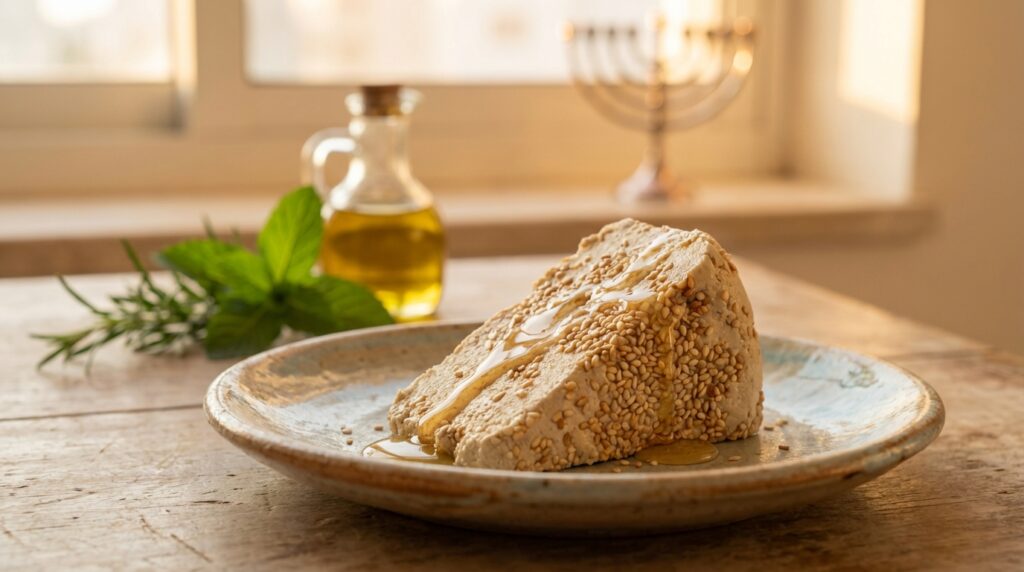
Traditional Halva from Israel

Originating from ancient Persia, halva made its way to Israel through trade routes and cultural exchanges. It quickly became a staple in Israeli households, loved for its sweet and nutty flavor. The word ‘halva’ means ‘sweet’ in Arabic, reflecting its widespread appeal across the Middle East. In Israel, halva is often enjoyed during festive occasions and family gatherings. Traditionally made from sesame seeds, halva is known for its crumbly texture and rich taste. It is a symbol of hospitality and warmth, often offered to guests as a gesture of welcome. In the bustling markets of Jerusalem and Tel Aviv, halva...
Show more
Image illustrating:Homemade Plum Jam Cake Delight

Homemade Plum Jam Cake Delight

Originating from the rich culinary traditions of Israel, plum jam cake has become a staple in many households. This delightful dessert is known for its unique combination of sweet and tangy flavors, making it a favorite for family gatherings and celebrations. The cake’s history is intertwined with the seasonal harvests of plums, which are abundant in the region. In the early days, families would gather to make plum jam from fresh plums, a tradition passed down through generations. This jam would then be used to create the beloved plum jam cake, a symbol of togetherness and shared memories. The process...
Show more
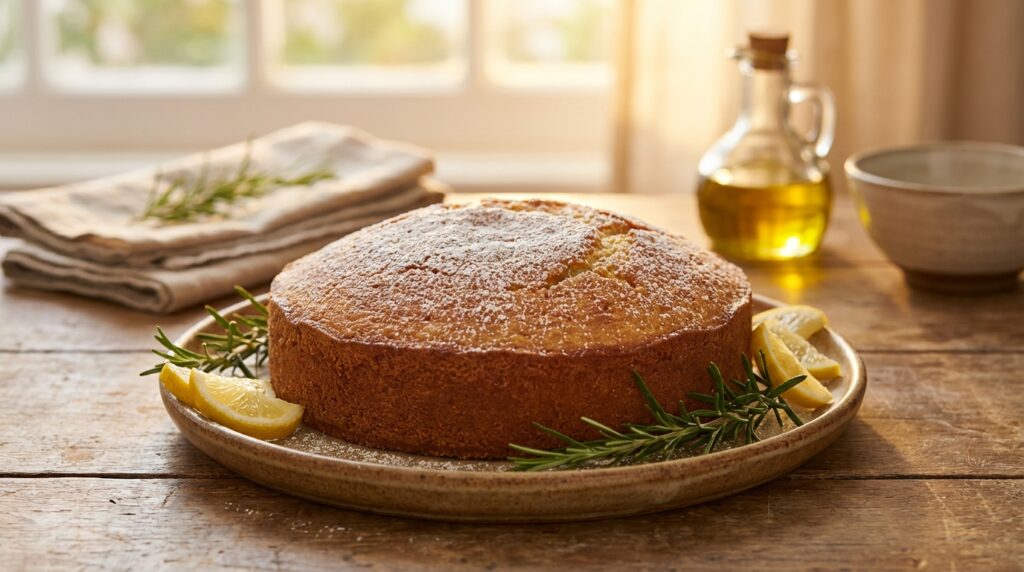
Image illustrating:Lemon Rosemary Cake: A Delightful Israeli Treat

Lemon Rosemary Cake: A Delightful Israeli Treat

The combination of lemon and rosemary is not only delicious but also deeply rooted in Mediterranean culinary traditions. In Israel, these ingredients are celebrated for their vibrant flavors and versatility. The use of fresh herbs in desserts is a testament to the region’s innovative approach to cooking, where sweet and savory often blend seamlessly. In ancient times, rosemary was considered a symbol of remembrance and was often used in various rituals. Its fragrant aroma and health benefits made it a staple in many households. Lemon, on the other hand, was prized for its refreshing taste and ability to enhance the...
Show more
Image illustrating:Traditional Romanian Dessert with an Israeli Twist

Traditional Romanian Dessert with an Israeli Twist

Romanian cuisine has a long history of incorporating diverse influences, from Turkish to Hungarian. This dessert is a perfect example of how these flavors blend harmoniously. Traditionally, Romanian sweets are enjoyed during festive occasions and family gatherings, bringing people together through shared tastes and experiences. The introduction of Israeli ingredients into this Romanian dessert adds a unique twist, enhancing the flavors while maintaining its authentic roots. Ingredients like dates and honey, commonly used in Israeli cooking, complement the traditional Romanian elements beautifully. This fusion dessert not only celebrates the culinary heritage of Romania but also embraces the warmth and hospitality...
Show more
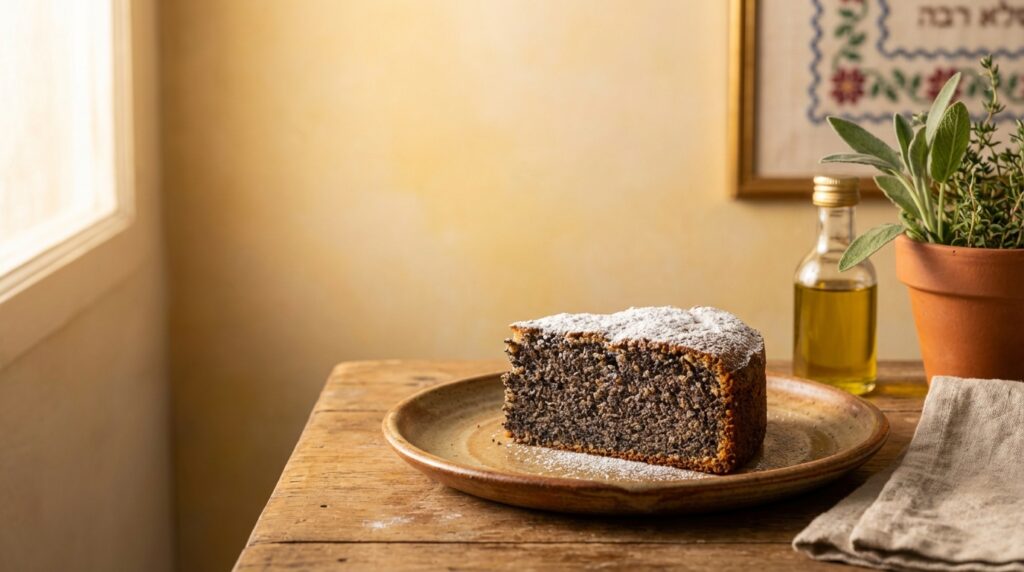
Image illustrating:Traditional Israeli Poppy Seed Cake

Traditional Israeli Poppy Seed Cake

Originating from Eastern Europe, poppy seed cake has found a beloved place in Israeli kitchens. The cake’s unique texture and flavor come from the generous use of poppy seeds, which are a staple in many traditional recipes. Over time, this cake has become a symbol of celebration and togetherness, often served during holidays and family gatherings. In Israel, poppy seed cake is not just a dessert; it’s a connection to the past. Many families have their own versions, passed down through generations. The cake’s moist, tender crumb and slightly nutty flavor make it a favorite among both young and old....
Show more
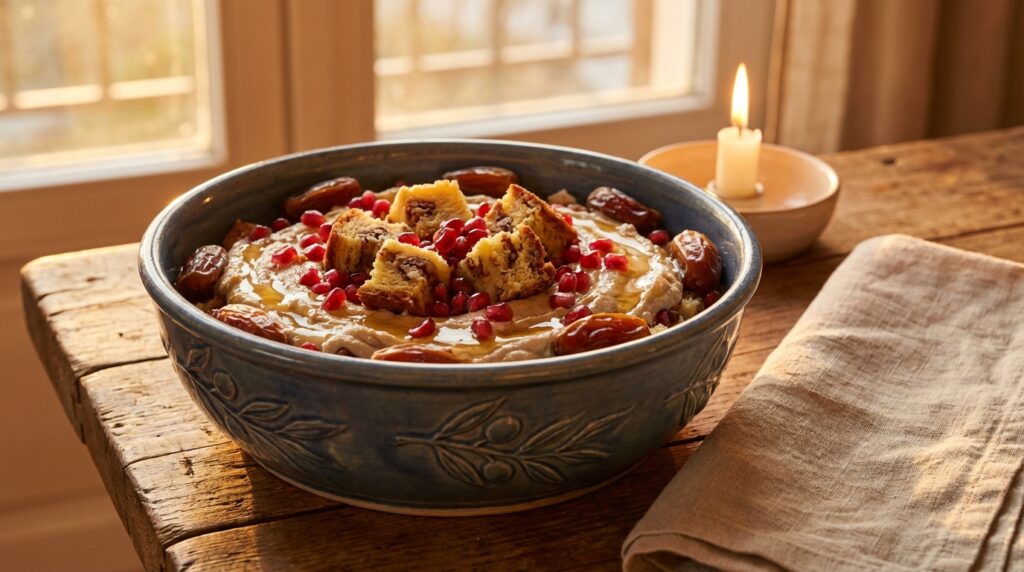
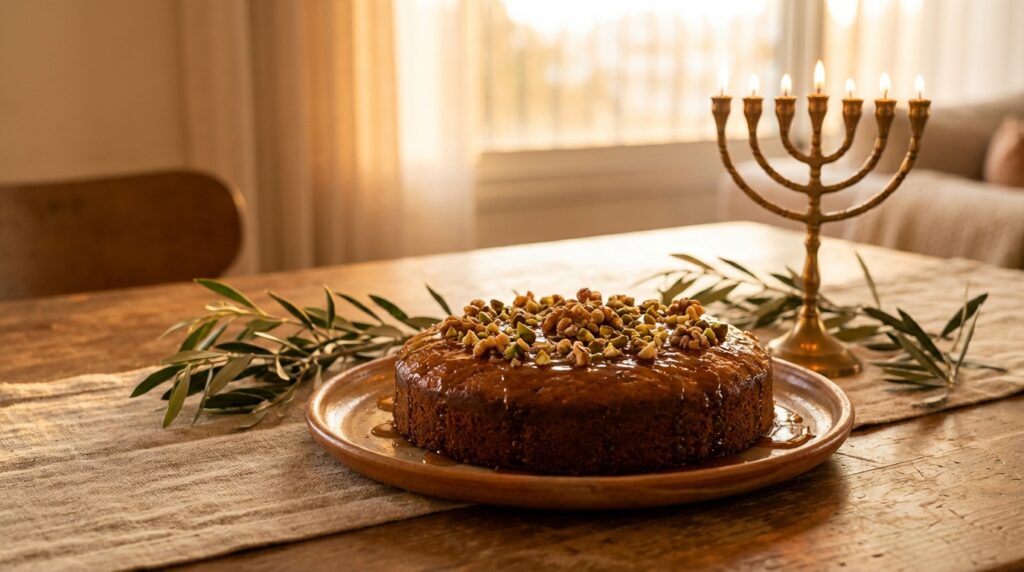
Image illustrating:Indulge in a Traditional Honey Date Cake

Indulge in a Traditional Honey Date Cake

The origins of honey date cake can be traced back to ancient times, where dates and honey were staple ingredients in Middle Eastern cuisine. These natural sweeteners were not only abundant but also cherished for their rich flavors and nutritional benefits. Over time, the combination of honey and dates became a popular choice for desserts, symbolizing prosperity and sweetness in life. In Israel, honey date cake is often associated with festive occasions and family gatherings. It is a symbol of hospitality and warmth, often served to guests as a gesture of welcome. The cake’s moist texture and sweet aroma make...
Show more
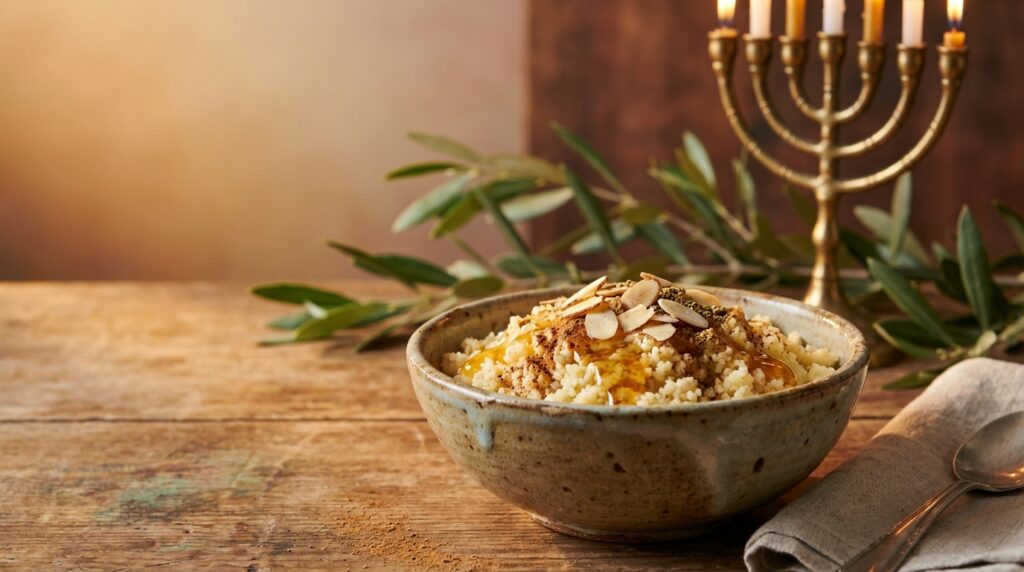
Image illustrating:Sweet Couscous Delight

Sweet Couscous Delight

Originating from North African Jewish communities, sweet couscous has become a staple in Israeli households. Its simplicity and versatility make it a favorite for both everyday meals and festive occasions. Traditionally, it is served during celebrations, symbolizing abundance and joy. The dish is made by steaming couscous grains until they are fluffy and light. Sweeteners like honey or sugar are added, along with spices such as cinnamon and cardamom, to create a warm and inviting flavor profile. This combination of ingredients reflects the diverse cultural influences that have shaped Israeli cuisine over the centuries. In many families, sweet couscous is...
Show more
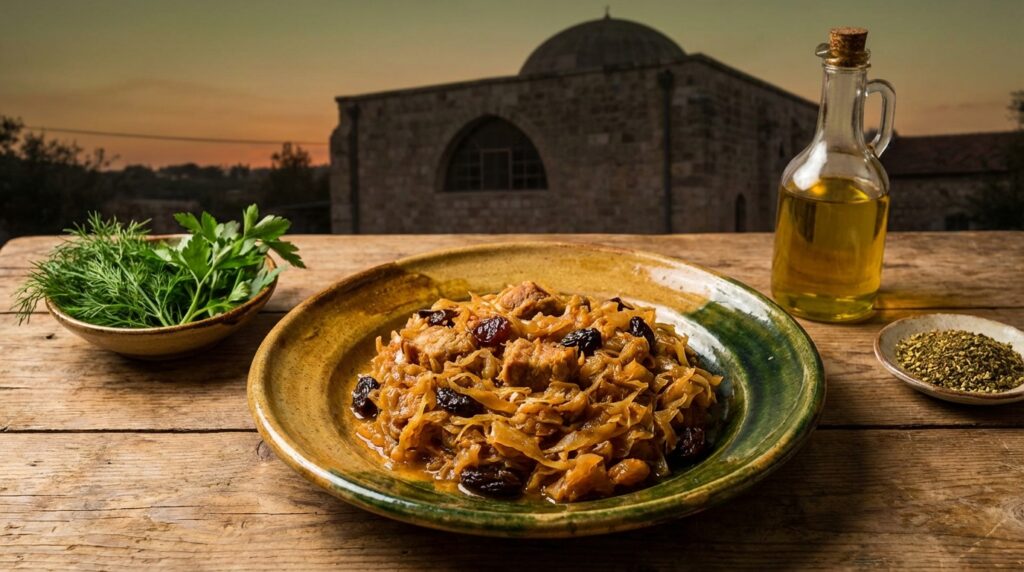
Image illustrating:Polish Sweet and Sour Cabbage Delight

Polish Sweet and Sour Cabbage Delight

Originating from Poland, this dish has been a staple in many households for generations. It combines the natural sweetness of cabbage with the tanginess of vinegar, creating a unique flavor profile that is both comforting and refreshing. Traditionally served during festive occasions, it has found its way into everyday meals due to its simple preparation and delightful taste. The history of sweet and sour cabbage is deeply rooted in Polish culture, where cabbage is a common ingredient due to its availability and nutritional benefits. This dish was often prepared by families during the colder months, as it provided warmth and...
Show more
Image illustrating:Classic Israeli Cake Delight

Classic Israeli Cake Delight

The history of Israeli cakes is as rich and diverse as the country itself. With influences from Eastern Europe, the Middle East, and North Africa, these cakes tell a story of a land where cultures meet and blend. Each cake is a testament to the shared traditions and the unique flavors that have been passed down through generations. In the early days of Israel, baking was a communal activity. Families would gather to bake and share their creations, often using ingredients that were locally sourced. This tradition of community baking has continued, with recipes being handed down from mother to...
Show more
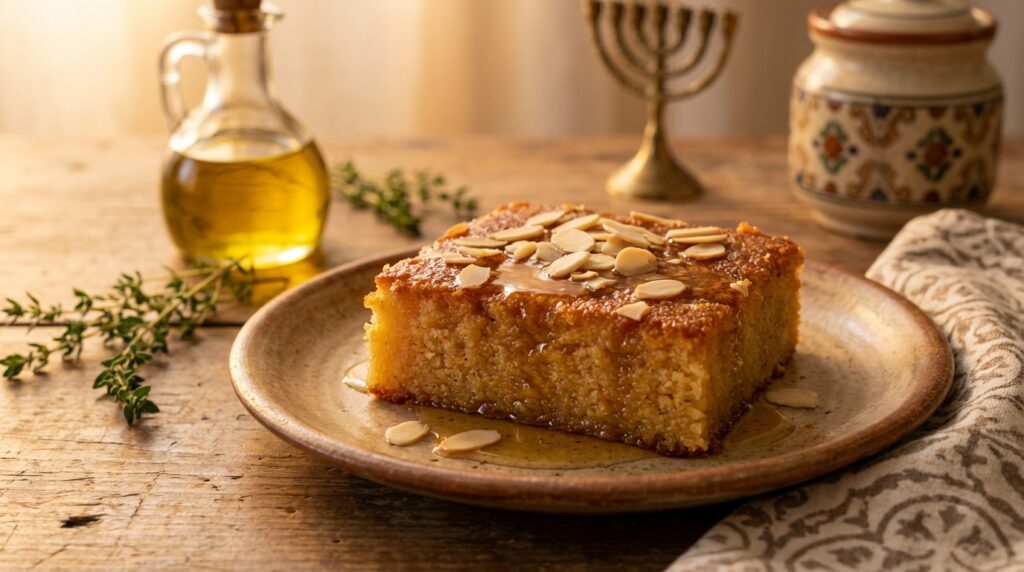
Image illustrating:Discover the Origins of Harissa Dessert

Discover the Origins of Harissa Dessert

The origins of Harissa can be traced back to ancient times when it was a staple in Middle Eastern households. This dessert has been cherished for its simplicity and delightful taste, often made with semolina, sugar, and yogurt. Its texture is moist and sweet, making it a favorite among many. Over the years, Harissa has become a symbol of hospitality and warmth in Israeli culture. In Israel, Harissa is more than just a dessert; it is a connection to the past. Families often pass down their unique recipes through generations, each adding their own twist to the traditional method. This...
Show more
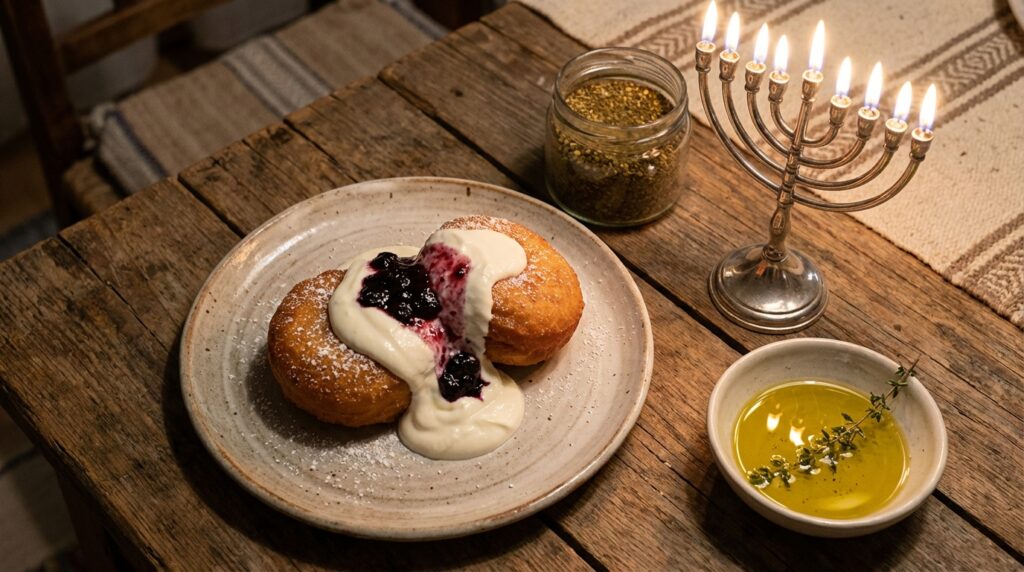
Image illustrating:Traditional Papanash: A Romanian Delight

Traditional Papanash: A Romanian Delight

Originating from Romania, Papanash has been a favorite among locals for generations. This dessert is traditionally made with fresh cheese, offering a unique taste that reflects the rich culinary heritage of Eastern Europe. The name ‘Papanash’ is derived from the Latin word ‘papa’, meaning food for children, highlighting its comforting nature. The preparation of Papanash involves creating a dough from cheese, eggs, and flour, which is then shaped into doughnuts and fried to perfection. This process results in a crispy exterior with a soft, creamy interior. Often served with a dollop of sour cream and fruit preserves, Papanash provides a...
Show more
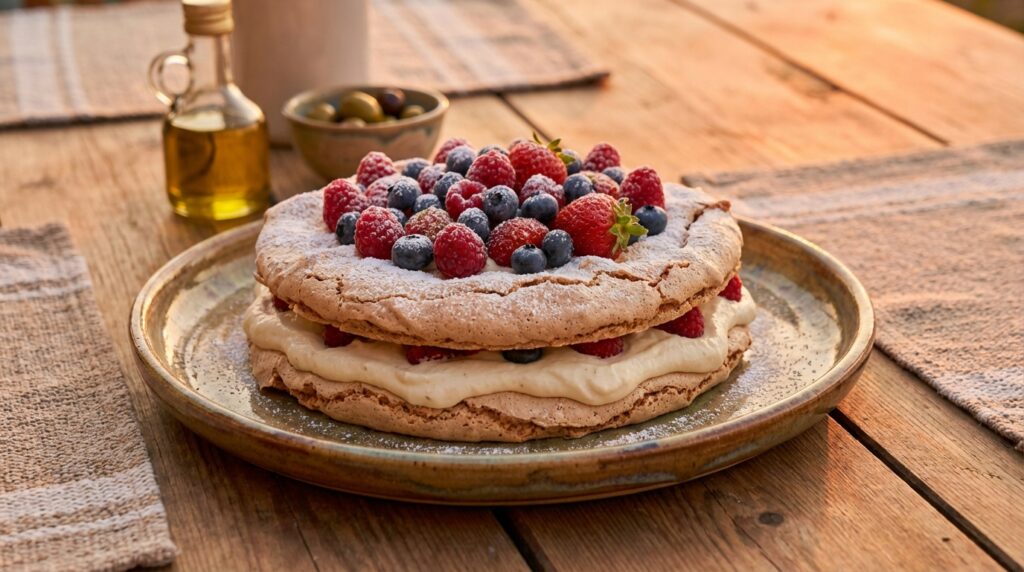
Image illustrating:Delicious Polish Meringue Cake Recipe

Delicious Polish Meringue Cake Recipe

Originating from Poland, this cake has become a beloved treat in many Israeli homes. Its combination of crispy meringue and creamy layers offers a delightful texture that appeals to many. The cake’s popularity has grown due to its unique taste and beautiful presentation, making it a favorite for celebrations. The tradition of making meringue cakes dates back centuries, with each region adding its own twist. In Israel, the cake is often enjoyed during festive occasions, bringing families together to share in its sweet flavors. The meringue’s lightness contrasts beautifully with the rich cream, creating a harmonious balance. Baking this cake...
Show more
Image illustrating:Traditional Israeli Cake Delight

Traditional Israeli Cake Delight

The origins of Israeli cake date back to the early settlers who brought with them recipes from various parts of Europe and the Middle East. These recipes were adapted to include local ingredients, creating a unique fusion of flavors that reflect Israel’s diverse cultural heritage. Over the years, Israeli cake has become a staple at family gatherings and celebrations. Its rich, moist texture and sweet, aromatic flavors make it a favorite among both young and old. The cake is often enjoyed with a cup of tea or coffee, adding to the warmth of family moments. Baking an Israeli cake is...
Show more
Image illustrating:A Cozy Plum Jam Cake from Israeli Home Kitchens

A Cozy Plum Jam Cake from Israeli Home Kitchens

Plum‑based cakes have long been part of Jewish and European baking traditions. In Ashkenazi homes, cakes made with plum jam or fresh plums—like Zwetschgenkuchen—were cherished for their comforting flavor and seasonal appeal. These cakes often appeared at family gatherings, offering a taste of home and memory. In Israel, plum jam became a pantry staple, especially when fresh fruit was out of season. Home bakers would swirl it into simple cake batters, creating a moist, fragrant dessert that felt both humble and special. This practice reflects the resourceful spirit of Israeli kitchens, where every ingredient is valued and transformed with care....
Show more
Image illustrating:Creamy Israeli Cheesecake Delight

Creamy Israeli Cheesecake Delight

The origins of Israeli cheesecake can be traced back to European influences, particularly from Jewish communities in Eastern Europe. These communities brought their traditional recipes to Israel, where they were adapted to local tastes and ingredients. In Israel, cheesecake is often made with a type of cheese called gvina levana, which is similar to quark. This gives the cheesecake its distinctive creamy texture and tangy flavor, setting it apart from American-style cheesecakes. Over the years, Israeli cheesecake has become a staple dessert during Shavuot, a Jewish holiday that traditionally includes dairy foods. It is also enjoyed year-round at family gatherings...
Show more
Image illustrating:Delightful Kahi Dessert from Israeli Traditions

Delightful Kahi Dessert from Israeli Traditions

Originating from the heart of Israel, Kahi has been a staple in many households for generations. Its simple yet delightful taste makes it a favorite among families. The dessert is often prepared during festive occasions, bringing people together to enjoy its comforting flavors. The preparation of Kahi involves a unique method that has been passed down through generations. This method ensures that the dessert remains soft and flavorful, capturing the essence of Israeli hospitality. Each bite tells a story of cultural heritage and familial bonds. In Israel, Kahi is more than just a dessert; it is a symbol of togetherness....
Show more
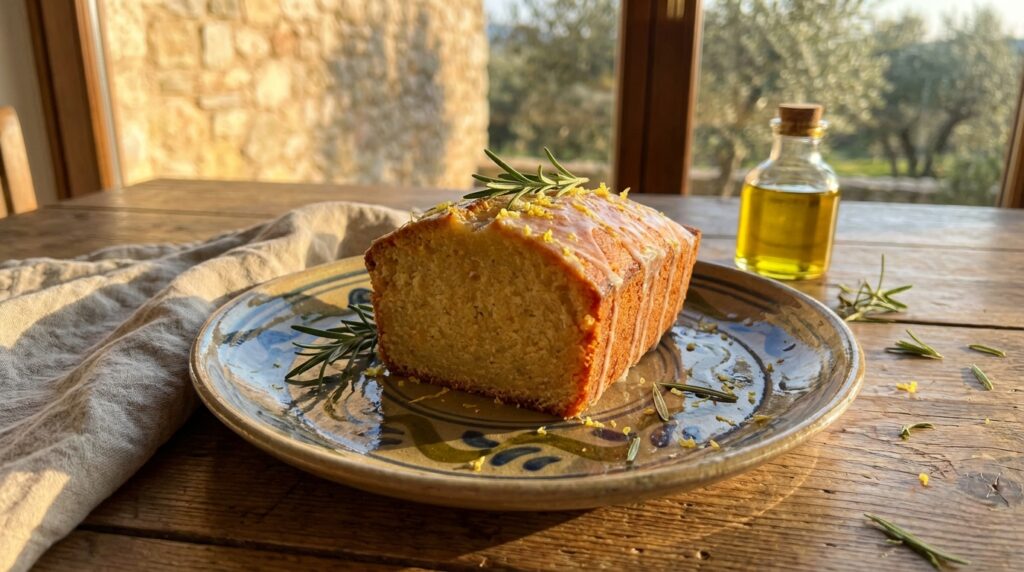
Image illustrating:Lemon Rosemary Pound Cake Delight

Lemon Rosemary Pound Cake Delight

The combination of lemon and rosemary has been a part of Mediterranean cuisine for centuries. In Israel, this pairing is celebrated in various dishes, bringing a fresh and aromatic touch to traditional recipes. The use of fresh herbs in desserts is a testament to the region’s rich culinary heritage. Incorporating rosemary into sweet dishes might seem unconventional, but in Israel, it is a beloved tradition. The herb’s subtle pine-like flavor complements the tartness of lemon, creating a balanced and refreshing taste. This cake is a perfect example of how Israeli cuisine embraces unique flavor combinations. The origins of pound cake...
Show more
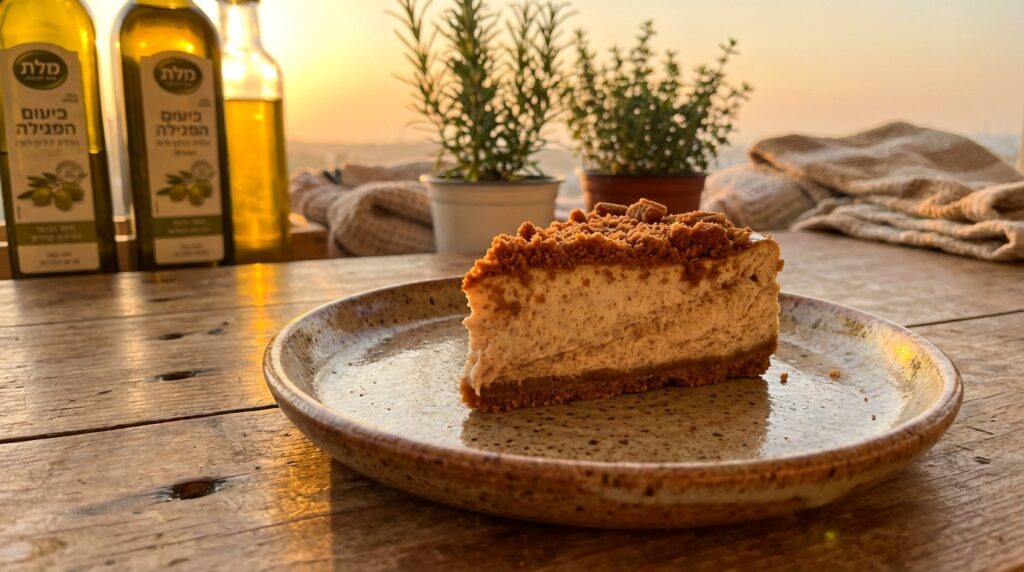
Image illustrating:Indulgent Biscoff Cookie Cheesecake Delight

Indulgent Biscoff Cookie Cheesecake Delight

The history of Biscoff cookies dates back to 1932 in Belgium, where they were crafted as a traditional spiced biscuit. Their unique flavor quickly gained popularity, becoming a beloved treat across Europe. The name ‘Biscoff’ is a combination of ‘biscuit’ and ‘coffee’, reflecting their perfect pairing with a warm cup of coffee. Cheesecake, on the other hand, has ancient roots, with variations found in Greek and Roman cultures. Over time, it has evolved into a creamy dessert enjoyed worldwide. The combination of cheesecake with Biscoff cookies brings together two rich culinary traditions, creating a dessert that is both familiar and...
Show more
Image illustrating:Sweet Potato Tarte Tatin Delight

Sweet Potato Tarte Tatin Delight

Originating from France, the traditional tarte tatin is made with apples. However, in Israel, the use of sweet potatoes adds a unique flavor and texture. This adaptation reflects the local produce and culinary creativity found in Israeli kitchens. The sweet potato tarte tatin has become a beloved dessert in many Israeli homes. It combines the sweetness of caramelized sugar with the earthy richness of sweet potatoes, creating a harmonious blend of flavors. This dish is often shared during family gatherings and festive occasions. Incorporating sweet potatoes into desserts is a testament to the versatility of this ingredient. Known for its...
Show more
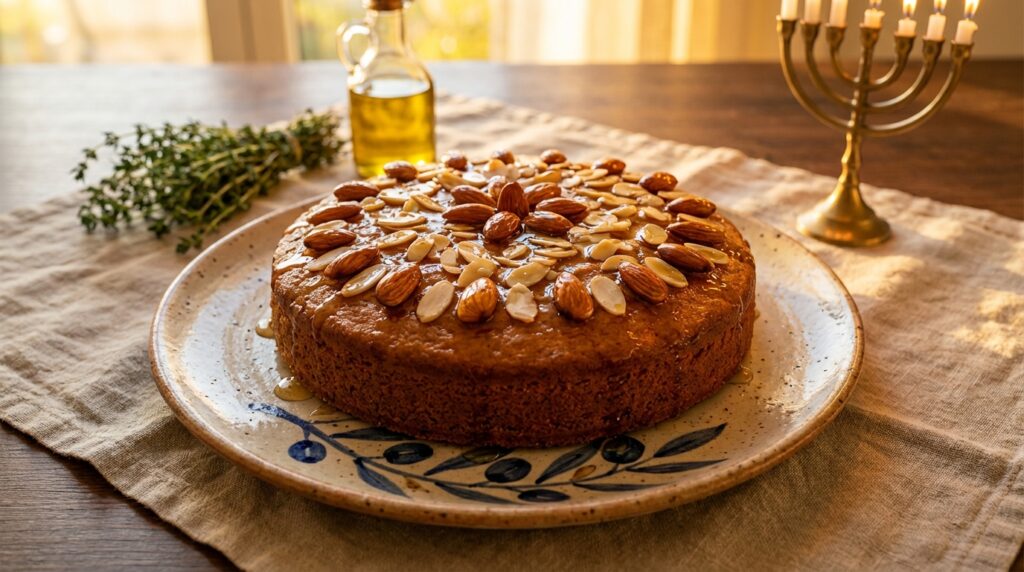
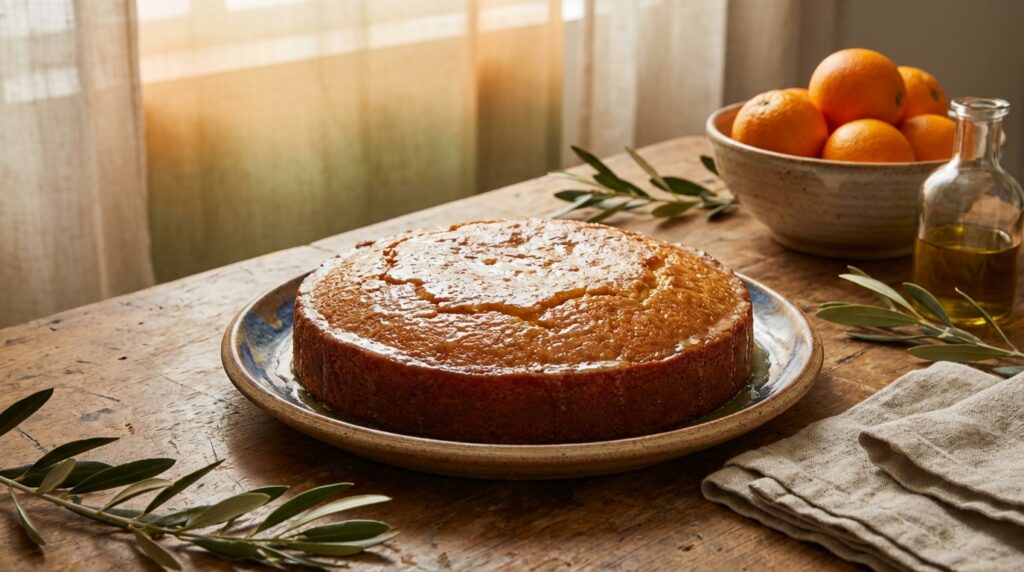
Image illustrating:Polenta Olive Oil Cake: A Sweet Israeli Delight

Polenta Olive Oil Cake: A Sweet Israeli Delight

Originating from the diverse culinary traditions of Israel, this cake brings together the hearty texture of polenta with the smooth richness of olive oil. It’s a testament to the fusion of cultures and flavors that define Israeli cuisine. The use of olive oil not only adds a unique taste but also keeps the cake moist and tender. Polenta, a staple in many Mediterranean diets, provides a delightful texture that sets this cake apart from traditional flour-based desserts. Its grainy consistency pairs perfectly with the subtle sweetness of the cake, creating a balanced and satisfying bite. This cake is often enjoyed...
Show more
Image illustrating:Authentic Israeli Cheesecake Delight

Authentic Israeli Cheesecake Delight

The origins of Israeli cheesecake can be traced back to the early days of the country, where dairy farming was a significant part of the economy. Cheesecake quickly became a staple dessert, celebrated for its simplicity and rich flavor. Over the years, it has evolved, incorporating local ingredients and flavors that reflect the diverse cultural influences in Israel. In the early 20th century, Jewish immigrants from Eastern Europe brought their culinary traditions to Israel, including various cheesecake recipes. These recipes were adapted to use local ingredients, such as the creamy white cheese known as gvina levana, which became a key...
Show more
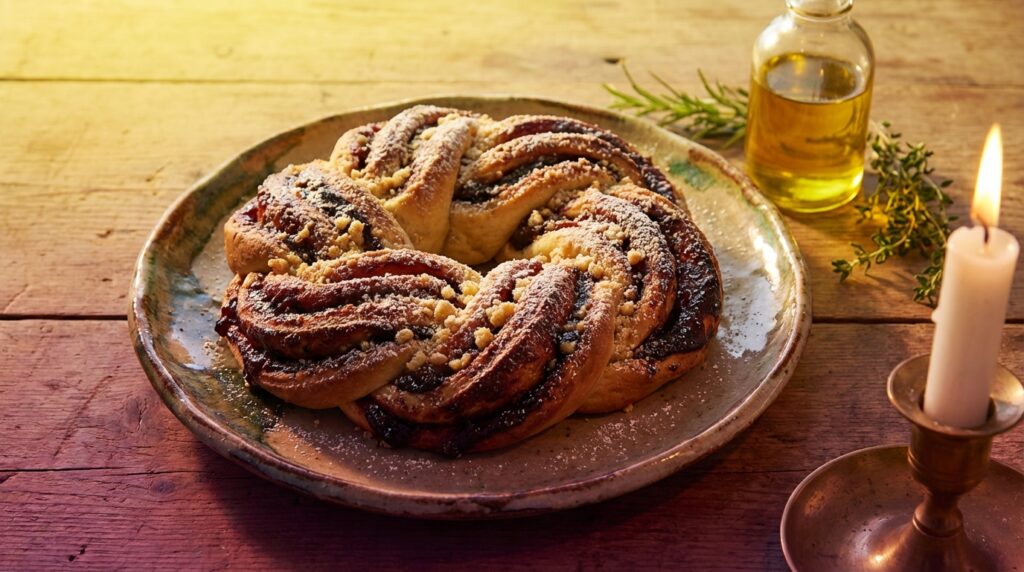
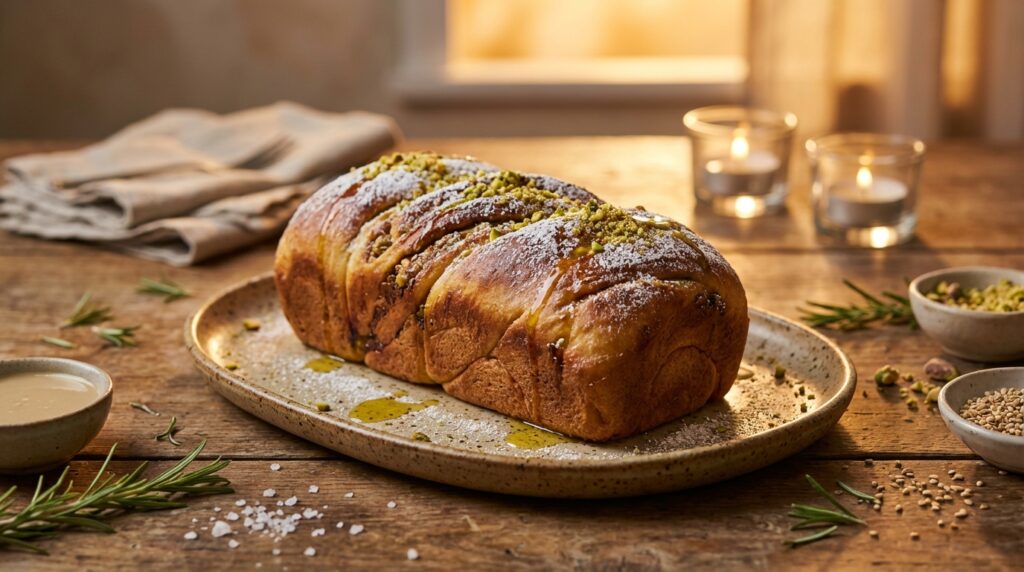
Image illustrating:Delicious Halva Babka: A Sweet Israeli Delight

Delicious Halva Babka: A Sweet Israeli Delight

The origins of babka date back to Eastern European Jewish communities, where it was a staple in many households. Traditionally, babka was made with simple ingredients and filled with cinnamon or chocolate. Over time, it evolved as Jewish immigrants brought the recipe to new lands, adapting it with local flavors and ingredients. Halva, a sweet confection made from tahini and sugar, has been a beloved treat in the Middle East for centuries. Its rich, nutty flavor pairs perfectly with the soft, doughy texture of babka, creating a unique fusion that has become popular in Israeli cuisine. This combination reflects the...
Show more
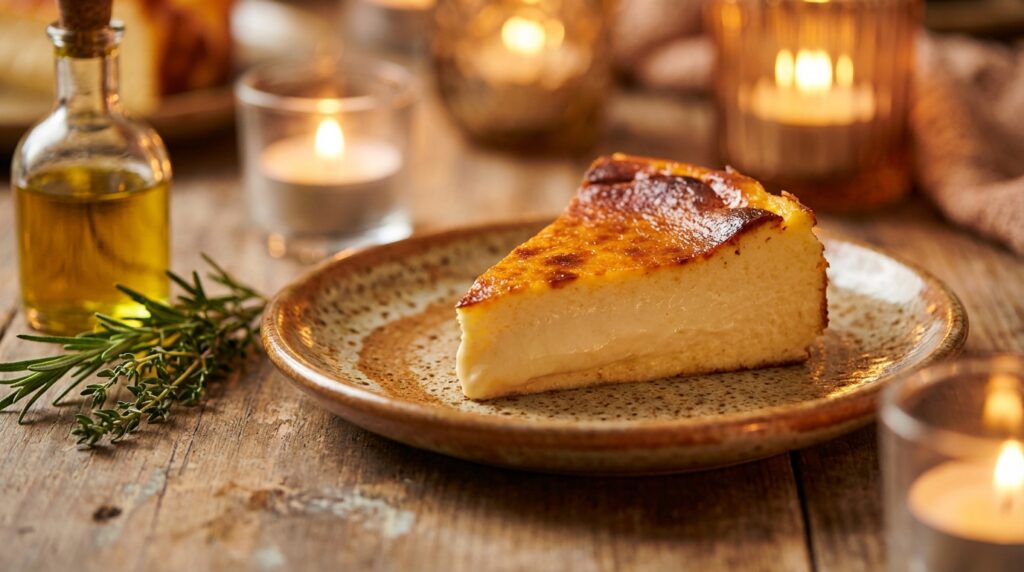
Image illustrating:Exploring the Origins of Basque Cheesecake

Exploring the Origins of Basque Cheesecake

The Basque Country, known for its rich culinary traditions, is home to this unique cheesecake. Unlike traditional cheesecakes, Basque cheesecake is crustless, offering a creamy texture with a caramelized top. Its origins are deeply rooted in the local culture, where it was first created in the 1990s by chef Santiago Rivera. Rivera’s creation quickly gained popularity, becoming a staple in the region’s dessert offerings. The cheesecake’s distinctive appearance and texture set it apart, making it a favorite among locals and visitors alike. Its simplicity and rich flavor profile have contributed to its widespread appeal. The cheesecake’s fame spread beyond the...
Show more
Image illustrating:Light and Fluffy Israeli Cheesecake to Share

Light and Fluffy Israeli Cheesecake to Share

Israeli cheesecake has become a cherished treat in homes and cafés across Israel. Made with soft Israeli white cheese and whipped cream, it differs from denser American-style cheesecakes. Its texture is delicate and cloud-like, often served during festive gatherings and especially popular during Shavuot, the festival of dairy. The origins of this cheesecake are rooted in the availability of soft white cheese in Israel, a creamy, slightly tangy cheese that lends itself beautifully to whipped desserts. Over time, home bakers and café chefs embraced this cheese’s unique qualities, creating a dessert that feels both familiar and delightfully light. One creative...
Show more
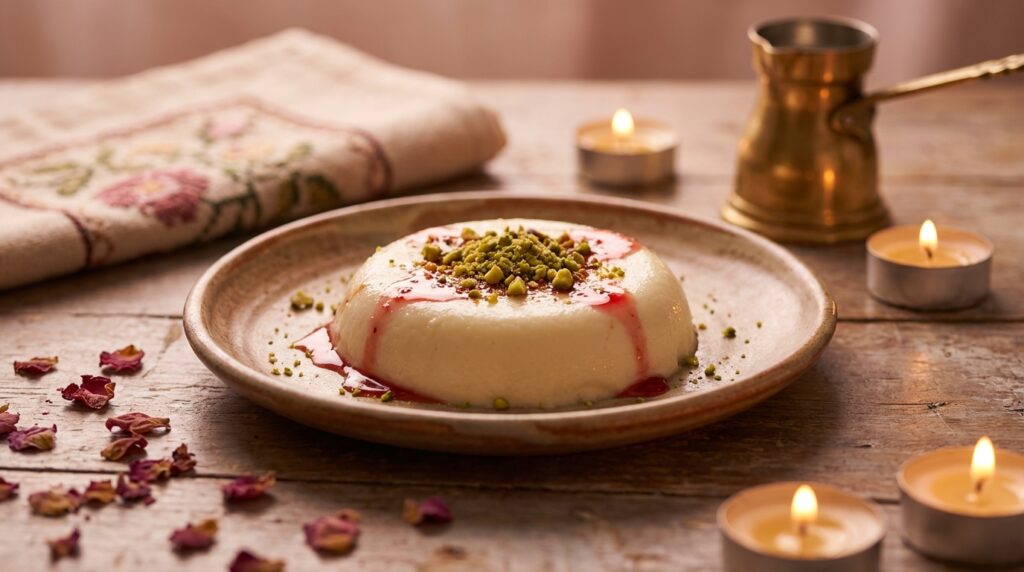
Image illustrating:Creamy Malabi: A Classic Israeli Dessert

Creamy Malabi: A Classic Israeli Dessert

Originating in the Ottoman Empire, Malabi has become a staple in Israeli cuisine. Its creamy texture and subtle sweetness have made it a favorite among locals and visitors alike. Traditionally, Malabi is made with milk, sugar, and cornstarch, and flavored with rosewater or orange blossom water. This simple yet elegant dessert is often garnished with nuts or coconut flakes, adding a delightful crunch to each spoonful. In Israel, Malabi is not just a dessert but a cultural experience. It is commonly found in street markets and local eateries, where it is served in small cups, often with a drizzle of...
Show more
Image illustrating:Traditional Russian Cake Delight

Traditional Russian Cake Delight

Originating in Russia, this cake became popular in Israel through the migration of Jewish families. Its unique blend of ingredients and flavors made it a staple in many homes. The cake symbolizes the fusion of Russian and Israeli culinary traditions, bringing warmth and sweetness to family gatherings. The recipe has evolved over generations, with each family adding their own touch. Some prefer a denser texture, while others opt for a lighter, fluffier version. Despite these variations, the essence of the cake remains the same: a comforting treat that evokes memories of home and heritage. In Israel, Russian cake is often...
Show more
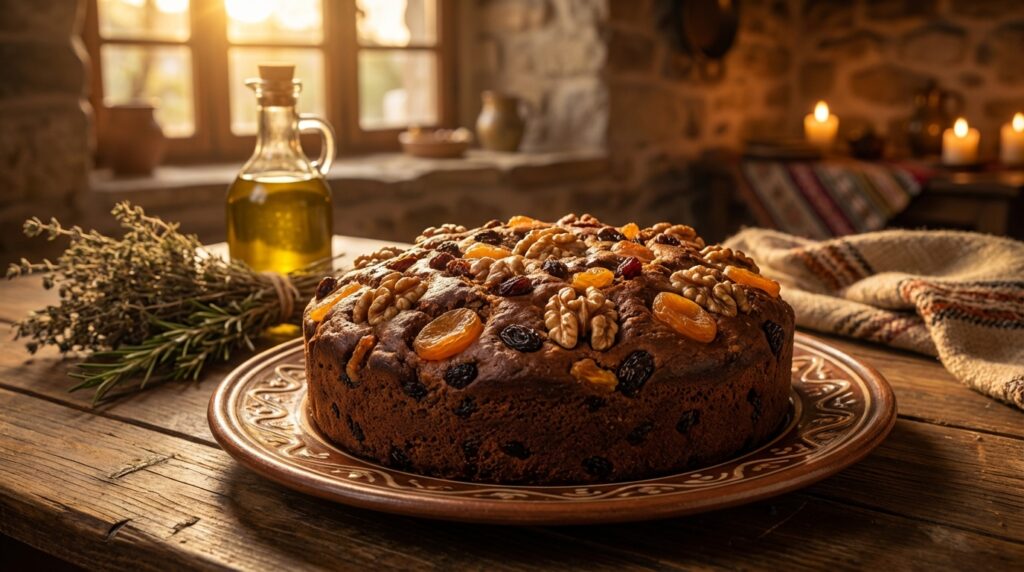
Image illustrating:Traditional Romanian Cake Delight

Traditional Romanian Cake Delight

The origins of Romanian Cake trace back to Eastern Europe, where it was often prepared for festive occasions. Families would gather to bake this delightful dessert, sharing stories and creating memories. The cake’s rich flavors and comforting aroma made it a staple in many households, symbolizing warmth and togetherness. In Romania, this cake is known for its unique blend of ingredients, including nuts and dried fruits, which were readily available in the region. The recipe has been passed down through generations, with each family adding their own special touch. This tradition of customization has allowed the cake to evolve while...
Show more
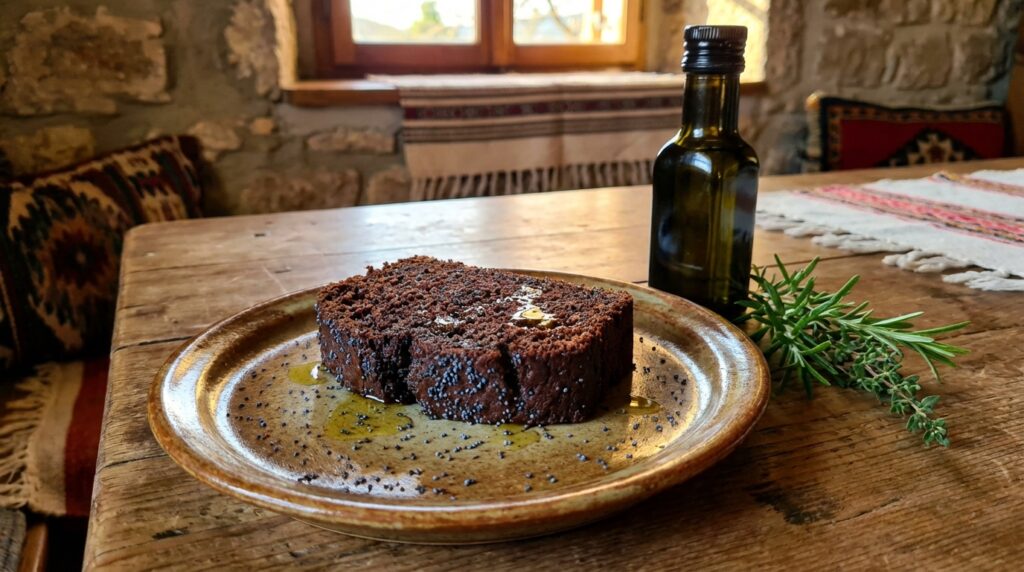
Image illustrating:Indulge in a Chocolate Poppyseed Cake Delight

Indulge in a Chocolate Poppyseed Cake Delight

This cake has its roots in Eastern European Jewish communities, where poppy seeds are a common ingredient in many traditional dishes. Over time, the recipe traveled to Israel, where it was embraced and adapted to local tastes. The addition of chocolate adds a rich, modern twist to the classic poppyseed flavor, making it a favorite for both young and old. Poppy seeds have been used in cooking for centuries, valued for their nutty flavor and crunchy texture. In Jewish culture, they are often associated with Purim, a holiday where poppy seed-filled pastries called hamantaschen are traditionally enjoyed. This cultural connection...
Show more

See other categories

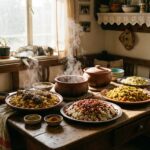
A table filled with traditional Ashkenazi dishes, showcasing rich flavors and heritage.
Ashkenazi Traditional Dishes
A vibrant bowl of fresh Israeli salad with tomatoes and cucumbers
Fresh Israeli Salads
Image illustrating:Classic Ashkenazi Kugel Recipe
Israeli Baking & Breads
Image illustrating:Classic Ashkenazi Kugel Recipe
Israeli Meat Classics
Image illustrating:Classic Ashkenazi Kugel Recipe
Israeli Pasta Creations
Image illustrating:Classic Ashkenazi Kugel Recipe
Middle Eastern Rice Specialties
Image illustrating:Classic Ashkenazi Kugel Recipe
Middle Eastern Soups
Image illustrating:Classic Ashkenazi Kugel Recipe
Special Israeli Dishes
We use cookies to provide the best site experience
Lev Haolam logo
Lev Haolam Facebook page Lev Haolam YouTube Follow Lev Haolam on Twitter Instagram Lev Haolam Lev Haolam Pinterest
© 2015 – 2026 Lev Haolam
Become a member Update my details
Contact Us
+972 23721384 +1 (531) 208 1263
Customer Support: 24/6 · Sun–Fri (till 4pm)

Closed on Shabbat hours & Israeli public holidays
support@levhaolam.com
Lev Haolam copyright
Lev Haolam World Ltd.
Luleem Business Center, Kfar
Etzion 9091200, Israel
Israeli Company Number: 515056927
Become a member Update my details
Privacy Policy Terms & Conditions AI Information About Lev Haolam
Mastercard payment for Israel gifts Visa card Maestro card American Express payment option PayPal – pay for your Israel box Secure payment for Israel boxes
© 2015 – 2026 Lev Haolam