Authentic Israeli Cheesecake Delight
15 March 09:48
429

The origins of Israeli cake date back to the early settlers who brought with them recipes from various parts of Europe and the Middle East. These recipes were adapted to include local ingredients, creating a unique fusion of flavors that reflect Israel’s diverse cultural heritage.
Over the years, Israeli cake has become a staple at family gatherings and celebrations. Its rich, moist texture and sweet, aromatic flavors make it a favorite among both young and old. The cake is often enjoyed with a cup of tea or coffee, adding to the warmth of family moments.
Baking an Israeli cake is more than just following a recipe; it’s about connecting with tradition and sharing love through food. Each family may have its own variation, passed down through generations, making every cake a unique expression of heritage.
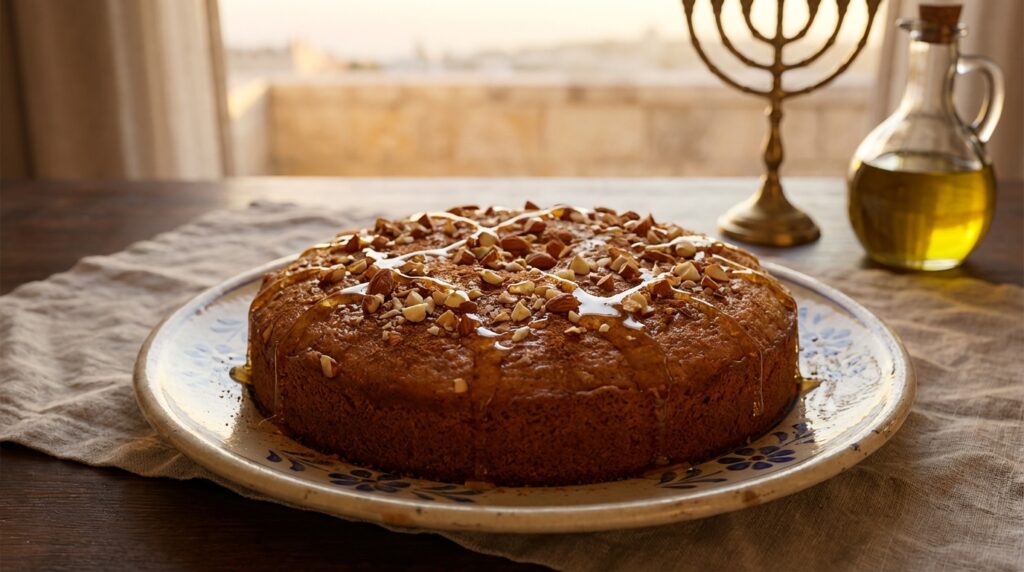
Honey is a common ingredient in Israeli cake, symbolizing sweetness and prosperity. It is often used in combination with nuts like almonds or walnuts, adding a delightful crunch to the soft, moist cake. Spices such as cinnamon and cardamom are also popular, infusing the cake with a warm, inviting aroma.
In many Israeli households, baking this cake is a communal activity, with family members gathering in the kitchen to share stories and laughter. This tradition of togetherness is as important as the cake itself, reinforcing bonds and creating cherished memories.
The cake is not only a treat for the taste buds but also a feast for the senses. Its golden-brown crust and fragrant spices create an irresistible allure, inviting everyone to partake in its deliciousness.
In the northern regions of Israel, cakes often incorporate fruits like dates and figs, reflecting the abundant produce of the area. In contrast, southern recipes might include more spices, influenced by the proximity to Middle Eastern culinary traditions. This regional diversity adds to the richness of Israeli cake culture.
Despite the variations, the core essence of Israeli cake remains the same: a celebration of flavors and a testament to the country’s rich cultural tapestry. Each bite tells a story of history, tradition, and love, making it a truly special dessert.
Whether enjoyed during a festive occasion or a simple family gathering, Israeli cake brings joy and warmth to any table. Its enduring popularity is a testament to its deliciousness and the heartfelt connections it fosters.