Delicious Plum Jam Cake from Israeli Kitchens
5 April 08:47
655
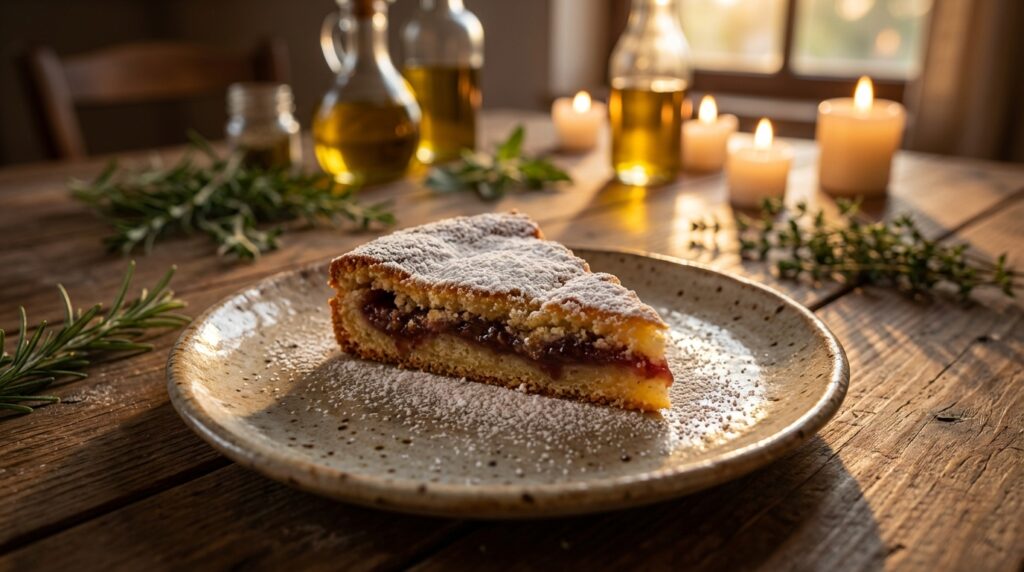

Originating from the fertile lands of Israel, this cake combines the sweetness of plums with the rich texture of a traditional cake. It’s a favorite during festive occasions and family gatherings, bringing people together through its delightful taste.
The use of plum jam in cakes can be traced back to the early settlers who utilized local produce to create comforting desserts. The jam not only adds flavor but also keeps the cake moist and tender.
Over the years, Plum Jam Cake has evolved with various adaptations, yet it remains a symbol of warmth and hospitality in Israeli culture. Each family has its own secret recipe, passed down through generations.
In many Israeli households, baking Plum Jam Cake is a family affair. Children and adults alike gather in the kitchen, sharing stories and laughter as they prepare the ingredients. The aroma of baking fills the home, creating a sense of comfort and nostalgia.
The cake’s popularity has spread beyond Israel, with many people around the world enjoying its unique flavor. It serves as a delicious reminder of the rich culinary heritage of the region.
Whether enjoyed as a dessert or a sweet snack, Plum Jam Cake offers a taste of Israeli tradition. Its simple ingredients and straightforward preparation make it accessible to bakers of all skill levels.
Gifting a Plum Jam Cake is a heartfelt gesture, symbolizing friendship and care. It’s a thoughtful way to share a piece of Israeli culture with loved ones, making any occasion special.
The cake’s vibrant color and delightful taste make it a standout dessert at any gathering. Its versatility allows it to be paired with various accompaniments, enhancing the overall dining experience.
As more people discover the joys of Plum Jam Cake, its legacy continues to grow. Each slice tells a story of tradition, community, and the simple pleasures of life.