
Delightful Kahi Dessert from Israeli Traditions
9 March 09:23
277
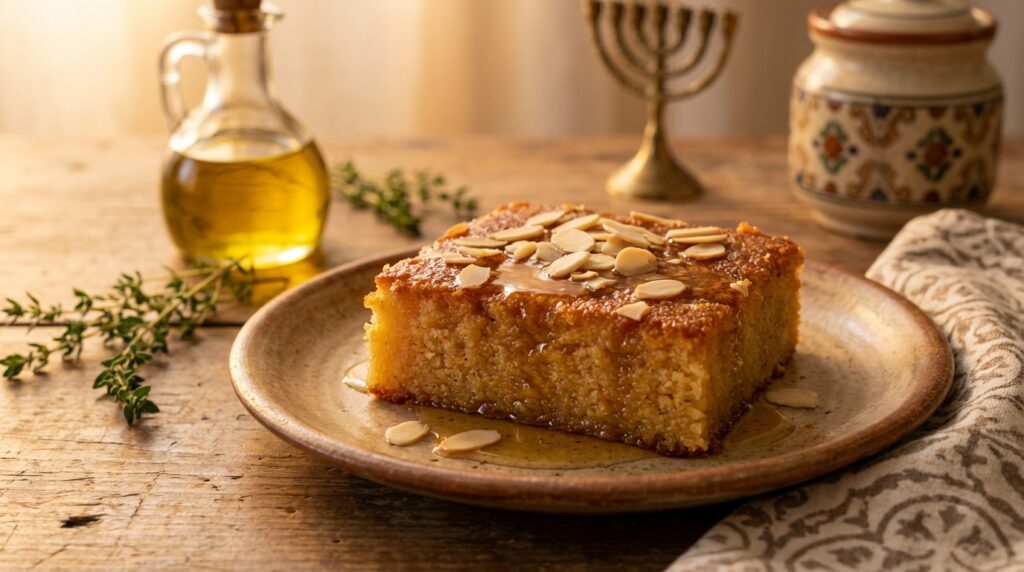

The origins of Harissa can be traced back to ancient times when it was a staple in Middle Eastern households. This dessert has been cherished for its simplicity and delightful taste, often made with semolina, sugar, and yogurt. Its texture is moist and sweet, making it a favorite among many. Over the years, Harissa has become a symbol of hospitality and warmth in Israeli culture.
In Israel, Harissa is more than just a dessert; it is a connection to the past. Families often pass down their unique recipes through generations, each adding their own twist to the traditional method. This dessert is typically baked in a large pan and then cut into squares or diamonds, making it perfect for sharing during family gatherings and celebrations.
Harissa is especially popular during Jewish holidays and special occasions. Its sweet and fragrant aroma fills the home, creating a sense of nostalgia and togetherness. The dessert’s simplicity allows it to be easily adapted with various flavors, such as orange blossom or rose water, enhancing its appeal.
The preparation of Harissa is a cherished ritual in many Israeli households. The process begins with mixing semolina with sugar and yogurt, creating a batter that is both rich and smooth. This mixture is then poured into a baking pan, where it is allowed to rest before baking. The result is a golden, fragrant dessert that is both satisfying and comforting.
As Harissa bakes, the kitchen fills with its inviting aroma, drawing family members together. The dessert is often served warm, allowing the flavors to meld perfectly. Each bite offers a taste of tradition, a reminder of the cultural heritage that Harissa represents. It is a dessert that brings joy and connection to those who partake in it.
The versatility of Harissa allows it to be enjoyed in various forms. Some prefer it plain, while others add nuts or dried fruits for added texture and flavor. Regardless of the variation, Harissa remains a beloved treat that continues to be a staple in Israeli dessert culture.
Today, Harissa is enjoyed by people around the world, each adapting the recipe to suit their tastes. Its universal appeal lies in its simplicity and the comforting flavors it offers. Whether served at a festive gathering or as a simple family dessert, Harissa continues to be a symbol of warmth and hospitality.
The global appreciation for Harissa has led to its inclusion in various culinary traditions. Chefs and home cooks alike experiment with different ingredients, creating innovative versions that still honor the dessert’s origins. This adaptability has ensured Harissa’s place in the hearts of many, making it a timeless classic.
In conclusion, Harissa is more than just a dessert; it is a testament to the enduring cultural connections that bind people together. Its rich history and delightful taste make it a cherished part of Israeli culinary heritage, one that continues to bring joy and togetherness to those who enjoy it.