Experience the Delight of Traditional Ojos Bread
6 March 13:36
225
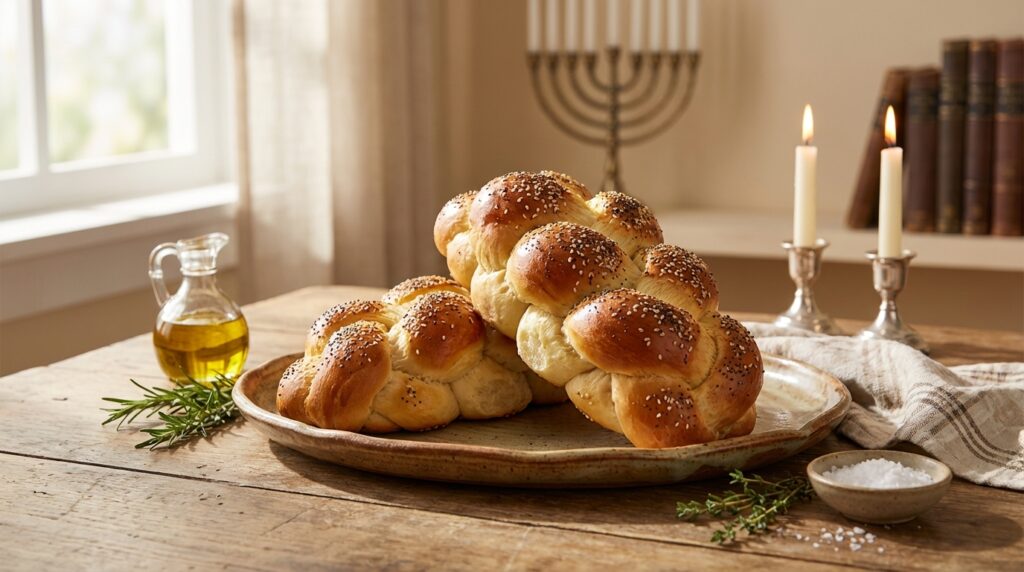

Challah has been a part of Jewish culture for centuries, serving as a staple during Shabbat and holidays. Its origins can be traced back to ancient times when bread was a central part of daily life. The word ‘challah’ itself comes from the Hebrew word for ‘portion,’ signifying the piece of dough set aside as an offering.
The tradition of challah is deeply rooted in the Jewish faith, representing the duality of the spiritual and physical worlds. It is often braided to symbolize unity and continuity, reflecting the interconnectedness of the community. Each strand of the braid can represent different aspects of life, such as truth, peace, and justice.
In addition to its spiritual significance, challah is also a culinary delight. Its soft, fluffy texture and slightly sweet taste make it a favorite among many. The process of making challah is often a communal activity, bringing families together in preparation for the Sabbath or festive occasions.
The act of braiding challah is not just a culinary technique but a ritual that carries deep meaning. Each braid can be seen as a symbol of the intertwining of family and community. This practice is often accompanied by stories and teachings, making it a time of learning and bonding.
Challah’s significance extends beyond its physical form. It serves as a reminder of the importance of gratitude and mindfulness. Before eating, a blessing is recited, acknowledging the sustenance provided and the hands that prepared it. This ritual fosters a sense of appreciation and connection to the divine.
The shape of challah can vary, especially during different Jewish holidays. For instance, round challahs are made for Rosh Hashanah, symbolizing the cycle of the year and the continuity of life. These variations add layers of meaning to the already rich tradition of challah baking.
Throughout history, challah has been a symbol of hospitality and generosity. Sharing challah with guests is a gesture of welcome and warmth, reflecting the values of kindness and community. This tradition is especially significant during Shabbat meals, where challah takes center stage on the table.
The preparation of challah is often seen as a meditative practice, allowing individuals to reflect on their week and prepare for the restful Sabbath. The kneading and braiding process can be a time of introspection and connection to one’s heritage. It is a moment to pause and appreciate the simple joys of life.
Challah’s enduring presence in Jewish culture is a testament to its significance. It is more than just a food item; it is a symbol of faith, tradition, and community. As families gather to bake and share challah, they are participating in a ritual that has been cherished for generations.