Traditional Israeli Festive Bread
6 March 13:36
267
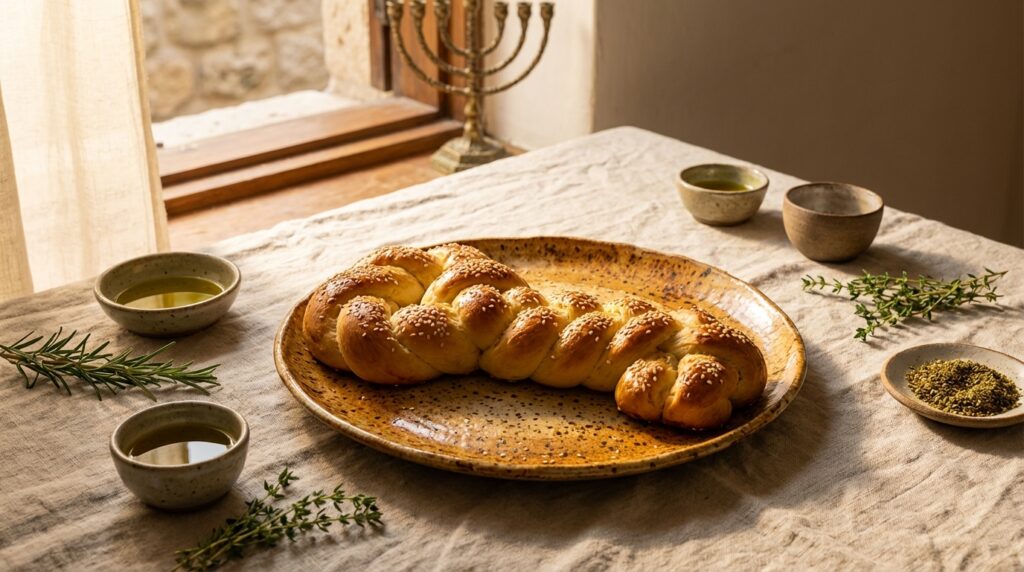

The tradition of baking Shlissel Challah dates back centuries, rooted in the Ashkenazi Jewish communities of Eastern Europe. This special bread, often shaped like a key, symbolizes the opening of prosperity and blessings for the home. Families gather to bake this bread, infusing each loaf with hope and love.
The word ‘shlissel’ means ‘key’ in Yiddish, and the key shape is a central element of this tradition. It is believed that by baking a key-shaped challah, one invites prosperity and good fortune into the household. This practice is a beautiful blend of faith, tradition, and culinary art.
Over the years, Shlissel Challah has become more than just a bread; it is a symbol of connection to heritage and community. Each family may have its own variation, adding unique touches to the recipe, but the essence remains the same: a heartfelt tradition passed down through generations.
In many homes, the preparation of Shlissel Challah is a communal activity. Families come together, sharing stories and laughter as they knead the dough. This gathering not only strengthens familial bonds but also serves as a reminder of the shared cultural heritage that binds them together.
The process of making Shlissel Challah is both an art and a ritual. From the careful measurement of ingredients to the intricate braiding of the dough, each step is performed with intention and care. This meticulous attention to detail reflects the deep respect for tradition and the desire to honor the past.
As the challah bakes, the aroma fills the home, creating an atmosphere of warmth and anticipation. The finished bread, golden and fragrant, is more than just a culinary delight; it is a testament to the enduring spirit of a people and their unwavering hope for the future.
Sharing Shlissel Challah with others is an integral part of the tradition. It is customary to give a loaf to friends or neighbors, spreading the blessings and goodwill beyond one’s own home. This act of giving fosters a sense of community and reinforces the values of generosity and kindness.
The symbolism of the key extends beyond material prosperity. It represents the opening of hearts and the unlocking of potential within each individual. By participating in this tradition, families embrace the opportunity to reflect on their own aspirations and the ways in which they can contribute to the greater good.
In today’s world, the practice of baking Shlissel Challah continues to thrive, bridging the gap between past and present. It serves as a reminder of the resilience and adaptability of cultural traditions, and the power they hold to unite and inspire.