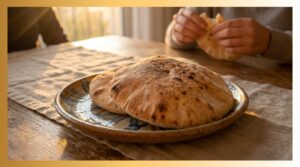
Hamantaschen Challah: A Sweet Twist on Tradition
6 March 13:38
273
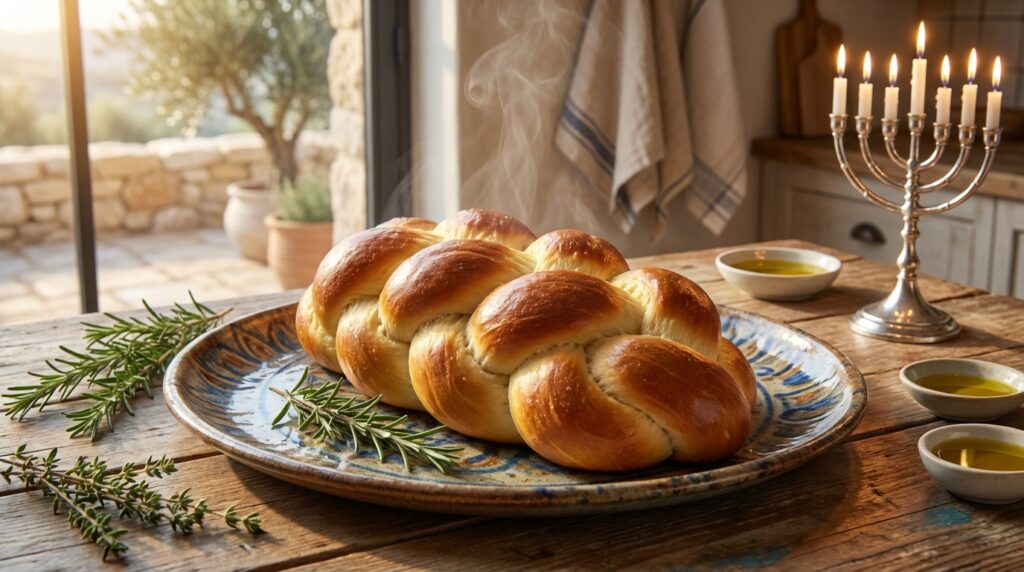

The origins of water challah trace back to the early days of Jewish communities in Eastern Europe. It was a staple for Shabbat and holidays, symbolizing sustenance and community. The lack of eggs in the recipe made it accessible to all, even during times of scarcity.
In Israel, water challah has become a cherished tradition, often baked fresh for family gatherings. Its soft texture and golden crust make it a favorite for both young and old. The process of braiding the dough is a meditative practice, connecting bakers to generations past.
Many families have their own unique twists on the recipe, adding seeds or sweeteners to personalize the flavor. Despite these variations, the core ingredients remain the same, preserving its historical essence. Water challah is more than just bread; it’s a link to heritage and identity.
The art of braiding challah is passed down through generations, often taught by mothers and grandmothers. Each braid is a symbol of unity, weaving together the stories and traditions of the family. This practice is not only about creating a beautiful loaf but also about preserving cultural heritage.
In modern times, water challah is enjoyed by diverse communities around the world. Its simplicity and versatility make it a popular choice for various occasions, from religious celebrations to casual dinners. The bread’s ability to bring people together is a testament to its enduring appeal.
Whether served plain or with toppings, water challah remains a beloved part of Israeli culinary culture. Its presence on the table signifies warmth, hospitality, and the joy of sharing a meal with loved ones. This timeless bread continues to inspire bakers and delight taste buds across the globe.