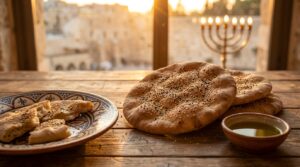
Traditional Yemenite Bread Recipe
6 March 13:34
222
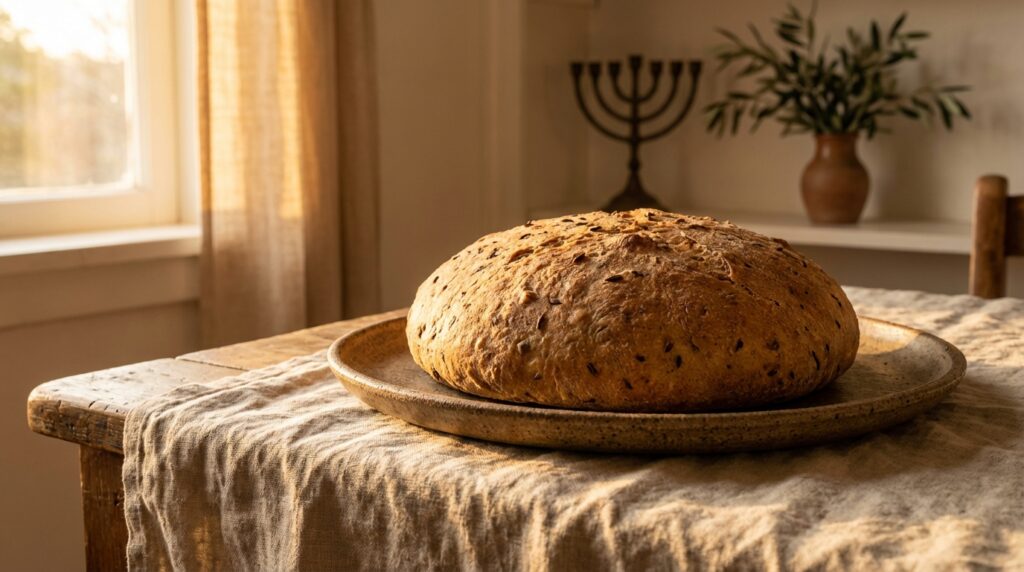

Ethiopian bread dabo has a rich cultural significance, often associated with celebrations and gatherings. It is traditionally baked in a clay pot, which gives it a unique texture and flavor. The bread is slightly sweet, making it a favorite for breakfast or as a snack with tea.
The preparation of dabo involves a simple yet meaningful process. Families often gather to bake this bread, sharing stories and laughter. The aroma of dabo baking fills the home with warmth, creating a sense of togetherness. This tradition has been passed down through generations, preserving the cultural heritage.
In Ethiopia, dabo is more than just bread; it is a symbol of hospitality and community. When guests arrive, offering dabo is a gesture of welcome and friendship. The bread’s soft texture and sweet taste make it a comforting addition to any meal, embodying the essence of Ethiopian culture.
The spices used in dabo, such as cardamom and fenugreek, add depth to its flavor. These spices are carefully selected to complement the bread’s natural sweetness. The use of traditional Ethiopian spices not only enhances the taste but also connects the bread to its cultural roots, making each bite a journey through Ethiopian culinary traditions.
Baking dabo is an art that requires patience and skill. The dough is allowed to rise slowly, which contributes to its soft and airy texture. This slow fermentation process is crucial, as it develops the bread’s flavor and ensures a perfect crumb. The result is a bread that is both light and satisfying, perfect for any occasion.
Ethiopian bread dabo is versatile and can be enjoyed in various ways. Whether served plain, with butter, or alongside traditional Ethiopian dishes, it complements a wide range of flavors. Its adaptability makes it a staple in Ethiopian households, cherished for its ability to bring people together over a shared meal.