Traditional Yemenite Bread Recipe
6 March 13:34
222

Bread has always been a staple in Israeli households, symbolizing sustenance and community. From the bustling markets of Jerusalem to family kitchens, bread-making is a cherished ritual. Each loaf carries stories of generations, connecting the past with the present.
The art of bread-making in Israel involves a blend of techniques passed down through families. The process is more than just mixing ingredients; it’s about honoring traditions and creating something that nourishes both body and soul. The aroma of freshly baked bread is a comforting presence in many homes.
In Israel, bread is often shared during meals, embodying the spirit of togetherness. Whether it’s a simple weekday dinner or a festive celebration, bread holds a place of honor at the table. It serves as a reminder of the importance of community and the joy of sharing food with loved ones.
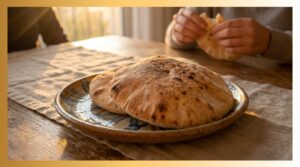
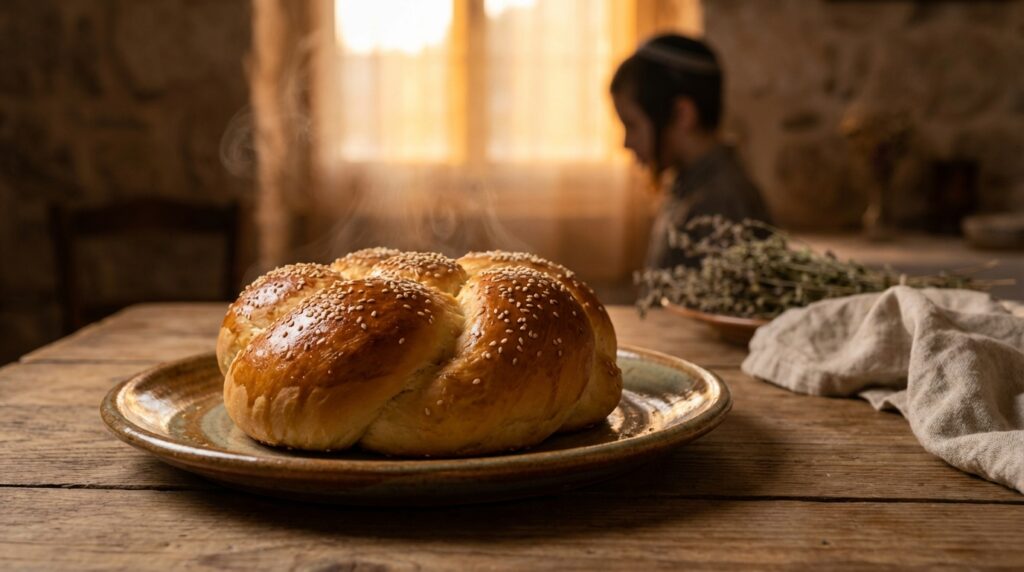
From challah to pita, each type of bread tells a unique story. Challah, with its braided form, is a symbol of unity and peace, often enjoyed during Shabbat. Pita, with its pocket, is perfect for holding flavorful fillings, making it a versatile choice for any meal.
The ingredients used in Israeli bread are simple yet meaningful. Flour, water, yeast, and salt come together to create something extraordinary. These basic elements are transformed through skill and care, resulting in bread that is both nourishing and delicious.
Baking bread is a sensory experience, engaging sight, smell, and touch. The feel of the dough, the sight of it rising, and the smell of it baking are all part of the magic. It’s a process that brings joy and satisfaction, connecting the baker to a long line of tradition.
While traditional recipes are cherished, there’s also room for creativity. Bakers often experiment with different flours, seeds, and spices, adding a personal touch to classic recipes. This blend of old and new keeps the tradition alive and exciting.
Bread-making workshops and classes are popular in Israel, attracting both locals and tourists. These gatherings are an opportunity to learn, share, and celebrate the art of baking. Participants leave with more than just a loaf of bread; they gain a deeper appreciation for the craft.
The role of bread in Israeli culture extends beyond the kitchen. It’s a symbol of hospitality and generosity, often given as a gift to welcome guests. Sharing bread is a way to express love and care, making it an integral part of social interactions.