Baking Shlissel Challah for Prosperity
30 March 10:05
180
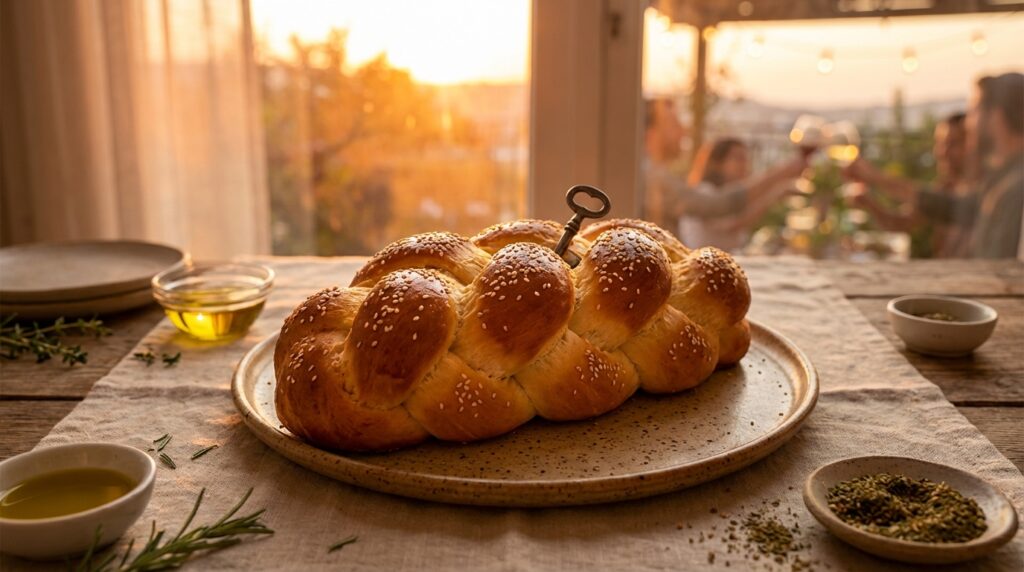

The tradition of Shlissel Challah dates back to Eastern European Jewish communities. It is baked after Passover, marking the beginning of a new season filled with hope and prosperity. The key shape, either baked into or placed on top of the bread, is a symbol of unlocking blessings for the coming year.
This custom is deeply rooted in Jewish culture, where bread is not just a staple food but also a symbol of sustenance and divine provision. The challah, with its rich, sweet taste, is often shared with family and friends, reinforcing bonds and community ties.
In many households, the preparation of Shlissel Challah is a cherished family activity. Children and adults alike participate in kneading the dough and shaping it into the iconic key form, creating memories that are passed down through generations.
The baking of Shlissel Challah is more than just a culinary task; it is an act of faith and tradition. Each ingredient is carefully measured and mixed, with prayers and wishes for a bountiful year whispered into the dough. The aroma of the baking challah fills the home, creating an atmosphere of warmth and anticipation.
Historically, the key shape in the challah is said to invite divine blessings into the home. It is a reminder of the spiritual and physical sustenance that bread provides, and the communal aspect of sharing this special bread with loved ones.
As the challah bakes, families gather to share stories and reflect on the past year, looking forward to the future with hope. The finished bread, golden and fragrant, is a centerpiece on the table, symbolizing unity and abundance.