
Discover the Story of Jewish Schnitzel
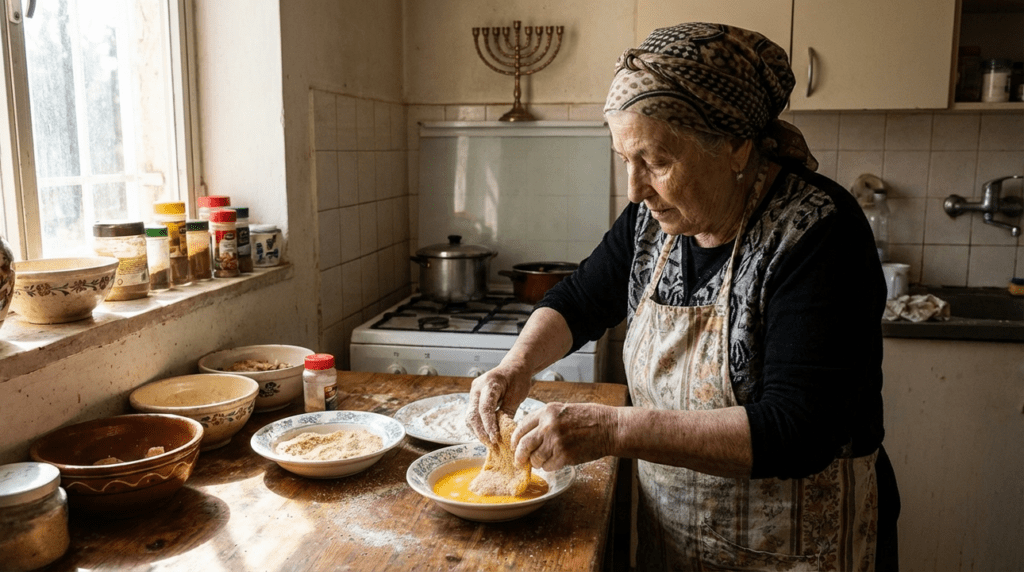

Schnitzel has become an integral part of Israeli cuisine, embraced by families and celebrated in local eateries. This dish, originally from Austria, was brought to Israel by Jewish immigrants from Europe.
Its evolution into a cultural staple in Israel reflects the diverse influences that shape Israeli culinary traditions. The adaptation of schnitzel to suit kosher dietary laws, such as using chicken or turkey instead of pork, is a testament to its integration into Jewish culture.
Our journey explores this culinary classic, known and loved as Jewish schnitzel. The dish gained popularity in the 20th century, particularly after World War II, as it was affordable and easy to prepare.
Today, schnitzel is a beloved comfort food in Israel, often served with sides like mashed potatoes or Israeli salad. Its presence in Israeli cuisine highlights the blending of cultural influences that define the nation’s food landscape.
Israeli Cookbook
Inspired by the Farms of Israel

Origins of Schnitzel
Schnitzel originally hails from Europe, best known as a breaded and fried meat cutlet. It is believed to have originated in Austria, where the Wiener Schnitzel, made from veal, became a national dish.
The dish found its way to Israel through Jewish immigrants from Central and Eastern Europe, particularly after WWII. These immigrants brought with them their culinary traditions, which adapted to local tastes and available ingredients, becoming a household favorite in Israeli cuisine.
In the post-war years, Israel saw a significant influx of Jewish immigrants from countries like Poland, Hungary, and Germany. These communities played a crucial role in introducing schnitzel to the Israeli palate.
Over time, schnitzel evolved to fit local preferences, often using chicken instead of veal due to dietary laws and cost considerations. This adaptation reflects the broader narrative of Jewish resilience and cultural integration.
Ingredients and Variations
Traditional schnitzel uses veal, but in Israel, chicken became the preferred choice due to dietary laws and cost. Jewish dietary laws, known as kashrut, often influence the choice of ingredients, making chicken a more accessible and affordable option.
This poultry variant, often called ‘Israelit schnitzel,’ captures the essence of Jewish dietary customs. The use of simple, readily available ingredients such as flour, eggs, and breadcrumbs is key to its widespread popularity.
The adaptation of schnitzel in Israel reflects the broader theme of Jewish culinary innovation. By using chicken, a more affordable and kosher-friendly option, the dish became accessible to a wider audience.
This change highlights the adaptability of Jewish cuisine, which often incorporates local ingredients while maintaining traditional flavors. The ‘Israelit schnitzel’ is a testament to this culinary creativity.
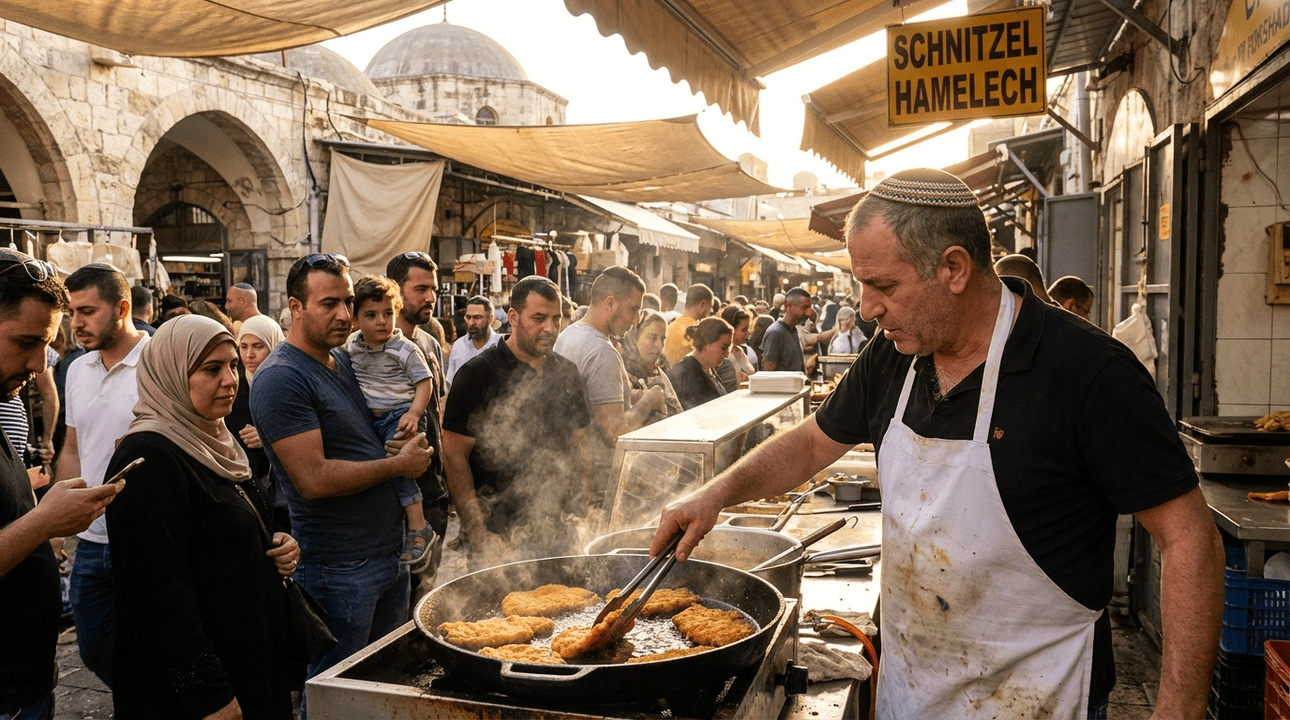
Preparation Techniques
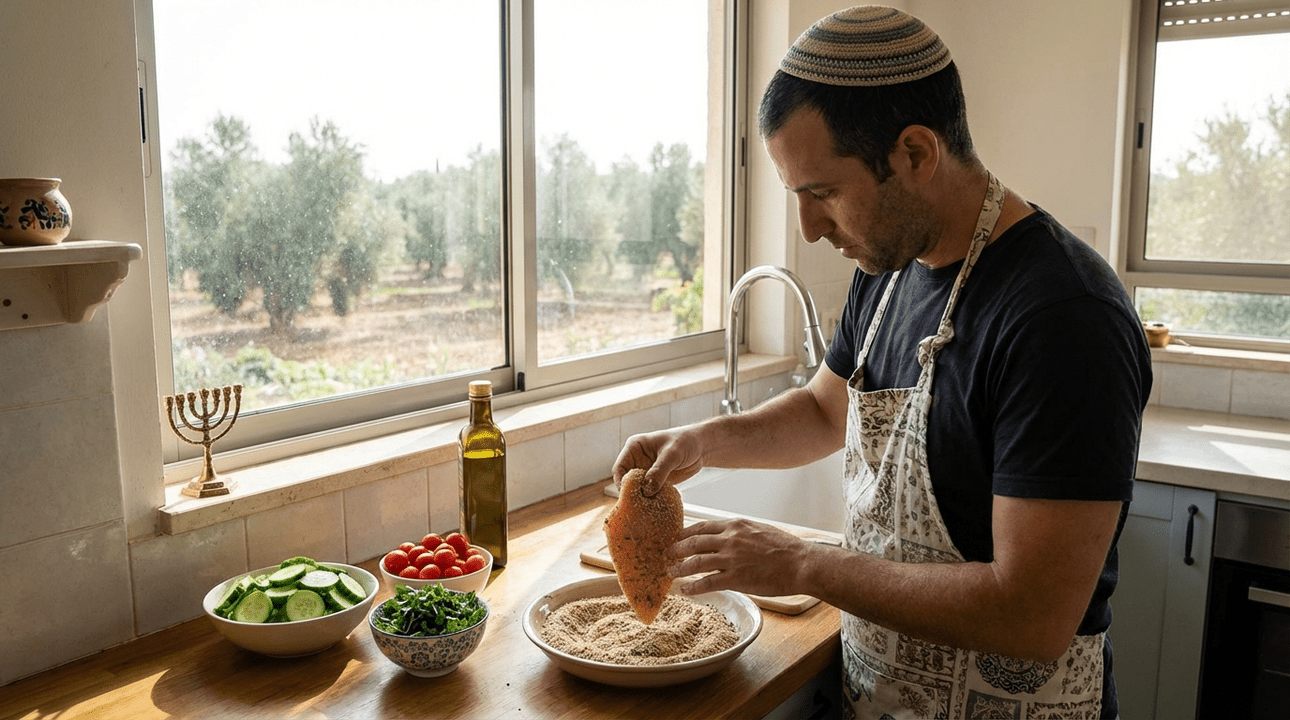
Preparing schnitzel involves pressing meat thin, coating it in flour, egg, and breadcrumbs, then frying until golden. This method, known as the Viennese style, creates a crisp exterior and tender interior, a beloved characteristic of the dish.
Each household has its variations, tweaking spices and coating thickness for personalized taste. Some families might add paprika or garlic powder to the breadcrumbs, while others prefer a thicker coating for extra crunch.
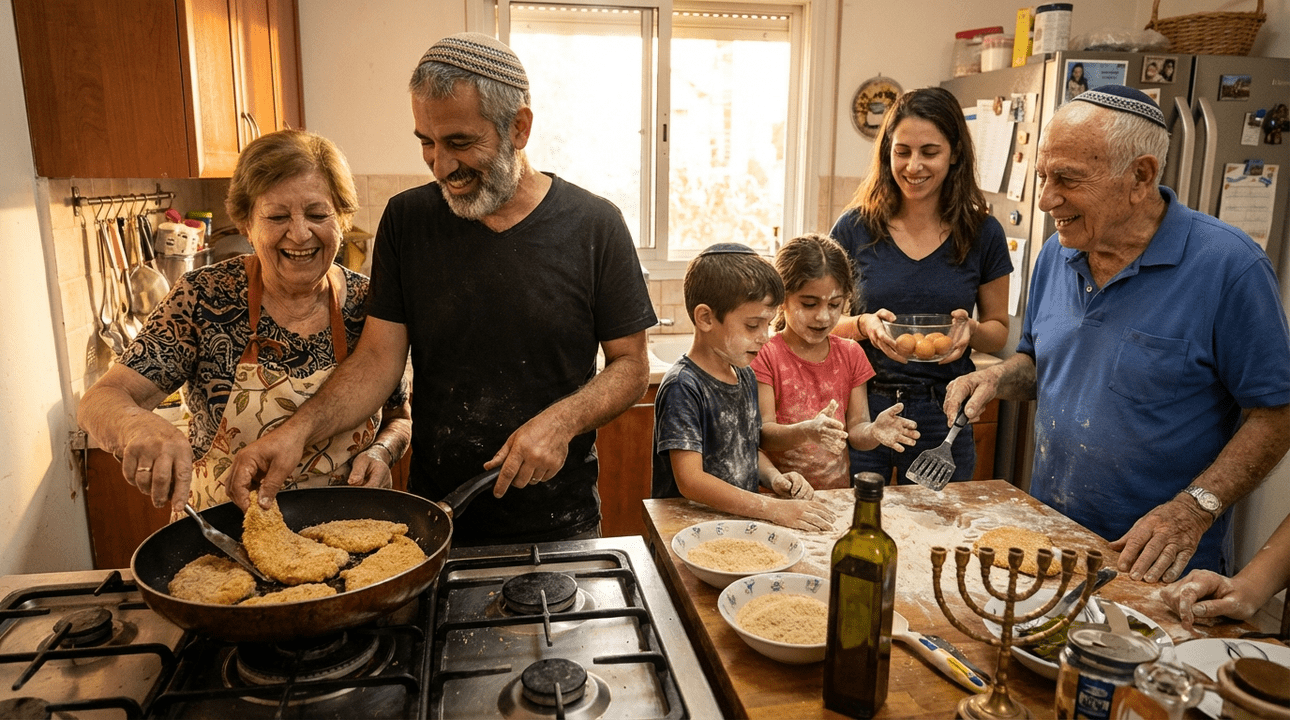
The process of making schnitzel is often a family affair, with each member contributing to the preparation. This communal activity strengthens family bonds and ensures that culinary skills are passed down through generations.
In Israel, schnitzel is not just a meal but a cultural experience, akin to preparing matzo ball soup during Passover or frying latkes for Hanukkah.
Cultural Significance in Israel
In Israel, schnitzel is more than just a meal; it’s a cultural icon. Its widespread popularity can be traced back to the 1950s when it became a staple in Israeli school lunches.
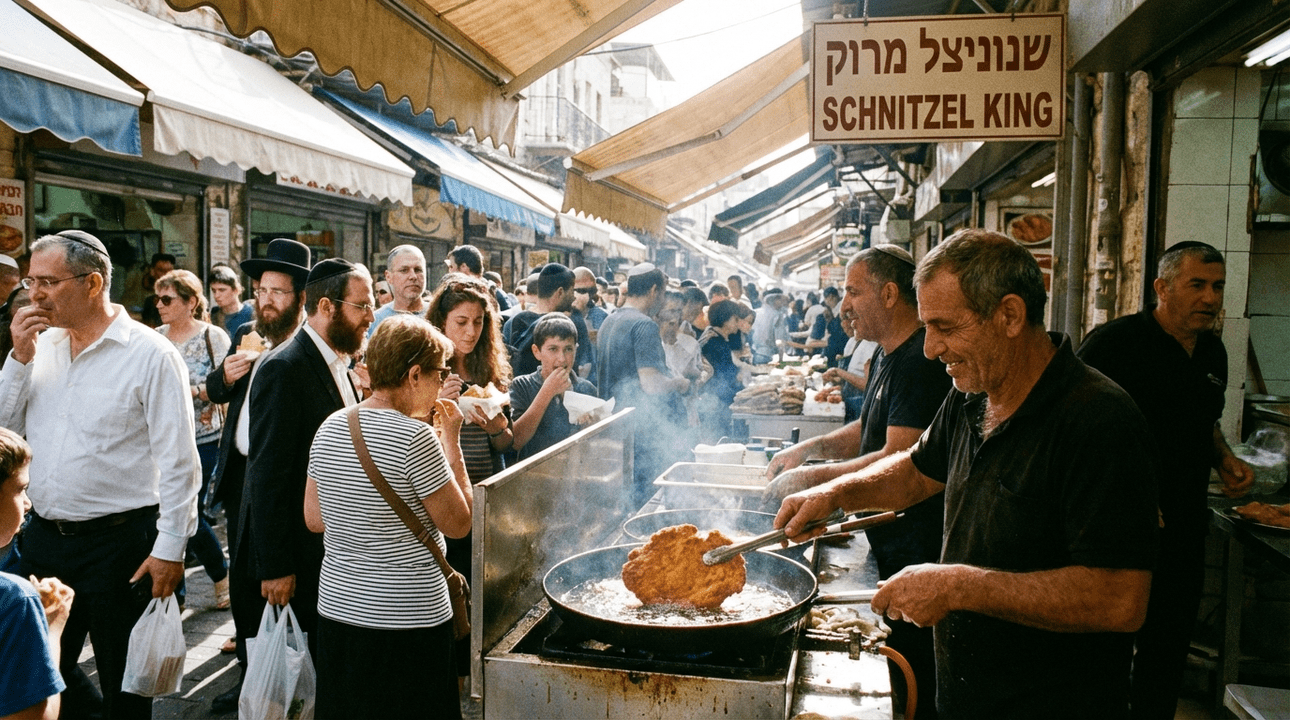
This dish is served in schools, homes, and restaurants, symbolizing comfort and nourishment. The communal act of making and sharing schnitzel fosters family connections and preserves cultural heritage, echoing the values of togetherness and tradition.
The introduction of schnitzel into Israeli school lunches in the 1950s marked a significant moment in its culinary history. It quickly became a favorite among children and adults alike, embodying the essence of comfort food.
This widespread acceptance of schnitzel highlights its role as a unifying dish, bridging cultural gaps and bringing people together around a shared table.
The preparation of schnitzel often involves family members coming together, each contributing to the meal. This tradition of shared cooking not only strengthens family bonds but also passes down culinary skills and recipes through generations.
Schnitzel’s role in Israeli culture is akin to that of matzo ball soup or falafel, embodying a sense of home and familiarity that resonates with many. It is a dish that brings people together, fostering a sense of community.
In many Israeli households, schnitzel is more than just a meal; it is an opportunity for family members to connect and share stories. The act of cooking together creates lasting memories and reinforces cultural traditions.
This communal experience is an integral part of Jewish life, where food often serves as a bridge between generations, preserving heritage and identity.
Schnitzel in Israeli Cuisine Today
Modern Israeli cuisine embraces fusion, and schnitzel is no exception. Creative variations include adding spices like za’atar or serving it with hummus for a local twist.
These adaptations reflect the innovative spirit of Israeli culinary trends while honoring tradition. The inclusion of local flavors not only enhances the dish but also showcases Israel’s rich culinary diversity, blending Middle Eastern and European influences.
The use of za’atar, a popular Middle Eastern spice blend, adds a unique flavor to schnitzel, giving it a distinctly Israeli touch. Serving it with hummus, another local favorite, further enhances its appeal.
These creative adaptations demonstrate the versatility of schnitzel and its ability to evolve while staying true to its roots, making it a beloved staple in Israeli cuisine.
Israeli Cookbook
Inspired by the Farms of Israel
Chefs across Israel experiment with schnitzel, incorporating ingredients like harissa or tahini to create unique flavor profiles. This fusion approach highlights the dynamic nature of Israeli cuisine, where tradition meets innovation.
Schnitzel’s adaptability makes it a canvas for culinary creativity, allowing it to evolve while remaining a beloved staple in Israeli households. The addition of Middle Eastern spices adds a local twist to this European classic.
The fusion of flavors in schnitzel is a testament to Israel’s diverse culinary landscape. By blending traditional European techniques with local ingredients, chefs create dishes that are both familiar and exciting.
This culinary innovation not only enhances the dish but also showcases Israel’s rich culinary diversity, blending Middle Eastern and European influences.
Healthier Alternatives
As dietary preferences shift, healthier schnitzel versions have emerged. These adaptations include baking instead of frying and using whole-grain breadcrumbs, offering nutritious alternatives.
Such changes cater to the growing demand for healthier meals without sacrificing flavor. This evolution ensures schnitzel remains relevant in health-conscious kitchens, appealing to those who seek to balance tradition with modern dietary needs.
Baking schnitzel instead of frying reduces the amount of oil used, making it a healthier option for those watching their fat intake. Whole-grain breadcrumbs add fiber and nutrients, enhancing the dish’s nutritional profile.
These modifications reflect a broader trend towards healthier eating habits, ensuring that schnitzel continues to be enjoyed by future generations while meeting contemporary dietary standards.
Innovative recipes now incorporate ingredients like quinoa or almond flour, providing gluten-free options for those with dietary restrictions. These adaptations cater to the growing demand for healthier meals without sacrificing flavor.
Incorporating alternative flours not only makes schnitzel accessible to those with gluten sensitivities but also adds a new dimension to its taste and texture, reflecting a broader trend in Israeli cuisine towards mindful eating.
These healthier versions of schnitzel reflect a broader trend in Israeli cuisine towards mindful eating, where traditional dishes are reimagined to meet contemporary health standards while still honoring their origins.
This approach aligns with global culinary trends that emphasize sustainability and health, ensuring that schnitzel remains a beloved staple in modern kitchens.
Conclusion and Reflection
Jewish schnitzel continues to delight with its versatility and comforting taste. It stands as a testament to cultural integration and adaptation, carrying history and flavor in each bite.
Exploring its journey conjures memories of shared meals and family traditions across generations. The dish’s enduring popularity speaks to its ability to connect people, transcending cultural and generational boundaries.
Schnitzel’s appeal lies in its simplicity and adaptability. Whether served at a family dinner or a festive gathering, it brings people together, celebrating the rich tapestry of Jewish culinary heritage.
Its journey from Europe to Israel is a story of resilience and transformation, much like the Jewish people themselves, who have adapted and thrived in new environments.
Schnitzel’s story is one of resilience and adaptation, mirroring the broader narrative of Jewish history and culture. Its presence on the table serves as a reminder of the past while looking forward to future culinary innovations.
As families gather to enjoy schnitzel, they partake in a tradition that celebrates heritage and the simple joys of a shared meal. This dish, much like the Jewish people, has traveled and transformed, yet remains rooted in its origins.
The evolution of schnitzel in Israel is a reflection of the country’s rich tapestry of cultures. Each bite carries with it the history of Jewish migration and adaptation, from the streets of Vienna to the bustling markets of Tel Aviv.
The dish’s enduring popularity speaks to its ability to connect people, transcending cultural and generational boundaries. It is a culinary symbol of unity, bringing together diverse communities around a shared table.
Understanding Schnitzel
