Lev Haolam logo – Israel gift box company
Join now
Lev Haolam
  • Home
  • To The Top
  • Who We Are?
  • How It Work
  • Membership
  • Our Boxes
  • Testimonials
  • FAQ
  • Blog
    • Articles
    • Recipes
    • Gift Boxes
  • Career
Log In
Join now
Log In
Join now
  1. Home
  2. Blog
  3. Food and Beverages from Israel

Exploring the Unique Flavors of Israeli Food and Beverages

Discover the diverse and rich culinary landscape of Israel. From traditional dishes to modern creations, Israeli food and beverages offer a unique taste experience. Support local producers and enjoy authentic flavors that connect you to the heart of Israel.
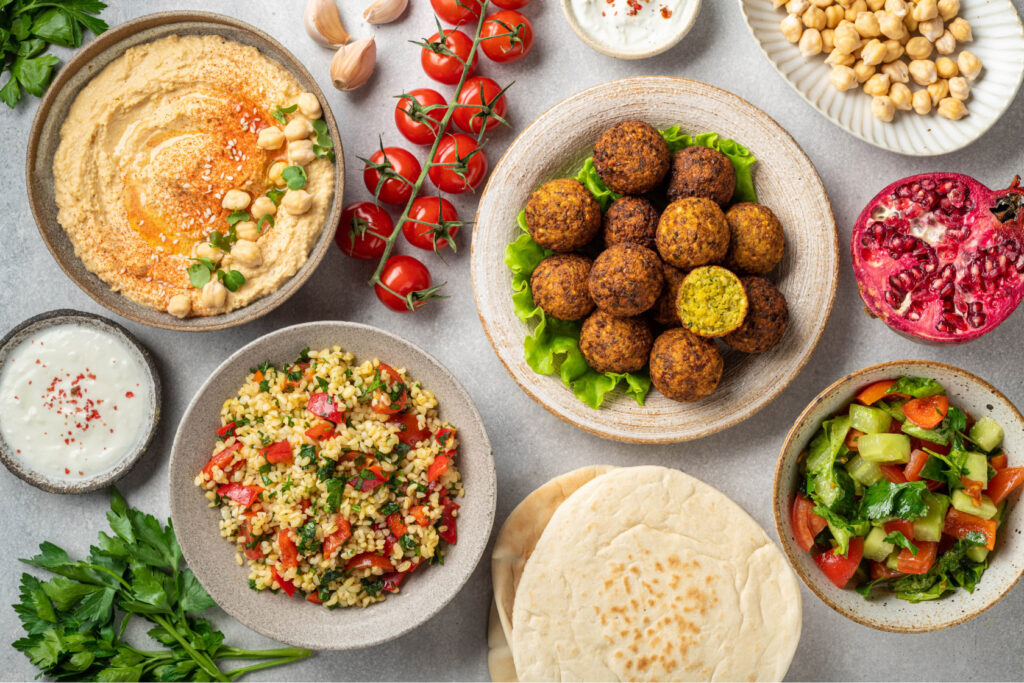
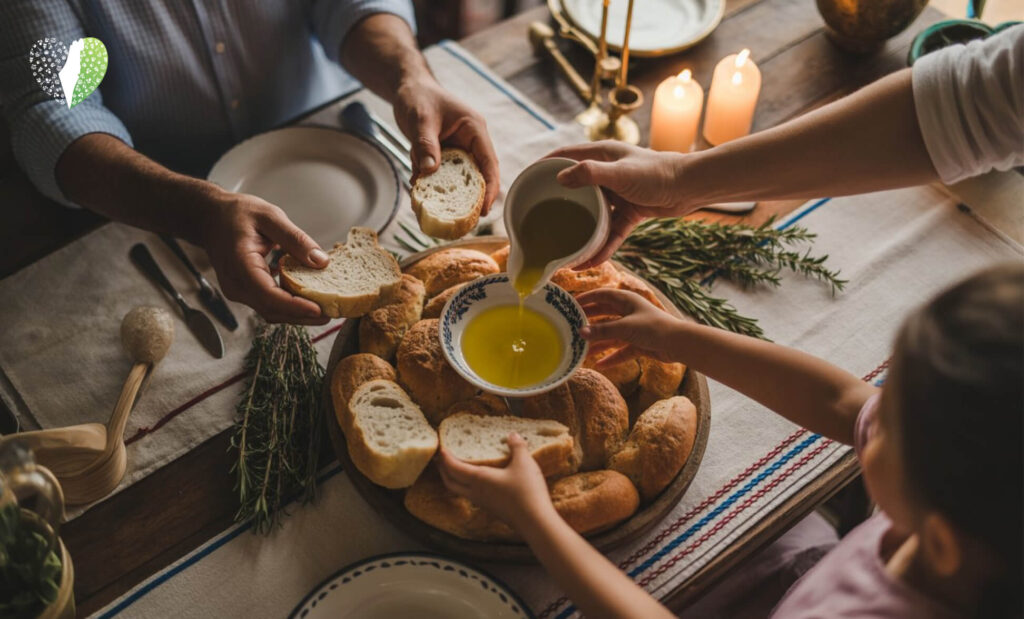
Assorted Israeli dishes and beverages
Freshly baked pita bread on a wooden table

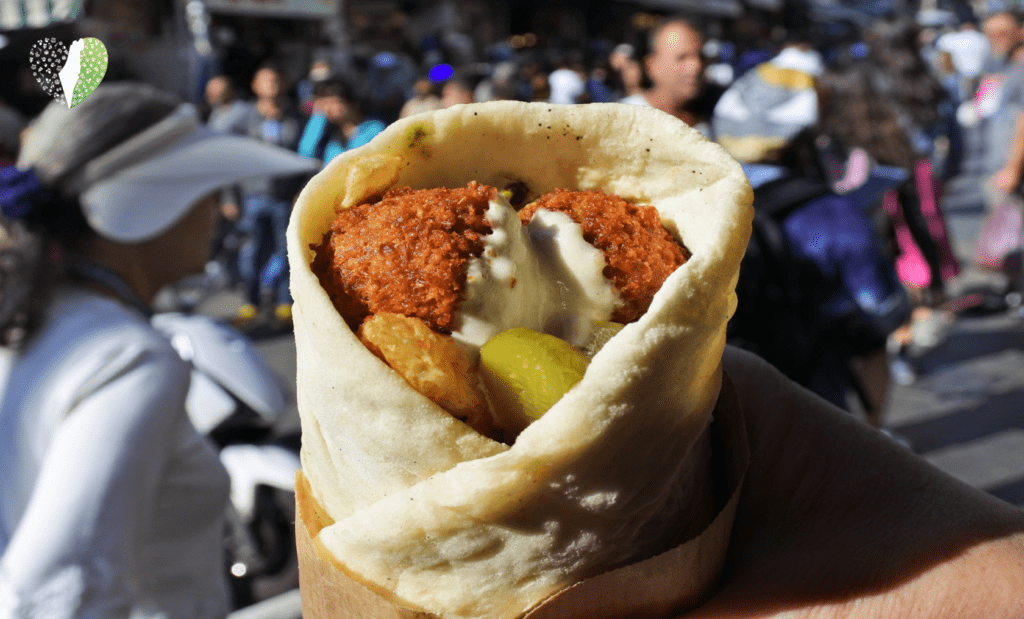
What Goes Inside a Pita? A Journey Through Israel’s Regional Food Traditions

One Bread. Countless Traditions. ​ Ask ten Israelis what belongs inside the perfect pita and you’ll probably hear ten different answers. Some will tell you that tahini is the ingredient that brings everything together. Others insist that falafel should always be made fresh and served immediately. Some families pile their pita high with chopped salads, herbs, and pickles, while others prefer just a handful of carefully chosen ingredients that allow each flavor to shine. Every family has its own version – and every version is right. That’s because Israeli cuisine has never been about following one universal recipe. Instead, it...
Show more
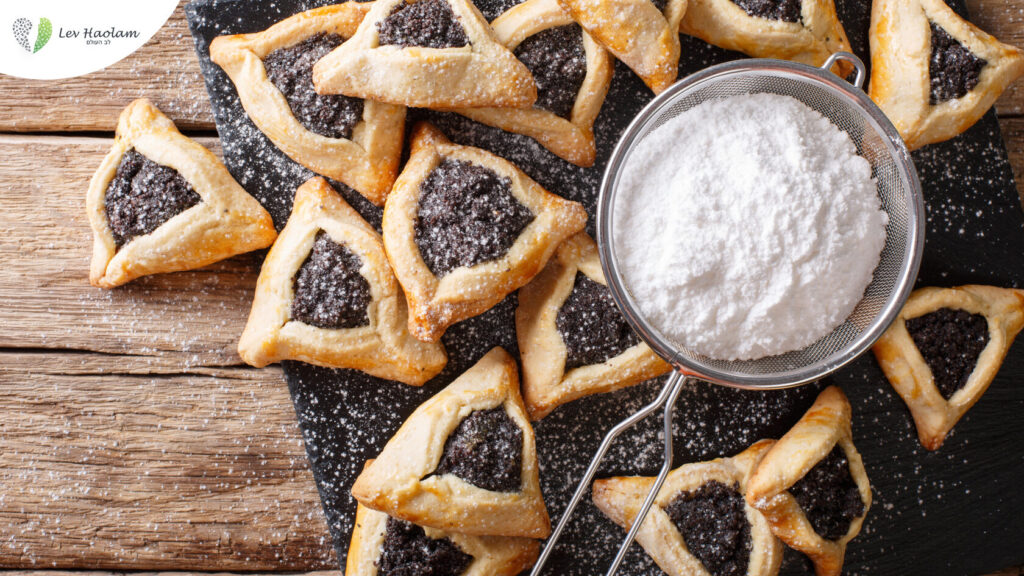
A plate of Oznei Haman cookies with poppy seeds

Do you like cookies? Then you’ve going to love Oznei Haman!

Celebrate the Purim festival with delicious Oznei Haman cookies! Oznei Haman, Hamentaschen. Whatever name you use, you need to make these famous cookies inspired by the events of the Purim story! During the rule of King Achashverosh of the Persian Empire, a plot was hatched by his evil advisor, Haman, to destroy the Jews. A series of events occurred in which the future Queen would turn out to be Esther, a Jewish girl, who along with her cousin, Mordechai, the leader of the Jews, managed to foil Haman’s wicked plans. Purim is celebrated by Jewish people all around the world....
Show more
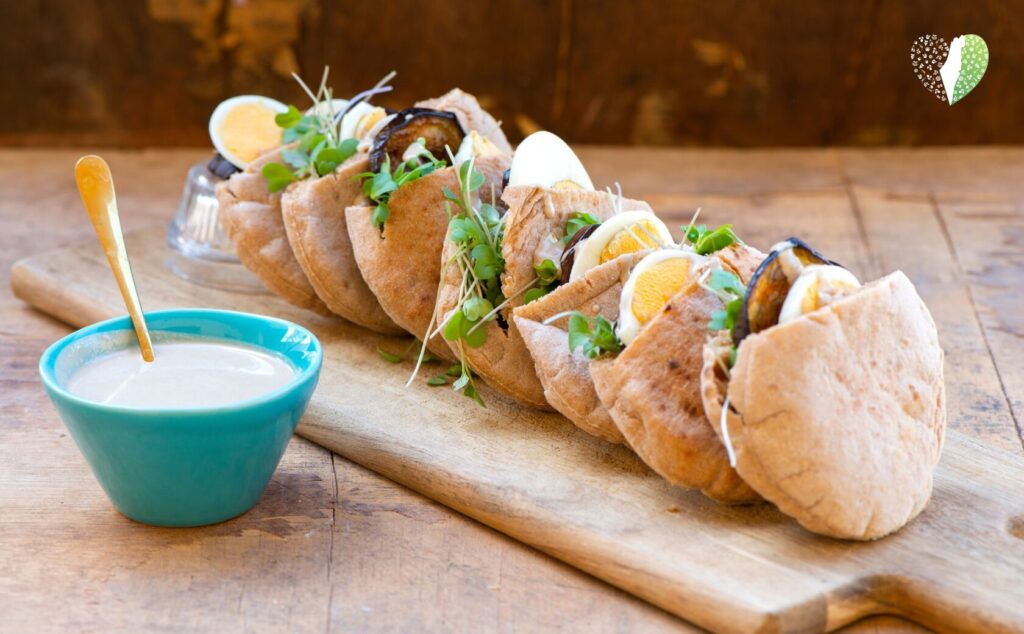
Sabich sandwich with egg and vegetables

There’s a new player on the Israeli food scene, Sabich!

With its origins going back hundreds of years to Iraqi Jewry, Sabich has been transformed from a traditional Shabbat morning breakfast to an Israeli street food snack that rivals falafel! From the Jewish homes of Baghdad to the Streets of Israel. The ingredients of Sabich slow-cooked hard-boiled eggs, and deep-fried aubergine would make up the traditional Shabbat morning breakfast for the Jewish communities of Iraq. As those who observe Shabbat are not permitted to light a fire on Shabbat, the aubergine would be pre-fried before Shabbat. The eggs were prepared as part of the main meal for Shabbat day. This...
Show more
Golden flaky borekas filled with cheese

Borekas: Savor these flaky, delicious Israeli pastries!

When you need something tasty, filling, delicious, and a great value, borekas are the answer to hunger pangs! From cheese to mushrooms to squash and even pizza, Borekas are a delicious Israeli treat. Discover the Delicious Legacy of Borekas: A Rich Culinary Heritage Originating from the diverse culinary traditions of Israel, borekas have a past that dates back centuries. Some trace borekas’ roots to Sephardic Jewish cuisine, while others attribute their creation to Turkish or Balkan influences. Regardless of their origins, borekas are a delicious part of Israeli cuisine, beloved for their versatility, flavor, and comforting appeal. A simple yet...
Show more

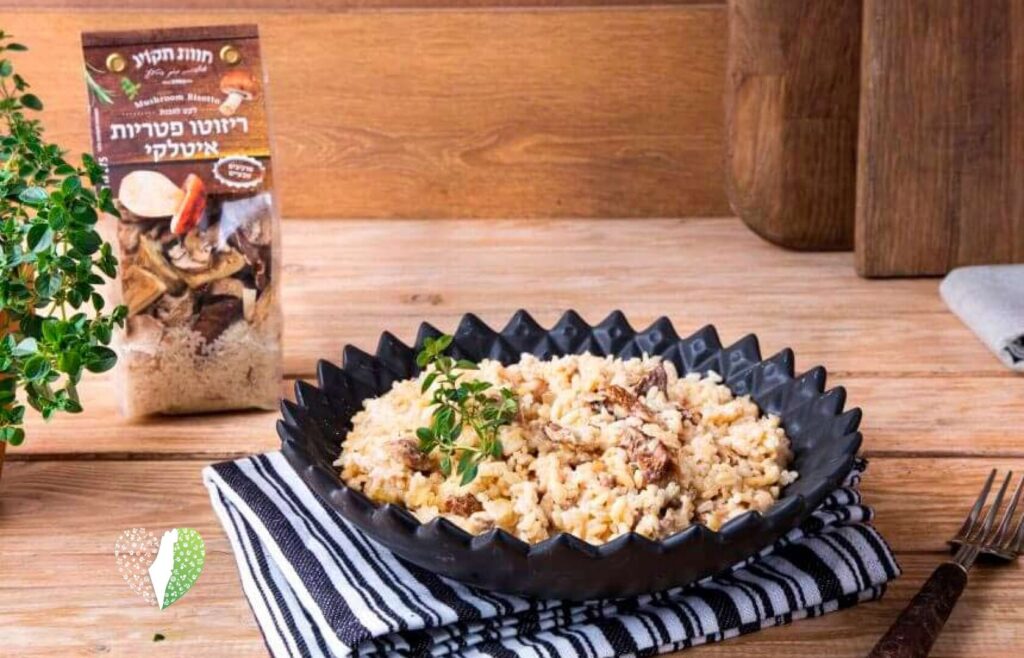
Mushroom Risotto Tekoa Farms

Since its founding, Tekoa Farms has endeavored to broaden its range of unique food items for the Israeli table, to achieve the highest standards and respond to growing demand from our customers for natural and healthy food… Today, thanks to wide variety, easy availability and low prices, “our treasures” can be found in almost every kitchen in Israel. Mushroom Risotto By Tekoa Farms Originally featured on tekoafarms.co.il Ingredients: 1 bag of Tekoa Farms Mushroom Risotto1/3 cup canola oil or other good quality vegetable oil1 onion or 3 shallots - chopped.1 tsp saltA pinch of pepper900 ml (3.75 cups) water40 grams (1.4 oz) butter100 ml (a half cup) sweet cream3 tbsp grated parmigiana cheese Preparation: 1. Heat the oil on medium flame and sauté the onions for 3-4 minutes. 2. Add the rice and mushroom mixture, salt and pepper, and continue to sauté for another minute or until the rice is heated. 3. Add the water and bring to a boil. 4. Reduce the flame and continue to cook uncovered for about 15 minutes while intermittently stirring with a wooden spoon until the water is absorbed by the rice and a creamy consistency is attained. 5. Add the sweet cream and continue to stir until the sweet cream is well mixed into the rice. 6. Taste and add salt if necessary. 7. Remove from the flame. Gently stir in the butter and grated parmigiana cheese until the butter is melted. The rice should be moist but a small hard dot should remain in the middle of the grains. 8. Serve immediately. Tekoa Farms Tekoa Farms was founded by Mira Weigensberg and Oren Kessler in 1986. They specialize in cultivation of high quality fruits and vegetables. Tekoa Farms is located not far from the ancient palace of King Herod on Mount Herodion, and has an unforgettable view. The hills of the desert lay on one side while lush greenery can be seen on the other.
Show more

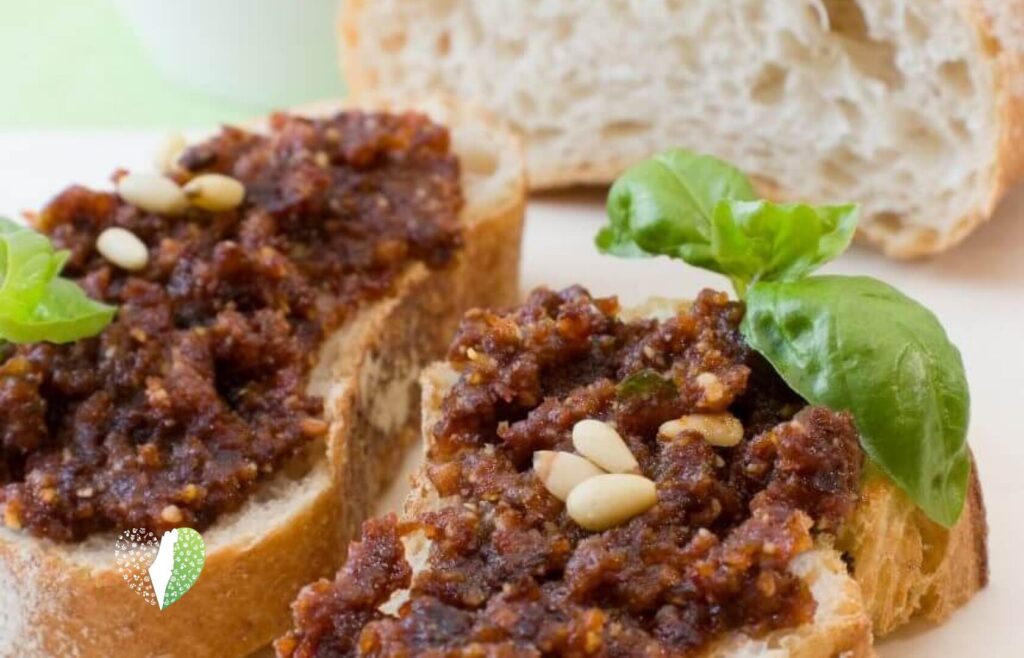
Tomato Spread Tekoa Farms

Ingredients: 1 bag of Tekoa Farms dried tomatoes2 cloves of garlic2 stems of fresh basil2 tablespoons of olive oilSalt and ground black pepper Preparation: 1. Soak the tomatoes in a bowl of boiling water for half an hour, drain and then blend in a blender with the garlic and basil. 2. While blending, add the olive oil gradually until the mixture becomes thick and smooth in texture. 3. Add pepper and salt to taste and serve. “Since its founding, Tekoa Farms has endeavored to broaden its range of unique food items for the Israeli table, to achieve the highest standards and respond to growing demand from our customers for natural and healthy food… Today, thanks to wide variety, easy availability and low prices, “our treasures” can be found in almost every kitchen in Israel.”
Show more

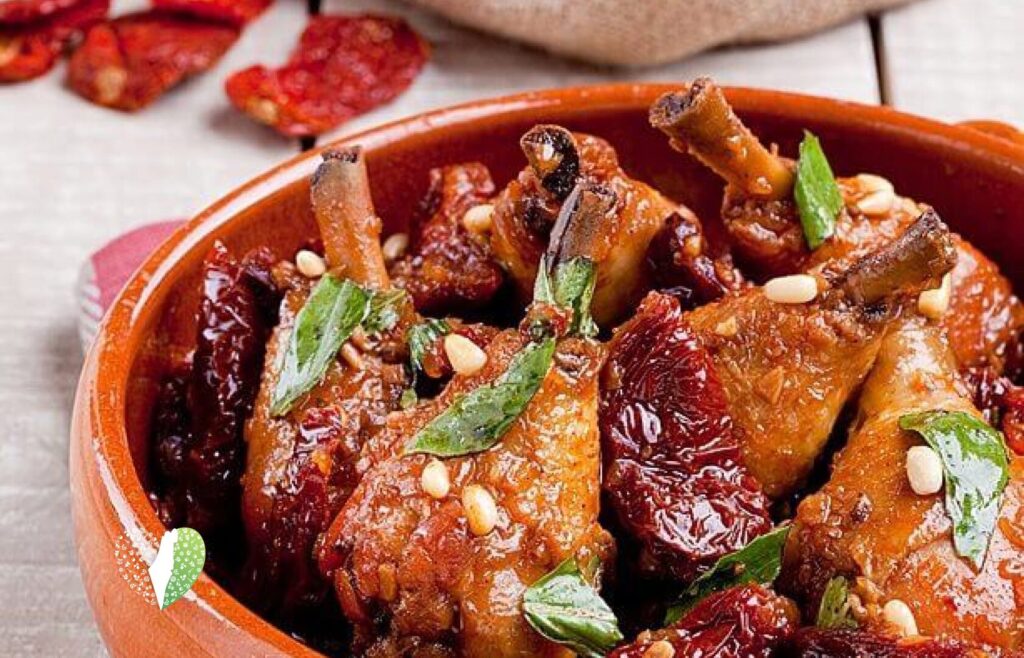
Chicken Tekoa Farms

Tekoa Farms was founded by Mira Weigensberg and Oren Kessler in 1986. They specialize in cultivation of high quality fruits and vegetables. Tekoa Farms is located not far from the ancient palace of King Herod on Mount Herodion, and has an unforgettable view. The hills of the desert lay on one side while lush greenery can be seen on the other. Chicken with Sun-dried Tomatoes, Ginger & Honey By Tekoa Farms Ingredients: 4 chicken pieces1/3 cup canola oil2 shallot onions, chopped1 bag of Tekoa Farms dried tomatoes3 cloves garlic, choppedfresh ginger, finely grated2 tsp fresh lemon juice1 tsp sweet paprika4 tbsps white wine/semi-dry4 tbsps honey1 cups watera small amount of salt and pepper1/4 bunch basil leaves, roughly chopped½ tsp peeled pine nuts Preparation: 1. Heat oil in a wide and flat pot. Brown chicken pieces and remove from pan. 2. Steam onions in the same pot, mix with a wooden spoon until they become light yellow. 3. Add paprika, ginger, garlic, and honey to onions. Mix over high heat for 1 minute. Add wine. Reduce heat. 4. Return chicken to pot. Add water and lemon juice. Season with a small amount of salt and pepper. Bring to a boil. Reduce heat, cover, and cook for 20 minutes. 5. Soak dried tomatoes in warm water for 10 minutes. Remove tomatoes from water. Cut into thick strips. Gently add tomatoes to the pot, in between pieces of chicken. Continue to cook for an additional 10 minutes. 6. Remove pot cover and continue to cook until sauce is a thick glaze. 7. Add basil before the end of cooking. Decorate with pine nuts. “Since its founding, Tekoa Farms has endeavored to broaden its range of unique food items for the Israeli table, to achieve the highest standards and respond to growing demand from our customers for natural and healthy food… Today, thanks to wide variety, easy availability and low prices, “our treasures” can be found in almost every kitchen in Israel.”
Show more

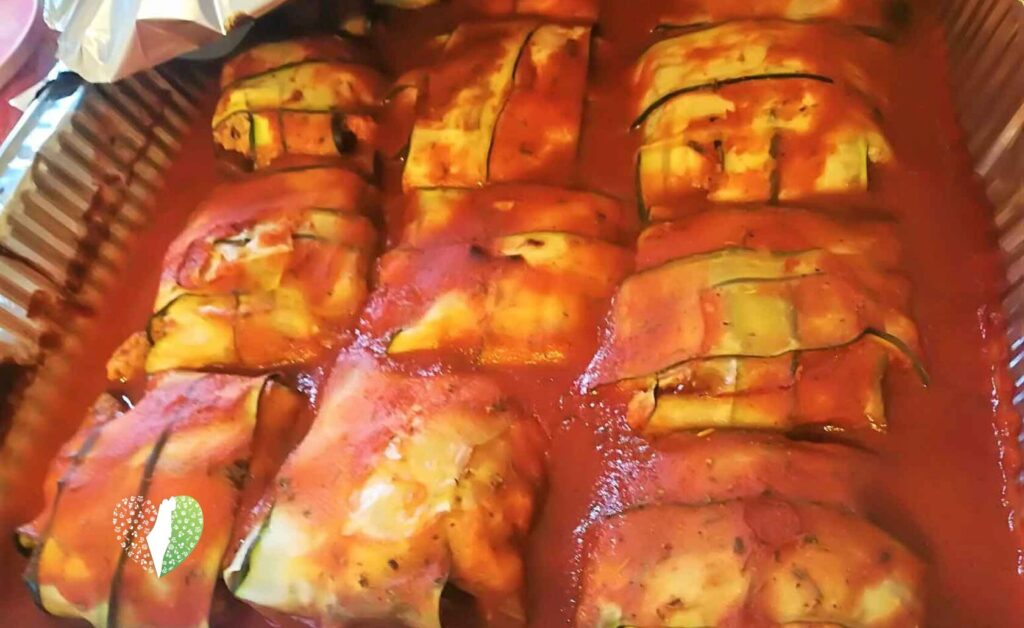
Zucchini Wrap

Adina Harris Adina, though born in America, spent most of her early childhood in Israel. After she relocated with her family to Arizona in 2001, she decided to return home to Israel as an adult. She met her husband here and, together, they settled in Kochav Yaakov. Adina loves to cook and has been enjoying posting pictures of her food on her instagram (@adina.harris.foods). She blends her French/Algerian background with the American and Israeli foods she grew up loving.Kochav Yaakov Kochav Yaakov is a religious community in the region of Benyamin, in between Jerusalem and Bet El, about 20 minutes north of Jerusalem. In 2016 it had a population of 7,394 and is home to a diverse group of native Israelis and immigrants. There are synagogues from around the world, to match the diversity of the people, including many Sephardi synagogues, an Ashkenazi synagogue (Eastern-European), North African, and Yemenite. “I love the realness of the people in Israel. I choose to line in Kochav Yaakov because it’s close to Jerusalem and I love the community feeling of the yeshuv and with all different nationalities living there, it’s a beautiful melting pot of people who love Israel with their whole heart.” Zucchini Wrap By Adina Harris Ingredients: 1 kilo (2.2 lbs) ground turkey4 long ZucchiniSalt, pepper, garlic powder, thyme, oregano and paprikaOlive oilPack of mushrooms1 onion, chopped finelyTomato Sauce *If you want to be adventurous, you can use this recipe to create individual moussaka wraps by substitute the ground turkey with ground meat and the zucchini with eggplant. Preparation: 1. Preheat oven to 180C/350F 2. Wash the zucchini and use a peeler to peel zucchini in the same place repeatedly to get strips. The longer the zucchini the easier it will be to make the wrap. 3. Take the mushrooms and onions, saute over olive oil with salt and pepper until cooked/soft. Set aside. 4. Heat 2 tbs. of olive oil in a large skillet over medium-high heat then add in ground turkey. 5. Flavor with salt, pepper, garlic powder, thyme, oregano and paprika to taste. 6. Mix everything together and, using a wooden spoon or spatula, break the meat into small pieces and cook until lightly browned. 7. Place two zucchini strips vertically, and two horizontally so that they are perpendicular. It should look like a plus sign. Spoon in some turkey and some of the mushroom mixture. 8. Fold the bottom/top of the zucchini strips over the filling, then the left/right strips, to create the wrap. 9. In a pan, cover the bottom with tomato sauce, then place the zucchini wraps inside. Drench the remaining tomato sauce over the wraps and put in the oven for 30 min. Enjoy!
Show more

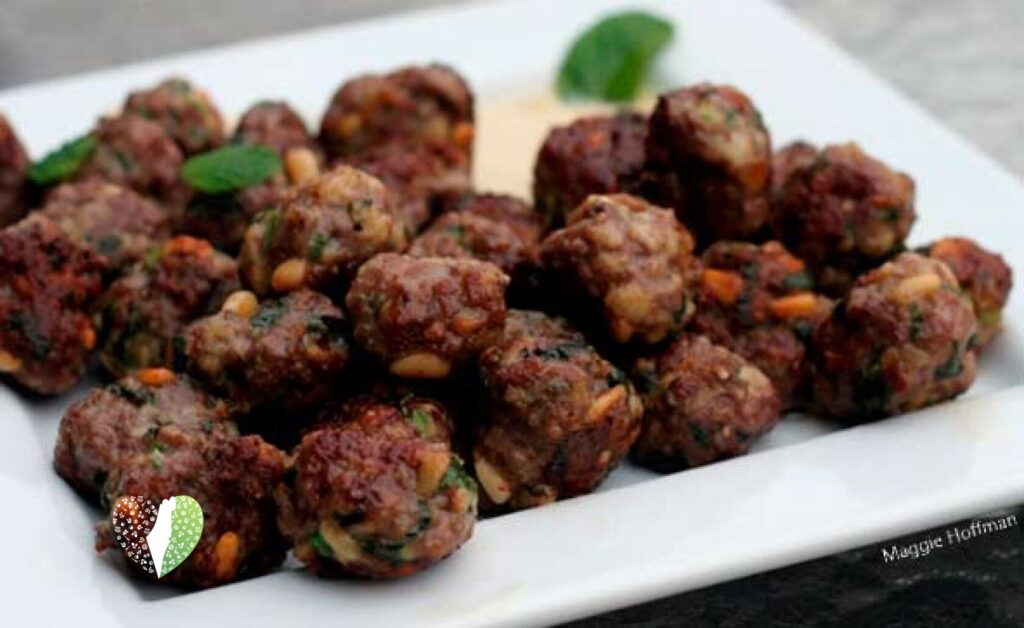
Tunisian Meatballs

Yoram Cohen Yoram grew up in Netivot as one of 17 siblings. After getting expelled in the 8th grade, he lost his faith in people and started to wander from community to community in Judea and Samaria as they were being built. He always wanted to reconnect and after serving in the Israeli Army, he went to Yeshiva (Talmudic college). There, he was introduced to his wife Ayelet. Together, thy live in Ofra with their eight children. In addition to pursuing a high-level religious education, Yoram opened up the Tanya Winery and became a photographer. Ofra On the border between the hills of Binyamin and Samaria, Ofra is a religious community north of Jerusalem, situated on the slopes of Ramat Hatzor. The town council belongs to the Benyamin regional council and was established on the 9th of Iyar 5735 (1975). Ofra was the first Jewish town to be built in Samaria after the Six Day War. Today, there are over 600 families living here. “I was always different, and my way to G-d is also different.” Tunisian Meatballs By Yoram Cohen Ingredients: 1/2 kg. chicken breast, cut into small pieces2 finely cut onionCrushed head of garlic2 boiled potatoes, mashed into pureeFinely chopped dill, parsley and coriander (including stalks)BaharatGround ChiliBlack Pepper1 t. drinking soda/seltzer (this is the “secret” of making airy meatballs)Oil for frying Preparation: 1. Mix all the ingredients and season according to taste 2. Roll the meatballs with wet hands. It is preferable to prepare all of them before frying to ensure consistency. 3. Heat oil in a pan and fry the meatballs on both sides until they are brown.
Show more

Piquant Soup

Tekoa Farms Tekoa Farms was founded by Mira Weigensberg and Oren Kessler in 1986. They specialize in cultivation of high quality fruits and vegetables. Tekoa Farms is located not far from the ancient palace of King Herod on Mount Herodion, and has an unforgettable view. The hills of the desert lay on one side while lush greenery can be seen on the other. “Since its founding, Tekoa Farms has endeavored to broaden its range of unique food items for the Israeli table, to achieve the highest standards and respond to growing demand from our customers for natural and healthy food… Today, thanks to wide variety, easy availability and low prices, “our treasures” can be found in almost every kitchen in Israel.” Piquant Soup By Tekoa Farms Ingredients: 1 bag of Tekoa Farms dried mushrooms4 diced cloves of garlic2 thinly diced shallots2 teaspoons of thinly diced ginger root4 cups chicken or vegetable broththinly diced scallionsa handful of bean sprouts,3 tablespoons of diced cilantro1 teaspoon of lemon/lime juice3 tablespoons vegetable oil1 spicy pepper, dicedsalt Preparation: 1. Soak the mushroom mix in a cup of hot water for about ½ an hour. 2. Fry the garlic over a low flame until light brown, add the shallots and ginger and continue to fry until the garlic becomes dark brown but not burned. 3. Add the chicken/vegetable broth. 4. Drain and squeeze the water out of the mushrooms and add to the soup. (Save the mushroom liquid) 5. Add the mushroom liquid and bring to a simmer for a few minutes; season with lemon and salt to taste. 6. In a serving bowl arrange green onions, hot peppers, sprouts and cilantro and pour the soup into the bowl. *It is recommended to add rice noodles to the soup that have been soaked in cold water an hour previously.
Show more
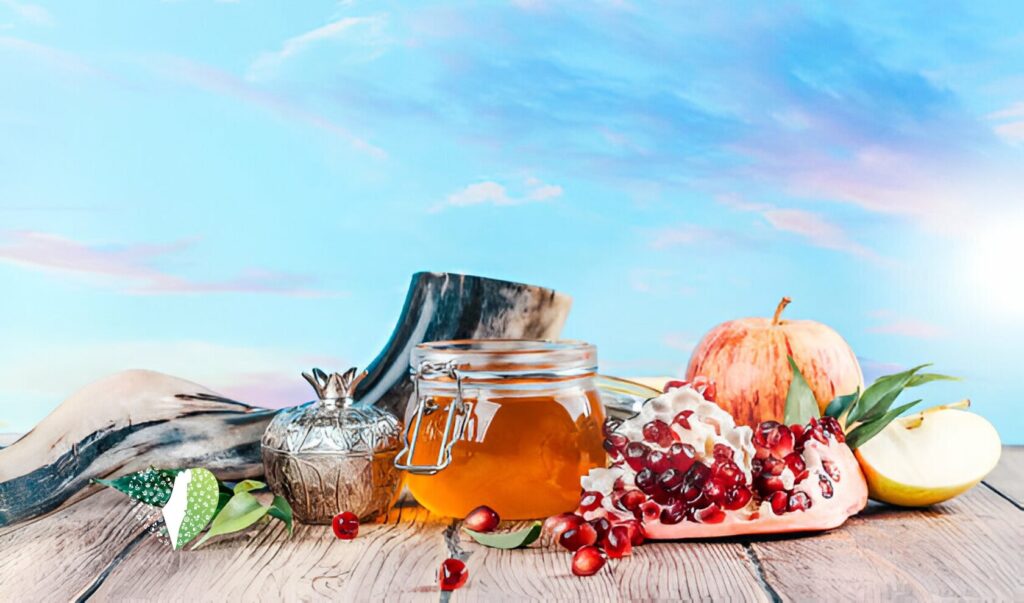
Traditional Rosh Hashanah meal with symbolic foods

Delicious Traditions: Cooking for Rosh Hashanah

Celebrate Rosh Hashanah with a delightful blend of traditional dishes and modern twists. Explore symbolic foods, innovative recipes, and hosting tips to make your holiday meal unforgettable. Dive into the Deep Symbolism Behind Classic Rosh Hashanah Foods Rosh Hashanah foods are more than just tasty treats; they’re rich with history and tradition, each carrying deep symbolic meaning. Let’s start with apples dipped in honey. It is not just a sweet snack. On Rosh Hashanah, dipping apples in honey is a heartfelt wish for a sweet and prosperous new year. Combining good health symbolized by the apple and the sweetness of...
Show more
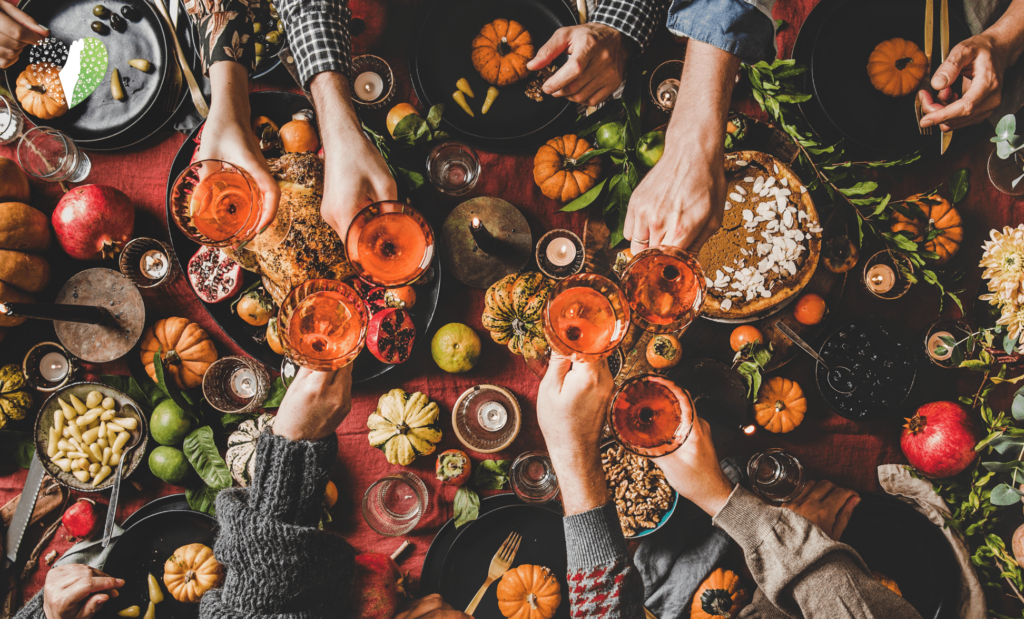
A vibrant spread of Israeli dishes for Thanksgiving

Thankful Tastes: Israeli Flavors for Your Thanksgiving Table

With a unique blend of flavors and vibrant ingredients, Israeli dishes offer a fresh perspective on traditional holiday fare. Incorporating these culinary delights into your Thanksgiving table not only introduces your guests to the rich tapestry of Israeli culture but also fosters an atmosphere of appreciation and togetherness. Israeli-Inspired Dishes to Elevate Your Thanksgiving While Thanksgiving staples like turkey, stuffing, and mashed potatoes are beloved traditions, there’s always room to bring something new to the table. Israeli cuisine offers a variety of dishes that reflect the land’s bounty and its people’s love for food. Here are some Israeli-inspired dishes that...
Show more
Traditional Israeli cheesecake on a festive table

A Slice of Shavuot: The Story Behind Traditional Israeli Cheesecake

Why We Eat Dairy on Shavuot There are many beautiful interpretations of the Shavuot dairy tradition. Some say it’s because the Torah is likened to milk – nourishing and pure. Others remind us that upon receiving the Torah, the Israelites had no kosher meat ready, so they prepared simple dairy meals. Whatever the reason, Shavuot became a holiday filled with soft cheeses, blintzes, and – most famously – cheesecake.The Israeli take on this dessert is light, airy, and subtly sweet – often made with gvina levana (a creamy white cheese) and brightened with citrus or vanilla. The Classic Israeli Cheesecake...
Show more
Pioneers cultivating the land with passion and hope

More Than Food: Bringing Israel’s Pioneers, Recipes, and Hope to Your Table

Every Taste, a Thread in Israel’s Living Tapestry ​ Their story is echoed by desert farmers and Golan Heights beekeepers – real pioneers who turn hope into harvest. Every jar of honey, bottle of olive oil, and blend of za’atar is a living message – a bridge from their homeland to yours. When you discover a new recipe, savor a new flavor, or share these stories with loved ones, you become a cherished thread in Israel’s tapestry. You help hold their legacy strong and bright, right from your own kitchen table. 🌿 🇮🇱 Real Recipes, Real Lives – A Journey...
Show more
A beautifully set Thanksgiving table with Israeli dishes

Bring the Flavors of Israel to Your Thanksgiving Table

Make this Thanksgiving unforgettable with recipes featuring authentic Israeli products. 1. Rosemary & Garlic Potatoes – Comfort with a Twist ​ Crispy on the outside, tender inside – and bursting with the scent of Mediterranean hills. These potatoes are classic comfort food, but with an Israeli touch that fills the kitchen with warmth. Ingredients 2 lbs (900 g) baby potatoes, halved3 Tbsp Har Va’Emek Extra Virgin Olive Oil1 ½ tsp Lev Haolam artisan rosemary-garlic spice blend1 tsp Israeli sea salt½ tsp black pepperOptional: a squeeze of lemon juice and a few fresh rosemary sprigs for garnish Instructions Preheat oven to...
Show more
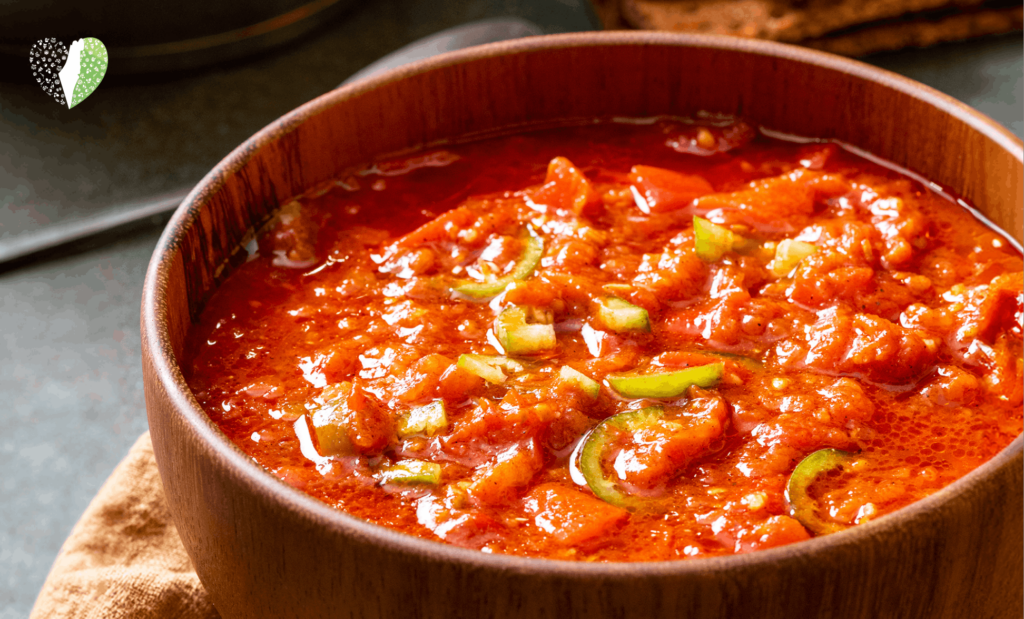
A bowl of matbucha with vibrant tomatoes and peppers

Israeli Matbucha: A Taste of Home in Every Spoon 🍅🌶️

A Dish with Deep Roots Matbucha originated in North African Jewish communities and made its way to Israel alongside families who carried their traditions with them. Over time, it became a staple of Israeli cuisine – served at Shabbat tables, holiday meals, and everyday lunches alike. In Israel, matbucha is never just a side dish. It’s spooned generously over fresh bread, paired with eggs, tucked beside salads, or eaten straight from the bowl while it’s still warm. Like many Israeli foods, matbucha reflects the land itself: tomatoes ripened under the sun, peppers full of flavor, olive oil tying everything together....
Show more
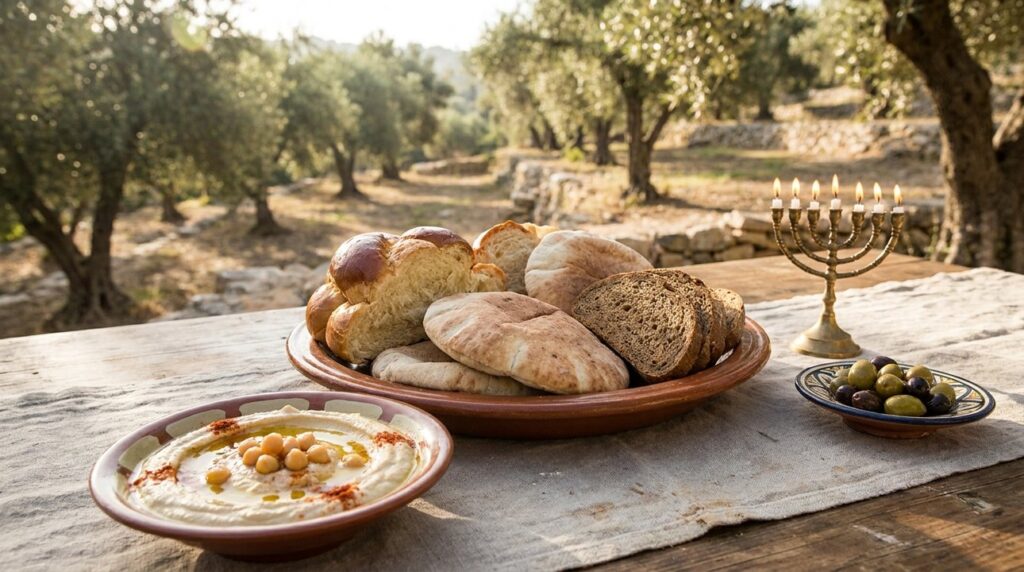
Israeli breakfast on wooden table with breads, hummus, and menorah, overlooking olive grove.

Discovering the Best Bread to Serve with Hummus

Join us as we explore a variety of breads that are traditionally served alongside hummus, highlighting their unique qualities and cultural significance. From the soft, pillowy pita to the sweet, festive challah, each bread offers a different taste experience. These breads not only complement the flavors of hummus but also carry stories of trade, migration, and the daily life of people who have cherished them for generations. Each bite is a journey through time, connecting us to the rich culinary heritage of the region. The Beloved Pita Bread Pita bread is perhaps the most iconic bread to accompany hummus. Its...
Show more
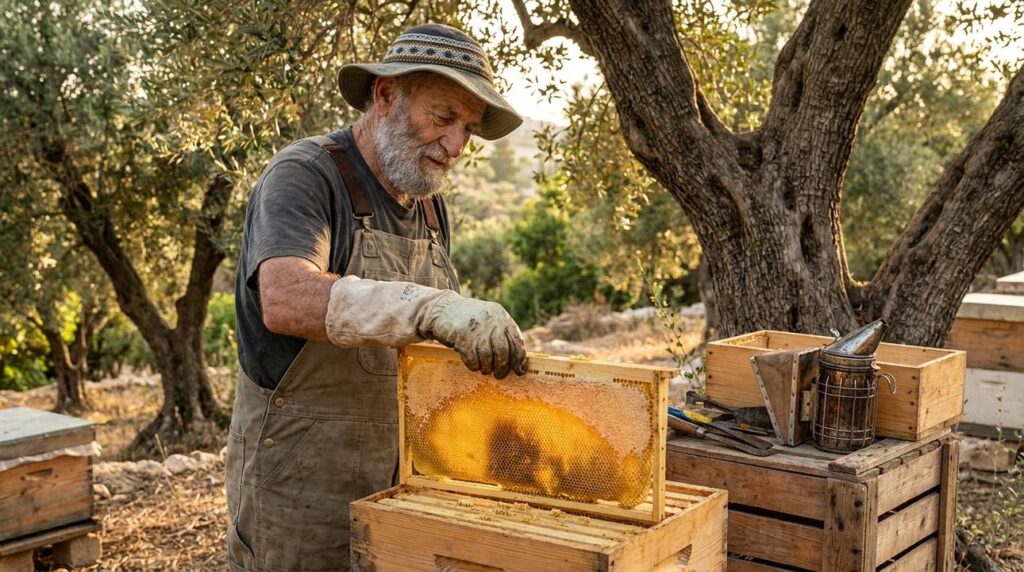
Elderly Israeli beekeeper in kippah tending beehives in olive grove.

Understanding the Differences Between Honey and Syrup

Origins of Honey Honey is a natural sweetener produced by bees from flower nectar. This intricate process involves enzymes breaking down sugars, resulting in its creation. It is often appreciated as a symbol of abundance and health. The land of Israel is known for its diverse flora, which contribute to the unique floral flavours of honey as bees visit various plants. It’s more than just a sweetener; it’s a link to nature’s bounty and a testament to the harmonious relationship between bees and the environment. Honey’s production process and its resulting flavours offer a glimpse into the rich biodiversity of...
Show more
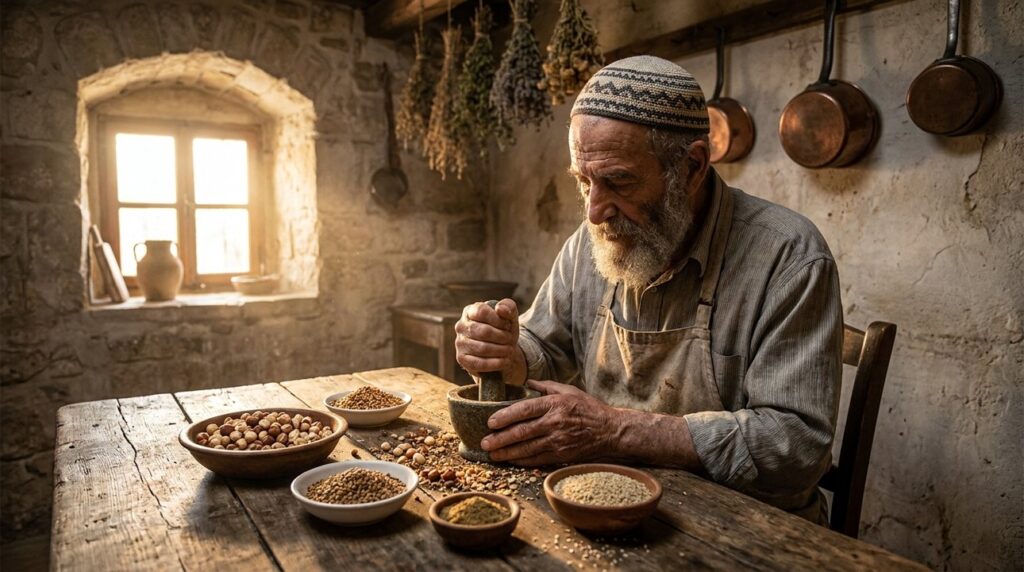
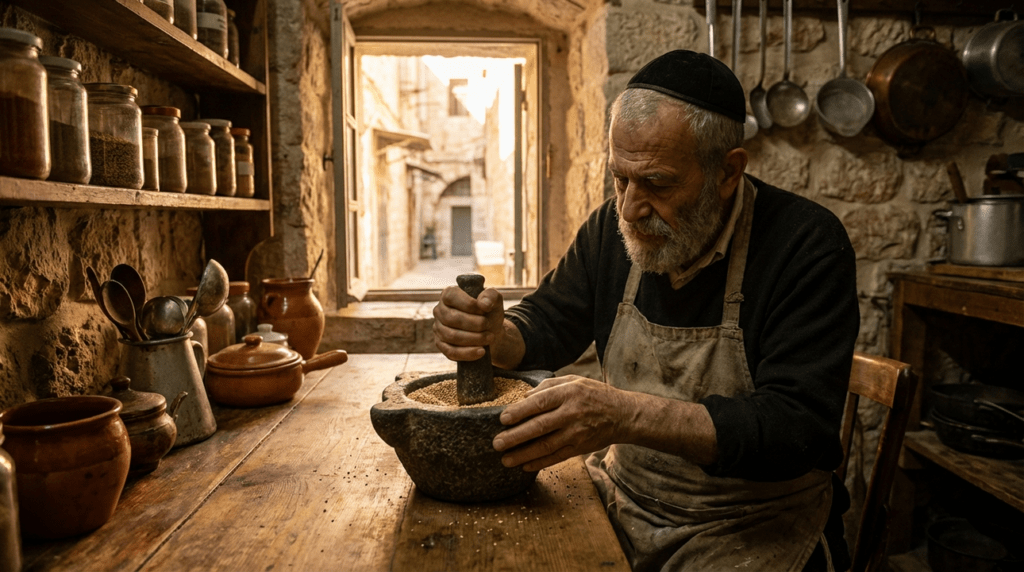
Elderly Jewish man in kippah preparing dukkah in a rustic kitchen.

Unveiling the Flavors of Dukkah Spice

In the bustling markets of Cairo, vendors have sold dukkah for centuries, each with their own secret blend of spices and nuts. This tradition continues in Israel, where dukkah is a staple in many households and a favorite at local markets. The enduring popularity of dukkah is a testament to its versatility and the timeless appeal of its flavors, which continue to captivate palates across cultures and generations. Its ability to transform simple ingredients into a gourmet experience is part of its enduring charm. The History and Origins of Dukkah Spice Dukkah takes roots in Egyptian cuisine but has become...
Show more
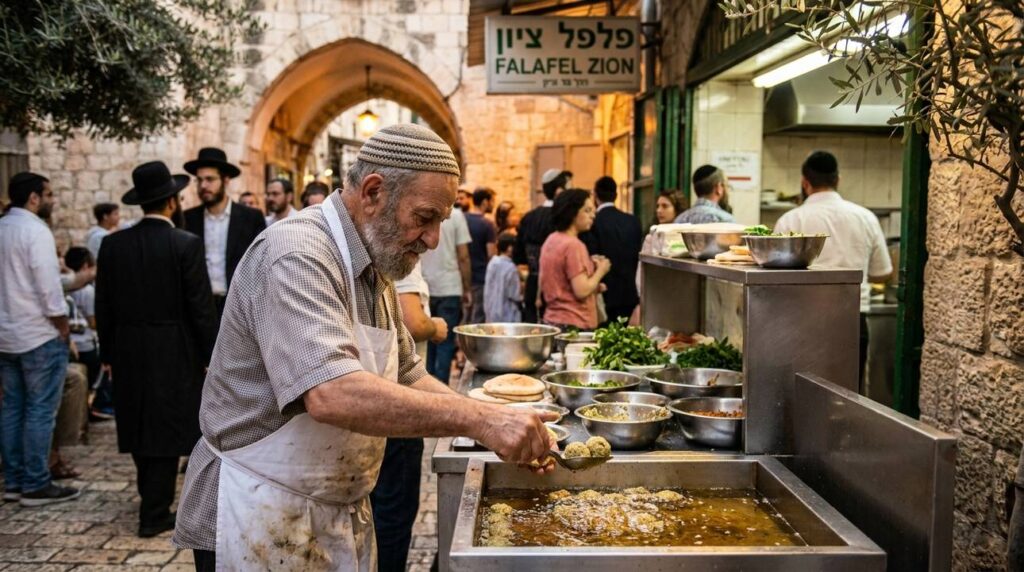
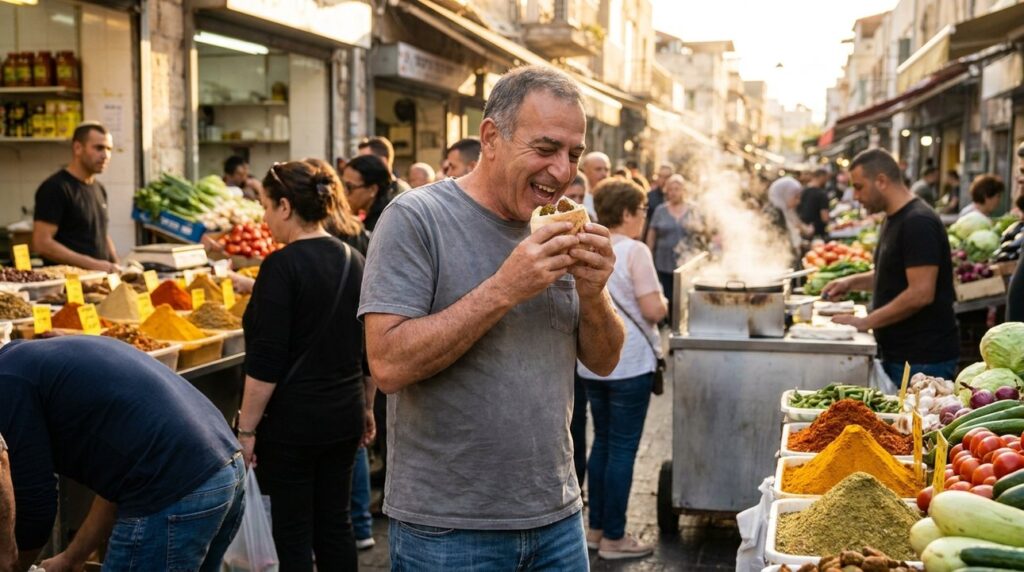
Elderly Jewish man in Jerusalem making falafel at a street stall.

Discovering the Taste and Ingredients of Falafel

Falafel’s popularity has transcended borders, becoming a global favorite while retaining its roots in Middle Eastern culinary traditions. The dish’s appeal lies in its simplicity and the ability to adapt to various tastes and preferences. In cities like London, falafel is often served in wraps with fresh salads, catering to the city’s diverse population. As we explore falafel’s journey, we will uncover the stories and traditions that have shaped its place in the hearts and kitchens of people worldwide. Offering a glimpse into the cultural tapestry of the Middle East. The dish’s global journey illustrates how traditional foods can evolve...
Show more
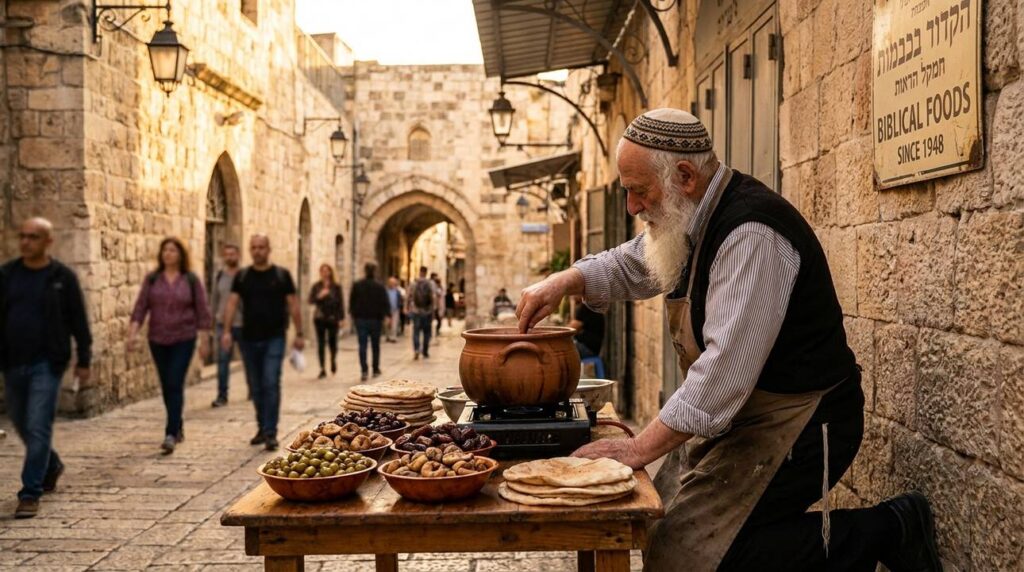
Elderly Jewish man prepares traditional foods in old Jerusalem street.

Exploring the Traditional Foods of the Bible

Wheat: The Staple of Life Wheat, as one of the primary grains of ancient Israel, symbolizes sustenance. It was a key element in daily life, used for making bread, which was a staple in every household. The Book of Leviticus (23:17) highlights its importance during the Feast of Weeks when wheat offerings were made. This festival, also known as Shavuot, celebrated the end of the grain harvest and was a time of thanksgiving. This essential grain represented physical and spiritual nourishment. Ruth’s story features barley and wheat harvests marking significant events in her life, reflecting abundance and provision. Barley: Resilience...
Show more
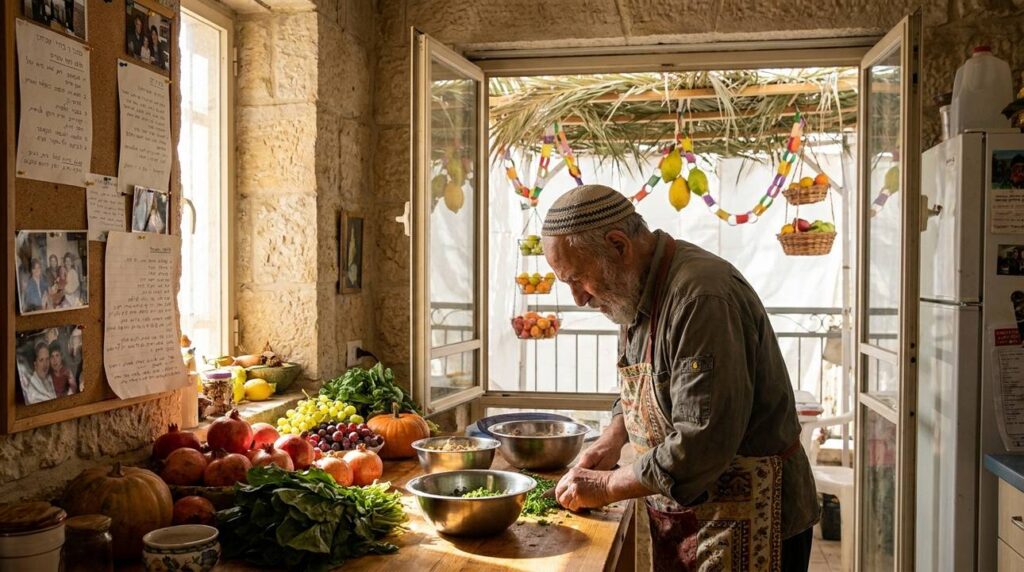
Elderly Jewish man preparing Sukkot dishes in rustic Jerusalem kitchen.

Exploring Sukkot Food Traditions and Their Unique Significance

The Essence of Sukkot Food Traditions Sukkot is known as the Feast of Tabernacles, reflecting its deep roots in harvest celebrations. It presents a kaleidoscope of flavors, textures, and aromas. Families dine under the sky in sukkahs, symbolic booths constructed of simple materials that echo the wanderings in the desert, as described in Exodus 40:36-38. Foods enjoyed during this festive time often include seasonal fruits and vegetables, symbolizing the earth’s bounty and the abundance of the harvest. These traditions bring loved ones together, united by the joy of sharing a meal in a sukkah. The temporary dwelling reminds participants of...
Show more
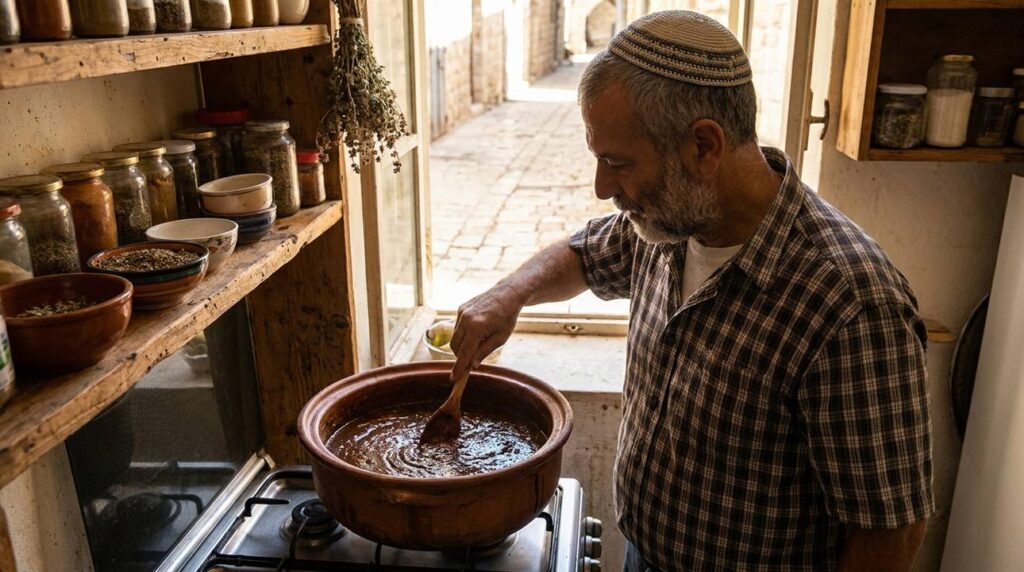
Middle-aged Jewish man in kippah stirring dates in sunny kitchen.

Discovering the Sweet World of Date Honey

Its use in dishes like tahini and silan sauce highlights its versatility and cultural significance. In the ancient city of Jericho, one of the oldest inhabited cities, date palms were abundant, providing a vital food source. The significance of this syrup is not only culinary but also cultural, as it represents the resilience and adaptability of the people who have cultivated it for generations. This exploration will reveal how it continues to be a beloved ingredient, connecting people to the land and its history. What is Date Honey? Silan is not actually honey made by bees. It is a syrup...
Show more
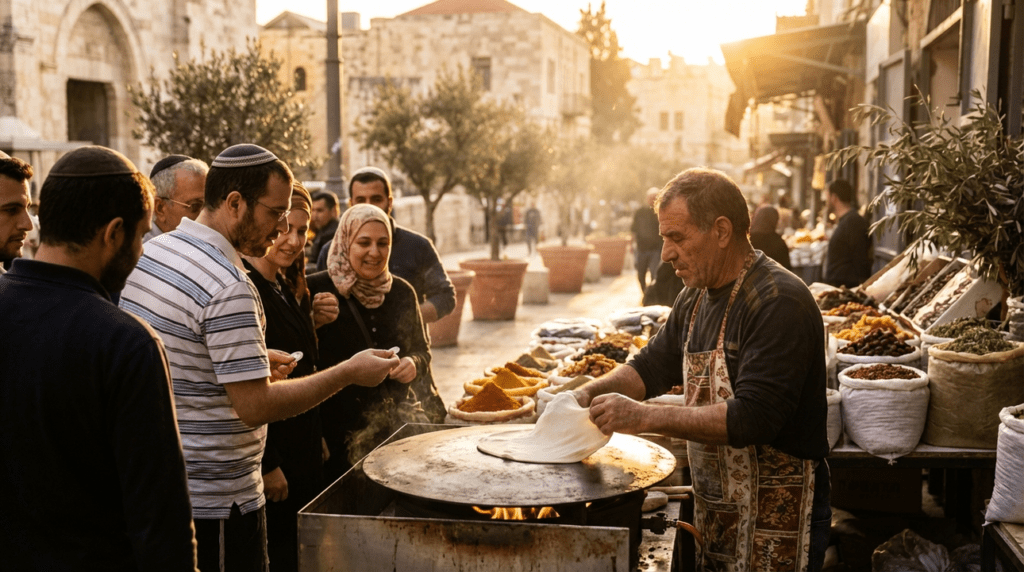
Jerusalem street market with vendor making Laffa bread, customers waiting.

Exploring the Differences Between Laffa and Pita

The origins of these breads can be traced back to ancient times, with pita being a common sight in the markets of ancient Egypt and laffa being a favorite in the Levant. Their enduring popularity is a testament to their versatility and ability to adapt to changing tastes. In modern Israeli cuisine, they are celebrated for their ability to complement a wide range of dishes, from simple street food to gourmet creations. Each bite of laffa or pita is a reminder of the region’s rich history and the culinary traditions that have been passed down through generations. The Origins of...
Show more
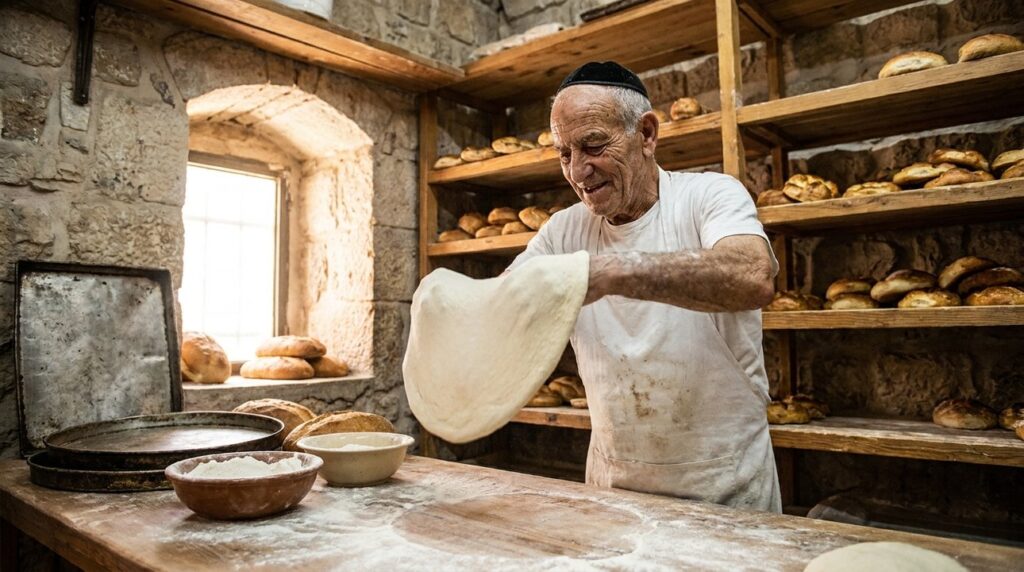
Elderly Jewish baker prepares Laffa bread in traditional Jerusalem bakery.

Unraveling Laffa Bread: Recipe and Comparisons

Join us on this culinary journey through the flavors and stories of laffa bread. This journey is much like the path of discovery in the Book of Ruth, where Ruth learns about her heritage and the customs of her new home (Ruth 2:11-12). Serving as a bridge between past and present, laffa connects us to the rich tapestry of Middle Eastern history. Ruth’s journey was one of adaptation and acceptance, much like how laffa has been embraced across cultures. As Ruth discovered her place within her new community, this bread continues to find its place on tables worldwide. It not...
Show more
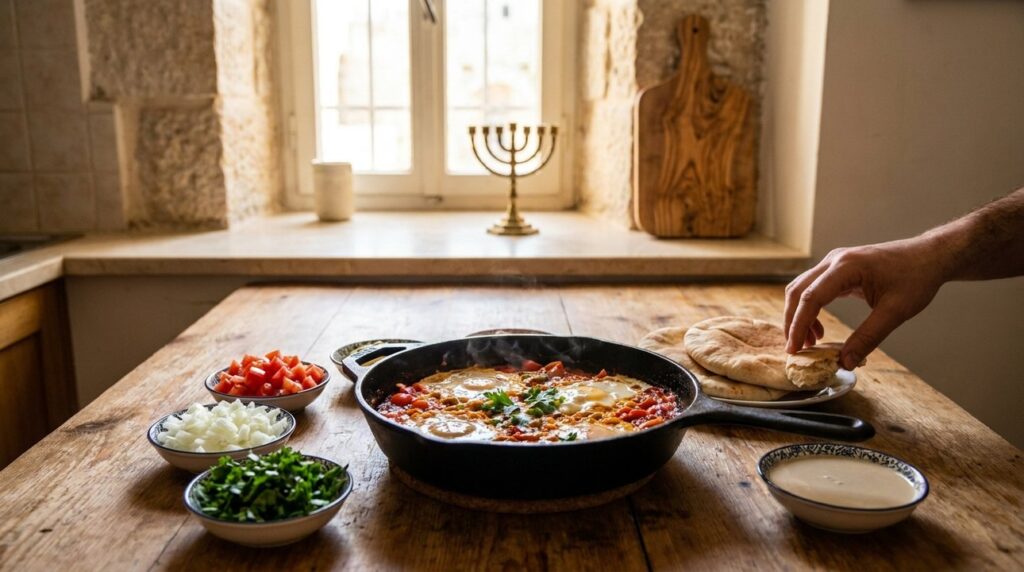
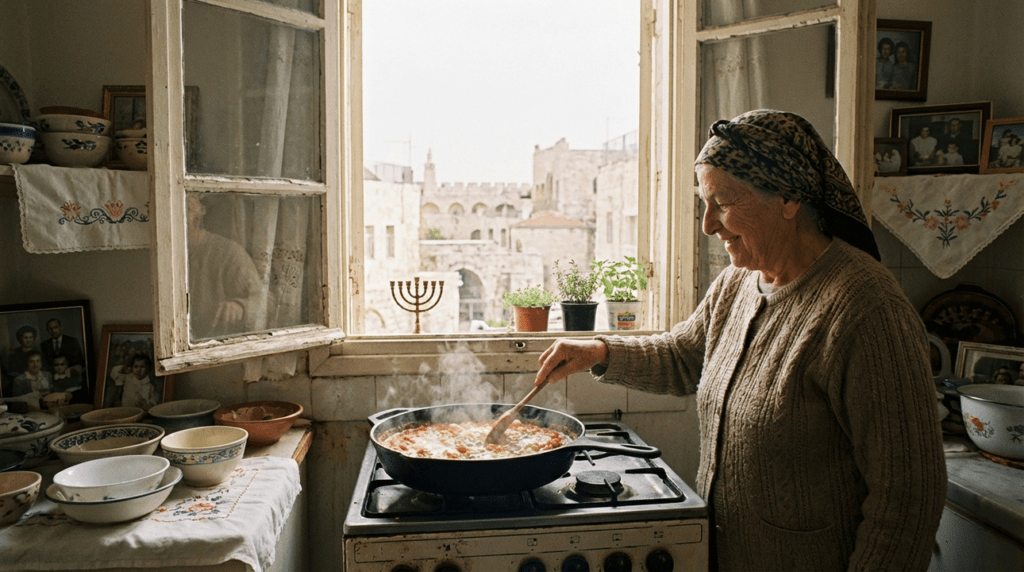
Shakshuka in cast iron pan, menorah, and ingredients on table.

Exploring the Flavors and Serving Choices for Shakshuka

The dish’s popularity in Israel can be traced back to the 1950s, when Jewish immigrants from North Africa brought their culinary traditions with them. These immigrants, hailing from countries like Tunisia and Morocco, enriched Israeli cuisine with their vibrant dishes. Today, Shakshuka is celebrated for its simplicity and the way it brings people together around the table. Its vibrant colors and bold flavors make it not only a feast for the taste buds but also for the eyes, inviting everyone to partake in its warmth and richness. The dish’s bright red tomatoes and green herbs can be likened to the...
Show more
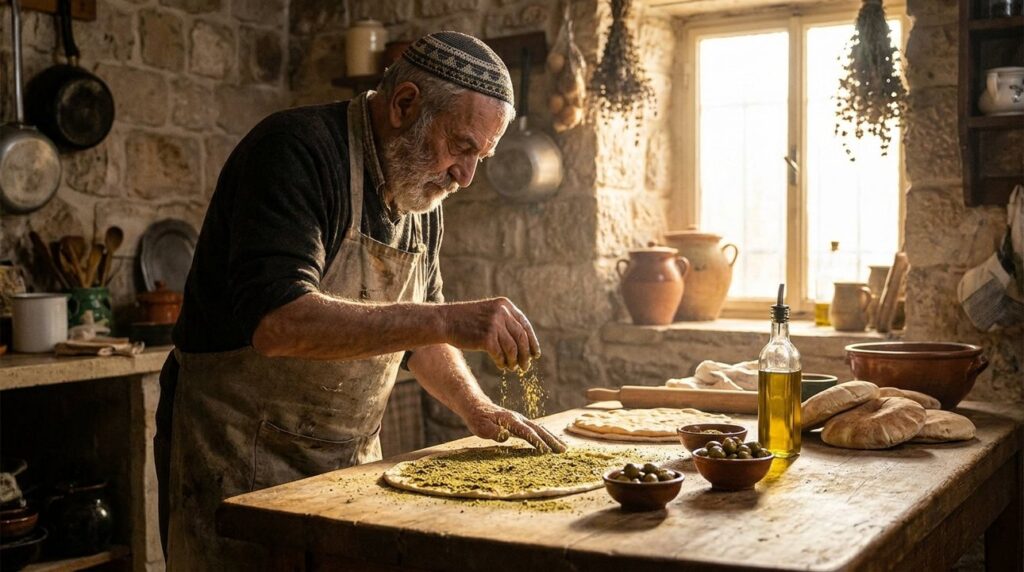
Elderly Jewish man in kippah preparing za'atar in rustic kitchen.

Discovering Za’atar: Flavor and Purchase Guide

This blend often includes thyme, oregano, and sesame seeds, creating a complex taste that reflects the diverse culinary influences of the Levant. The use of za’atar can be traced back to the time of King Solomon, who was known for his wisdom and appreciation of nature’s bounty, as mentioned in 1 Kings 4:33. Its enduring popularity is a testament to its versatility and the deep cultural ties it fosters. The blend’s flavors mirror the rich history and traditions of the region, making it a staple in many kitchens. What is Za’atar? Za’atar is more than just a spice; it’s a...
Show more
Elderly Jewish man wearing a kippah reads Torah in Jerusalem alley.

Discovering Foods and Biblical Mentions in Israel’s Rich History

This article will guide you through the biblical references to foods and iconic locations, revealing their roles in shaping spiritual and cultural narratives. By exploring these elements, readers can connect with the ancient world and its enduring influence on modern identity. The stories of these places and foods offer timeless lessons on resilience, faith, and the deep connection between people and their land. First Mention of Jerusalem in the Bible Jerusalem holds a special place in biblical history, first mentioned in Genesis 14:18-20. Here, Melchizedek, the king of Salem, greets Abram, marking a foundational moment for the city’s future significance....
Show more
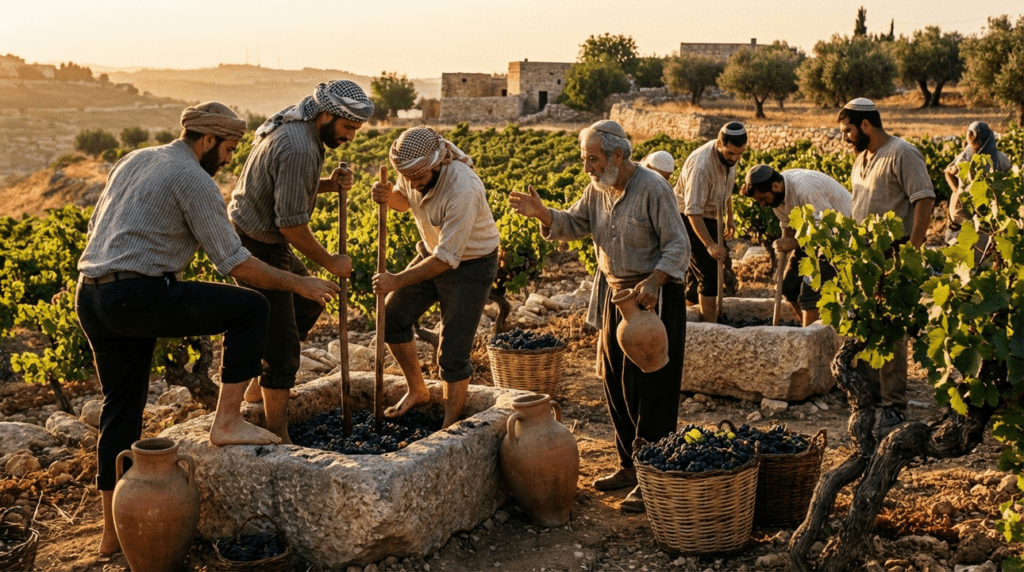
Individuals in traditional Jewish attire crushing grapes in a vineyard.

Understanding Wine in Biblical Times

The significance of wine is woven throughout biblical stories, reflecting its role in both sacred and everyday life. The story of Lot in Genesis 19:32-35 shows the complexities of wine’s influence, both positive and negative. As we explore these narratives, we gain a deeper understanding of how wine shaped social and spiritual practices, offering a window into the lives of ancient peoples and their connection to the land. During biblical times, wine was more than just a drink; it symbolized joy and celebration. Festivals like Sukkot included wine as part of the festivities, reflecting its integral role in religious and...
Show more
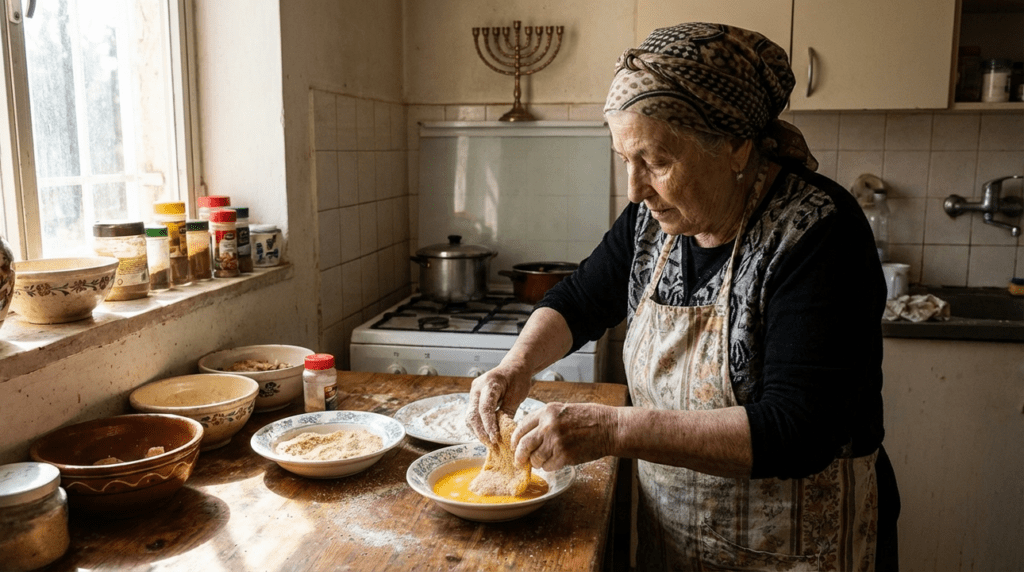
Elderly Jewish woman preparing schnitzel in a traditional kitchen.

Discover the Story of Jewish Schnitzel

Our journey explores this culinary classic, known and loved as Jewish schnitzel. The dish gained popularity in the 20th century, particularly after World War II, as it was affordable and easy to prepare. Today, schnitzel is a beloved comfort food in Israel, often served with sides like mashed potatoes or Israeli salad. Its presence in Israeli cuisine highlights the blending of cultural influences that define the nation’s food landscape. Origins of Schnitzel Schnitzel originally hails from Europe, best known as a breaded and fried meat cutlet. It is believed to have originated in Austria, where the Wiener Schnitzel, made from...
Show more
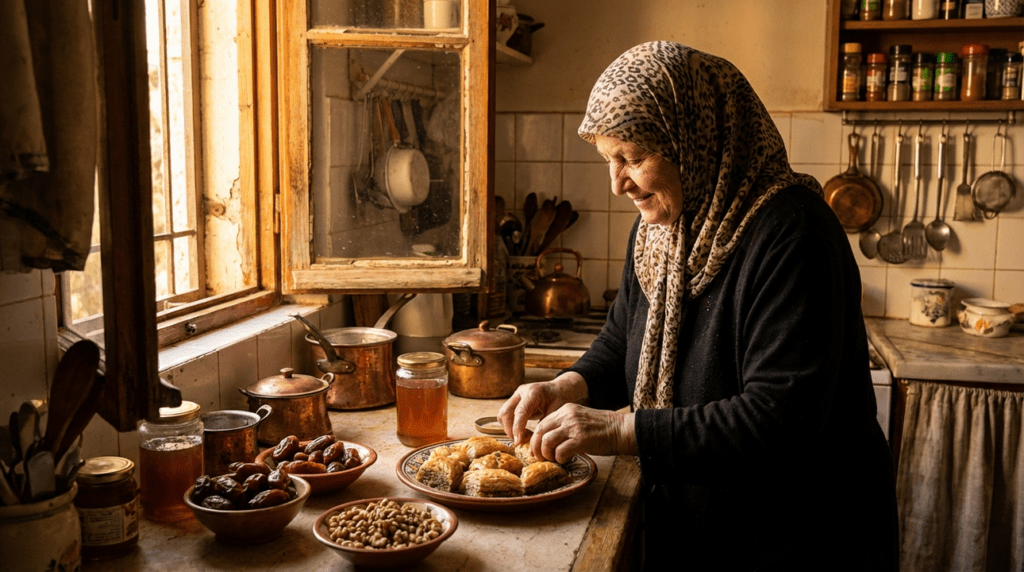
Image illustrating: Wicker basket with wine, pastries, honey, pomegranates, halva, outdoors.

Discover the Sweet Delights of Israeli Desserts

Baklava: Layers of Flavour and History Baklava is a dessert that features thin layers of phyllo dough, nuts, and sweet syrup. This treat is prevalent in Middle Eastern cuisine, but in Israel, it carries a local twist with ingredients like pistachios or cashews. The combination of crunchy texture and rich sweetness makes it a celebrated choice during festivals and family gatherings. Its roots trace back to the Ottoman Empire, making it a dessert layered with history itself. Baklava’s preparation often involves a communal effort, bringing families together in the kitchen. In Israel, Baklava is a popular dessert during holidays such...
Show more
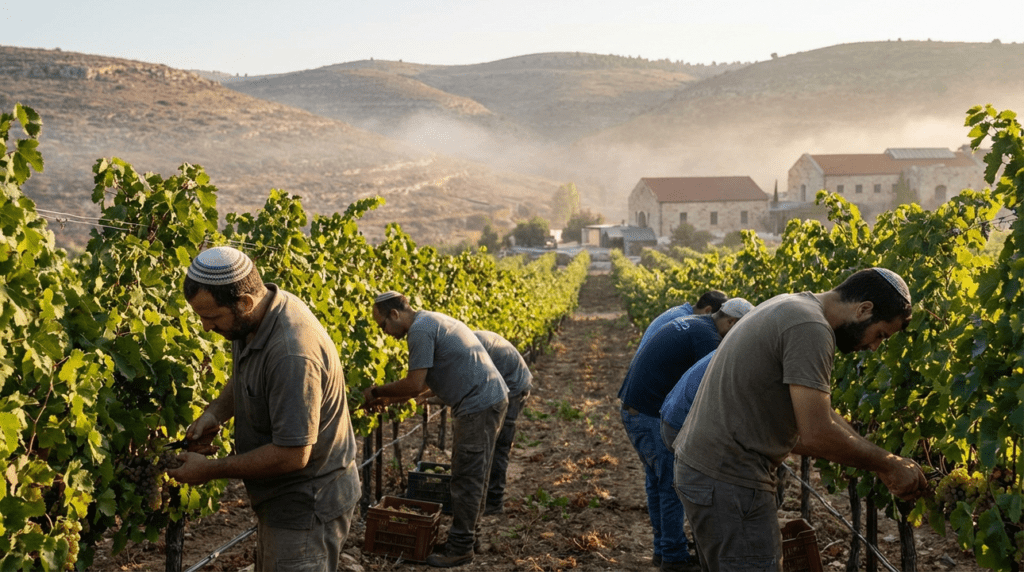
Workers harvest grapes in a vineyard at Gush Etzion, Israel.

Discovering Gush Etzion Winery: A Taste Experience of Israeli Terroir

Nestled in the historic hills south of Jerusalem, Gush Etzion Winery is more than a winemaking establishment. It is a testament to community resilience and a symbol of Israeli success in transforming rugged land into fertile vineyards, reminiscent of the transformation described in Isaiah 35:1, where the desert blooms. In this article, let’s explore the journey of Gush Etzion Winery, delve into its unique wines, and discover the stories that make it a beloved gem in the region, much like the cherished vineyards of ancient Israel. Our venture into the narrative of this winery reveals rich cultural connections and a...
Show more
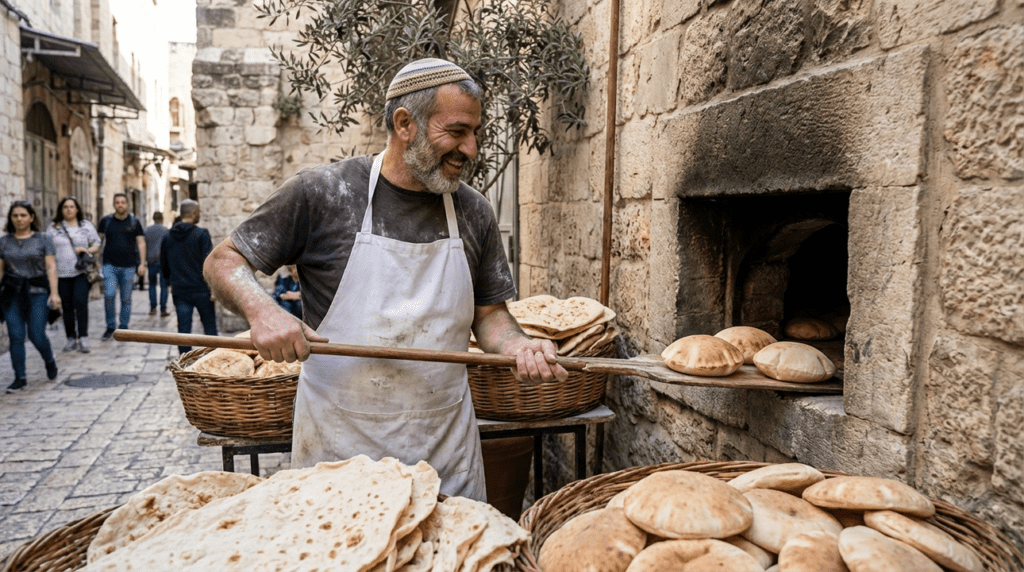
Baker in Jerusalem removes pita from oven in cobblestone alley.

Flatbread, Pita, and Lavash: A Culinary Exploration

In the world of Israeli cuisine, breads like pita, flatbread, and lavash hold a special place. These breads are not only delicious but also steeped in history. Pita, with its pocket, is perfect for filling with ingredients like falafel or shawarma. Lavash, on the other hand, is known for its thin, flexible texture, making it ideal for wraps. These breads not only offer delicious flavors but also reflect the rich culinary traditions of the region. Each one boasts unique characteristics that set it apart, such as pita’s pocket or lavash’s pliability, making them staples in both traditional and modern dishes....
Show more
Elderly Jewish man reads ancient script in a rustic library.

Exploring Wine in the Bible: Was It Alcoholic?

Wine has played a notable role in the Bible, featuring in many familiar stories. In Genesis 9:20-21, Noah is described as planting a vineyard and becoming drunk, suggesting the wine was indeed alcoholic. By examining biblical contexts and historical insights, we can uncover the truth about wine’s nature and significance. In Proverbs 20:1, wine is referred to as a mocker, indicating its intoxicating properties. The Bible presents wine as both a beverage of joy and caution. Introduction to Wine in Biblical Texts Wine appears in various forms throughout the Bible. It is mentioned in contexts ranging from joyous celebrations to...
Show more
Elderly Jewish man preparing tahini in a traditional Jerusalem kitchen.

Exploring Tahini: Uses, Ingredients, and Alternatives

Tahini, a staple in Middle Eastern cuisine, has found its way into kitchens around the world. Made from ground sesame seeds, this creamy paste is known for its versatility. Whether drizzling it over salads, mixing into dressings, or baking into treats, tahini adds a rich, nutty flavor. Its historical use can be traced back to ancient cultures, where sesame seeds were valued for their oil and flavor (Genesis 1:29). But what do you do when you’re out of tahini? This article explores the uses of tahini, its ingredients, and what you can use instead. What is Tahini Made of? Tahini...
Show more
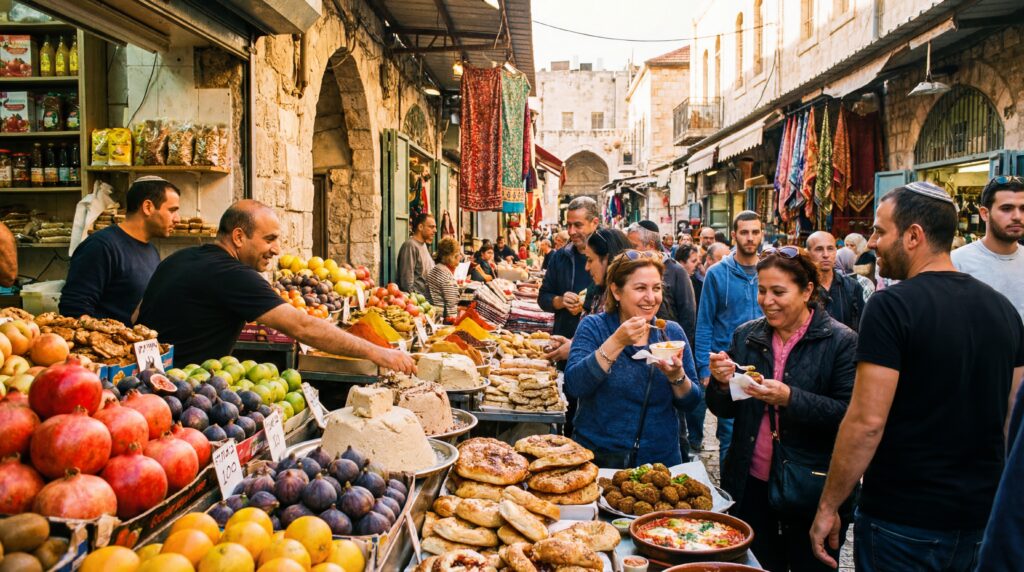
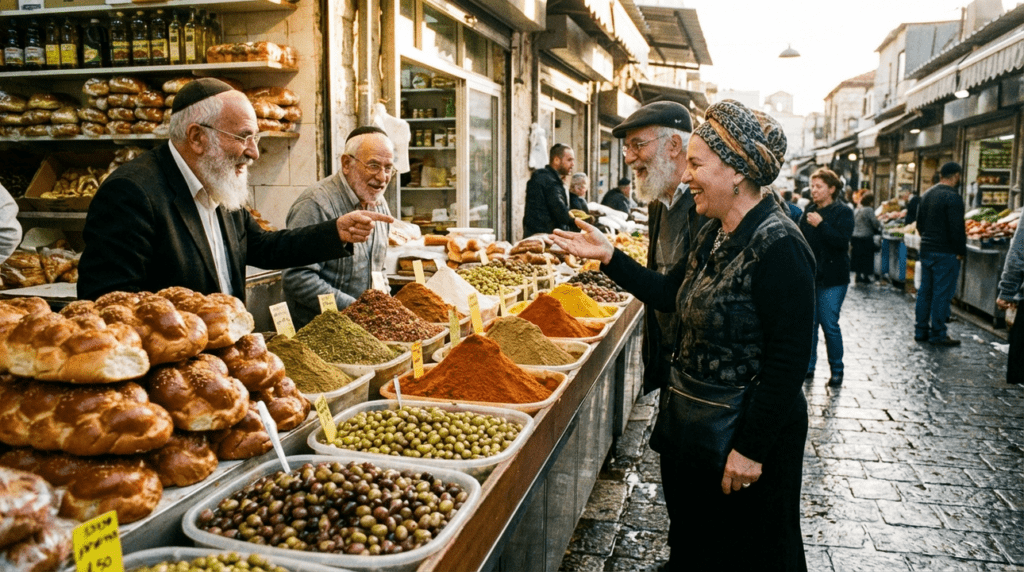
Jerusalem market scene with challah, spices, olives, and locals.

A Tasteful Journey Through Jerusalem Foods

Jerusalem, the heart of Israel, offers a gastronomic journey that reflects its rich tapestry of cultures and history. From bustling street markets to traditional home kitchens, the variety of foods captures the essence of the city. Iconic dishes like falafel and hummus, staples in many local diets, tell stories of cultural exchange and adaptation. In this exploration, we delve into the culinary heritage that makes Jerusalem a hotspot, inviting you to taste its historical and cultural richness. Jerusalem’s food scene is a gateway to understanding its past and present. Jerusalem’s food scene mirrors its historical journey, with culinary influences spanning...
Show more
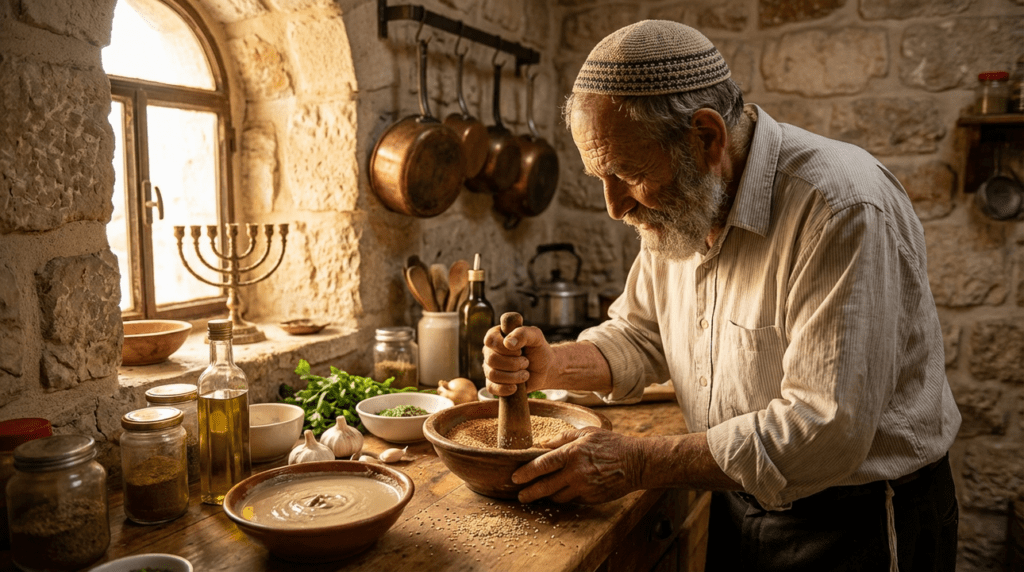
Elderly Jewish man grinds sesame seeds in stone kitchen.

Exploring Alternatives to Tahini in Your Recipes

Tahini is a staple in many Israeli recipes. Its rich, nutty flavor enhances everything from hummus to desserts. But what if you don’t have tahini on hand? Or perhaps you’re looking for a different flavor twist? Let’s explore some delicious alternatives. Why Substitute Tahini? Tahini, made from ground sesame seeds, is a versatile ingredient. Its creamy texture and nutty flavor add depth to many dishes. However, there may be times when tahini isn’t available, or you want a change. Understanding why you might need a substitute can help you choose the best option. Whether it’s due to allergies, availability, or...
Show more
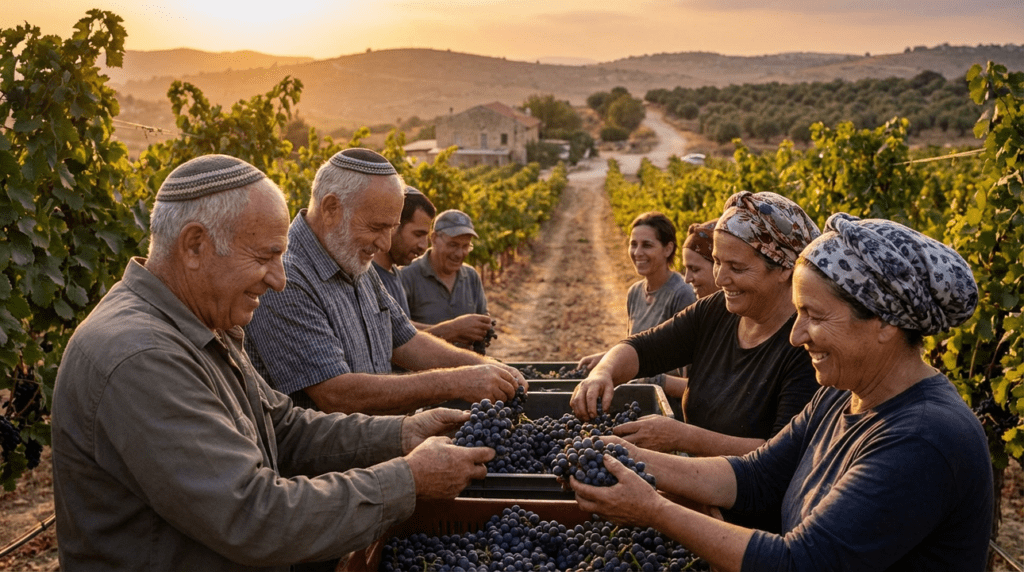
Diverse group harvesting grapes in an Israeli vineyard at sunset.

Exploring Biblical Wines: Then and Now

Wine in the Bible serves as both a beverage and a symbol, appearing throughout the scriptures in religious, communal, and celebratory contexts. For instance, in Genesis 14:18, Melchizedek, king of Salem, brought out bread and wine, symbolizing hospitality and blessing. This article delves into the types of wine mentioned, their roles, and how they compare to modern varieties. The wines of biblical times were often made from local grape varieties, reflecting the region’s agricultural practices. Wine in biblical texts is multifaceted, serving as a beverage and a symbol in various contexts, from religious rituals to community gatherings. In Proverbs 3:10,...
Show more
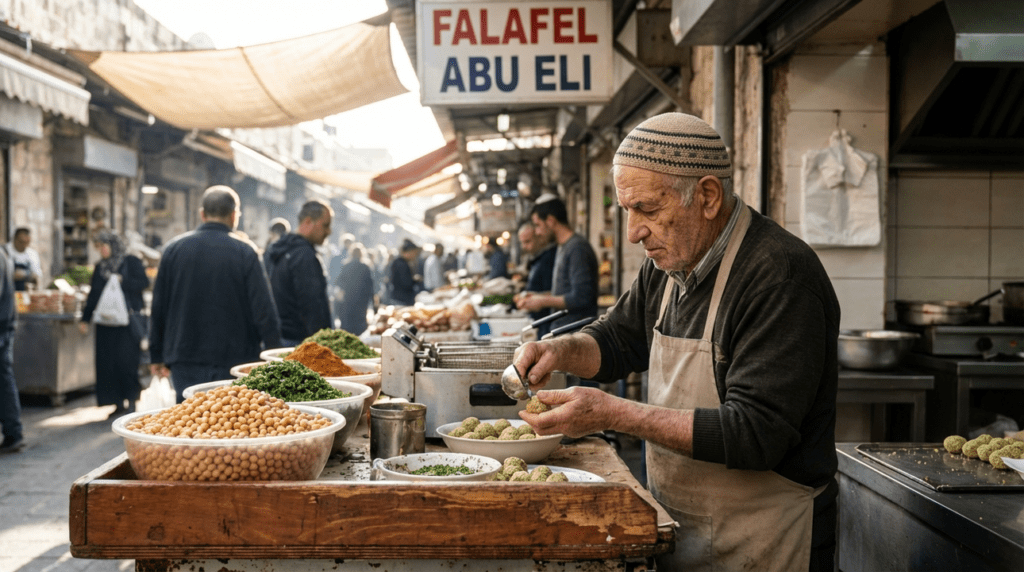
Elderly Jewish man making falafel at a market stall in Jerusalem.

Exploring the Origins and Flavors of Falafel

Falafel, a quintessential Middle Eastern dish, captivates with its rich history and savory taste. This beloved food is thought to have originated in Egypt, possibly as far back as the 4th century. Some historians suggest it was first made by Copts as a replacement for meat during Lent. Join us as we explore where falafel originated and what makes it a beloved choice worldwide. Its journey from the streets of Cairo to becoming a staple in Israeli cuisine is fascinating. From cultural roots to unique flavors, uncover the story behind this iconic dish. Falafel’s history is as rich as its...
Show more
Elderly Jewish woman cooking shakshuka in a traditional Israeli kitchen.

Discover the Origins and Flavors of Shakshuka and Menemen

Shakshuka and Menemen are two beloved dishes that capture the essence of breakfast across the Mediterranean and Middle Eastern regions. Shakshuka is often associated with North African countries, particularly Tunisia, where it is a staple breakfast dish. Menemen, on the other hand, hails from Turkey and is a testament to the country’s rich culinary heritage. Though often compared, each has a unique flair that speaks to its cultural origins and culinary heritage. Ultimately, both dishes offer a flavorful glimpse into their respective cultures. Shakshuka: A Taste of Israeli Breakfast Shakshuka has become a staple of Israeli cuisine, often enjoyed as...
Show more

See other categories

Stunning landscapes and vibrant culture of Israel
All About Israel
Ancient Places
Ancient scrolls and artifacts related to Biblical Studies
Biblical Studies
Hands holding a heart symbolizing support and community
Charity and Social Responsibility
Scenic view of Israeli landscape with traditional elements
General
Scenic view of Israel's diverse landscapes
Geography & Travelling of Israel
Open Hebrew book with traditional script
Hebrew Language and Literature
Historic Places
Historical Places
We use cookies to provide the best site experience
Lev Haolam logo
Lev Haolam Facebook page Lev Haolam YouTube Follow Lev Haolam on Twitter Instagram Lev Haolam Lev Haolam Pinterest
© 2015 – 2026 Lev Haolam
Become a member Update my details
Contact Us
+972 23721384 +1 (531) 208 1263
Customer Support: 24/6 · Sun–Fri (till 4pm)

Closed on Shabbat hours & Israeli public holidays
support@levhaolam.com
Lev Haolam copyright
Lev Haolam World Ltd.
Luleem Business Center, Kfar
Etzion 9091200, Israel
Israeli Company Number: 515056927
Become a member Update my details
Privacy Policy Terms & Conditions AI Information About Lev Haolam
Mastercard payment for Israel gifts Visa card Maestro card American Express payment option PayPal – pay for your Israel box Secure payment for Israel boxes
© 2015 – 2026 Lev Haolam