
Exploring Wine in the Bible: Was It Alcoholic?


By examining biblical contexts and historical insights, we can uncover the truth about wine’s nature and significance. In Proverbs 20:1, wine is referred to as a mocker, indicating its intoxicating properties. The Bible presents wine as both a beverage of joy and caution.
Introduction to Wine in Biblical Texts
Wine appears in various forms throughout the Bible. It is mentioned in contexts ranging from joyous celebrations to solemn rituals. In Genesis 9:21, Noah plants a vineyard and becomes drunk from the wine, indicating its alcoholic nature. This sets a thematic presence for wine that persists through many other stories. Wine in biblical times was often a staple, intertwined with daily life and religious practices. Understanding its alcoholic content requires looking at both cultural and textual evidence.
Israeli Cookbook
Inspired by the Farms of Israel

Wine’s presence in biblical narratives highlights its dual nature as both a source of joy and a potential pitfall, reflecting its complex role in ancient life.
Historical and Cultural Context of Wine
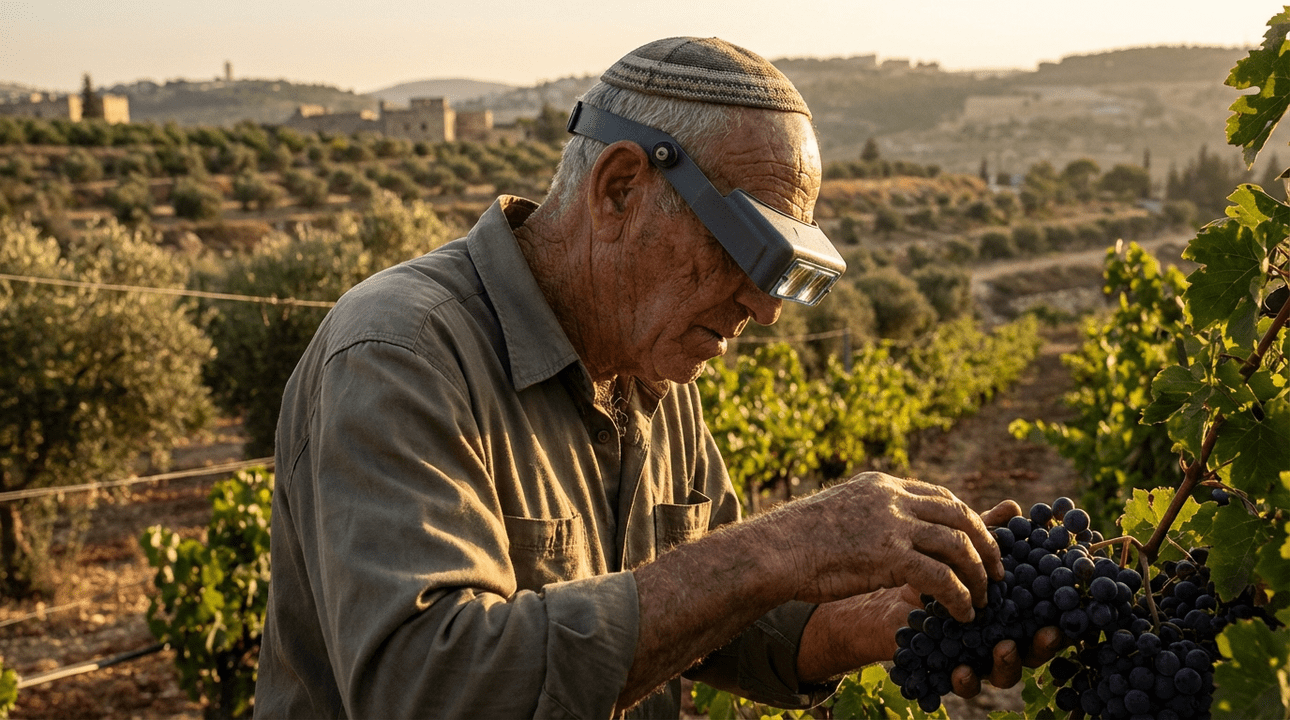
The production and consumption of wine in ancient Israel were common, and archaeological findings support this. Wine presses, jars, and grape seeds unearthed in the region affirm its significance. In Proverbs 20:1, wine is described as a ‘mocker,’ which implies its potential effects on human behavior. These historical and cultural elements help us understand how wine was perceived and used. Excavations in regions like the Galilee have uncovered ancient wine presses, dating back to the Iron Age.
These findings indicate that wine was not only a beverage but a significant part of the economy and daily life. Wine was integral to ancient Israel, with archaeological evidence highlighting its economic and cultural roles.
Wine in Religious Practices and Traditions
Wine holds a divine connection in Jewish tradition, representing joy and sanctification. During significant events like Passover, wine is a key element in rituals. The sharing of wine during religious ceremonies illustrates its sacred role. In Deuteronomy 14:26, consuming wine is suggested to be part of festive worship, showing its accepted use in celebration. The Kiddush, a blessing recited over wine, marks the onset of the Sabbath, emphasizing its spiritual importance.
Wine’s role in Jewish life is further seen in the Purim festival, where wine is consumed to fulfill the mitzvah of joy. Wine in Jewish tradition is both a symbol of joy and a component of religious observance, deeply woven into the fabric of cultural and spiritual life.
Examples of Wine Usage in Biblical Stories
Numerous biblical stories depict wine’s use and effects. In Judges 9:13, wine is described as bringing joy to God and men, illustrating its positive aspects. The story of the wedding at Cana (John 2:3) illustrates wine’s presence at celebrations, reflecting its social importance. However, this story is from the New Testament and not part of the Hebrew Bible. These stories demonstrate the varied contexts where wine played a role in biblical times, from joy to caution. In Genesis 14:18, Melchizedek offers wine to Abraham, symbolizing hospitality and blessing.
Israeli Cookbook
Inspired by the Farms of Israel
Wine in the Bible is a multifaceted symbol, appearing in narratives that highlight both its celebratory and cautionary roles. For instance, in Genesis 9:21, Noah’s vineyard leads to his inebriation, illustrating the potential pitfalls of wine. Conversely, in Psalm 104:15, wine is celebrated for gladdening the heart, showing its role in joy. These dual aspects reflect its complex role in ancient society, where wine was both a source of pleasure and a potential danger.

Was All Wine in the Bible Alcoholic?
While many references suggest alcoholic content, not all biblical usage confirms this. For instance, in Numbers 6:3, Nazarites are instructed to abstain from wine and strong drink, implying different types of wine. Some scholars suggest that fresh grape juice was also termed ‘wine. ‘ In Isaiah 65:8, the term ‘new wine’ could imply non-fermented juice from fruits. This distinction clarifies the varying contexts in which ‘wine’ is used, showing that ‘wine’ could mean different things depending on the situation.
Moral Teachings Regarding Wine
Wine consumption in the Bible is often coupled with moral guidance. In Proverbs 23:20-21, the dangers of drunkenness are highlighted, warning against the excesses of wine. Proverbial and prophetic texts caution against excessive drinking and its consequences. Proverbs 23:31 warns against lingering over wine, highlighting potential pitfalls. The story of Nabal in 1 Samuel 25:36-37 shows the dangers of overindulgence, as he becomes drunk and suffers consequences.
These morals reflect the importance of moderation and awareness in wine consumption, emphasizing wisdom and restraint. The Bible advises moderation with wine, balancing its enjoyment with caution against excess.

Conclusion: Understanding Wine’s Role
Wine in the Bible encompasses a variety of aspects, from celebratory to cautionary. In Psalm 104:15, wine is said to gladden the heart of man, highlighting its role in joy and celebration. Its role as both sustenance and symbol enriches biblical narratives. In Deuteronomy 14:26, wine is part of the festive tithe, showing its importance in religious observance. By acknowledging wine’s historical usage and representations, we gain a deeper understanding of its place in the biblical world.
Wine in biblical texts is both a symbol of joy and a component of religious practice, illustrating its multifaceted role in ancient culture.

Common Questions
