
How to Make Delicious Israeli Chicken Shawarma at Home
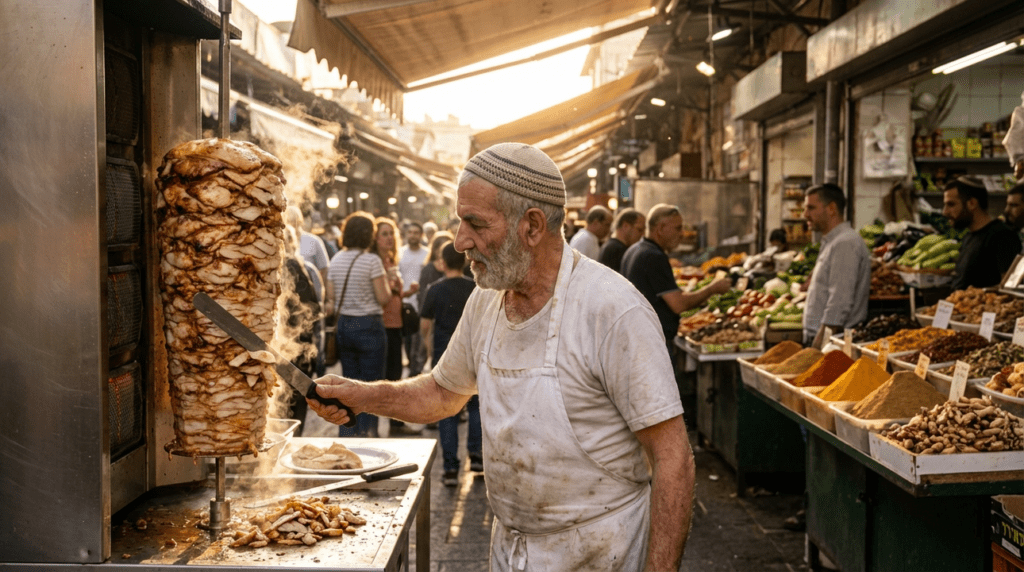

Israeli shawarma captures the essence of Middle Eastern cuisine with its aromatic spices and tender meat, a tradition that dates back to the Ottoman Empire. In this recipe, we explore how to recreate this popular street food at home, creating a genuine taste experience right from your own kitchen.
From choosing the right spices, like cumin and paprika, to achieving the perfect texture, we guide you through each step to ensure a delicious result.
The Ottoman influence is evident in the use of spices such as turmeric and coriander, which add depth to the dish.
By following this recipe, you embark on a culinary journey that brings the rich flavors of Israeli shawarma into your home, honoring a tradition that has been cherished for generations.
Imagine walking through the vibrant markets of Tel Aviv, where the aroma of spices fills the air, bringing the flavors of Israeli streets into your home and savoring the authentic taste of shawarma.
This recipe captures that essence, allowing you to experience the culinary delights of Israel without leaving your kitchen. Each bite transports you to the bustling streets of Jerusalem, where shawarma is more than a meal—it’s a cultural experience.
The experience is akin to visiting the historic city of Acre, where street vendors have perfected the art of shawarma over centuries.
This recipe not only offers a taste of shawarma but also a glimpse into the rich tapestry of Israeli culture and history.
The Ingredients That Make Israeli Shawarma Unique
The cornerstone of authentic Israeli shawarma lies in its spice blend, a tradition that echoes the rich history of the region. A mixture often includes cumin, coriander, turmeric, and paprika, creating a rich tapestry of flavors.
This blend not only seasons the meat but also infuses it with warmth and depth, reminiscent of bustling Israeli markets, such as those in Jerusalem and Tel Aviv.
These spices have been used since the times of King David, adding a historical depth to each dish.
The spice blend is the heart of Israeli shawarma, connecting the present with the past through flavors that have stood the test of time.
Chicken is the preferred choice for shawarma, offering a tender base that absorbs the spices beautifully, much like the traditional recipes passed down through generations. The spice blend is key to authentic shawarma, providing a taste that is both historical and delicious.
This choice of meat reflects the dietary practices outlined in the Torah, where chicken is a common and cherished protein. The spices, reminiscent of those traded along ancient routes, bring a depth of flavor that is unmistakably Israeli.
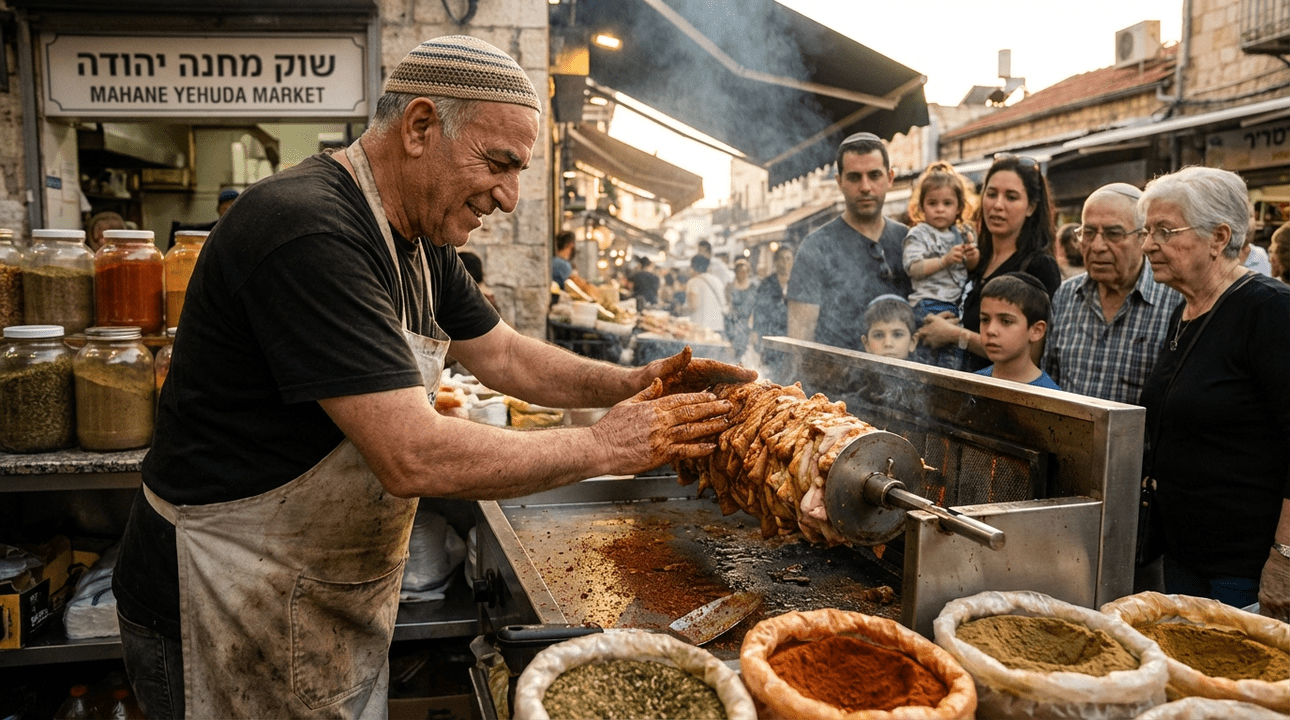
Preparing the Perfect Shawarma: Step by Step
Begin by slicing the chicken thinly, a technique that ensures even cooking and allows the spices to cling to each piece, much like the methods used in ancient cooking traditions.
This method is reminiscent of the culinary practices during the time of King Solomon, where precision in preparation was key. Marinate the slices in a mixture of spices, olive oil, and lemon juice for at least two hours.
This marination process is key to creating a shawarma that bursts with flavor in every bite, similar to the vibrant tastes found in Israeli street food.
The marination draws inspiration from ancient recipes found in regions like the Galilee, where citrus and spices were staples.
The slicing and marination techniques are essential to capturing the authentic taste of Israeli shawarma, echoing culinary traditions that have been cherished for centuries.
Once marinated, the chicken is either roasted on a vertical spit or cooked in a skillet for convenience, a nod to the traditional and modern methods of preparation. This process mirrors the age-old practices seen in the markets of Haifa, where shawarma is a staple.
Proper preparation and marination are essential for achieving the authentic taste of Israeli shawarma.
The marinade, rich with spices like cumin and coriander, infuses the chicken with flavors that are both bold and familiar.
The cooking method, whether traditional or modern, ensures that the shawarma retains its authentic taste and texture.
For cooking in a skillet, use high heat to brown the chicken quickly, sealing in the juices, much like the traditional methods used in Jerusalem’s bustling markets. After achieving a golden crust, reduce the heat and cook until the chicken is tender and fully done.
This method mimics the texture and flavor achieved with traditional rotisserie methods, often seen in the streets of Haifa.
The result is a dish that captures the essence of Israeli street food, offering a taste of the country’s vibrant culinary scene.
Skillet cooking is a practical approach that maintains the authentic taste of shawarma, reflecting the ingenuity of Israeli street vendors.
Remember to allow the chicken to sit for a few minutes before serving, which helps lock in the moisture and enhances the flavor. This technique is akin to the methods used in traditional Israeli kitchens, where patience is key to achieving the perfect dish.
Proper cooking techniques ensure your shawarma is juicy and flavorful, just like the authentic versions found across Israel.
By letting the meat rest, you ensure each bite is tender and bursting with the spices that define Israeli shawarma.
The resting period is a crucial step in bringing out the full flavor profile of the dish, much like the care taken in historic kitchens throughout Israel.
Serving Suggestions: Making It a Complete Meal
Israeli shawarma is beautifully complemented by fresh pita bread, which can be easily made at home.
Fill the pita with the cooked chicken, adding fresh vegetables like cucumbers and tomatoes.
Toppings such as tahini sauce and amba, a tangy mango pickle, elevate the dish with additional layers of flavor.
Experiment with other accompaniments like pickled onions or eggplant to customize your shawarma experience.
These additions reflect the diverse culinary influences found throughout Israel, from the Galilee to Eilat.
The choice of accompaniments enhances the shawarma, offering a personalized taste of Israel’s culinary diversity.
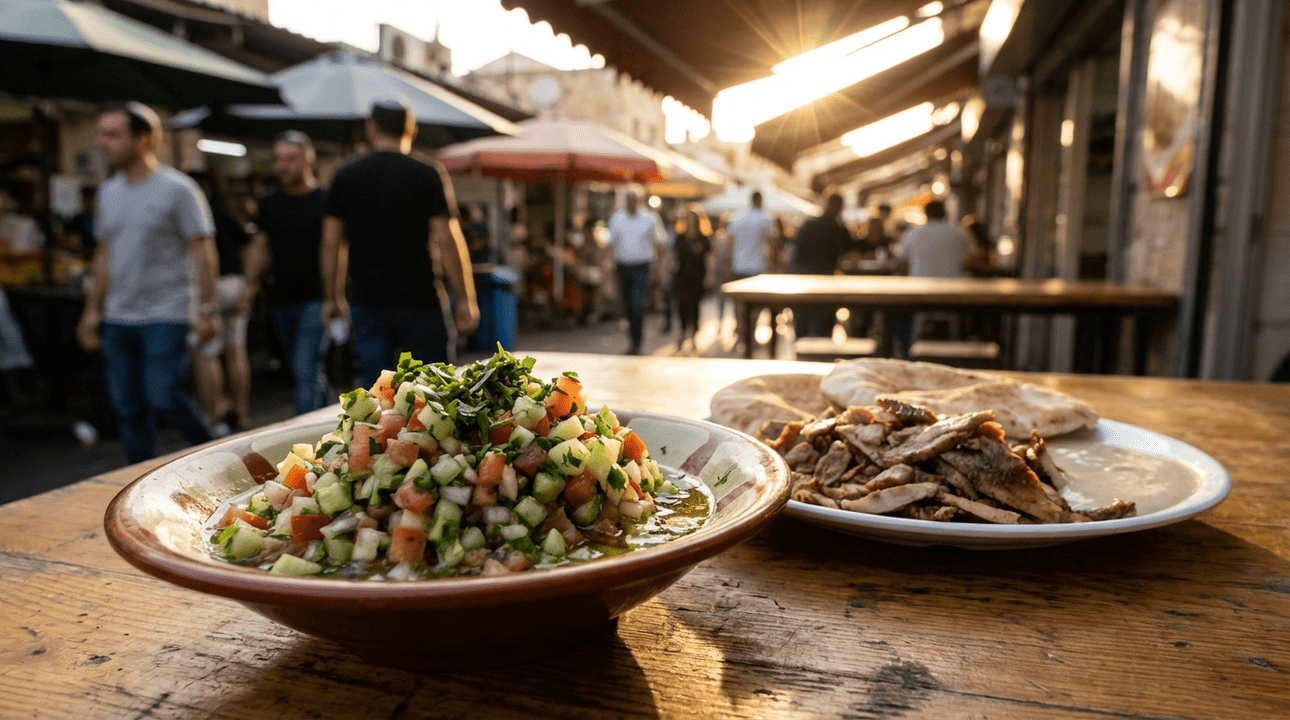
For a side dish, consider a refreshing Israeli salad that complements the shawarma perfectly. Combine diced cucumbers, tomatoes, and red onion, all dressed simply with lemon juice and olive oil. This combination not only adds freshness but also reflects the vibrant colors of Israeli markets.
The salad offers a crisp and vibrant contrast to the savory shawarma, reminiscent of the fresh produce found in the bustling markets of Tel Aviv.
This salad is a nod to the agricultural richness of the Jezreel Valley, known for its fertile lands.
The Israeli salad is a simple yet flavorful addition that enhances the shawarma experience, bringing a taste of Israel’s vibrant market culture to your table.
The balance of flavors in the salad makes each bite refreshing and full of zest. Combining ingredients like cucumbers, tomatoes, and parsley creates a vibrant dish reminiscent of the fresh produce found in Israel’s markets.
A simple yet flavorful salad that enhances the shawarma experience, providing a taste of Israel’s culinary tradition.
This salad not only complements the shawarma but also offers a glimpse into the Mediterranean diet, known for its health benefits.
The Israeli salad is a testament to the country’s agricultural bounty, offering a refreshing counterpoint to the savory notes of shawarma.
A Cultural Exploration: Shawarma’s Place in Israeli Cuisine
Shawarma’s origins are distinctly Middle Eastern, and it has become a beloved staple in Israeli cuisine.
Its popularity is due in part to its flavors, which reflect the diverse influences of the region.
Over time, shawarma has evolved to accommodate local tastes, merging tradition with innovation.
As a street food, it’s a culinary symbol of daily life in Israel, enjoyed by people from all walks of life.
From the ancient city of Jericho to modern-day Tel Aviv, shawarma unites people through its universal appeal.
Shawarma is more than a dish; it’s a bridge between cultures and a testament to the region’s rich culinary heritage.
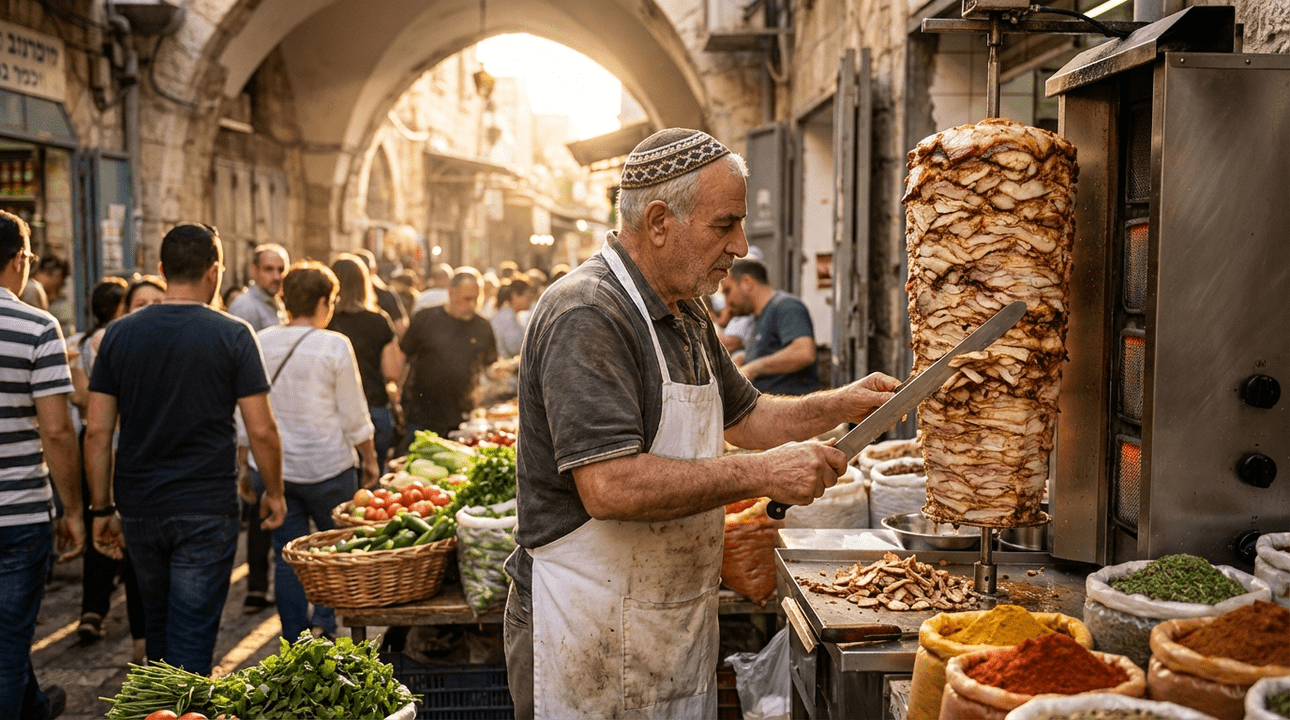
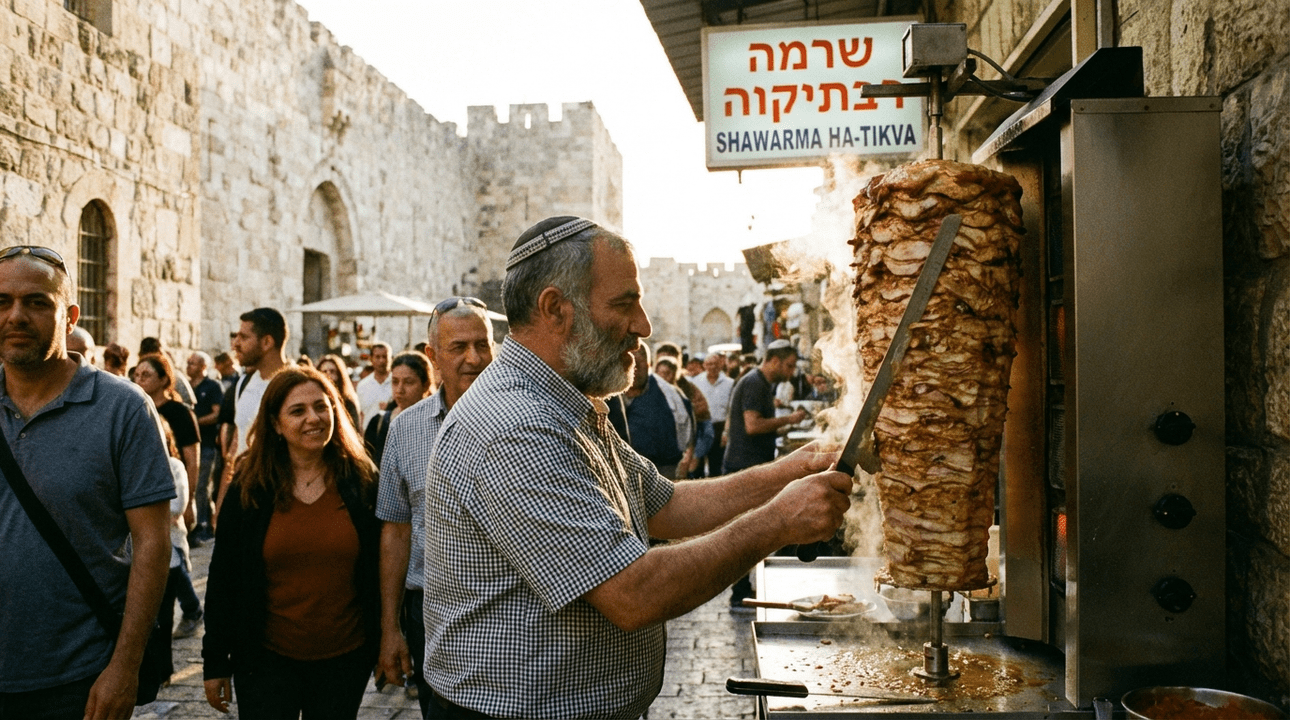
Street vendors typically cook shawarma on large vertical rotisseries, creating mesmerizing layers of sizzling aromas. This method of preparation is both efficient and visually captivating, drawing in passersby.
At home, replicating this experience requires a bit of creativity, but the resulting flavors make it worthwhile. Whether enjoyed in a casual setting or during a festive meal, shawarma never fails to delight.
The sight and smell of shawarma cooking are as iconic as the ancient walls of Jerusalem, inviting all to partake.
Creating Lasting Memories with Israeli Shawarma
Cooking and sharing shawarma is more than just a culinary activity; it is an opportunity to connect with others. Preparing this dish for family or friends can lead to cherished moments and lively conversation.
The shared experience of enjoying shawarma fosters a sense of togetherness and cultural appreciation. Every bite tells a story of heritage and tradition, bringing the flavors of Israel into your home.
It’s a meal that transcends borders, much like the stories of Abraham and Sarah, offering warmth and connection.
As you master this recipe, consider exploring further into Israeli culinary traditions, which are as diverse as the country’s history.
From hummus, a staple made from chickpeas and tahini, to falafel, crispy chickpea balls, Israeli food offers a world of tastes waiting to be discovered.
Each recipe contributes to an understanding of the culture’s rich tapestry, much like the diverse stories of the people of Israel. Through food, you connect with the land and its people, from the ancient prophets to modern communities.
Exploring Israeli cuisine is a journey through history and culture, enriching your culinary repertoire.
Bringing these flavors to life is not only a culinary journey but an engaging cultural experience. Exploring Israeli cuisine allows you to connect with the country’s rich history, from the ancient times of King Solomon to modern-day Tel Aviv.
Delving into Israeli cuisine opens a door to cultural exploration, enriching your culinary skills and appreciation for Israel’s heritage.
Each dish tells a story, much like the biblical tales of Ruth and Esther, offering a taste of tradition and innovation.
Through cooking, you connect with the past and present of Israel, savoring flavors that have been cherished through the ages.
About Shawarma
