
Exploring the Traditional Foods of the Bible
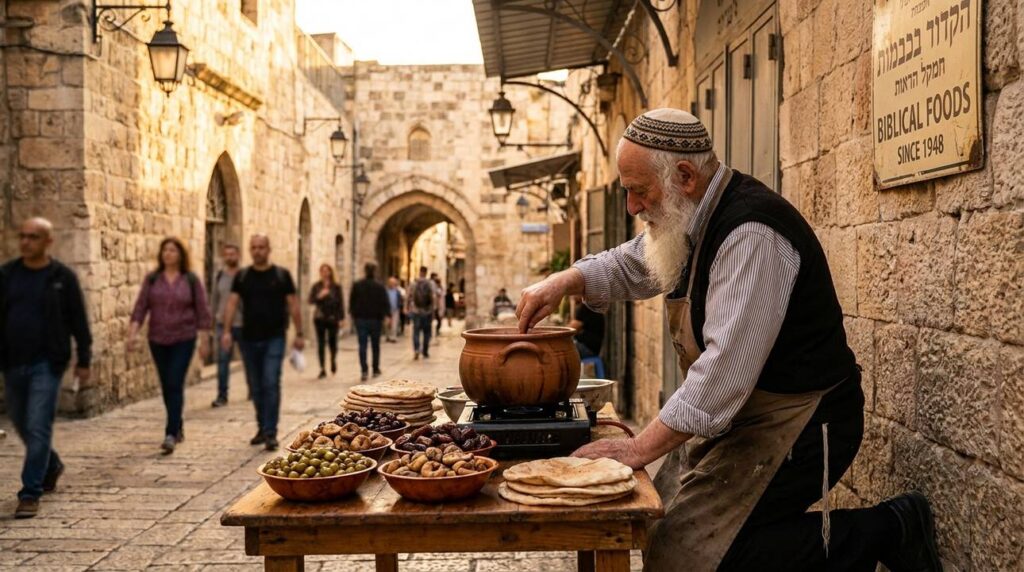

The Bible shares stories rich in history, faith, and culture. Embedded within these tales are references to seven specific foods that hold deep meaning and practical importance. These foods include wheat, barley, figs, grapes, olives, pomegranates, and dates.
These are not just nourishing staples; they represent the land’s bounty and symbolize a covenant between the people and their land. Exploring biblical foods reveals layers of tradition and meaning, connecting us to the past and offering insights into the daily lives of ancient Israelites.
Wheat: The Staple of Life
Wheat, as one of the primary grains of ancient Israel, symbolizes sustenance. It was a key element in daily life, used for making bread, which was a staple in every household. The Book of Leviticus (23:17) highlights its importance during the Feast of Weeks when wheat offerings were made.
This festival, also known as Shavuot, celebrated the end of the grain harvest and was a time of thanksgiving. This essential grain represented physical and spiritual nourishment.
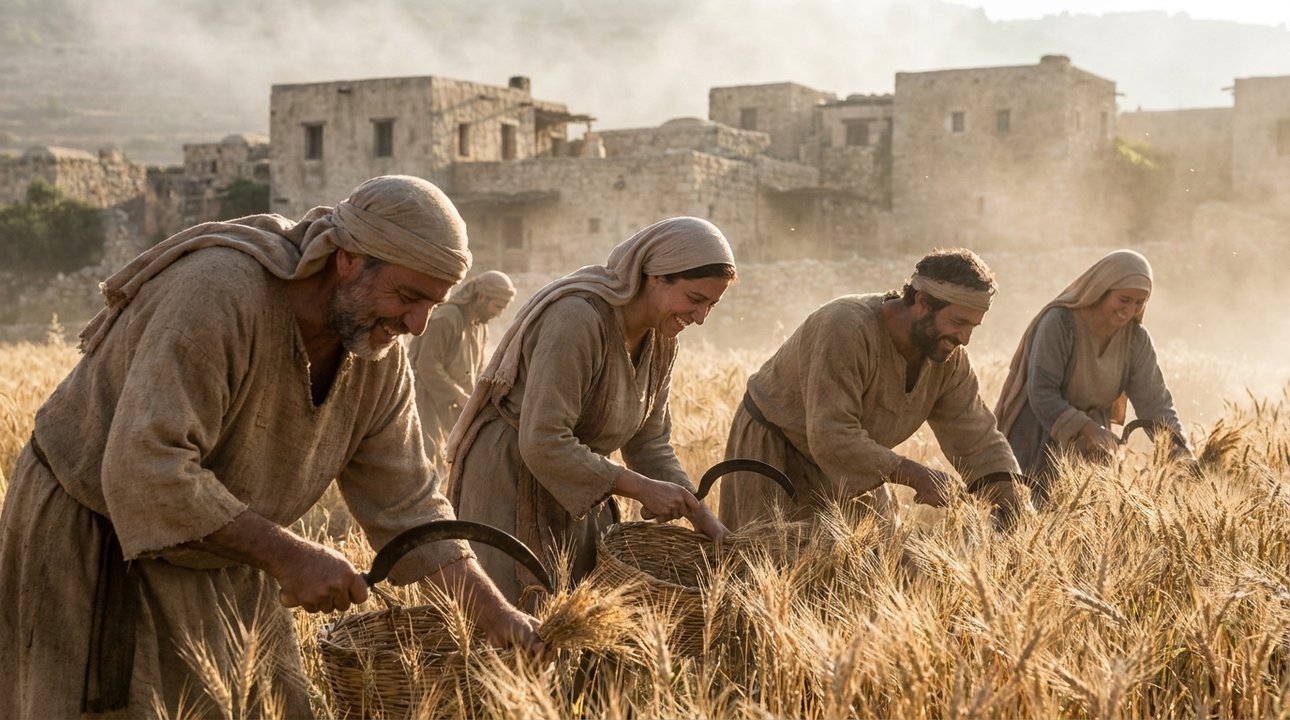
Ruth’s story features barley and wheat harvests marking significant events in her life, reflecting abundance and provision.
Israeli Cookbook
Inspired by the Farms of Israel

Barley: Resilience and Humility
Barley, another vital grain, ripens earlier and requires less fertile soil. It often grew where wheat could not. In Ruth’s narrative, barley is the harvest Boaz shares with Ruth, symbolizing provision and compassion (Ruth 2:17-18).
Barley is also mentioned in Gideon’s story in Judges 7:13, where a barley loaf symbolizes unexpected victory. This grain embodies resilience and a humble spirit, thriving in challenging conditions and providing sustenance to those in need.
Barley has long been associated with sustenance, often seen as a more affordable grain than wheat. It played a significant role during Passover, marking the beginning of the harvest season and expressing gratitude. Barley’s role in these traditions highlights its importance in sustaining life and connecting the community through shared rituals and celebrations.

Grapes: Joy and Celebration
Grapes have been cultivated in Israel for centuries, integral for winemaking. Throughout history, wine is synonymous with joy and celebration. This beverage was central to social and religious gatherings.
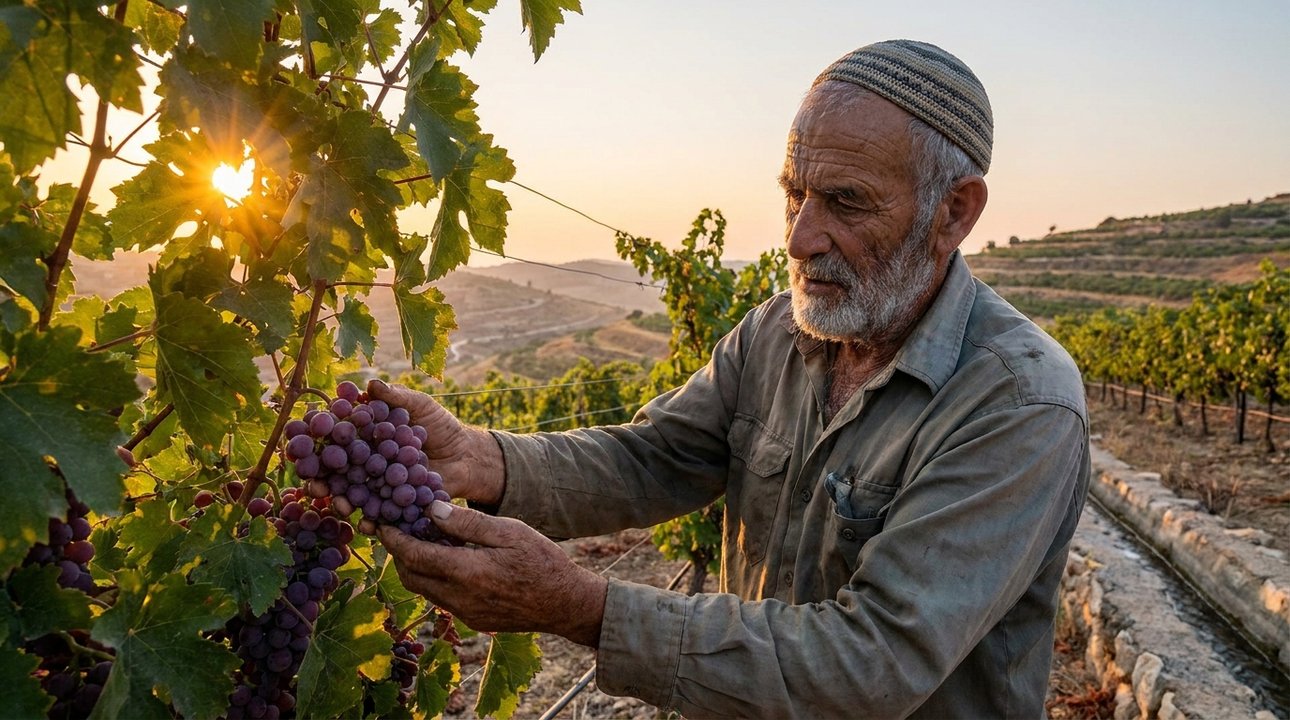
In Numbers 13:23, the spies sent by Moses brought back a cluster of grapes from the Valley of Eshkol, symbolizing the land’s fertility. Grapes embody celebration, joy, and bounty, often used in festive occasions and religious rituals, such as the Kiddush over wine.
The significance of grapes extends beyond winemaking. In Genesis 49:11, Jacob speaks to his son Judah, mentioning the vine, which signifies prosperity and abundance. The cultivation of grapes required skill and care, reflecting the dedication of the people to their land.
Grapes, therefore, not only represent joy but also the hard work and hope of a community relying on the land’s bounty for sustenance and celebration. In Isaiah 5:1-7, the vineyard is used as a metaphor for the people of Israel, highlighting their potential and the care they require.
Figs: Security and Prosperity
The fig tree is one of the most frequently mentioned plants in the Bible. Its fruits appear in stories illustrating security and peace. The vision of ‘each man sitting under his own vine and fig tree’ (1 Kings 4:25) represents peace and prosperity.
In the Song of Songs 2:13, figs are part of the imagery of spring and renewal. Figs signify abundance and stability, often marking the transition from hardship to a period of rest and fulfillment. Jesus cursing the barren fig tree symbolizes unfulfilled potential.
Figs also appear in Hezekiah’s story, where a poultice of figs was used for healing (2 Kings 20:7). This highlights the fig’s role not only as a food source but also in traditional medicine. The use of figs for medicinal purposes shows the practical knowledge and resourcefulness of the people.
The fig tree’s ability to produce fruit multiple times a year symbolizes ongoing provision and hope, reinforcing its representation of a stable and prosperous life.
Pomegranates: Beauty and Righteousness
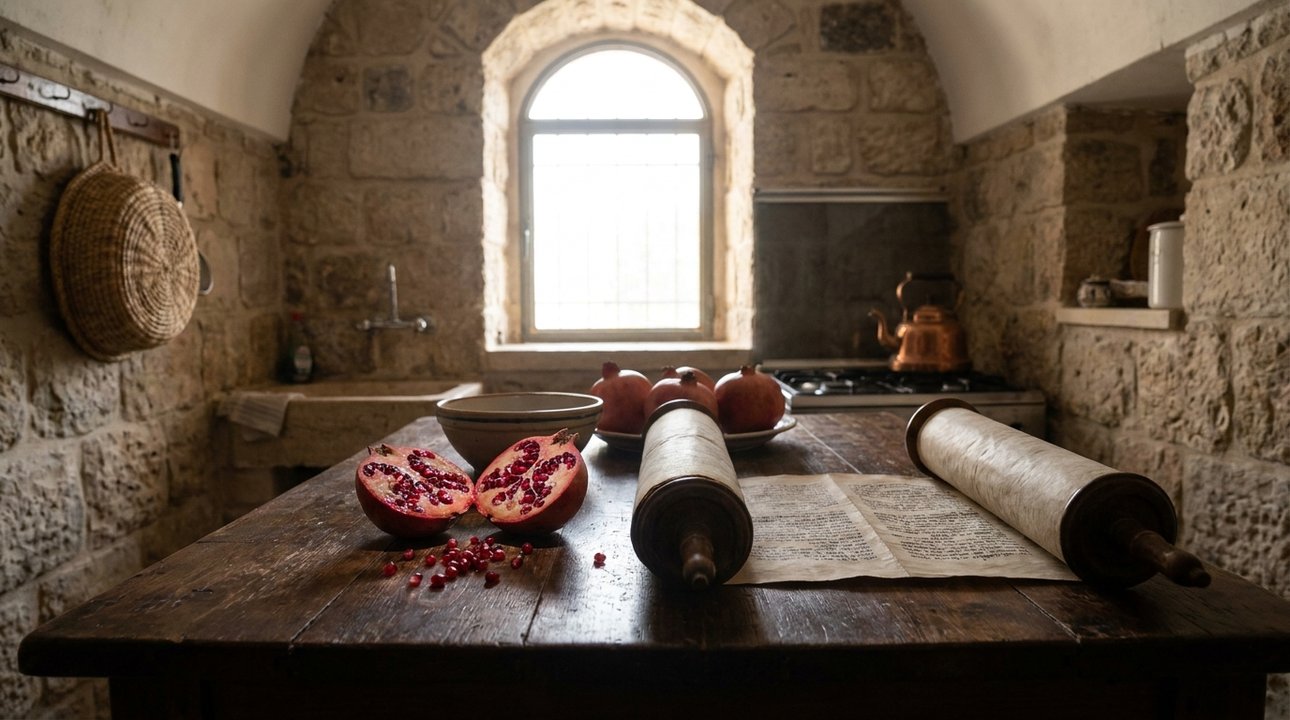
Recognized for its vibrant red seeds, the pomegranate holds a special place in tradition. It adorned the robes of the High Priest and symbolizes beauty and righteousness. Its many seeds also suggest fertility and prosperity.
The pomegranate signifies beauty and moral integrity, often associated with the richness of life and abundance.
The pomegranate’s enduring presence in Jewish culture reflects its spiritual and cultural significance.
Israeli Cookbook
Inspired by the Farms of Israel
The pomegranate’s presence in historical art and architecture reflects its status as a symbol of cultural significance. Its depiction highlights its revered status. Pomegranates, with their numerous seeds, are also linked to the idea of fruitfulness and the promise of future generations, making them a powerful emblem of continuity and hope.
In Jewish tradition, they are often associated with the 613 commandments of the Torah.
Olives: Peace and Harmony
Olives and their oil played a significant role in the daily life of ancient Israelites. Olive oil was used for anointing, lighting, and eating. Genesis 8:11 describes the olive branch brought back to Noah as a symbol of peace and reconciliation.
This moment marked the end of the flood and the beginning of a new era for humanity. Throughout the Bible, olives symbolize harmony and peace. They are mentioned in various contexts, such as Deuteronomy 8:8, which describes the land of Israel as a land of olive oil and honey.
Dates: Sustenance and Strength
Dates are mentioned as a sweet, enriching food. In 2 Samuel 6:19, David distributed dates among the people to celebrate the Ark of the Covenant returning. Dates symbolize strength and were a key part of maintaining energy in the desert environment.
Deuteronomy 8:8 lists dates among the seven species of the land, highlighting their importance in the diet and economy of ancient Israel. These fruits signify vitality and endurance, essential for survival in harsh conditions.
The palm tree, from which dates are harvested, is also a symbol of victory and peace. The resilience of the date palm, thriving in arid climates, mirrors the endurance of the people who relied on it.
Dates, therefore, are not just a source of nourishment but also a reminder of the strength and perseverance required to thrive in challenging environments. Psalms (92:12) compares the righteous to a flourishing palm tree, symbolizing growth and vitality.
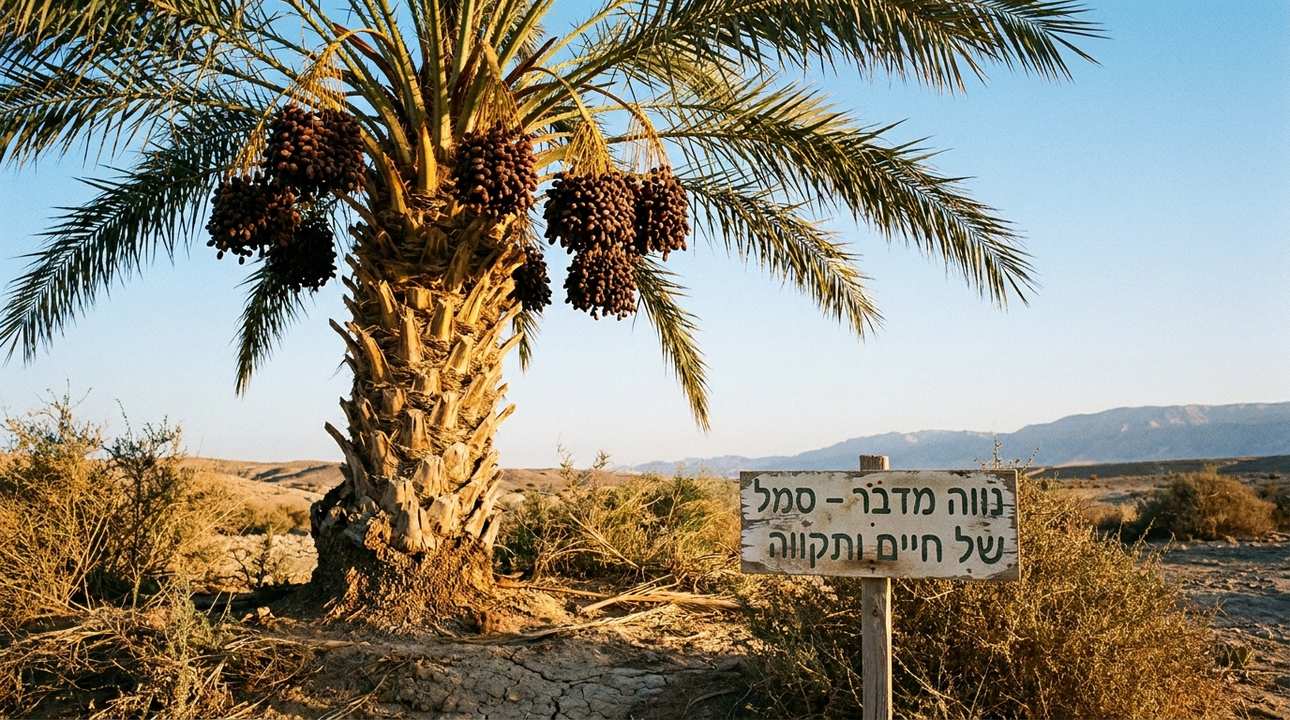
These seven foods of the Bible are more than just dietary staples; they offer a glimpse into the cultural life of ancient Israel. Each food carries its own significance. For instance, wheat and barley were central to the agricultural cycle, as illustrated in Ruth’s story.
Grapes and wine symbolize joy and celebration. Olive oil, used for anointing, represents purity and healing. Figs and pomegranates are symbols of abundance and fertility, while dates provide strength and endurance.
Together, these foods reflect the values and daily life of a people deeply connected to their land and culture.
Conclusion: Embracing Tradition Through Food
Today, these foods continue to carry their ancient significance, reconnecting people with their heritage. Through Lev Haolam, explore these traditional flavors and support local Israeli communities. By enjoying these foods, you partake in a tradition that has sustained generations.
Every purchase helps sustain small family businesses, connecting you with the rich agricultural lifestyle of the land. Embrace the cultural legacy through every bite, knowing that you are supporting the resilience and dedication of those who cultivate these cherished crops.
Understanding Biblical Foods
