
Understanding the Significance of Shechem in the Bible
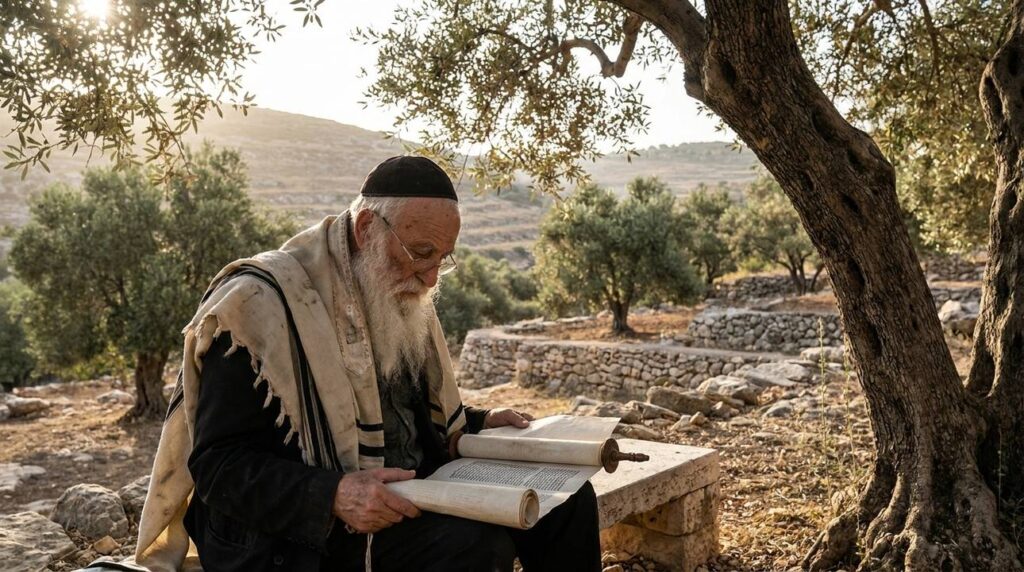

Shechem holds a prominent place in history as a site of cultural and spiritual importance.
Its role in various narratives spans from being a city of refuge to a central location for covenants and significant events.
This article dives into the meaning of Shechem, exploring its rich cultural symbolism and historical significance.
Historical Background of Shechem
Shechem, located in the hill country of Ephraim, is frequently mentioned throughout the Tanakh.
As one of the earliest settled areas in Canaan, it was strategically positioned between Mount Ebal and Mount Gerizim.
Genesis 12:6-7 recounts Abram’s arrival to Shechem, where God first appears to him, promising the land to his descendants.
from the Western Wall to Masada.
Shechem also served as a pivotal city during the Israelites’ settlement in Canaan. Joshua 24 details the gathering of the tribes at Shechem, where they reaffirmed their covenant with God. This moment highlights Shechem’s role as a place of spiritual renewal and commitment.
The reaffirmation at Shechem was a significant event, as Joshua reminded the Israelites of their history and the need to serve only their deity. This gathering underscored the city’s central role in unifying the tribes under a shared spiritual and cultural identity.
In addition to its spiritual significance, Shechem was geographically important. It was centrally located, making it accessible to the various tribes scattered throughout the land. This accessibility facilitated gatherings and reinforced its status as a place of unity.
The choice of Shechem for such a significant covenantal event reflects its historical importance, as it was a place where key decisions and commitments were made, influencing the trajectory of the Israelite nation.
Shechem as a City of Refuge
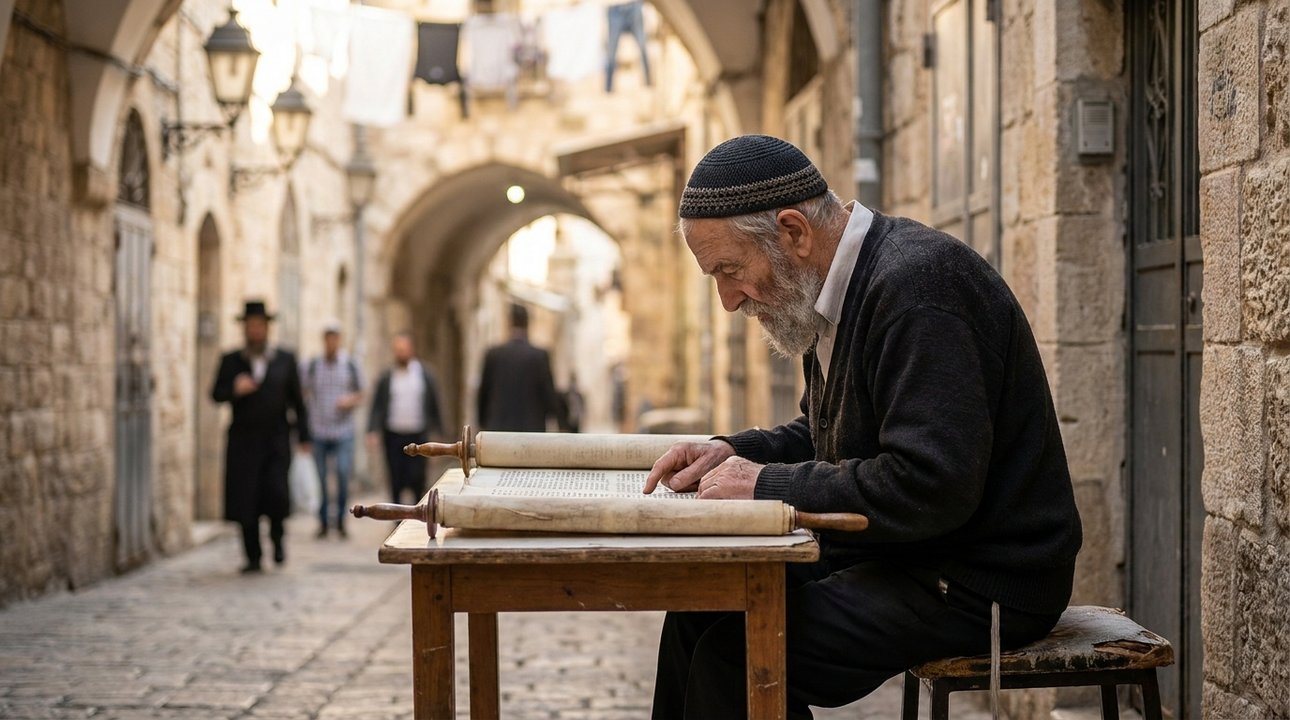
In the allocation of Levitical cities, Shechem was designated as a city of refuge (Joshua 21:21).
This status allowed it to provide asylum for individuals accused of manslaughter, ensuring justice and mercy within tribal society.
The concept of a city of refuge is crucial, offering a safe haven and symbolizing divine justice.
The implementation of cities of refuge illustrates societal structures in history. Shechem’s selection underscores its historical and geographical importance as accessible to multiple tribes and visitors. This made Shechem a central point for ensuring the practice of equitable laws.
The concept of cities of refuge was crucial for maintaining justice and mercy within the community. Shechem’s role as one of these cities highlights its strategic location and significance in the judicial system.
Shechem’s designation as a city of refuge meant it was a place where individuals could seek asylum and await a fair trial. This system was designed to prevent blood feuds and ensure that justice was served in a measured and fair manner.
The choice of Shechem for this role underscores its accessibility and centrality, making it an ideal location for people from various regions to reach in times of need.
Covenants and Shechem
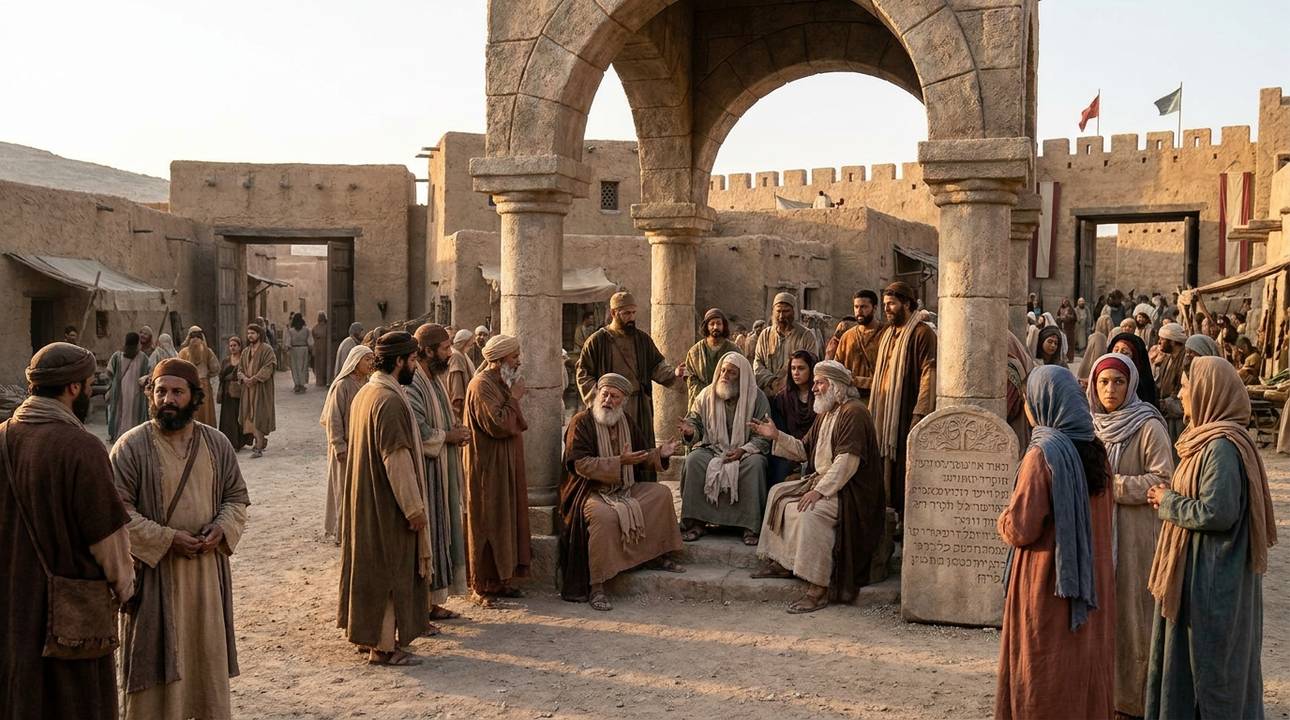
Shechem repeatedly emerges as a backdrop for significant biblical covenants. Genesis 12 records God’s covenant with Abram at Shechem. Moreover, Joshua 24 describes the people’s renewal of their commitment to God’s commandments at Shechem, marking it as a cradle of covenantal faith.
The initial covenant with Abram set the stage for the future promises and commitments that would define the Israelite nation. Shechem’s role in these events highlights its importance as a spiritual and historical landmark.
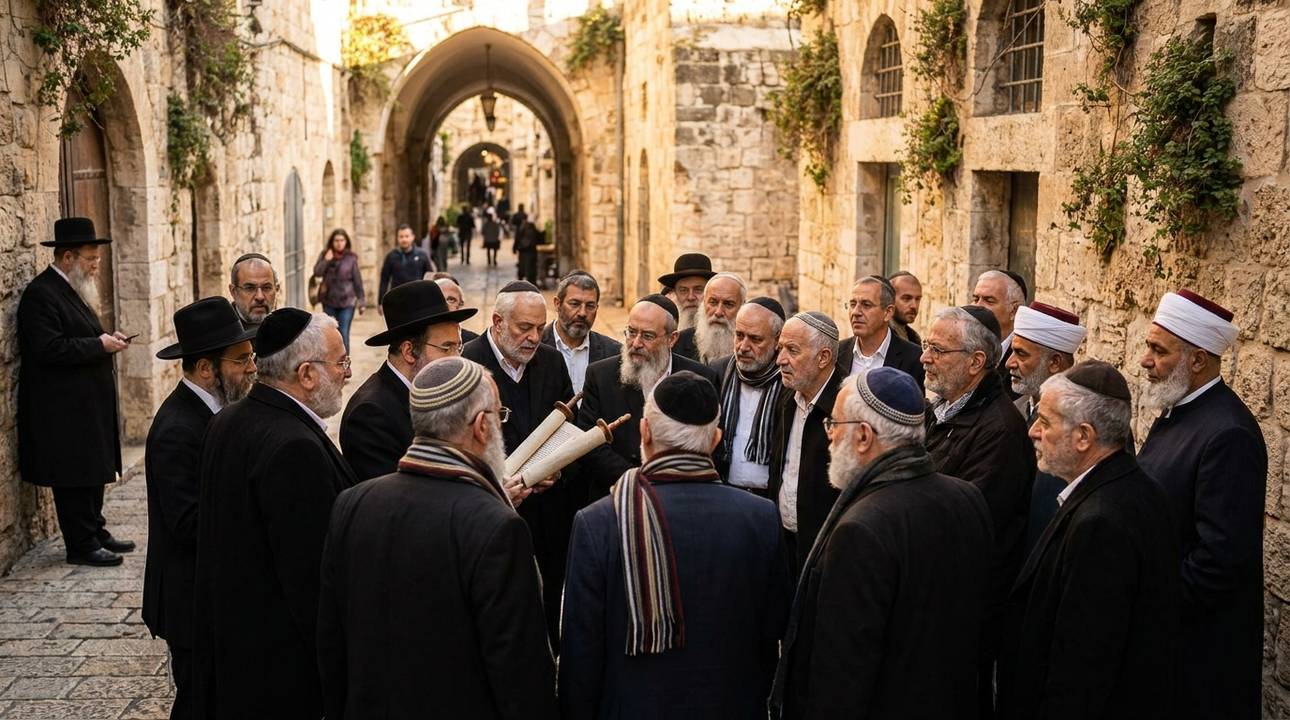
The renewal of the covenant in Joshua 24 was not just a reaffirmation of faith but also a public declaration of allegiance. The tribes gathered at Shechem to publicly declare their commitment, emphasizing the city’s role as a center for communal and spiritual gatherings.
This event at Shechem is a testament to its enduring legacy as a place where the Israelite identity was both forged and renewed, serving as a touchstone for future generations.
The establishment of covenants at Shechem reflects its revered status as a sacred site. As a gathering place for tribal leaders, Shechem facilitated the unification of the Israelites under shared beliefs and values. Such events underscore Shechem’s pivotal role in ancient Israelite religion.
The city served as a venue for significant assemblies, where leaders and tribes could come together to discuss, deliberate, and decide on matters of national importance, further solidifying its role as a central hub in Israelite life.
Shechem’s role as a meeting place for tribal leaders is evidenced in several biblical accounts, including the assembly in Joshua 24. Here, the leaders reaffirmed their commitment to follow the laws and commandments, reinforcing the city’s importance as a spiritual and political center.
This tradition of gathering at Shechem for covenantal purposes highlights its enduring legacy as a place where the Israelite community could unite and renew their collective identity.
Shechem in the Prophets
The prophets frequently referenced Shechem, using it as an emblematic location of ancestral connection and renewal.
Hosea 6:9 mentions Shechem when discussing societal corruption, showing its continued symbolic relevance.
Such texts highlight its dual representation as both a place of hope and critique.
from the Western Wall to Masada.
Prophets employed Shechem as a literary device to invoke collective memory among the Israelites. In doing so, they reinforced Shechem’s historical significance as a foundation of righteousness and faith. This demonstrates Shechem’s enduring influence within the biblical narrative.
For instance, in the book of Judges, Shechem is mentioned as a place where Abimelech, the son of Gideon, sought to establish his rule (Judges 9). This narrative highlights the city’s role in the political and spiritual dynamics of the time.
Shechem’s mention in prophetic literature serves as a reminder of the moral and ethical standards expected of the Israelites. By referring to Shechem, prophets could evoke a sense of nostalgia and call the people back to their foundational values.
This use of Shechem as a symbol of righteousness is evident in the prophetic calls for justice and adherence to the covenant, which were central themes in the messages delivered to the people of Israel.
Cultural Significance of Shechem
Beyond its biblical mentions, Shechem has left a lasting imprint on Jewish cultural and spiritual life. Ruins and archaeologically rich sites offer glimpses into its storied past. Today, Shechem is often reflected on in Jewish liturgical traditions, underscoring its importance in collective memory.
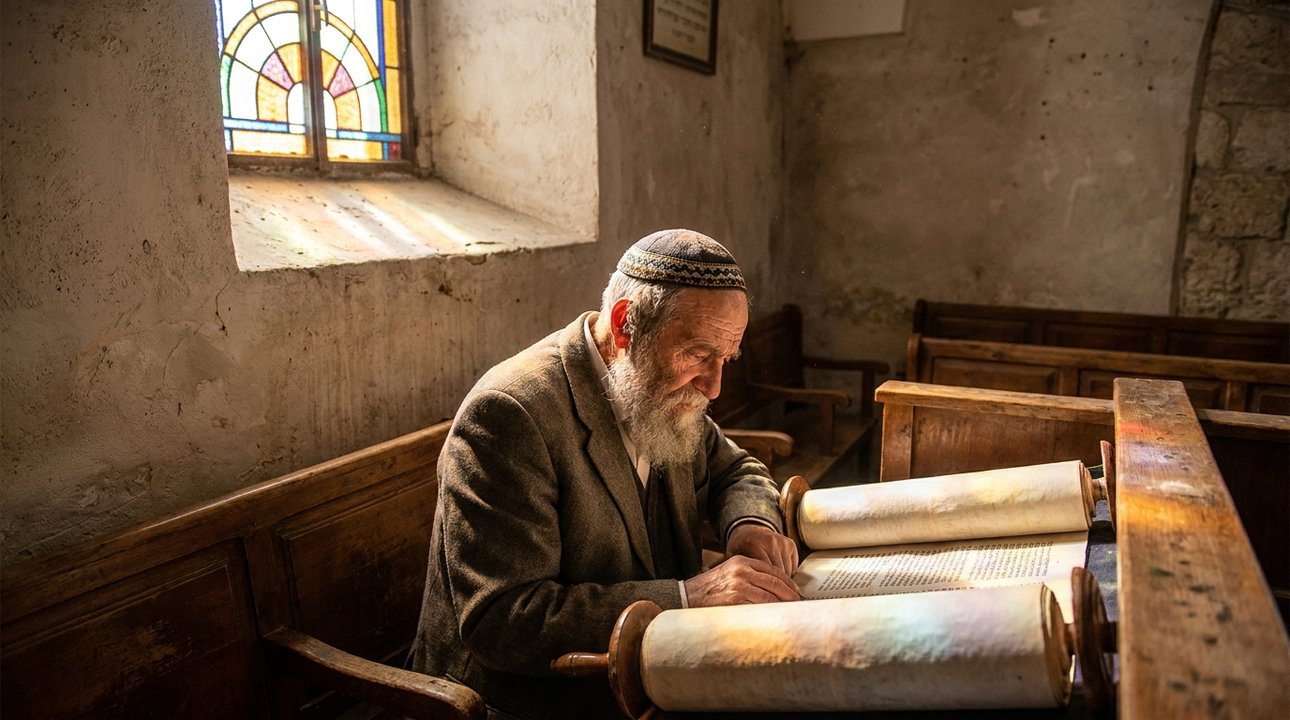
The city’s historical significance is celebrated in various Jewish rituals and prayers, which often recall the pivotal events that took place there, reinforcing its role in the spiritual narrative of the Jewish people.
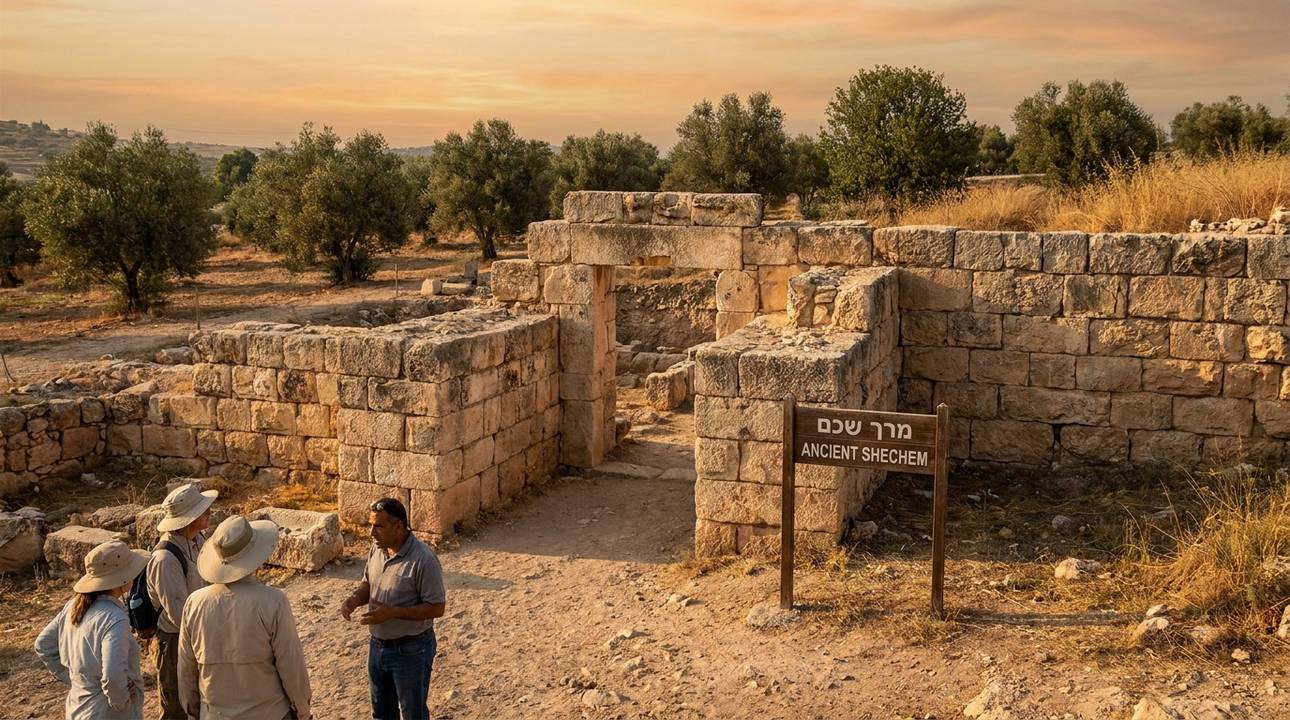
Shechem’s archaeological sites, including ancient altars and city walls, provide a window into the city’s vibrant history. These sites are not only of historical interest but also serve as places of reflection and connection for those who visit.
The enduring presence of Shechem in Jewish liturgical traditions highlights its role as a symbol of faith and continuity, reminding the Jewish community of their shared heritage and the enduring promises made at this ancient site.
Visitors to the region are often drawn to Shechem for its deep connections to early Israelite history. Its ongoing relevance is a testament to its foundational role in Jewish tradition. Shechem continues to echo its stories through the hills and structures that stand witness to its ancient past.
The archaeological remains, including ancient fortifications and religious sites, offer a tangible link to the past, allowing visitors to walk in the footsteps of biblical figures and experience the historical landscape firsthand.
Shechem’s historical sites provide a unique opportunity for visitors to engage with the rich tapestry of Israelite history. The city’s ruins, such as the ancient temple and city gates, serve as reminders of its past glory and significance.
These remnants of Shechem’s past continue to inspire those who visit, offering a glimpse into the lives and events that shaped the Israelite nation and its enduring legacy.
Modern Interpretations of Shechem
Shechem’s influence endures in modern scholarship and cultural discourse. It serves as a case study for biblical archaeology and historical geography. Researchers continue to unravel its complex narratives, contributing to a broader understanding of ancient Israel.
In the realm of archaeology, Shechem is often referenced due to its strategic location in the central highlands of Canaan. Excavations have revealed layers of occupation, dating back to the Middle Bronze Age, providing insights into its long-standing significance.
Cultural discourse also highlights Shechem’s role in biblical history. The city is mentioned in Genesis 12:6, where Abram first received a divine promise. This event marks the beginning of a journey that would shape the identity of the Israelite people.
Moreover, Shechem’s presence in the narratives of Jacob and his sons, as seen in Genesis 34, further cements its place in the collective memory of the Jewish people, serving as a backdrop for pivotal family and tribal events.
The city’s legacy prompts new dialogues around heritage and identity.
Tourists, scholars, and locals alike engage with Shechem’s past, bridging ancient traditions with contemporary faith practices.
Such interactions illustrate the ongoing relevance of Shechem in both religious and educational contexts.
Understanding Shechem's Role
