Understanding the Hebrews’ Journey to Slavery in Egypt
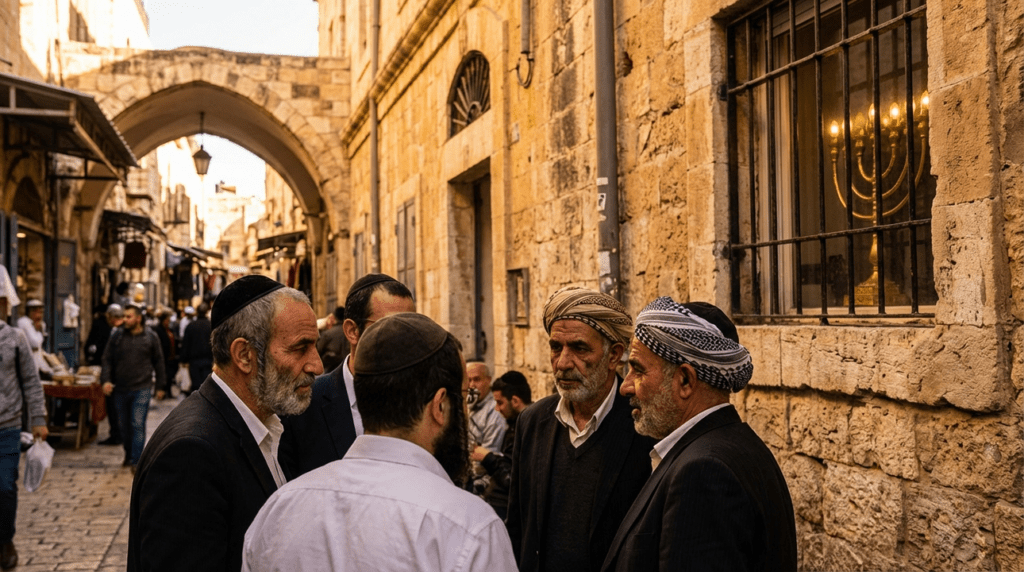

The tale of the Hebrews in Egypt is a narrative woven into the fabric of Jewish identity. It is one of oppression, resilience, and ultimate freedom. This article explores how the Hebrews came to be enslaved in Egypt and the broader cultural implications of this period.
Join us as we delve into one of the most enduring tales of endurance and hope in Jewish tradition. The narrative begins with Joseph, whose journey to Egypt set the stage for the Hebrews’ eventual enslavement, as detailed in Genesis 37:28.
Joseph’s story is one of betrayal and redemption, as he rose from being sold into slavery by his brothers to becoming a powerful figure in Egypt. His journey laid the groundwork for his family’s migration to Egypt, a move that initially promised prosperity but eventually led to their enslavement.
This complex narrative highlights the themes of survival, resilience, and the enduring spirit of the Hebrew people, setting the stage for their eventual liberation and the legacy of their struggle.
The Hebrews’ Arrival in Egypt
The journey of the Hebrews to Egypt begins with Joseph, a Hebrew sold into slavery by his brothers. His rise to power as a trusted advisor to Pharaoh is a pivotal moment in the narrative. During a severe famine, Joseph’s family migrated to Egypt seeking sustenance.
This migration, initially a means of survival, set the stage for what would become a period of bondage. Genesis 41:41-43 describes Joseph’s rise, where Pharaoh put him in charge of the land, facilitating his family’s move to Egypt.
Joseph’s story is one of redemption and foresight, as he interpreted Pharaoh’s dreams and prepared Egypt for the famine. His family’s arrival marked the beginning of their long sojourn in Egypt, which eventually led to their enslavement.
The Hebrews’ initial prosperity turned into oppression as new Pharaohs rose to power, forgetting Joseph’s contributions. This shift in their fortunes underscores the complexities of their history in Egypt, from favored guests to enslaved people.
Over time, the Hebrews prospered and multiplied in Egypt, as noted in Exodus 1:7, which states that the Israelites were fruitful and increased greatly. This rapid growth sparked fear among the Egyptians, leading to their enslavement.
Pharaoh, feeling threatened by their numbers, saw the Hebrews as a potential uprising force. Exodus 1:9-10 captures Pharaoh’s concern, where he expresses worry over their strength, saying, “Look, the Israelites have become far too numerous for us. ” This fear prompted harsh measures to control them.
To subdue the Hebrews, Pharaoh imposed forced labor, making their lives bitter with hard service in mortar and brick, as described in Exodus 1:13-14. Despite these oppressive conditions, the Hebrews’ spirit was not broken. Their community bonds grew stronger, and their faith remained unshaken.
The Egyptians’ attempts to suppress them only served to fortify their unity and resolve, setting the stage for their eventual liberation and the enduring legacy of their resilience.
This fear of the ‘other’ led to forced labor as a means of controlling the population. The Egyptians imposed harsh labor on the Hebrews, building cities like Pithom and Raamses, as mentioned in Exodus 1:11.
Such an oppressive regime aimed to suppress their growth and spirit, yet it only strengthened their resolve and unity. The severity of this labor is described in Exodus 1:13-14, where the Israelites were subjected to rigorous work.
Ironically, the harsh conditions fortified their community bonds and resilience. Despite the Egyptians’ attempts to break their spirit, the Hebrews’ unity and faith grew stronger.
This period of oppression became a defining moment in their history, setting the stage for their eventual liberation and the enduring legacy of their resilience and strength as a people.
Life of Hebrew Slaves in Egypt
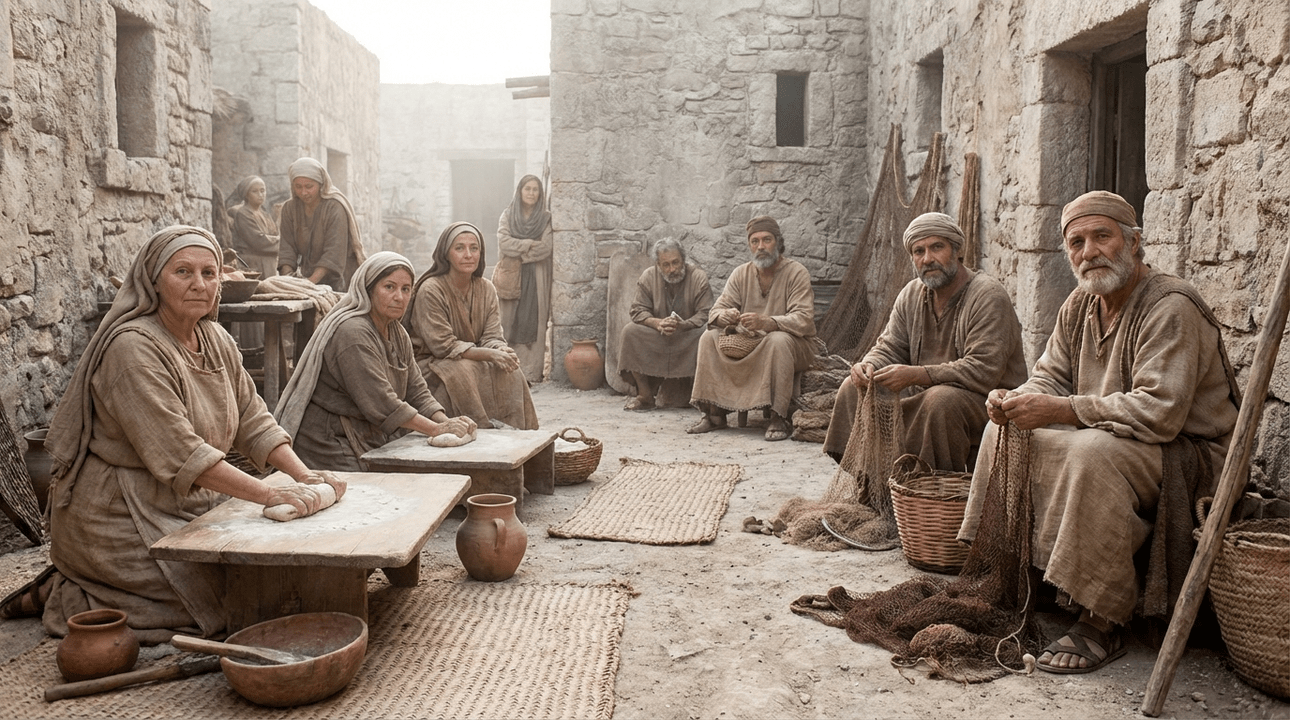
Life under Egyptian rule was harsh. The Hebrews were subjected to rigorous labor, constructing the cities of Pithom and Rameses. The oppression was extreme, with Pharaoh ordering the Hebrew midwives to kill newborn Hebrew boys.
This order was a terrifying attempt to suppress their growth and control their future. Exodus 1:15-16 recounts this decree, showing the lengths to which the Egyptians went to curb the Hebrew population, a testament to the fear they instilled.
Despite the severe oppression, the Hebrew midwives, Shiphrah and Puah, defied Pharaoh’s orders, allowing the boys to live. Their bravery is noted in Exodus 1:17, where they feared God and did not do what the king of Egypt had told them to do.
This act of courage preserved the Hebrew lineage and demonstrated the power of individual resistance against tyranny. The midwives’ actions became a crucial part of the narrative, highlighting the importance of moral strength and defiance.
Despite the harsh conditions, the Hebrews maintained their faith and identity, as illustrated in Exodus 6:9. Here, they are described as not listening to Moses due to their broken spirit and harsh slavery. Yet, they continued to practice their traditions and held onto the hope of redemption.
This resilience laid the foundation for their eventual liberation, foreshadowing a return to freedom and autonomy. Exodus 3:8 envisions a land flowing with milk and honey, a promise of a brighter future.
Their steadfast faith and cultural practices kept their identity alive even in the face of adversity. The Hebrews’ perseverance became a beacon of hope, inspiring future generations to hold onto their beliefs and traditions.
This unwavering spirit eventually led to their liberation, as they were guided by leaders like Moses, who embodied their hopes and dreams for a life of freedom and dignity.
Their unwavering faith and adherence to their cultural practices provided a sense of community and strength, allowing them to endure the hardships of slavery. This collective hope and identity were crucial in sustaining their spirits and preparing them for the eventual journey to freedom.
Exodus 12:37-38 highlights this unity, where the Israelites, united in purpose, left Egypt together. Their shared traditions and beliefs were a source of resilience, helping them maintain their identity through adversity.
God’s Promise and the Exodus
The cries of the Hebrews reached the heavens, and God remembered His covenant with the patriarchs Abraham, Isaac, and Jacob, as mentioned in Exodus 2:24-25. God’s plan for their liberation involved Moses, one of the most pivotal figures in biblical history.
Chosen to lead his people, Moses faced Pharaoh and demanded the release of the Hebrews, as described in Exodus 5:1, where he boldly asks Pharaoh to let his people go.
This marked the beginning of a transformative journey for the Hebrews. Moses’ leadership and the divine plan set in motion a series of events that would lead to their liberation.
The narrative of their struggle and eventual freedom became a cornerstone of Jewish identity, symbolizing hope and resilience in the face of adversity. Moses’ role as a leader and liberator remains a powerful example of faith and determination.
Moses, raised in Pharaoh’s palace yet deeply connected to his Hebrew roots, became the instrument of liberation. His journey from a prince of Egypt to a leader of his people is a testament to the power of destiny and purpose.
Exodus 2:10-11 details Moses’ early life, where he was adopted by Pharaoh’s daughter, yet he never forgot his heritage. This connection to his roots later fueled his mission to free his people, becoming their voice and guiding them towards freedom.
Moses’ leadership was marked by courage and determination. He confronted Pharaoh, demanding the release of the Hebrews, as described in Exodus 5:1. His unwavering commitment to his people and their liberation became a defining feature of his life.
Through Moses, the Hebrews found a leader who embodied their hopes and dreams, guiding them through the trials of the Exodus and towards the promised land.
Through a series of plagues that struck Egypt, Pharaoh was eventually compelled to let the Hebrews go, as detailed in Exodus 12:31-32. In these verses, Pharaoh finally relents after the death of the firstborn, saying to Moses and Aaron, “Up! Leave my people, you and the Israelites!
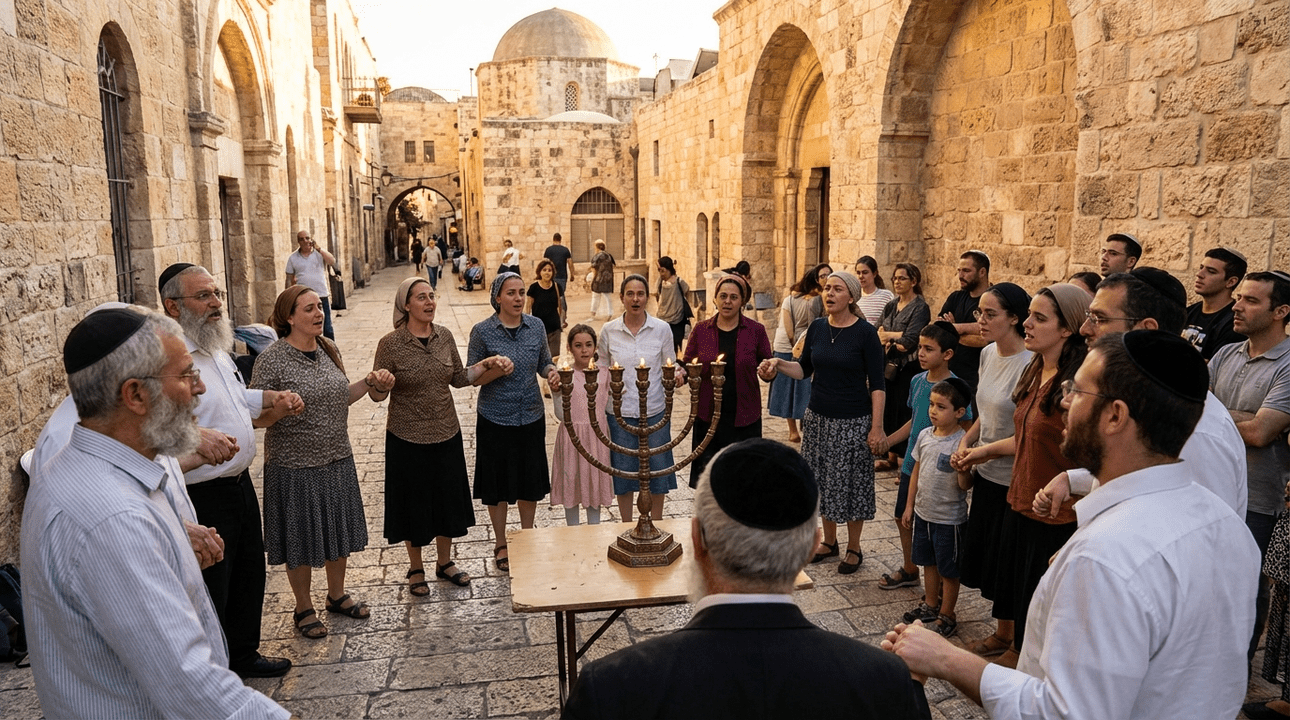
Go, worship as you have requested. ” This moment is celebrated today in Jewish tradition during the festival of Passover, which commemorates the passage from slavery to freedom. It is a time of remembrance and gratitude for liberation.
The Exodus is not just a historical event but a symbol of enduring faith and resilience. It reminds us of the power of liberation and the importance of freedom. This story has been passed down through generations, emphasizing the hope and determination that carried the Hebrews through their trials.
Passover serves as a reminder of the strength found in unity and the belief in a better future, inspiring communities to reflect on their own journeys toward freedom and justice.
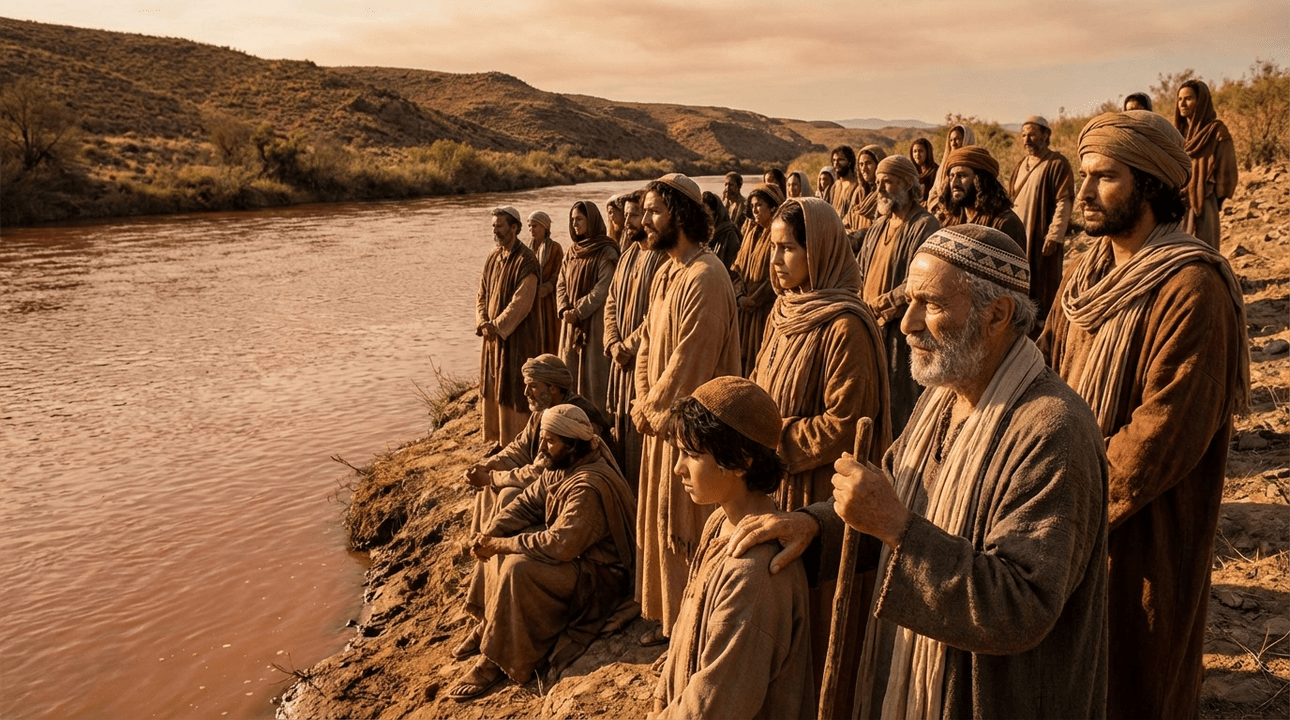
The plagues, from turning water into blood to the death of the firstborn, demonstrated the might and determination of the Hebrews’ God to free His people. Each plague was a step closer to freedom, culminating in the miraculous crossing of the Red Sea.
This defining moment of liberation and divine intervention is vividly described in Exodus 14:21-22, where Moses stretches out his hand over the sea, and the waters part, allowing the Hebrews to escape.
Exodus 7:17-21 describes the first plague, where the Nile turned to blood, causing distress among the Egyptians. These events showed the power that was guiding the Hebrews towards their promised liberation.
The plagues not only demonstrated divine intervention but also served as a testament to the resilience and faith of the Hebrew people, who were steadfast in their journey towards freedom and autonomy.
Cultural Impact of the Exodus
The Exodus has left an indelible mark on Jewish culture and identity. More than a historical recount, it serves as a central theme in religious observances, such as the reading of the Haggadah during Passover.
This narrative has evolved into a universal symbol of liberation and hope, influencing cultures worldwide. The Haggadah, recited during the Seder, retells the journey from bondage to freedom.
This tradition reinforces the enduring message of hope and resilience.
The themes of the Exodus resonate beyond Jewish culture, inspiring movements for freedom and justice globally. It serves as a reminder that no matter how dire the circumstances, liberation and hope are possible.
This narrative continues to be a source of inspiration, teaching us the value of perseverance and faith in the face of adversity. Figures like Martin Luther King Jr. have drawn on Exodus themes, highlighting its universal message of freedom and justice.
In his speeches advocating for civil rights, Martin Luther King Jr. often referenced the Exodus story, seeing it as a powerful symbol of the struggle for equality and justice.
This universal message continues to resonate with people across the world, reminding us of the enduring power of hope and the human spirit’s capacity to overcome oppression and achieve freedom.
In Jewish thought, the Exodus is more than just a historical event; it embodies the profound value of freedom and the human spirit’s resilience. Detailed in the Book of Exodus, it reminds us of the struggle for identity and autonomy.
It perpetuates a message of unwavering faith, as seen in Exodus 14:13-14, where the Hebrews are told to stand firm and witness their deliverance. This enduring narrative continues to inspire spiritual and cultural reflections.
The Exodus resonates with people seeking liberation, offering hope and inspiration. It teaches that even in the face of overwhelming odds, freedom and justice are possible.
This narrative has inspired countless movements for freedom and justice globally, serving as a powerful reminder of the enduring human spirit and the quest for autonomy and dignity.
The journey from slavery to freedom is a powerful testament to the strength of faith and the enduring hope for a better future. The Exodus story encourages us to reflect on our own lives and the freedoms we cherish, reminding us that perseverance and faith can overcome even the greatest challenges.
In Exodus 14:21-22, the parting of the Red Sea symbolizes the miraculous power of liberation. This narrative has inspired countless generations, serving as a beacon of hope and a reminder of the power of collective faith.

Common Questions