
Discovering the Biblical Meaning of Zachary


Zachary is a name that echoes with historical and spiritual significance in Jewish tradition. Rooted in the Hebrew Bible, it offers unique insights into Israel’s past and the enduring messages of its prophets.
In this article, we delve into the biblical meaning of Zachary, exploring its cultural and spiritual dimensions. Derived from Zechariah, it has been a symbol of hope and remembrance, reflecting the Jewish people’s resilience and faith throughout history.
Zachary is linked to the prophet Zechariah, whose messages are found in the Tanakh. His prophecies, especially those concerning the rebuilding of the Temple, are documented in the Book of Zechariah.
These messages were vital during the post-exilic period, as they provided guidance and encouragement to the Jewish people. The significance of Zachary continues to be felt today, symbolizing the enduring spirit and cultural heritage of the Jewish community.
from the Western Wall to Masada.

The Name Zachary in Biblical Context
Zachary originates from the Hebrew ‘Zechariah,’ meaning ‘God remembers.’ It connects to the prophet Zechariah, a central figure who contributed to the spiritual landscape of post-exilic Israel.
His prophecies emphasized themes of return, restoration, and divine remembrance. The name encapsulates the hope and renewal experienced by the Jewish people during this pivotal era. In Zechariah 8:7-8, the promise of gathering the people from the east and west signifies a return to their homeland.
Zechariah’s visions were instrumental in inspiring the Jewish people to rebuild their lives and faith after the Babylonian exile. The prophet’s messages often included vivid imagery, such as the vision of the four craftsmen in Zechariah 1:20-21, symbolizing the divine intention to rebuild and protect.
These visions reinforced the idea of divine remembrance and the promise of a brighter future, encouraging the people to maintain their faith and commitment to their spiritual heritage.
Zechariah is known for his visions and teachings, which are documented in the Book of Zechariah. This book is part of the Minor Prophets in the Nevi’im (Prophets) section of the Tanakh.
His messages were aimed at encouraging the Jewish community to rebuild the Temple and renew their commitment to the divine covenant. Zechariah 4:6-9 highlights the importance of divine assistance in rebuilding efforts, emphasizing that it is ‘not by might nor by power, but by My Spirit.’
The Book of Zechariah contains a series of eight visions, each with significant implications for the future of Israel. These visions, such as the vision of the horses in Zechariah 1:8-11, symbolize divine surveillance and protection over the land.
Zechariah’s role as a prophet was to guide the people towards spiritual renewal, reminding them of their covenant and the importance of maintaining their faith in the face of adversity.

Zechariah’s Prophetic Visions
Zechariah’s prophecies are distinct for their vivid imagery and profound symbolism. His visions included the famous imagery of the flying scroll and the golden lampstand, as described in Zechariah 5:1-4 and 4:1-3 respectively.
These elements captured the spiritual journey and divine plans for the Jewish nation, emphasizing ongoing relationships despite past hardships. The imagery serves as a reminder of divine presence and guidance in rebuilding the Temple and the future of Israel.
The vision of the two olive trees in Zechariah 4:11-14 symbolizes the anointed ones who stand by the Lord, representing the spiritual and political leadership necessary for Israel’s restoration.
Zechariah’s prophecies provided a framework for understanding the divine role in human affairs, encouraging the Jewish people to trust in divine guidance and to work towards a future of peace and prosperity. His messages continue to resonate, offering hope and direction in challenging times.
Zechariah’s focus on divine remembrance aligns with his prophetic role during a period of re-establishment. His visions reassured the exiled Israelites of unwavering commitment, reinforcing the significance of his name, ‘God remembers.’
This assurance provided hope and motivated the people of Israel to reconstruct their society and spiritual life. In Zechariah 1:16, the prophet speaks of a return to Jerusalem with mercy, emphasizing rebuilding the Temple as a symbol of renewed faith.
Zechariah’s messages were crucial during the time after the Babylonian exile, a challenging period for the Jewish people. The return from exile marked a significant moment in Jewish history, as seen in Ezra 6:14, where the rebuilding of the Temple is documented, showing the importance of Zechariah’s encouragement.
His role was not just as a prophet but as a beacon of hope, guiding the community to restore their connection with their spiritual roots and traditions.

The Impact of Zechariah in Jewish Tradition
Zechariah’s influence extends beyond prophecy; his teachings have left an indelible mark on Jewish thought and tradition. His calls for repentance and renewal resonate in Jewish liturgical life, particularly during the High Holidays, when themes of reflection and return are central.
The themes he introduced continue to echo in prayers and customs, highlighting the relevance of his name in nurturing Jewish identity throughout history. Zechariah 1:3 emphasizes the call to return to a righteous path, a message that remains relevant today.
In the context of Jewish heritage, Zachary serves as a powerful reminder of resilience and hope. Zechariah, the prophet, is known for his visions of a rebuilt Jerusalem, as described in Zechariah 2:10-12, where he speaks of divine protection and joy.
It embodies the enduring promise of divine remembrance and leadership. This makes it a name of honor, reflecting centuries of belief in redemption and spiritual continuity for the community, inspiring hope and perseverance through generations.
from the Western Wall to Masada.
Zechariah’s visions, such as the one in Zechariah 3:8-10, where the high priest Joshua is cleansed and given new garments, symbolize the renewal and purification of the people.
This vision underscores the themes of forgiveness and new beginnings, which are central to Zachary. The prophet’s messages continue to inspire those who seek to understand the depth of Jewish faith and the enduring hope that has characterized the Jewish experience.
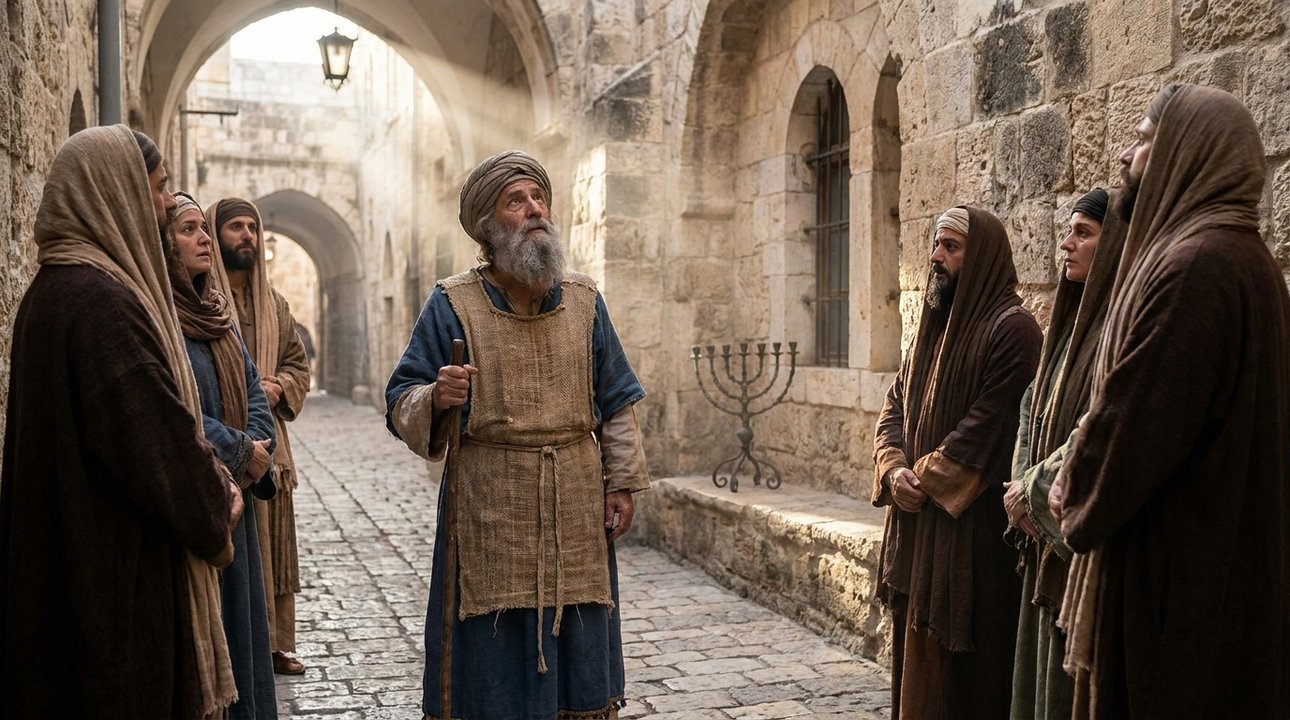
Zachary in Modern Cultural Reflections
Zachary continues to be cherished in contemporary culture. It is often chosen as a tribute to its historical roots and spiritual connotations.
In the Bible, Zechariah 9:9-10 speaks of a future king bringing peace, a theme that resonates with its meaning. In literature and popular media, Zachary is frequently used to evoke themes of memory, anticipation, and divine connection, embodying the timeless message of ‘God remembers.’
Zechariah’s prophecies, such as the one in Zechariah 12:10, which speaks of a spirit of grace and supplication, continue to inspire those who seek peace and understanding.
Zachary, therefore, is not only a connection to the past but also a reminder of the enduring hope for a future filled with peace and fulfillment. It remains a popular choice for those who wish to honor their heritage and the timeless messages of the prophets.
In modern Israel, the legacy of Zechariah influences art, literature, and collective memory, fostering a connection with ancient traditions. The prophet Zechariah, known for his visions and messages, is mentioned in the Bible, specifically in Zechariah 1:1-6, where he calls for repentance and renewal.
This cultural reflection showcases the lasting impact of Zachary, bridging past and present through meaningful narratives. His influence is seen in works like the poetry of Yehuda Amichai, who often draws on biblical themes.

Cultural Significance of the Name Zachary
Rooted in biblical text, Zachary carries deep cultural significance. It serves as a testament to the enduring legacy of faith and divine relationship in Jewish history.
In the Book of Zechariah, the prophet’s messages emphasize themes of hope and restoration, as seen in Zechariah 8:3-8, where the return to Jerusalem is promised. This connection underscores the cultural richness that Zachary brings to Jewish identity, symbolizing the hope for future redemption and peace.
Zechariah’s prophecies, such as those found in Zechariah 9:11-12, where prisoners are promised freedom and hope, highlight the transformative power of faith and divine intervention.
Zachary, therefore, is not just a reminder of past promises but also a beacon of future possibilities. It reflects the Jewish people’s unwavering belief in the potential for renewal and the fulfillment of divine promises, making it a cherished name in Jewish culture.
Zachary’s significance is felt in diverse ways, from naming traditions to artistic expressions. In Jewish culture, names are often chosen to honor ancestors or biblical figures, and Zachary is no exception.
The name connects individuals to their heritage, ensuring that the values of remembrance and faith remain vibrant. Through this name, the continuity of Jewish tradition is preserved and celebrated globally, reflecting the teachings of the prophet Zechariah, who is associated with visions of peace and restoration.
Zachary, with its roots in the prophecies of Zechariah, serves as a bridge between the past and present, linking individuals to a rich spiritual heritage.
In Zechariah 14:9, the vision of a unified world under one leadership underscores the universal hope for peace. This message, embodied in Zachary, continues to inspire those who seek to understand and appreciate the depth of Jewish faith and the enduring hope that characterizes the Jewish experience.

Understanding Zachary in the Bible
