
Exploring Biblical Wines: Then and Now
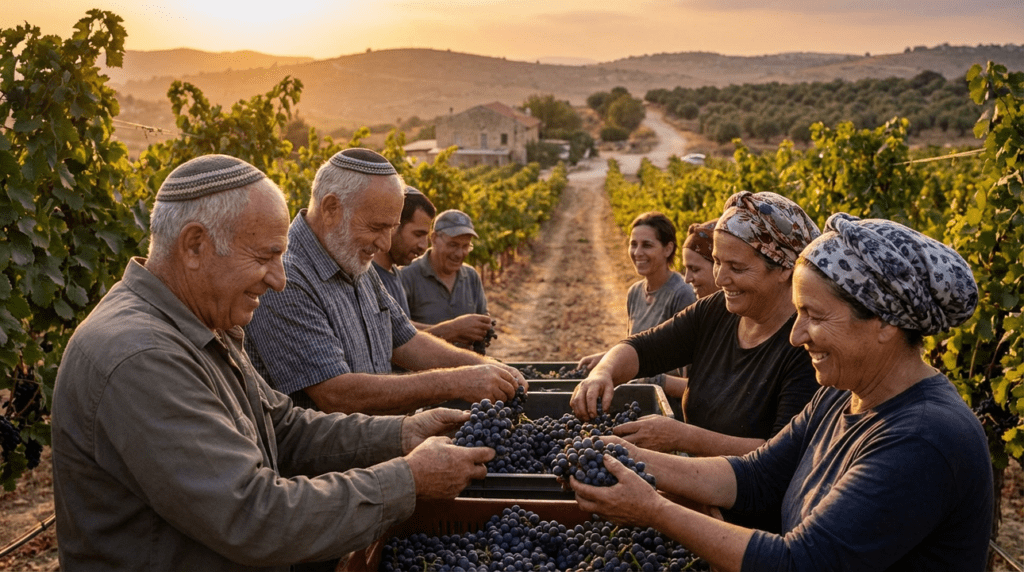

Wine in the Bible serves as both a beverage and a symbol, appearing throughout the scriptures in religious, communal, and celebratory contexts. For instance, in Genesis 14:18, Melchizedek, king of Salem, brought out bread and wine, symbolizing hospitality and blessing. This article delves into the types of wine mentioned, their roles, and how they compare to modern varieties. The wines of biblical times were often made from local grape varieties, reflecting the region’s agricultural practices.
Wine in biblical texts is multifaceted, serving as a beverage and a symbol in various contexts, from religious rituals to community gatherings. In Proverbs 3:10, wine is associated with abundance and blessing, filling the vats as a sign of prosperity. It also symbolizes joy and celebration, as seen in Psalm 104:15, where it is said to gladden the heart. These references illustrate wine’s diverse roles in biblical narratives.
Israeli Cookbook
Inspired by the Farms of Israel

Ultimately, wine’s multifaceted presence in the Bible highlights its symbolic and practical roles, enriching both spiritual and social life.
Biblical Wine: A Brief Overview
In biblical times, wine was an integral part of daily life, reflected in numerous passages. Genesis 9:20-21 recounts Noah as the first to plant a vineyard and produce wine, laying the foundation for its significance. The Hebrew Bible frequently mentions wine in offerings and celebrations, highlighting its importance. In Exodus 29:40, wine is part of the daily offerings, underscoring its role in religious practices.
Wine’s frequent mention in the Bible underscores its central role in both daily and spiritual life, marking its significance in ancient culture. Wine was central to daily life in biblical times, used in religious rituals and celebrations, marking its cultural significance. In Genesis 14:18, Melchizedek, king of Salem, brings out bread and wine to Abraham, symbolizing hospitality and covenant.
Wine was also part of religious offerings, as seen in Exodus 29:40, where it is used in daily sacrifices. These practices highlight its integral role in both sacred and social contexts. The key takeaway is that wine’s presence in rituals and daily life underscores its deep-rooted importance in biblical culture, serving both spiritual and communal functions.
This distinction reflects the different uses and cultural importance of wine in ancient Israel. In Joel 1:5, new wine is associated with joy and vitality, emphasizing its role in celebrations. The Bible’s distinction between new and strong wine highlights the diverse applications and significance of wine in ancient culture.
Types of Wine in Biblical Narratives
Although specific grape varieties are not identified, the Bible refers to ‘new wine’ and ‘strong wine’ (Hosea 4:11). New wine was typically freshly pressed grape juice, while strong wine aged longer, enhancing its potency and flavor.
Conversely, Ecclesiastes 9:7 encourages enjoying wine with a joyful heart. These contrasting views reflect the balance between enjoyment and restraint. The Bible presents wine as a dual symbol, celebrating its joys while cautioning against its misuse, promoting a balanced approach.

Wine as a Symbolic Element
The Bible often uses wine as a metaphor for joy, blessing, and divine favor. In Psalm 104:15, it is praised for bringing gladness to the heart, a sentiment echoed in many other passages. However, Proverbs 20:1 provides a cautionary note, warning that wine can lead to drunkenness and folly. This dual nature of wine reflects its role in biblical society, where it was both celebrated and approached with care. Ecclesiastes 9:7 also encourages the enjoyment of wine with a joyful heart.
Wine in the Bible is both a symbol of joy and a reminder of moderation. It is celebrated for its positive effects but also cautioned against for potential excess. In Proverbs 20:1, wine is described as a mocker, warning against overindulgence.
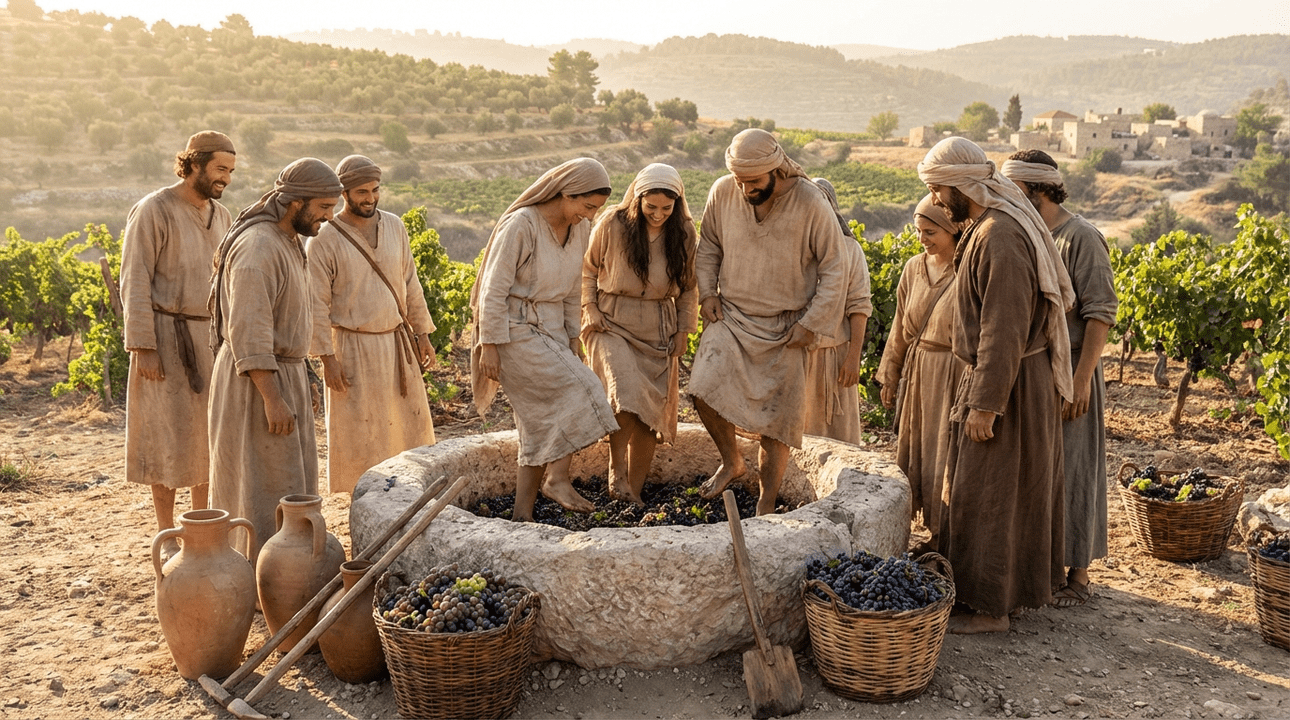
The process is described in Isaiah 16:10, where the joy of harvest and wine production is celebrated. These ancient methods highlight the simplicity and naturalness of biblical wines. Biblical winemaking was a straightforward process, producing a natural beverage distinct from today’s refined wines. Grapes were harvested and crushed in stone vats, as described in Isaiah 16:10, where the joy of the harvest is celebrated.
Ancient Wine Production Techniques
Winemaking in the Bible involved simple yet effective techniques. Grapes were harvested and crushed in vats, with the juice left to ferment naturally. This method would yield a beverage quite different from the refined wines of today, lacking preservatives and modern filtering.
The juice was left to ferment naturally, without modern additives or preservatives. This method produced a wine that was simpler and more rustic than what we enjoy today. This simplicity of ancient winemaking reflects a connection to the land and natural processes, offering a glimpse into the daily lives of biblical communities.
In biblical times, wine was more about sustenance and ritual than the refined taste we seek now. This evolution reflects broader changes in agricultural technology and global trade. The transformation of winemaking from biblical times to now illustrates technological advancements and cultural shifts in taste and production.
Israeli Cookbook
Inspired by the Farms of Israel
Modern Wine Compared to Biblical Wine
Today’s wines benefit from advanced cultivation techniques and extensive global varieties. In contrast, ancient wines were limited to local grape types and production methods. Such differences significantly impact flavor profiles and quality, creating a divergence between biblical and modern wines. For example, the lack of modern filtration in ancient wines meant they had a more robust, earthy flavor. This is noted in historical texts and archaeological findings.
Modern wines differ from biblical ones due to advanced techniques and global grape varieties, impacting flavor and quality. Today, winemakers use controlled fermentation, filtration, and aging processes that were unavailable in ancient times.
Wine’s inclusion in these ceremonies underscores its dual identity as both sustenance and sacred symbol. In Numbers 28:7, wine is again mentioned as part of the daily offerings, reinforcing its religious importance. Wine’s role in religious offerings highlights its sacred significance, bridging daily life and spiritual practice in biblical times.
Wine’s Role in Festivals and Rituals
In Leviticus 23:13, wine is prescribed as a drink offering during religious festivals, reflecting its role in sacred practices. These offerings underline the beverage’s spiritual significance, often accompanying bread and olive oil in rituals.
The cultivation of vineyards was thus a vital agricultural endeavor, boosting the local economy and livelihood. In Isaiah 5:1-2, the vineyard is a metaphor for Israel, showcasing its significance. Wine’s economic role in ancient Israel highlights its value as a trade commodity and its importance in sustaining the local economy. Wine’s economic importance in ancient Israel was profound, serving as a key trade good and agricultural staple. In 1 Kings 5:11, we learn that King Solomon traded wine with the king of Tyre, highlighting its value in international relations.

Cultural and Economic Impact
Beyond sacred uses, wine played a critical economic role in ancient Israel. It was a valuable trade commodity, often used for bartering in regional markets. Historical records indicate that wine was traded with neighboring regions like Egypt and Phoenicia.
The cultivation of vineyards was essential, and wine production supported the livelihoods of many families. This economic role is further emphasized in Isaiah 16:10, where the joy of harvest and production is celebrated. Wine was not just a beverage but a crucial part of the economy, influencing trade and agriculture in ancient Israel.
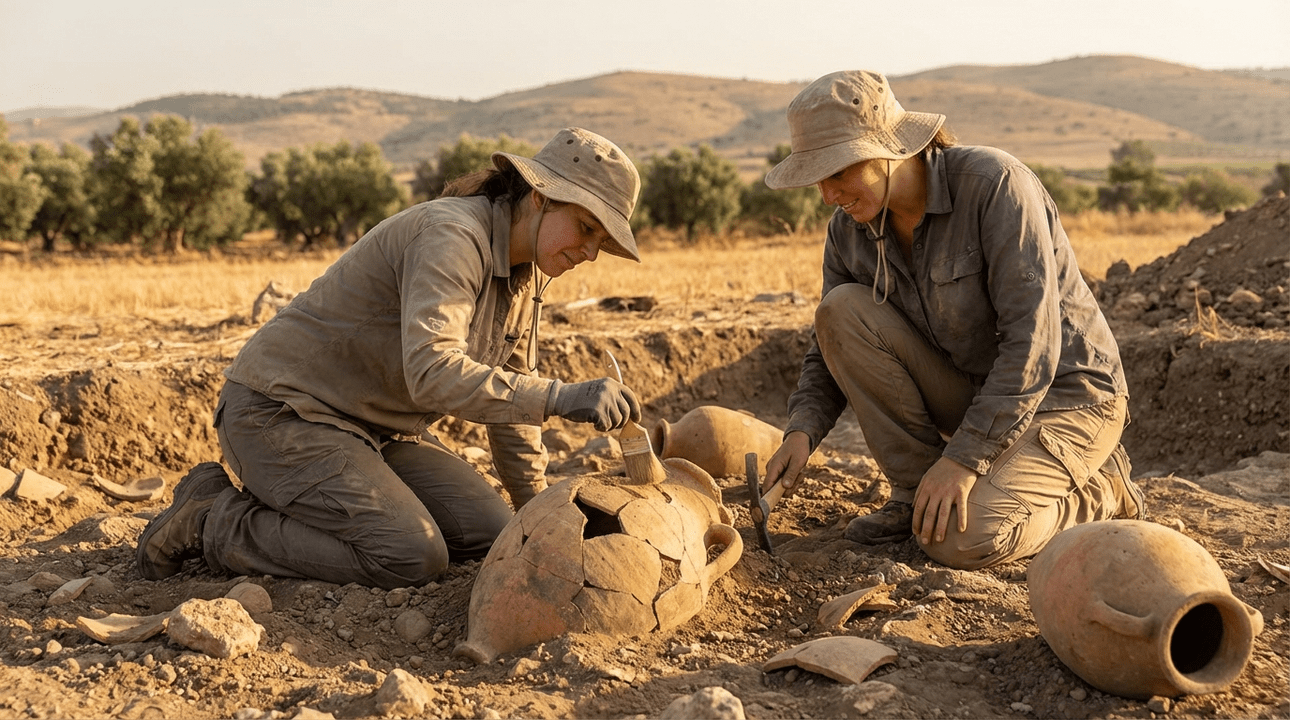
These discoveries help bridge biblical passages with tangible evidence, enriching our understanding of wine’s historical role. The findings at Tel Kabri, dating back to the Middle Bronze Age, show advanced winemaking techniques. Archaeological evidence from sites like Tel Kabri connects biblical texts to historical practices, deepening our appreciation of ancient winemaking.
Archaeological Discoveries and Insights
Archaeological excavations in Israel have uncovered winepresses and storage jars, offering insights into ancient production. Sites like Tel Kabri reveal sophisticated vineyard management akin to practices still used today.
Whether exploring ancient texts or savoring a modern vintage, wine continues to enhance life’s moments, offering a timeless toast to history and community. Wine’s enduring presence from ancient to modern times highlights its role as a cultural and social connector, bridging past and present.
Conclusion: Wine’s Lasting Legacy
In summary, wine’s journey from biblical times to today’s tables reflects changes in culture and technology. Yet its symbolic and social significance remains, connecting us through shared heritage and continued enjoyment.
In short: Wine’s enduring presence from ancient to modern times highlights its role as a cultural and social connector, bridging past and present.
Biblical Wines
