Exploring the Differences Between Laffa and Pita


Laffa and pita are cherished flatbreads in Israeli cuisine, each with its own unique flavor and texture. Pita, known for its pocket, is perfect for stuffing with various fillings, making it a staple in dishes like falafel sandwiches. Laffa, thicker and softer, is ideal for wrapping around meats and vegetables, offering a different dining experience.
Understanding these differences not only enhances appreciation for Middle Eastern dishes but also highlights the rich culinary heritage of the region. Both breads contribute to the diverse flavors and textures of Israeli meals, much like the diverse tribes of Israel mentioned in Genesis 49.
The origins of these breads can be traced back to ancient times, with pita being a common sight in the markets of ancient Egypt and laffa being a favorite in the Levant. Their enduring popularity is a testament to their versatility and ability to adapt to changing tastes.
In modern Israeli cuisine, they are celebrated for their ability to complement a wide range of dishes, from simple street food to gourmet creations. Each bite of laffa or pita is a reminder of the region’s rich history and the culinary traditions that have been passed down through generations.
Israeli Cookbook
Inspired by the Farms of Israel
The Origins of Laffa and Pita
These flatbreads have deep roots in ancient Middle Eastern culinary traditions. Pita, often called pocket bread, dates back over 4,000 years and was a staple for ancient civilizations like the Egyptians and Babylonians due to its portability and versatility.
Meanwhile, laffa, with its thicker, chewier texture, shares a similar history, being a beloved choice in the Levant region. While pita’s pocket is perfect for fillings, laffa excels in wrapping ingredients securely, making it ideal for dishes like shawarma. Each bread serves a unique purpose, adapting to different cultural culinary needs.
The historical journey of these breads is reflected in ancient texts, such as the story of Joseph in Genesis 41, where bread was a symbol of sustenance and prosperity. Pita’s ability to hold a variety of fillings made it a favorite among traders and travelers, while laffa’s sturdiness was appreciated by those needing a more substantial meal.
Today, these breads continue to be a staple in Middle Eastern cuisine, celebrated for their ability to bring together diverse flavors and ingredients. Their adaptability ensures they remain relevant in both traditional and modern culinary contexts.
The historical significance of these breads highlights how they have adapted to the culinary demands of various cultures over time. Laffa’s ability to hold fillings without tearing and pita’s convenient pocket demonstrate their enduring appeal.
These flatbreads not only provide a glimpse into ancient culinary practices but also continue to be integral to modern Middle Eastern cuisine, reflecting the rich tapestry of flavors and traditions that define the region’s food culture. Laffa’s robustness is reminiscent of the bread used by nomadic tribes, while pita’s pocket is perfect for quick, portable meals.
These breads have been mentioned in various historical texts, including those from the Babylonian era, where bread was a symbol of hospitality and sustenance. Their ability to adapt to different fillings and flavors has made them a constant presence in the region’s culinary landscape.
Their versatility is celebrated in festivals and daily meals alike, where they serve as a canvas for the vibrant ingredients of Middle Eastern cuisine. From the bustling markets of Jerusalem to the quiet kitchens of rural villages, they continue to tell stories of survival and celebration.
Culinary Uses and Pairings
Pita is commonly used in Middle Eastern cuisines, serving as a vessel for falafel, shawarma, or a variety of spreads like hummus and baba ghanoush. Its ability to form a pocket makes it perfect for stuffing with vegetables, meats, and sauces.
Laffa, with its larger and thicker profile, is ideal for making wraps and sandwiches. It holds fillings like kebabs, grilled vegetables, and lamb beautifully, allowing for a hearty, more filling meal.
Both breads offer a delightful chewiness, but laffa’s texture is often described as chewier, making it preferred for wraps. Different dishes are enhanced by the bread chosen, demonstrating how each contributes distinctively to both big meals and light snacks.
Bread-making Techniques
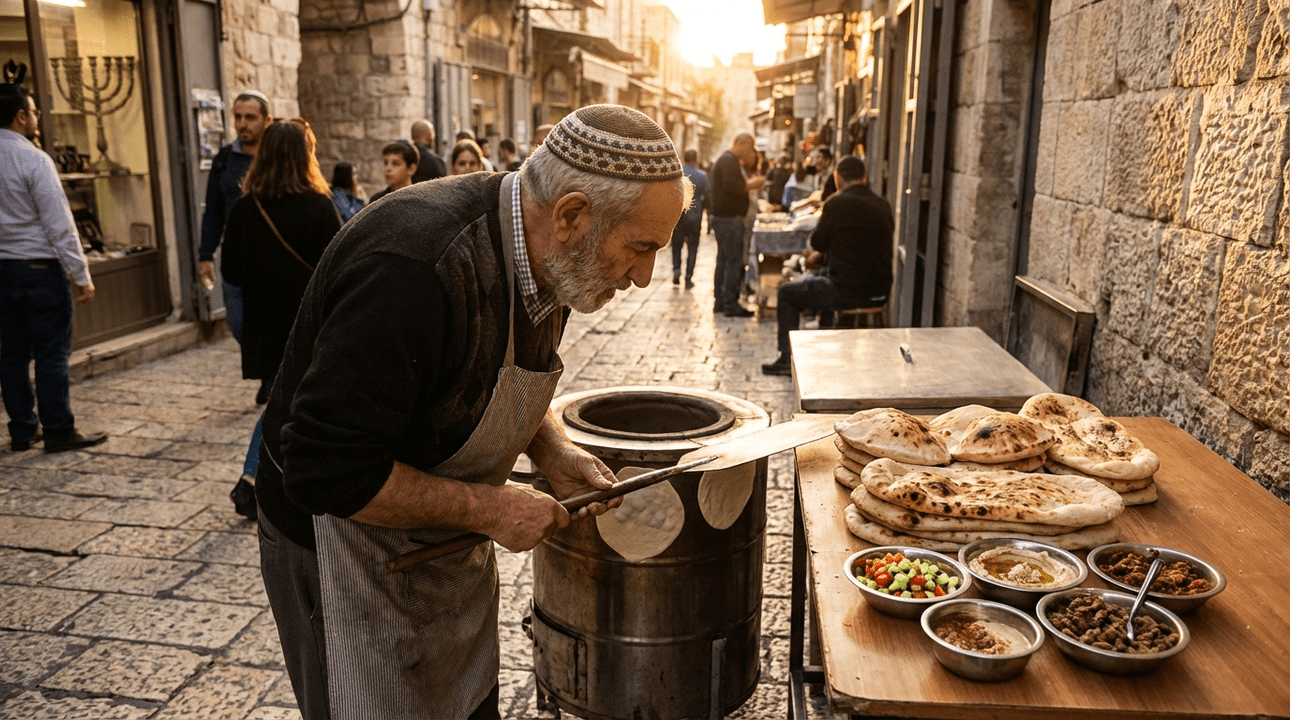
Preparing these breads involves unique baking methods that affect their textures and flavors. Pita is typically baked at high temperatures, causing it to puff up and create a hollow center, ready for filling with various ingredients.
Laffa, however, is made on a convex metal surface or a hot oven, akin to a tandoor, which gives it that distinct soft yet robust structure. The art of baking each of these breads has been perfected over generations, with particular techniques passed down through families.
Both require a keen understanding of dough and cooking temperature to achieve the perfect outcome, making bread-making a revered skill in Middle Eastern culinary traditions. The story of bread in the Bible, such as in 1 Kings 17:12, where a widow prepares bread for Elijah, highlights the importance of this staple in daily life.
The skill and patience required to make these breads are akin to those needed by ancient bakers, where each loaf was a testament to the baker’s craft. Today, they continue to be a symbol of hospitality and nourishment, much like they were in biblical times.
Cultural Significance in Israeli Cuisine
In Israel, these breads are much more than just accompaniments to meals. They hold cultural significance and are a testament to the diverse influences shaping Israeli cuisine.
Laffa’s chewy, wrap-friendly texture offers a sense of authenticity and tradition, often associated with festive meals and family gatherings. Pita, with its convenient pocket, reflects a lifestyle that values simple yet fulfilling meals on the go.
Each bread contributes to the rich tapestry of flavors and traditions in everyday Israeli food, enhancing not only the taste but the cultural experience of dining. Savored across Israel, these breads connect people to a shared culinary heritage steeped in history and tradition.
Nutritional Aspects
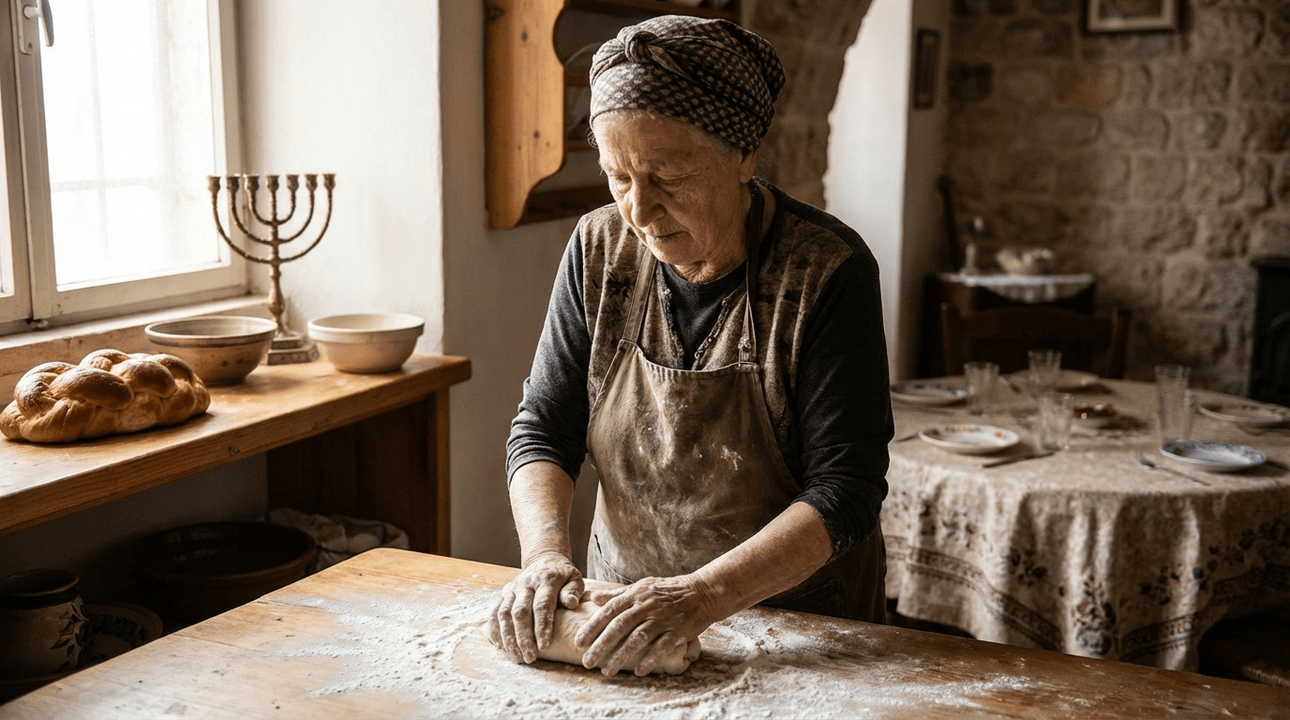
Both are crafted from flour, water, and yeast, yet their nutritional profiles vary due to preparation methods. Pita, being thinner, often contains fewer calories per serving than the robust laffa. This makes pita a lighter option for those mindful of calorie intake.
Laffa, however, provides a more filling experience, especially when paired with hearty ingredients like grilled meats or vegetables. Made with whole or refined wheat, both breads offer carbohydrates and fiber, essential for a balanced diet. The choice between them depends on personal dietary preferences.
The nutritional differences between these breads can be likened to the varied diets of ancient peoples, where bread was a crucial component of daily sustenance. In the story of Ruth, bread was a symbol of hospitality and nourishment, much like they are today.
Whether choosing laffa for its satisfying texture or pita for its lighter profile, both offer a delicious way to enjoy the flavors of Israeli cuisine. Their versatility in meal planning makes them a favorite among those seeking both taste and nutrition in their diet.
Israeli Cookbook
Inspired by the Farms of Israel
In Israeli cuisine, these breads offer flexibility, fitting into various meals. Pita’s thinness makes it suitable for lighter meals, while laffa’s thickness supports more substantial fillings. This adaptability showcases the nutritious options available in Israeli cuisine, allowing for creativity in meal planning.
Whether choosing laffa for its satisfying texture or pita for its convenience, both play a vital role in the culinary landscape, offering delicious and nutritious choices for any meal. This duality is akin to the biblical manna, providing sustenance in different forms, as seen in Exodus 16:31.
These breads can be found in street food stalls and gourmet restaurants alike, serving as a testament to their universal appeal. Their nutritional value is enhanced when paired with fresh vegetables, lean proteins, and traditional spices, making them a healthy choice for those seeking a balanced diet.
The variety of dishes that can be created with these breads is endless, from simple hummus-filled pita to elaborate laffa wraps with grilled lamb and tahini. Each bite is a journey through Israel’s diverse culinary heritage, where ancient recipes meet modern innovation.
Versatility in Modern Israeli Cooking
In modern Israeli cooking, these breads have expanded beyond traditional uses. Laffa serves as a base for innovative dishes like flatbread pizzas, while pita is transformed into crispy chips, perfect for snacking. This creativity highlights their versatility in contemporary cuisine.
Laffa’s larger size allows for unique presentations, such as rolled sandwiches or wraps, while pita’s adaptability is seen in dishes like bruschetta. As Israeli cuisine evolves, these breads remain staples, adapting to new trends and showcasing the blend of tradition and innovation, much like the evolving recipes seen in ancient texts.
The culinary landscape of Israel is a melting pot of influences, where these breads play a crucial role in bridging the old with the new. Their ability to adapt to different cooking methods and ingredients makes them a favorite among chefs experimenting with fusion cuisine.
From the traditional markets of Jerusalem to modern kitchens in Haifa, these breads are celebrated for their ability to bring people together over a shared meal. Whether enjoyed as part of a casual lunch or an elaborate dinner, they continue to inspire creativity and connection in the kitchen.
The ability of these breads to transform meals reflects the ongoing evolution of culinary arts in Israel. By blending traditional and modern techniques, they continue to inspire chefs and home cooks alike, offering endless possibilities for creative expression in the kitchen.
Whether used in classic recipes or new culinary creations, these breads demonstrate the dynamic nature of Israeli cuisine, celebrating both heritage and innovation in every bite. The story of these breads is as rich as the land itself, echoing tales of ancient feasts and modern gatherings.
Laffa, with its origins in the Levant, has been a staple for centuries, much like the unleavened bread mentioned in Exodus 12:39. Pita, often associated with the ancient Greeks, offers a glimpse into the past where bread was a primary sustenance. These breads not only feed the body but also connect us to a shared history, where each meal is a celebration of life and community.
Their evolution mirrors Israel’s culinary journey, where flavors from around the world blend seamlessly with local ingredients, creating dishes that are both familiar and new.
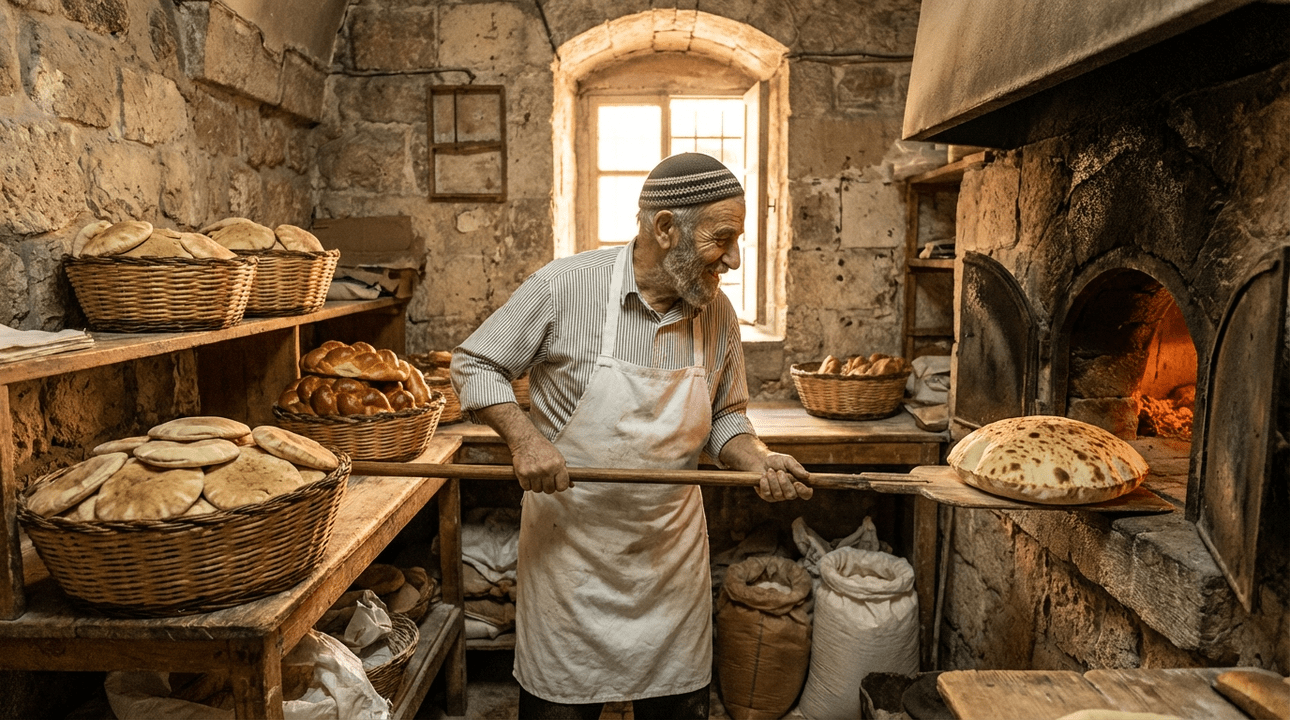
While both integral to Israeli cuisine, these breads offer distinct textures and culinary uses. Laffa, with its thicker and chewier consistency, is perfect for wrapping hearty fillings like shawarma or falafel, providing a satisfying bite. Pita, on the other hand, is known for its convenient pocket, ideal for stuffing with salads or hummus.
This versatility makes each bread a delightful addition to meals, enriching them with tradition and adaptability. Whether used in traditional or modern dishes, both enhance dining experiences, much like the bread shared during biblical feasts, such as those in Leviticus 23:6.
In the bustling markets of Tel Aviv, you can find vendors crafting these breads with precision, a skill passed down through generations. The art of making them is a cherished tradition, where each piece is a labor of love and a nod to the past.
Their ability to complement a wide range of flavors ensures they remain a staple in Israeli households, from weekday dinners to festive celebrations. The choice between laffa and pita often depends on the meal’s context, with each offering a unique experience that resonates with the flavors of the land.
Common Questions about Laffa and Pita