
Discover Halva: Sesame Confections from Israel
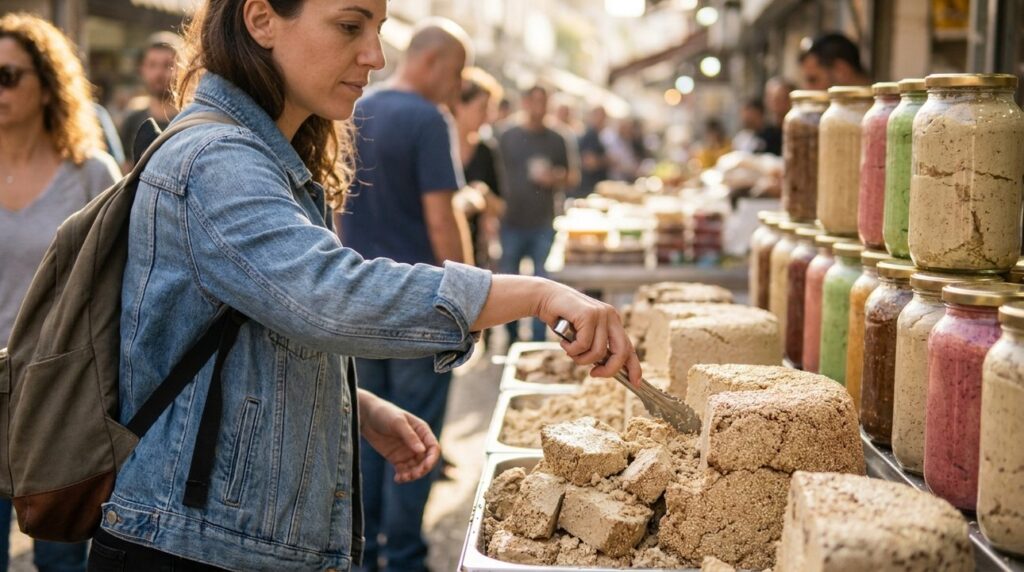

What is halva? Halva is a dense sweet usually made from sesame paste (tahini) mixed with a sugar-based syrup and then cooled until it forms a firm, sliceable block.
In Israel halva is a common treat sold in markets, bakeries, and grocery shops from Tel Aviv to Jerusalem, and it appears in recipes described by sources such as Encyclopedia. com and MyJewishLearning.
This article explains the ingredients, the basic production steps, regional varieties, how to serve halva, and practical tips for buying and storing it.
What Is Halva Made of?
The simplest answer is that halva is made from tahini (sesame paste) and a cooked sugar or honey syrup that is worked into the paste until it crystallizes into a crumbly, fibrous texture. Encyclopedia.
com lists tahini and sugar as the primary ingredients for the familiar eastern Mediterranean style, while other regions use different starches or nut pastes.
A typical Israeli commercial halva will list sesame, sugar, sunflower oil or sesame oil, and added flavors such as vanilla or cocoa on the ingredient label.
Israeli Cookbook
Inspired by the Farms of Israel
In many household recipes the proportion of tahini to syrup determines the texture: more tahini yields a denser, oilier halva, while a higher syrup ratio makes it sweeter and more friable.
MyJewishLearning’s recipe notes this balance and gives concrete measurements for a home version that yields a 1 to 1. 5 kilogram block when using about 500 to 750 grams of tahini and matching syrup by weight.
Small variations in temperature and stirring technique during preparation create the thin, threadlike grains that are characteristic of quality halva.
How Is Halva Made in Factories and Kitchens?
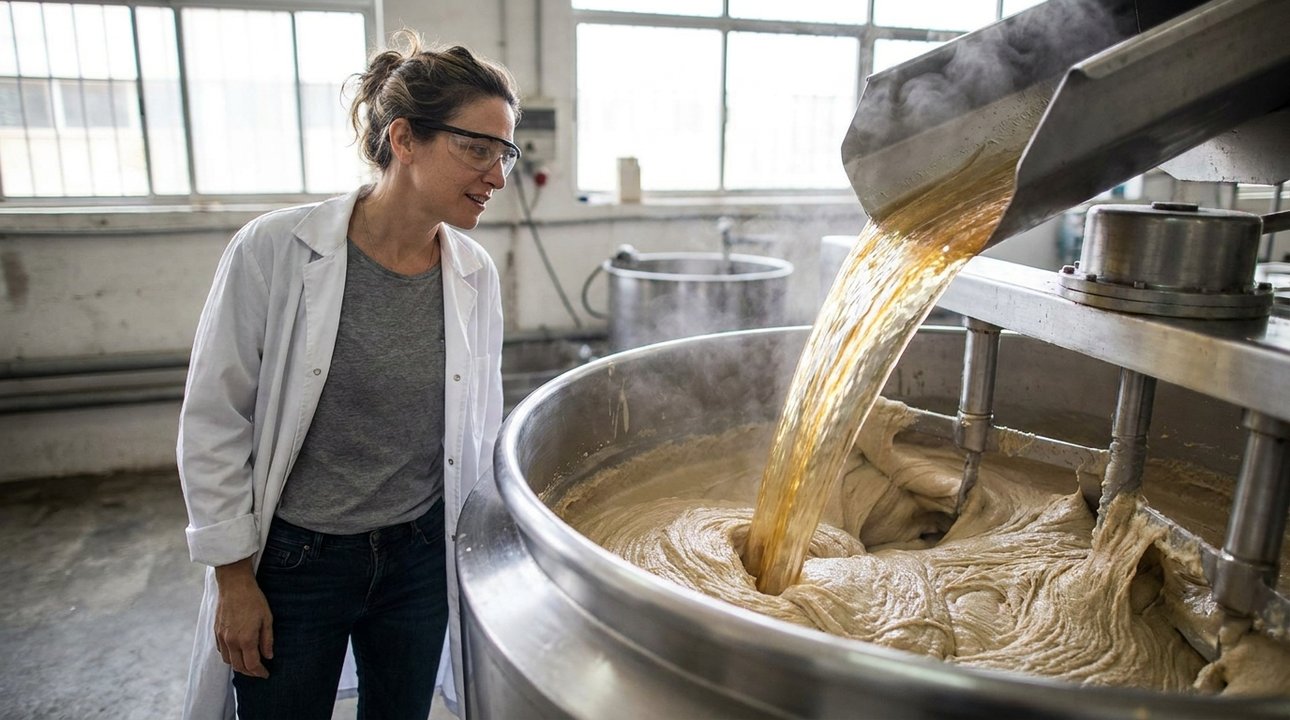
Commercial halva production begins by making a thick sugar syrup often cooked to a specific temperature, such as the soft-ball stage used in candy making, before it is combined with tahini.
Manufacturers then fold the hot syrup into large vats of tahini while cooling and mixing; controlled cooling and mechanical folding create the fibrous, layered appearance seen in slices sold in markets.
In home kitchens the process is similar but scaled down: cooks heat sugar and water or honey, pour it into tahini while stirring briskly, and then press the mixture into a pan to set, as described in MyJewishLearning’s Israeli recipe.
What Regional Varieties of Halva Exist in Israel?
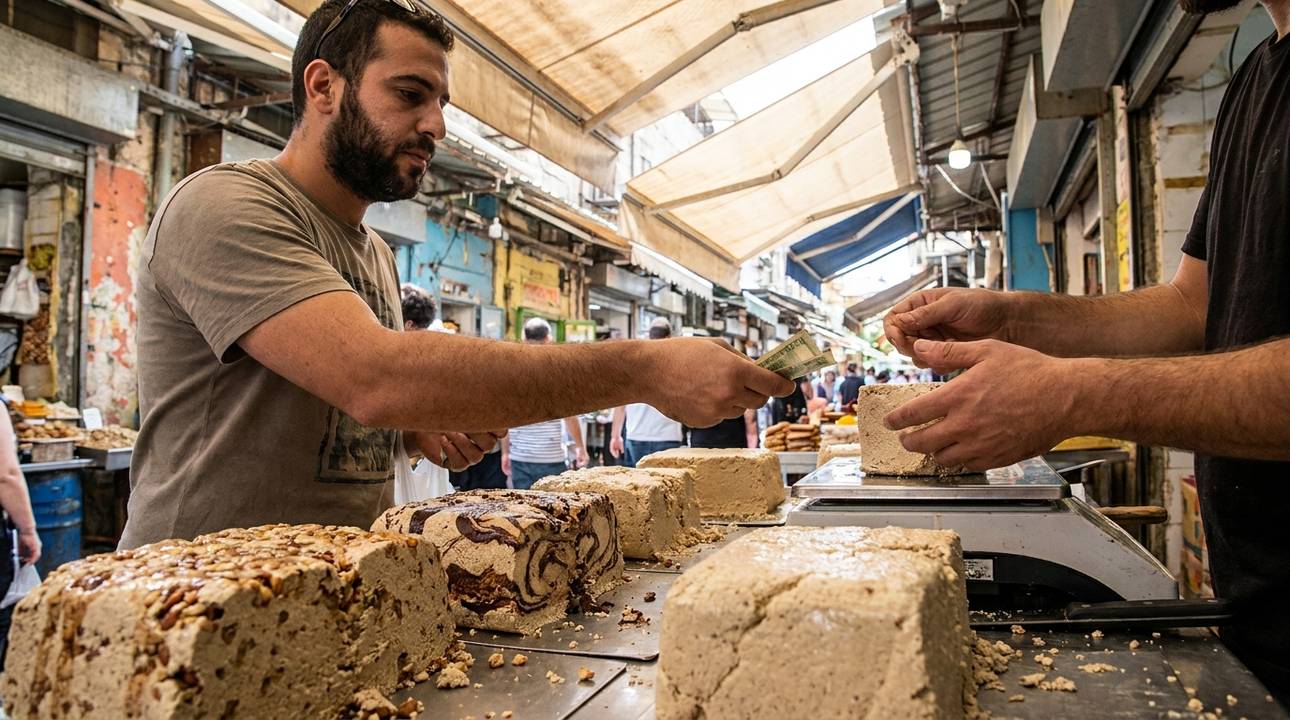
In Israel you will find plain tahini halva, marbled chocolate halva, and halva studded with pistachios or almonds sold in markets such as the Carmel Market in Tel Aviv.
Local producers often add flavors like vanilla, pistachio, cocoa, coffee, or orange rind to appeal to different tastes; some brands export these flavored halvot to Europe and North America.
Jewish Virtual Library and regional food writers note that Israeli halva frequently emphasizes nuts and chocolate swirls, reflecting both Middle Eastern roots and modern customer preferences.
There are also textural differences: Middle Eastern-style halvah tends to be crumbly and slightly oily, while Balkan or Indian halva forms can be softer or gelatinous when made from semolina or flour.
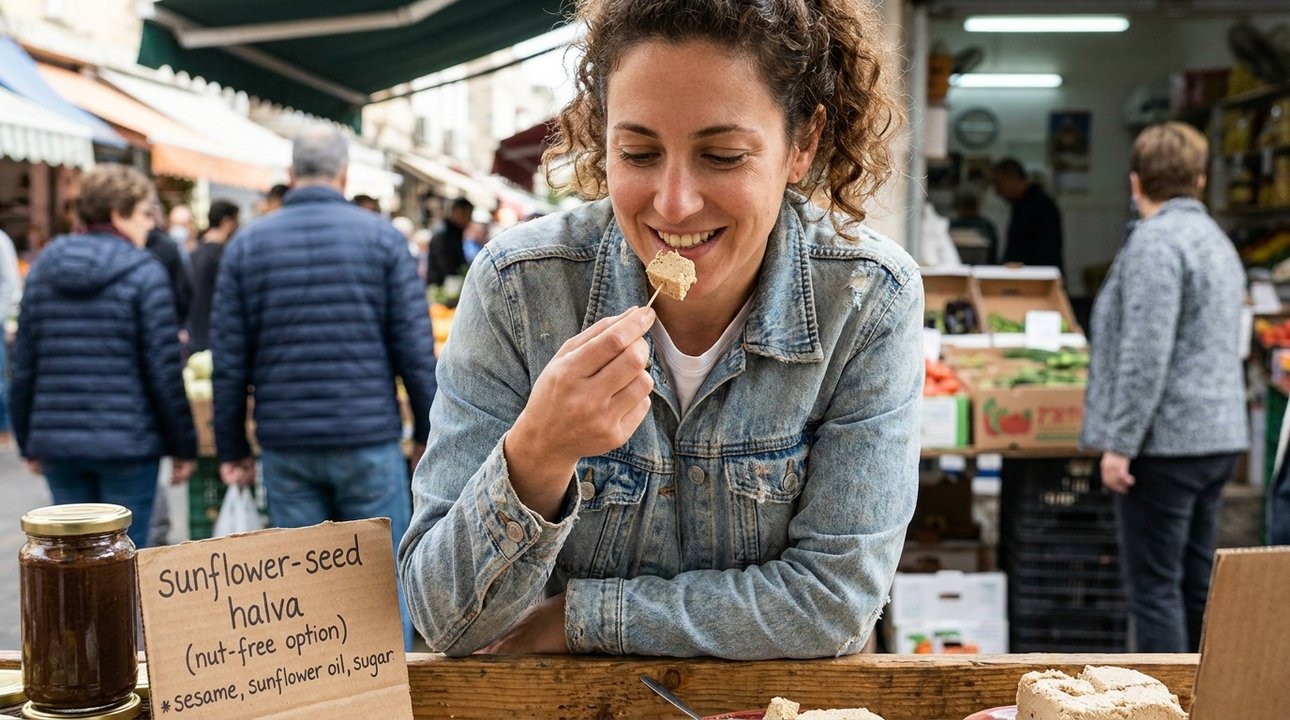
Producers in Israel usually stick to sesame-based recipes, but you may encounter sunflower seed halva made by manufacturers who substitute oilseeds for tahini for cost or flavor reasons.
Overall, Israeli halva is most often sesame-based and comes in plain, nutty, and chocolate-marble varieties commonly found in local markets and specialty stores.
How Does Halva Differ from Other Sweets Called Halwa or Halvah?
The words halva, halvah, and halwa refer to a family of sweets across the Middle East, Central Asia, and South Asia, but their base ingredients vary by region.
MyJewishLearning explains that Arabic and Persian styles often use sesame or tahini, while Indian halwa commonly uses semolina, ghee, and milk, producing a grainier texture. When you ask ‘what is halva’ in Israel you usually mean the sesame tahini version rather than semolina halwa from South Asia.
Another practical difference is sweetness and oil content: tahini halva has a notable sesame oil mouthfeel and a sweet-salty balance, whereas semolina halwa relies on butter or ghee and often includes milk for richness.
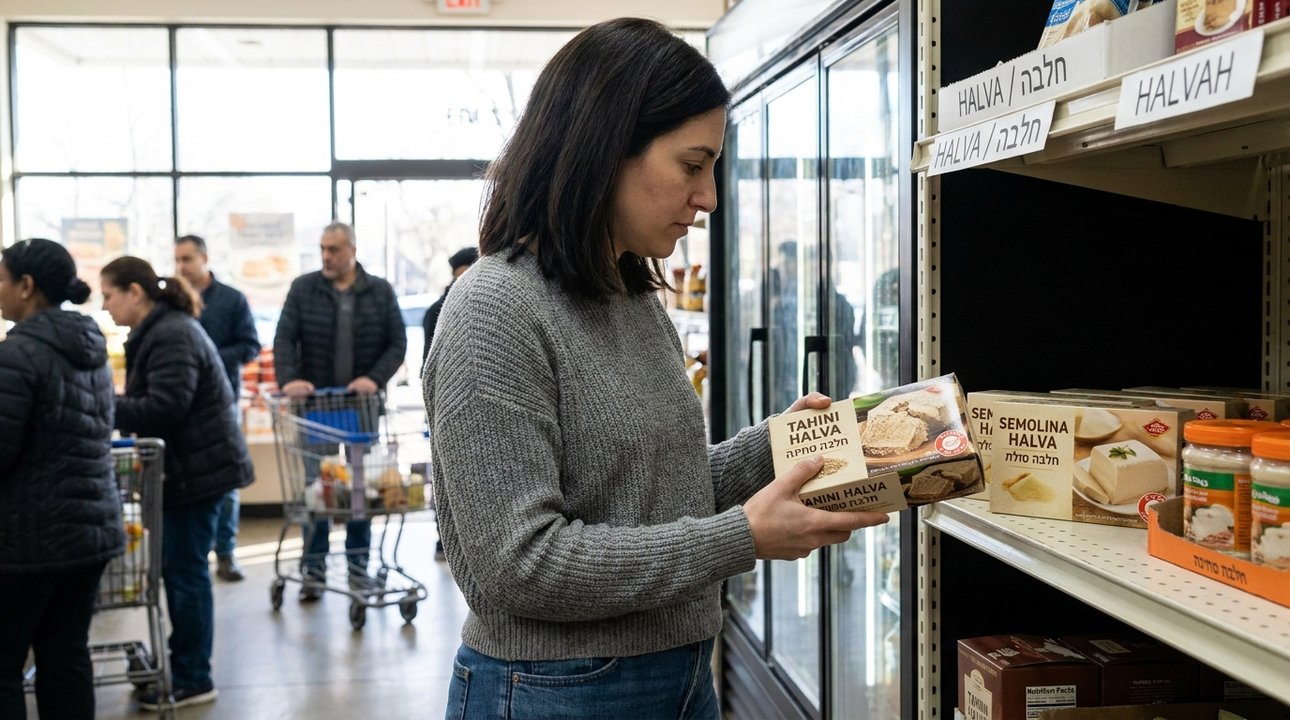
Labeling on packaged products in Israel commonly uses the Hebrew loanword halvah for tahini-based sweets; exporters tend to use ‘halva’ or ‘halvah’ in English packaging.
Thus, regional names overlap, but ingredient lists tell the real story about texture and flavor, so check the label when buying prepared halva.
How Is Halva Used in Israeli Cooking and Snacks?
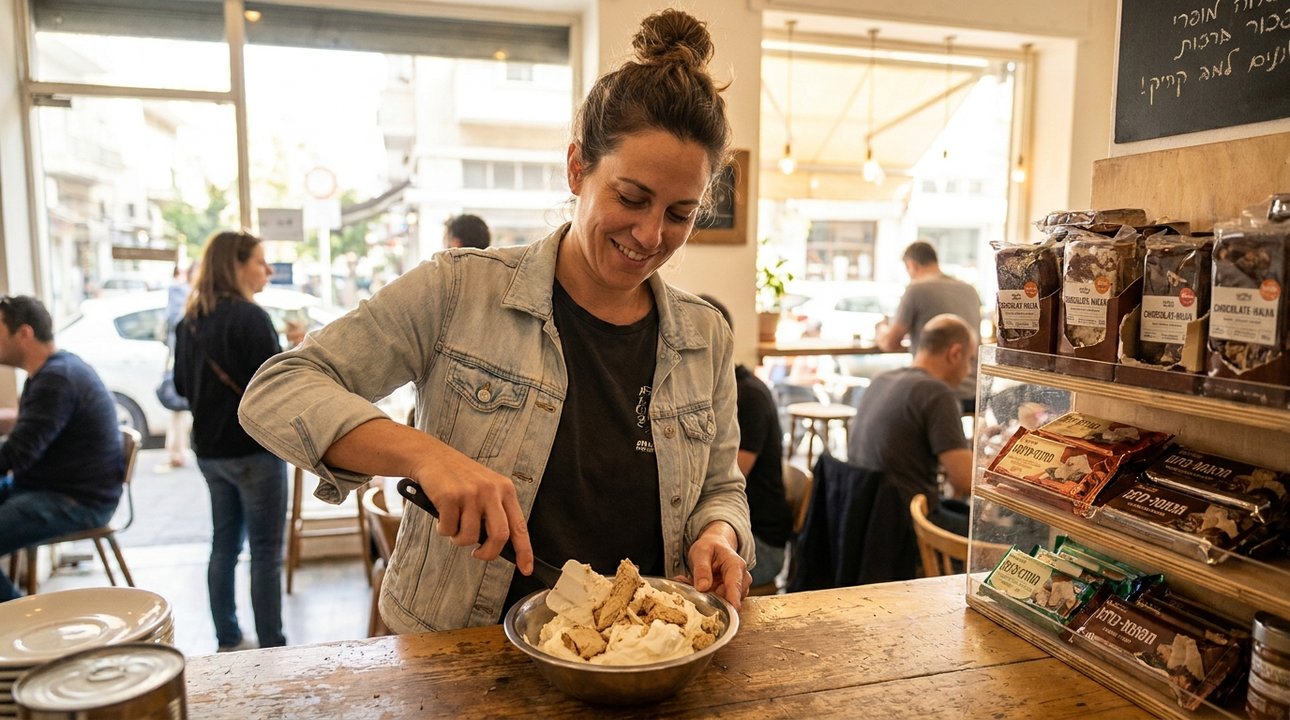
Halva is often eaten by the slice with tea or coffee, crumbled over yogurt, or used as a sweet spread on toast in Israeli homes and cafés.
Chefs sometimes incorporate halva into pastries, ice cream, and desserts; you will find halva-flavored gelato and halva baklava on modern menus in cities like Haifa and Tel Aviv.
Retailers list serving suggestions on packaging; small producers often recommend pairing halva with strong black coffee or milky tea to balance its sweetness.
Because halva is shelf-stable, home cooks use it as a quick dessert ingredient: a few spoonfuls can be folded into whipped cream or melted gently into warm milk for a halva drink popular in some Israeli cafés.
Manufacturers sometimes sell halva bars with chocolate coatings intended specifically for snacking or gifting during holidays and family celebrations.
In practice, halva is versatile-sliced as a snack, crumbled in breakfast bowls, or worked into modern desserts served in Israeli cafes and homes.
Can I Make Halva at Home?
Yes, you can make halva at home using tahini, sugar, water, and a little lemon juice or glucose to control crystallization, following recipes like the one on MyJewishLearning.
A tested home recipe will give precise temperatures and weights; MyJewishLearning’s Israeli recipe offers step-by-step guidance suited for a standard kitchen, including oven or stovetop notes.
Home cooks should use a candy thermometer and a clean mixing bowl to avoid premature crystallization and to achieve the right fibrous texture.
Begin by making a syrup to a specified temperature, cool it slightly, and then pour it into tahini while stirring; press the mixture into a pan and allow it to set at room temperature or in the refrigerator.
Adding nuts, cocoa, or coffee grounds is common once you have the basic technique down; many home bakers in Israel add roasted pistachios for a classic flavor profile.
Bottom line: making halva at home is accessible with a reliable recipe, a thermometer, and patience during the cooling and setting stages.
Israeli Cookbook
Inspired by the Farms of Israel
How Should I Store and Serve Halva for Best Quality?
Store packaged halva in a cool, dry place away from direct sunlight; in warm climates refrigeration is recommended to slow oil separation and rancidity in the sesame paste.
If you refrigerate halva, bring it to room temperature for 20 to 30 minutes before serving so the aroma and flavor open up; producers often note this on the label of export packages.
For serving, slice halva thinly with a warm knife to reduce crumbling and present it on a small plate with nuts or fruit.
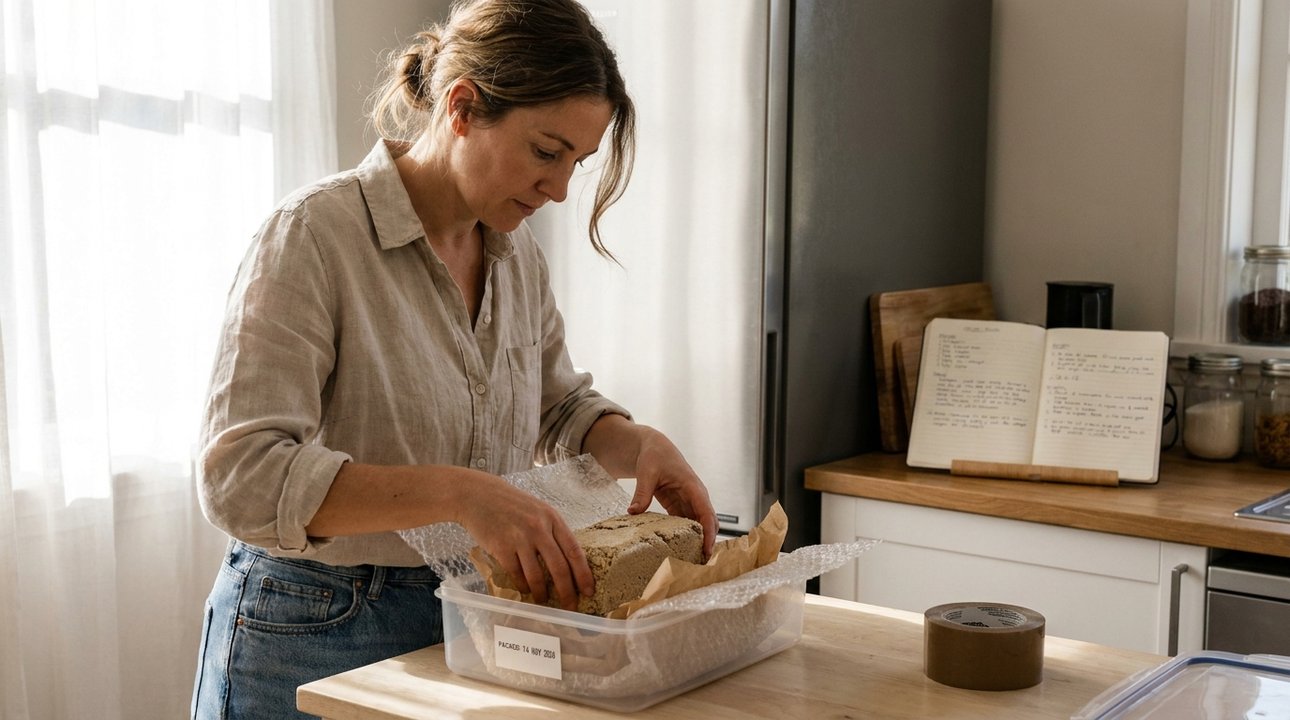
Leftovers keep well in an airtight container in the fridge for several weeks; avoid exposing halva to strong odors since sesame paste absorbs surrounding scents easily.
When gifting or shipping halva, pack it with padding and keep it cool during transit; many Israeli exporters include insulation and a date code for freshness tracking.
Takeaway: cool storage and airtight packaging preserve halva’s texture and flavor for weeks when handled correctly.
Is Halva Healthy and What Are the Nutrition Facts?
Halva is calorie-dense because it is made from sesame paste and sugar; a typical 30 gram serving can contain around 150 to 180 calories depending on added nuts or chocolate.
Tahini contributes plant-based protein, mono- and polyunsaturated fats, and minerals like calcium and magnesium, while the sugar component raises the carbohydrate and calorie counts.
Nutrition labels on commercial Israeli halvot usually list calories, total fat, protein, and sugars so shoppers can compare brands and portion sizes.
People with nut allergies should check for cross-contamination; sunflower-seed halva exists as a nut-free alternative but still contains sesame and oil.
As with many sweets, moderation is the best approach: halva offers nutrients from sesame but remains a concentrated dessert rather than a staple food item.
Ultimately, halva provides sesame-based nutrients but is high in calories and sugars, so enjoy it in modest portions and check nutrition labels for exact numbers.
Where Can I Buy Authentic Israeli Halva?
You can buy Israeli halva at specialty Middle Eastern markets, kosher grocery stores, and online retailers that import products from Israel and the region.
Brands and small producers in Israel sell halva in vacuum-sealed blocks or decorative gift boxes; many offer shipping to North America and Europe with clear ingredient lists.
Look for kosher certification and a production date; MyJewishLearning and Jewish Virtual Library both mention that well-labeled products make it easier to verify style and ingredients.
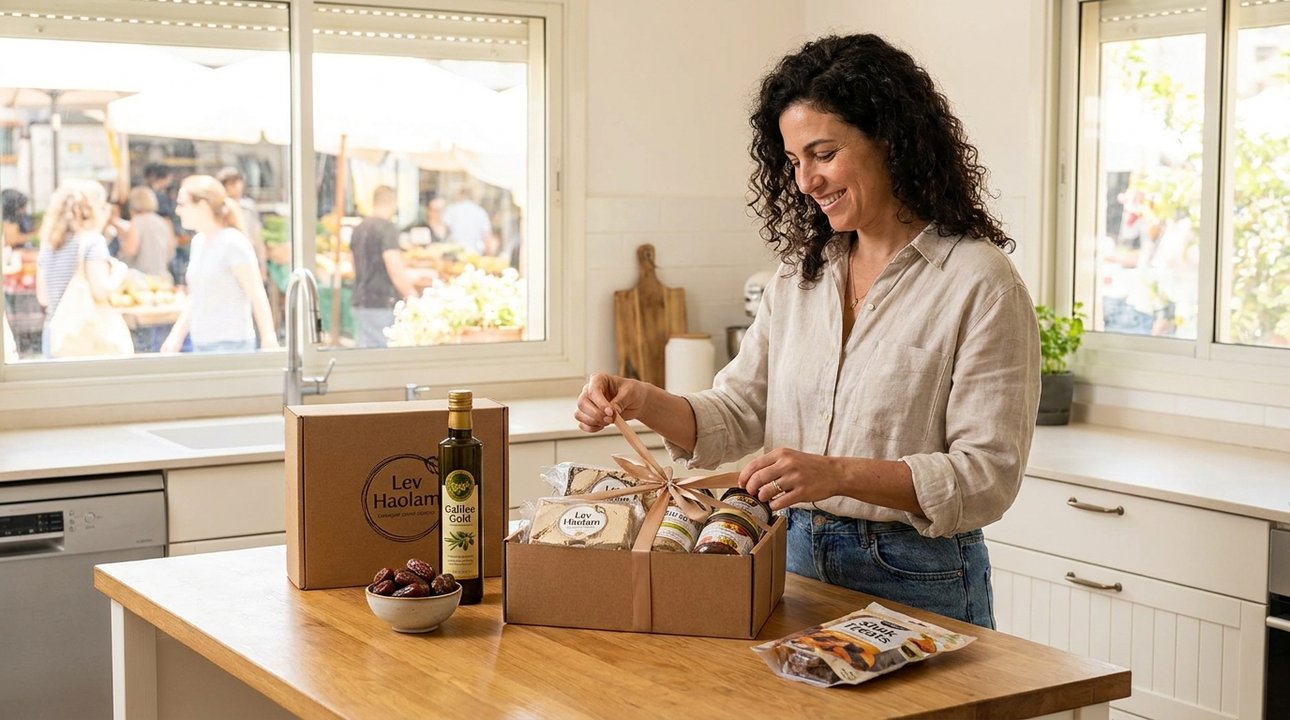
If you want a curated experience, Lev Haolam ships Israeli-made food items and gift boxes that may include halva among 6-8 products from small family producers. Lev Haolam has shipped more than 1.
5 million boxes and has helped more than 90,000 people support Israeli families through product purchases, making it a practical way to sample artisanal halvot.
Find halva locally at specialty shops or order from trusted Israeli producers and curated boxes for a wider variety of authentic options.
How Can I Use Halva as a Thoughtful Gift?
Halva wrapped in a decorative box or paired with coffee makes a thoughtful gift that highlights Israeli flavors and small producers from the region.
When gifting, include a short note about the producer or tasting suggestions; curated boxes often include cards describing the family business and production method to add personal context.
Many buyers choose Lev Haolam boxes because they combine several Israeli-made foods and show how purchases help support small family businesses in Israel.
Remember to check for transit-sensitive items when shipping internationally; choose insulated packaging or select expedited options for warmer months to protect halva from heat.
If you want to avoid shipping, purchase from a local kosher deli that imports Israeli halvot and include a short tasting guide to make the gift feel curated.
Finally, package halva with care, add producer details, and consider a curated box to turn a simple sweet into a meaningful food gift.
Common Questions about Halva
