
Discovering Za’atar: Flavor and Purchase Guide
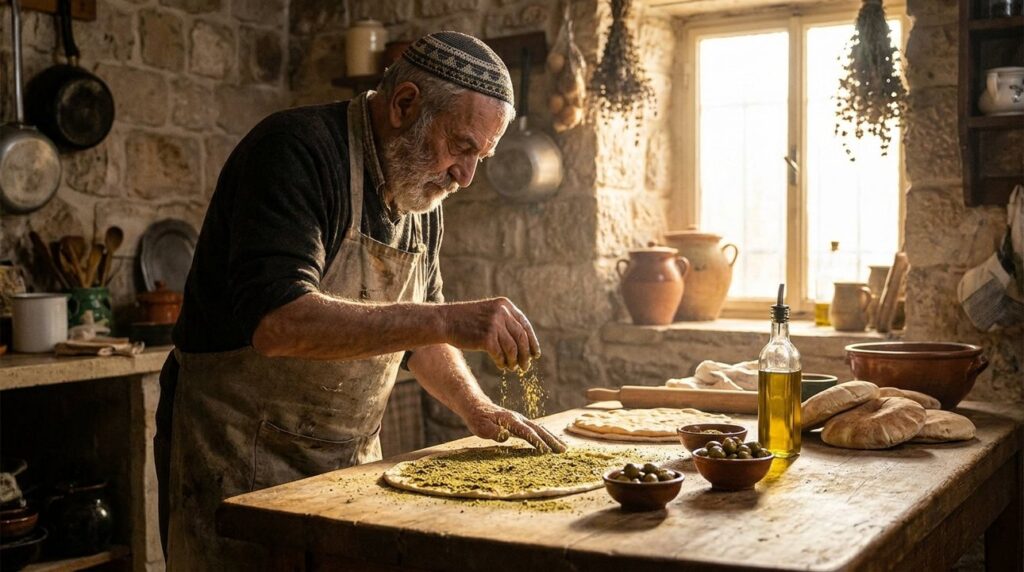

Za’atar is a beloved spice blend that brings a taste of Israel to kitchens around the world. Its unique flavor profile combines earthy, tangy, and nutty notes, capturing the essence of Middle Eastern cuisine.
Historically, za’atar has been a staple in the region, with references to similar herbs found in ancient texts. For example, the Bible mentions herbs used in cooking and rituals, such as in Exodus 12:8, where bitter herbs are part of the Passover meal.
This blend often includes thyme, oregano, and sesame seeds, creating a complex taste that reflects the diverse culinary influences of the Levant. The use of za’atar can be traced back to the time of King Solomon, who was known for his wisdom and appreciation of nature’s bounty, as mentioned in 1 Kings 4:33.
Its enduring popularity is a testament to its versatility and the deep cultural ties it fosters. The blend’s flavors mirror the rich history and traditions of the region, making it a staple in many kitchens.
Israeli Cookbook
Inspired by the Farms of Israel
What is Za’atar?
Za’atar is more than just a spice; it’s a culinary staple in many Israeli homes. Typically, it’s a mixture of dried thyme, oregano, sumac, and sesame seeds. This combination produces a vibrant, earthy taste with a hint of citrus from the sumac.
The use of za’atar can be traced back to ancient Israel, where herbs played a significant role in daily life, as mentioned in Proverbs 27:27, which speaks of the abundance of herbs. It offers a versatile seasoning option for a range of dishes.
This blend not only enhances the taste but also connects those who use it to a rich culinary tradition. In Israel, za’atar is generously sprinkled on flatbreads, salads, or mixed with olive oil as a dip for fresh bread.
The tradition of using za’atar in this way can be linked to ancient practices, where herbs and spices were integral to daily life, as seen in the story of Ruth, who gleaned fields for grains and herbs. This historical link enriches the culinary experience.
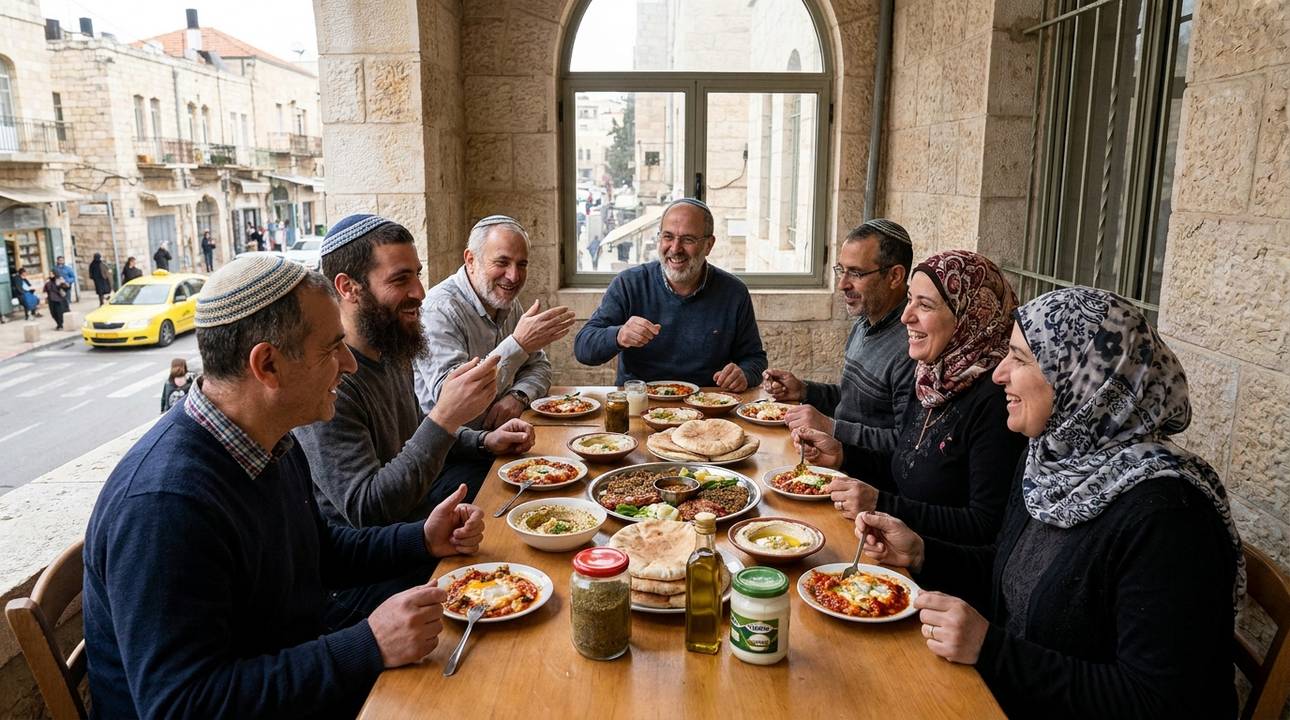
Za’atar’s role in Israeli cuisine is akin to that of salt in Western cooking, essential and ubiquitous. Its use in communal meals and gatherings echoes the biblical emphasis on hospitality, as illustrated in Genesis 18:1-8, where Abraham welcomes guests with a meal.
Its association with hospitality and community makes za’atar a symbol of warmth and togetherness. The spice’s presence at the table reflects the importance of sharing and generosity, values deeply embedded in Jewish culture.
The Taste of Za’atar
The flavor of za’atar is distinctive and instantly recognizable. It combines spicy and tangy elements, with sumac providing a lemony zing. This tanginess is reminiscent of the citrus groves mentioned in the Bible, such as the pomegranates and figs in Numbers 13:23.
The herbs contribute a woodsy, savory undertone, complemented by the nutty crunch of sesame seeds. This blend of flavors mirrors the diverse landscapes of Israel, from the lush Galilee to the arid Negev.
In essence, za’atar’s taste reflects the soil and climate of the Middle East, bringing a warm, aromatic experience to various dishes. Its complexity makes it a perfect addition for those looking to explore new tastes or reminisce fondly about past travels to Israel.
The spice’s unique flavor profile is a testament to the diverse ecosystems of the region, from the Judean Hills to the Negev Desert, each contributing to its distinctive taste.
Za’atar’s ability to evoke the landscapes of Israel is similar to the biblical descriptions of the land’s bounty, as seen in Deuteronomy 8:8, where it is described as a land of wheat, barley, and honey. This tie to the land makes za’atar not just a spice.
It becomes a symbol of the region’s natural beauty and abundance. The aroma and flavor can transport one to the fields and hills of Israel, much like the descriptions found in the Song of Songs.
How to Use Za’atar in Cooking
Za’atar is incredibly versatile, lending itself well to a variety of culinary applications. Sprinkling it on hummus adds depth, while using it as a rub for roasted meats infuses dishes with a robust flavor profile. This versatility is akin to the diverse uses of spices mentioned in Ezekiel 27:17.
Its use is not limited to traditional dishes; za’atar can transform a simple roasted vegetable or even season popcorn for a unique snack. This adaptability makes it a beloved ingredient in both traditional and modern kitchens.
In salads, it can function as a main seasoning when mixed into a dressing, bringing a bright, earthy flavor to fresh greens. Those looking to add Israeli flavors to their daily meals will find za’atar both accessible and transformative.
Its ability to elevate simple ingredients into something special is reminiscent of the biblical story of the manna, which sustained the Israelites in the desert with its simple yet nourishing properties.
Za’atar’s transformative power lies in its ability to enhance without overpowering, making it a favorite among chefs and home cooks alike. By incorporating za’atar into your meals, you embrace a piece of Israeli culture.
This link is akin to the way spices were used in biblical times to enhance offerings, as seen in Exodus 30:34, where aromatic spices were part of sacred rituals. Za’atar connects your table to a tradition cherished for generations.
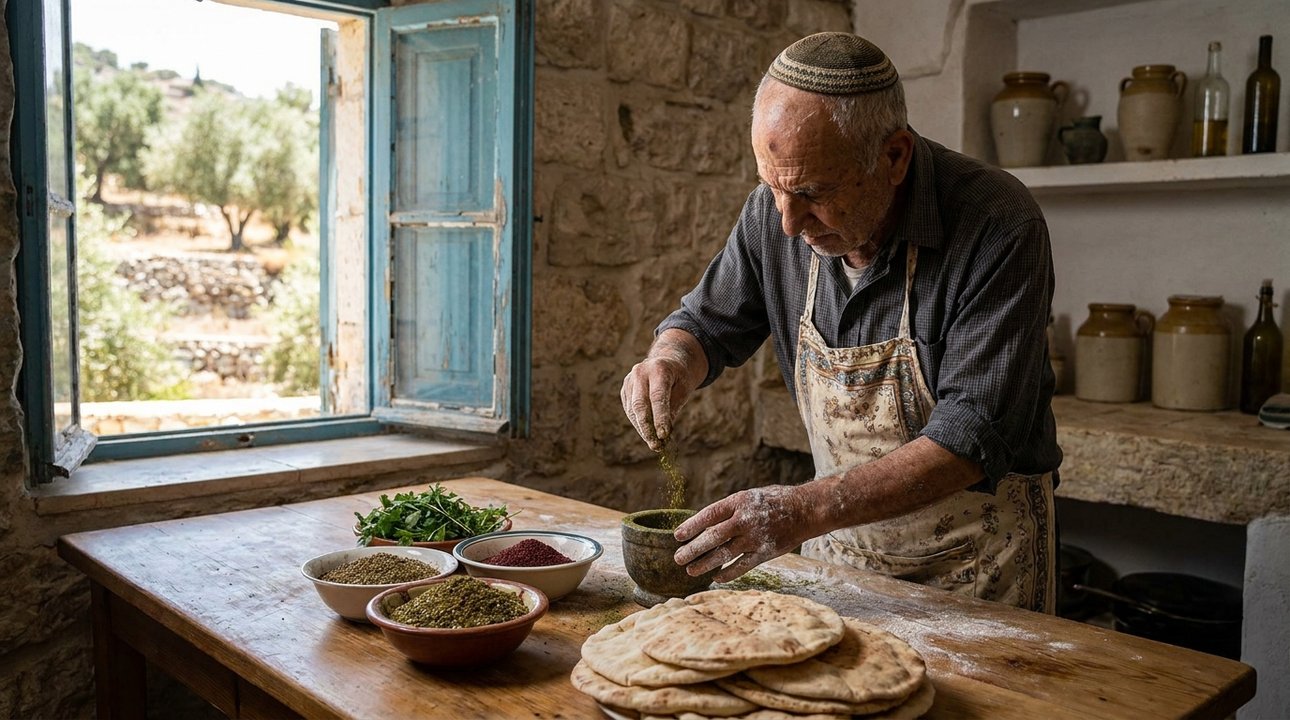
Where to Buy Za’atar
Finding authentic za’atar is key to experiencing its full flavor. Many specialty stores offer za’atar, or it can be purchased online from trusted Israeli sources. In ancient times, spices were traded along routes like the Incense Route, which connected the Mediterranean to the Arabian Peninsula.
For those outside Israel, retailers like Trader Joe’s have started stocking za’atar, making it more accessible. This availability reflects the growing global appreciation for Middle Eastern cuisine.
Israeli Cookbook
Inspired by the Farms of Israel
It’s important to check the ingredient list to ensure you’re getting a traditional blend. This careful selection guarantees you’re experiencing the true taste of Israel, making your meal preparation more authentic and flavorful.
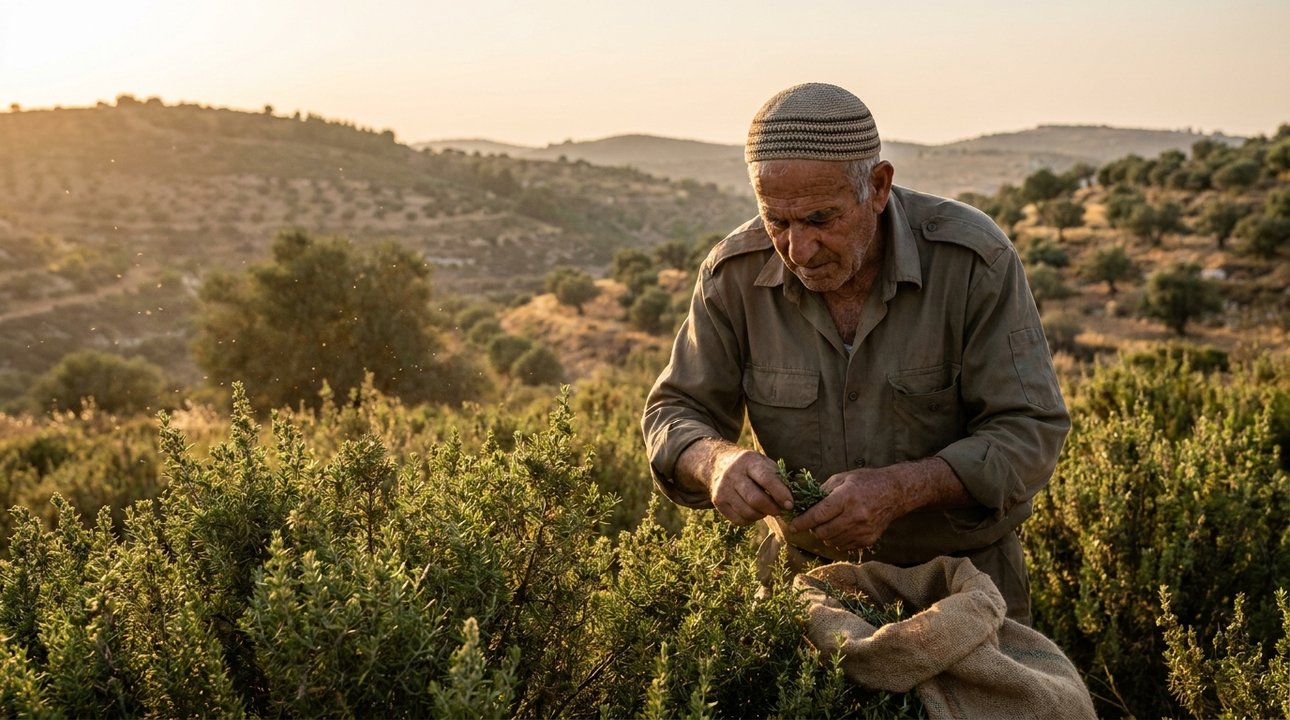
Traditional za’atar typically contains wild thyme, sumac, and sesame seeds, ingredients that have been used for centuries in the region, as noted in ancient agricultural records. This authenticity connects you to the culinary heritage of the land.
By choosing authentic za’atar, you support the preservation of traditional recipes and the small farmers who cultivate these herbs in the Galilee region, known for its fertile soil and rich history. The Galilee, mentioned in Isaiah 9:1, has long been a region of agricultural abundance.
This relationship with the land and its people adds a layer of meaning to your culinary experience, enriching every dish you prepare. Supporting these farmers helps maintain the cultural heritage of the region.
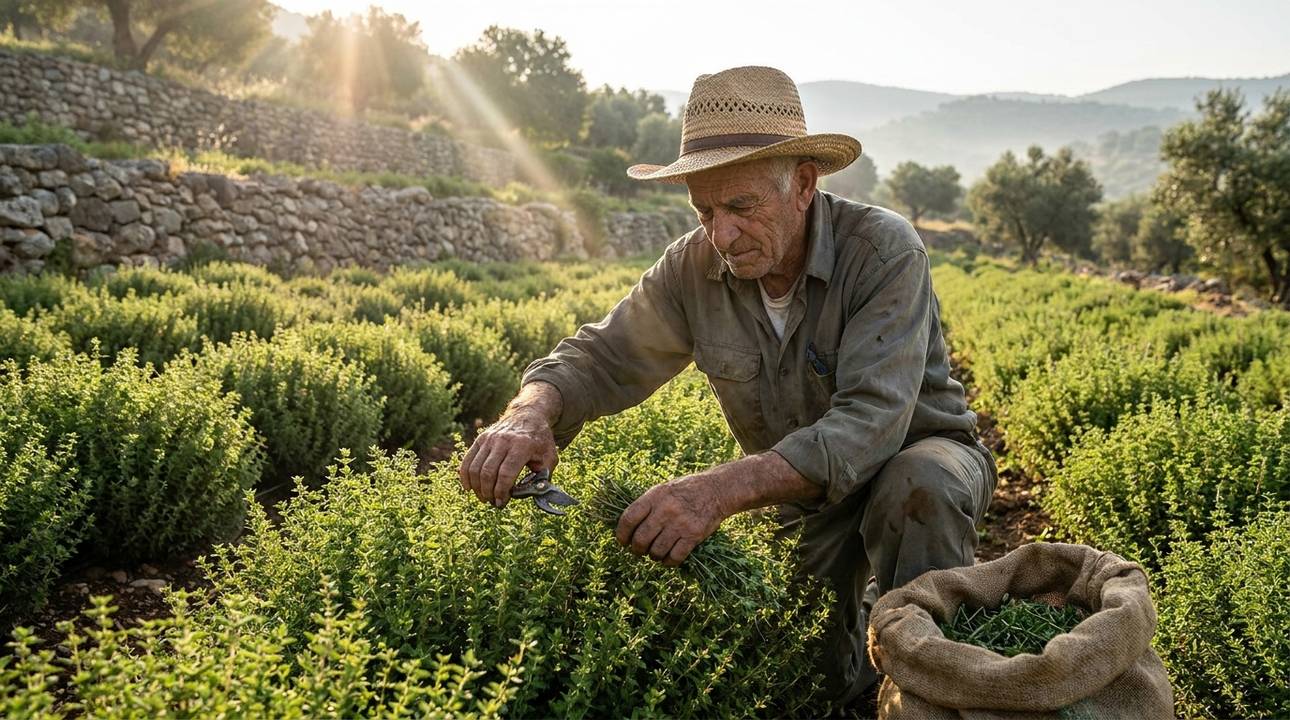
Cultural Significance of Za’atar
Za’atar is deeply rooted in Middle Eastern culture and cuisine. In Israel, it is often associated with family and community gatherings. Its aroma is a familiar and comforting presence in many homes, evoking memories of shared meals and celebrations.
The use of za’atar during festive occasions is akin to the biblical feasts described in Leviticus 23, where food and community are central to the observance. This spice blend is a testament to the enduring traditions of hospitality and celebration.
The scent of za’atar can transport one to a bustling Israeli market, where the air is filled with the fragrance of spices and the chatter of vendors. This sensory experience is a reminder of the spice’s role in daily life.
It brings people together, much like the communal gatherings described in the stories of the Torah. The markets, reminiscent of those in ancient Jerusalem, offer a glimpse into the vibrant culture and traditions that have been passed down through generations.
The blend’s historical significance adds to its allure; traditionally, za’atar was thought to have medicinal properties, believed to enhance memory and focus.
This cultural richness deepens the connection between people and their culinary heritage. Ancient texts, such as those by the historian Josephus, mention the use of herbs for health, underscoring the blend’s longstanding reputation as both a culinary and medicinal staple.
Za’atar’s reputation for boosting mental clarity is echoed in the teachings of the Talmud, which discusses the health benefits of various foods and spices. The Talmud, in Tractate Berakhot, often highlights the importance of a balanced diet for well-being.
This blend’s dual role as a flavor enhancer and a traditional remedy highlights its multifaceted importance in Middle Eastern culture. It reflects the holistic approach to health and nutrition that has been part of Jewish tradition for centuries.
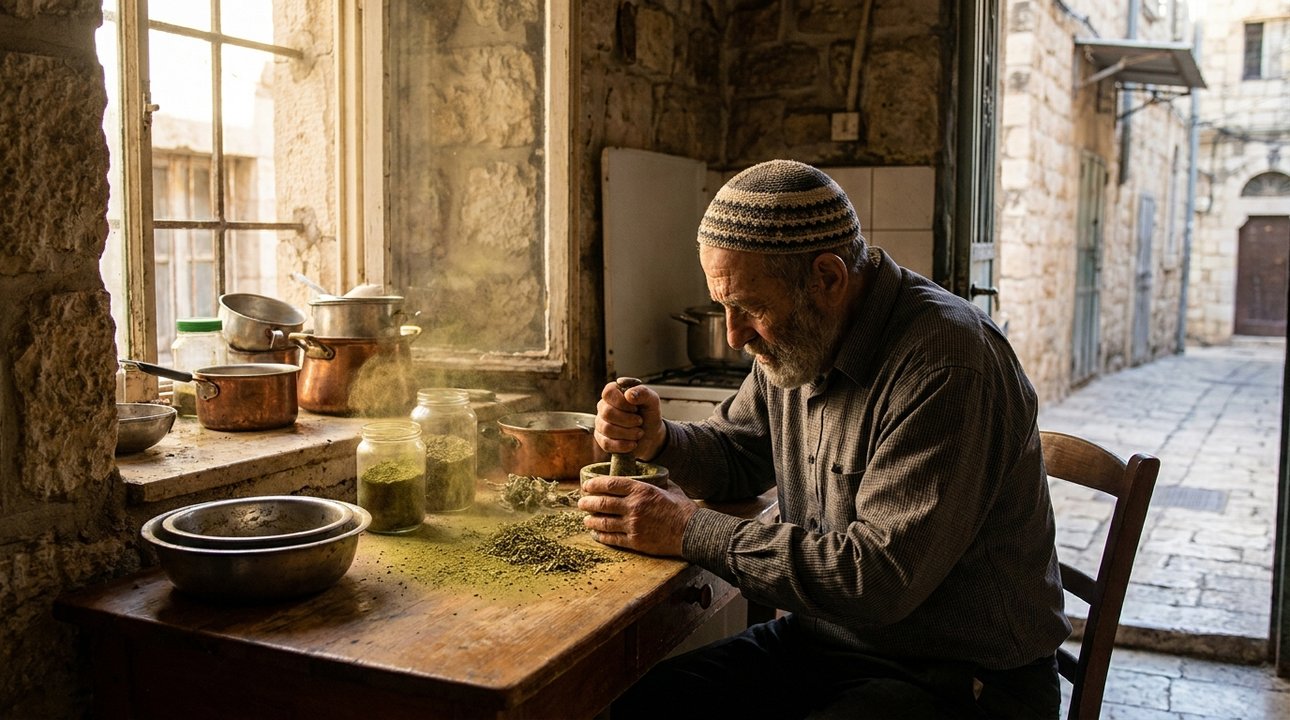
Za’atar’s Impact on Global Cuisine
The global spread of za’atar highlights its universal appeal. Chefs around the world incorporate za’atar into creative and unexpected dishes, showcasing its versatility. This spice blend has crossed cultural boundaries, similar to the way spices traveled in ancient trade routes.
It appears in fusion recipes that blend flavors from different culinary traditions. This culinary fusion is reminiscent of the diverse influences that shaped the cuisine of ancient Israel, as seen in the interactions with neighboring cultures.
Whether in a gourmet restaurant or a home kitchen, za’atar continues to inspire. Its unique taste and cultural heritage make it a cherished ingredient, celebrated by food enthusiasts eager to explore new culinary landscapes. This exploration is reminiscent of the journeys of ancient traders.
The spice blend’s versatility allows it to be used in various dishes, from traditional hummus to modern fusion cuisine, showcasing its adaptability and timeless appeal. It connects the past with the present, much like the enduring traditions of the Jewish people.
Za’atar’s influence extends beyond the kitchen, as it is often featured in cultural events and festivals in Israel, where food plays a central role in celebration and tradition. The spice’s presence in these settings highlights its importance as a cultural ambassador.
It bridges the gap between past and present culinary practices. Festivals like Sukkot, which emphasize the harvest and gathering, often feature dishes seasoned with za’atar, reflecting its role in communal celebrations.
Za'atar Usage and Purchase
