
Exploring Safety: Traveling to Jerusalem
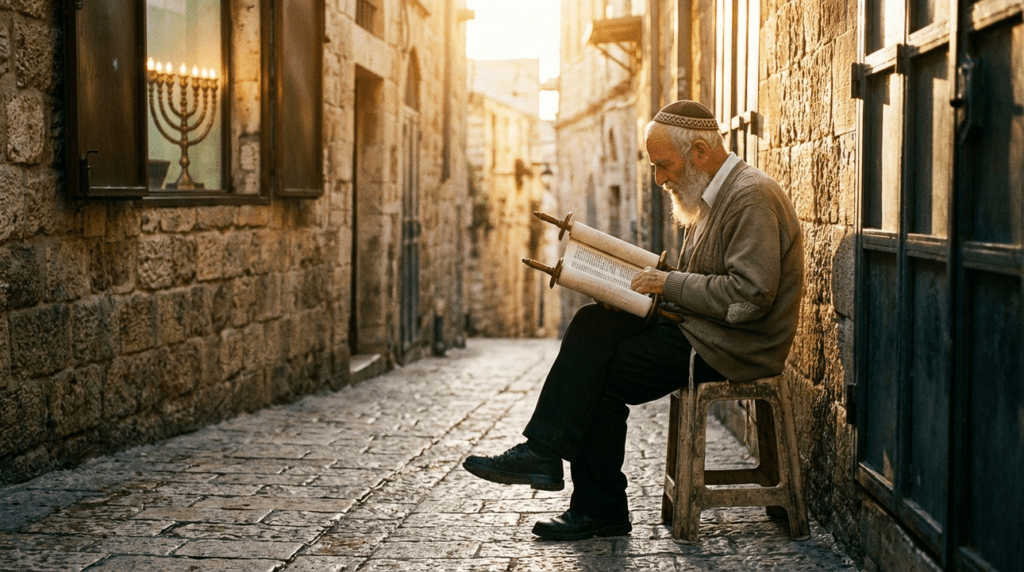

Jerusalem, a city that embodies history and spirituality, often sparks curiosity: Is it safe to travel to Jerusalem?
This question is crucial for anyone planning a visit, especially given the city’s complex history and current dynamics.
In this article, we explore safety tips and considerations to ensure a fulfilling trip to this remarkable city, from understanding local customs to navigating its ancient streets.
Travelers are encouraged to explore historical sites like the Tower of David, which dates back to the 2nd century BCE. This ancient citadel offers panoramic views of the city and houses a museum detailing Jerusalem’s history.
By preparing adequately, visitors can immerse themselves in the rich tapestry of Jerusalem’s past and present. Safety and cultural awareness go hand in hand in making the most of this unique destination.
Insider's Guide to Israel
and can't-miss places most tourists never find.

Understanding the historical context of sites like the Tower of David adds depth to your visit.
The more informed you are, the more meaningful your exploration of Jerusalem’s storied past will be.
Understanding the Current Situation
Travelers to Jerusalem should stay informed about the current situation. The city is a vibrant blend of cultures and histories, but it is essential to be aware of local news and advisories. Checking official travel advisories from your home country can provide essential information about safety.
These advisories may include details about specific neighborhoods to avoid or recommended areas for tourists.
For example, areas like the Old City are popular with tourists, offering sites like the Western Wall and the Dome of the Rock. However, it’s wise to keep informed about any scheduled events or demonstrations that could affect accessibility or safety.
The more you know before you go, the better prepared you’ll be to enjoy your visit safely, especially during major holidays like Passover.
Checking local news and event calendars can help you plan your itinerary effectively.
Being aware of potential disruptions allows you to adjust your plans and make the most of your time in Jerusalem.
Check local news sources or consult with your hotel for updates on any potential disruptions. Websites like the Jerusalem Post or Haaretz provide timely information on local events and conditions.
This proactive approach ensures that your travel plans remain flexible and enjoyable. Understanding the layout of the city and its various quarters can also aid in navigation and safety.
The Old City, for instance, is divided into Jewish, Muslim, Christian, and Armenian quarters, each with its own distinct character and attractions.
Familiarity with these areas helps in planning your itinerary and avoiding unexpected closures or events.
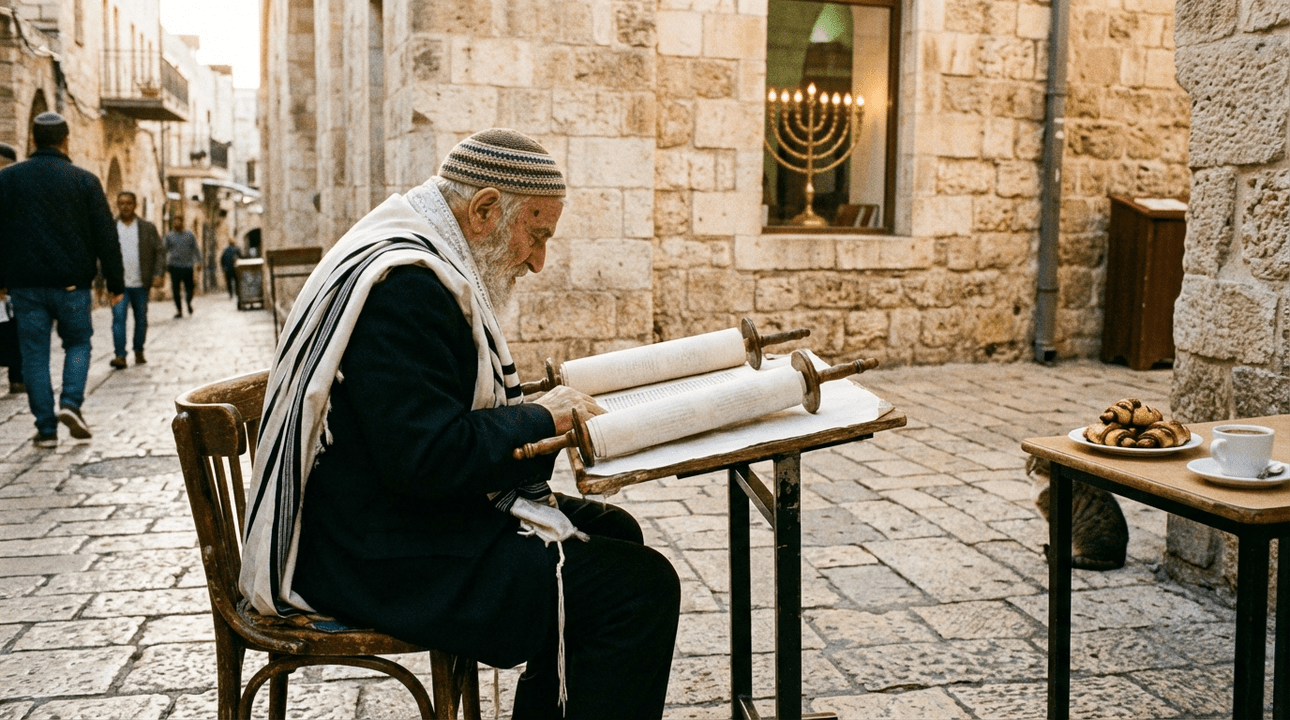
Essential Safety Tips for Tourists
When visiting Jerusalem, following basic safety practices can enhance your trip’s enjoyment. Keep important documents secure and carry only necessities for the day. Consider using hotel safes for valuables such as passports and extra cash.
Moreover, dress respectfully to blend in, especially when visiting religious sites.
This approach not only ensures your safety but also shows respect for local customs and norms.
Wearing modest clothing is particularly important when visiting places like the Western Wall or the Dome of the Rock.
By being mindful of these practices, you contribute to a positive and respectful travel experience.
Using public transportation or official taxis is generally considered safe in Jerusalem. The city’s light rail system, operational since 2011, connects key areas and is a convenient option for tourists.
Avoid discussing political issues in public to maintain a peaceful atmosphere, as conversations can quickly become heated.
This awareness helps ensure a pleasant and respectful interaction with locals and fellow travelers.
The light rail offers a scenic and efficient way to explore the city, with stops at major attractions like the Old City and Mahane Yehuda Market.
Staying informed about the local etiquette contributes to a harmonious travel experience.
Like any major city, being aware of your surroundings contributes to a safe experience. This includes keeping an eye on personal belongings and avoiding isolated areas at night.
Familiarize yourself with local emergency numbers, such as 100 for police assistance, to ensure quick help if needed.
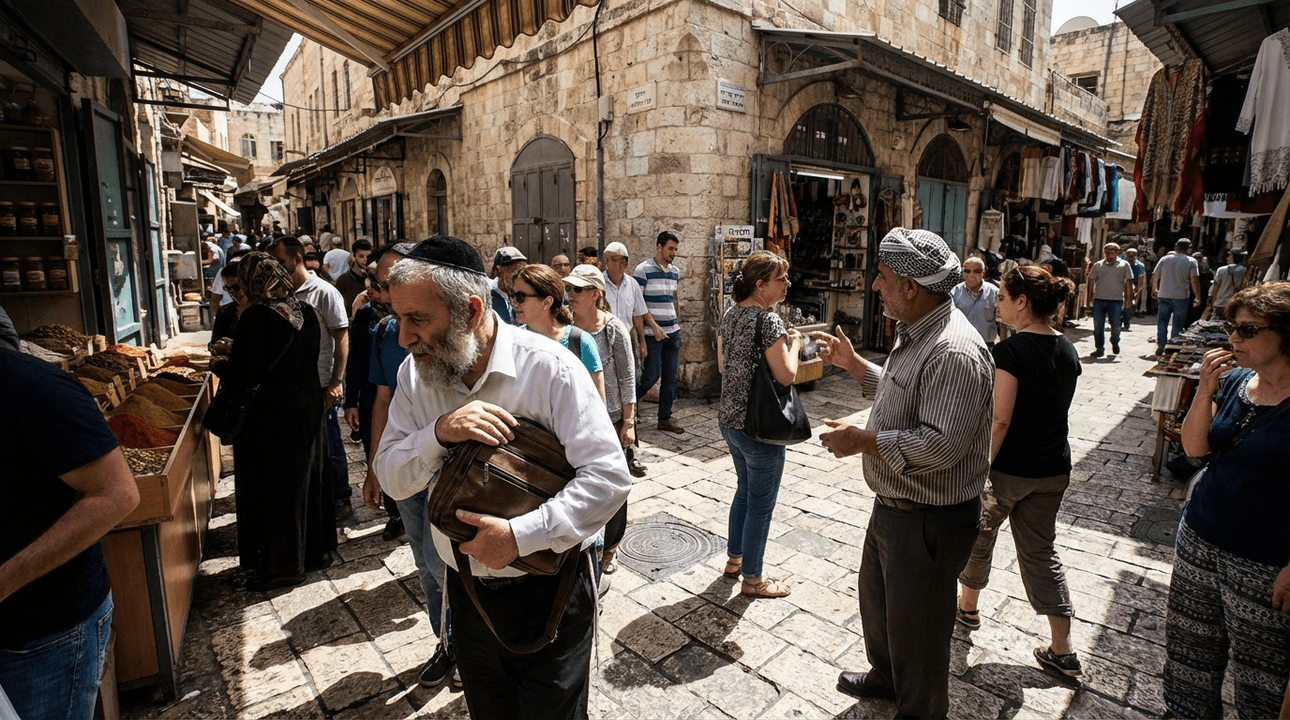
Jerusalem’s bustling markets, like Mahane Yehuda, are vibrant but can be crowded, so staying vigilant is key.
It’s wise to keep your belongings secure and be cautious of pickpockets in busy areas.
Having a plan for emergencies, including knowing the location of the nearest hospital, can provide peace of mind during your visit.
Medical and Emergency Information
Access to medical care in Jerusalem is widely available, and the level of service is high. It is advisable to have travel insurance that includes medical coverage while abroad.
Familiarize yourself with emergency contact numbers. In case of any health issues, local hospitals can provide comprehensive care.
Facilities like Hadassah Medical Center are renowned for their quality of care and advanced medical technology.
Having insurance ensures that you can access these services without financial strain, giving you peace of mind during your travels.
Having a list of nearby medical facilities can be helpful, especially in a city like Jerusalem where historical sites can be crowded, and emergencies might arise unexpectedly.
For instance, Hadassah Medical Center, established in 1939, is one of the leading hospitals in the region.
Pharmacies are also readily available for minor health needs, often carrying a range of products similar to those found in Western countries.
Be sure to bring any necessary medications and prescriptions from home, as availability might vary. This is particularly important for specific brands or formulations that might not be stocked locally.
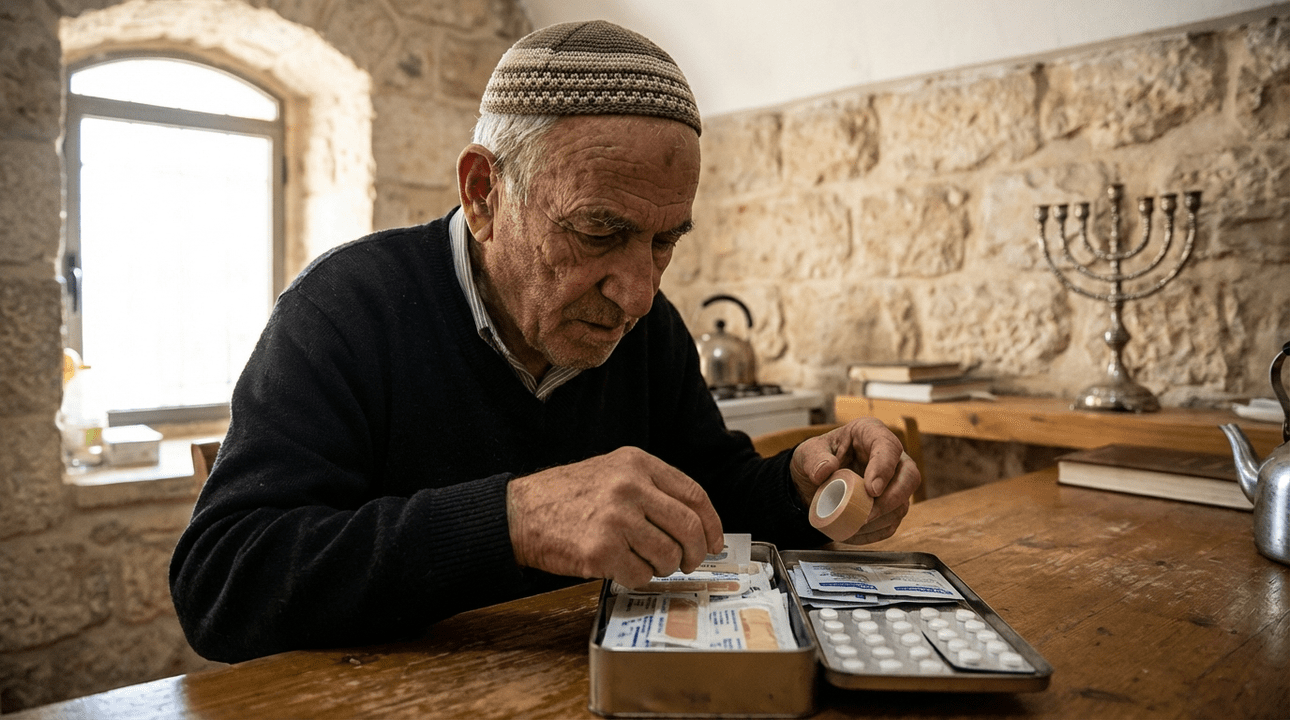
Additionally, keeping a small first aid kit can be beneficial for minor injuries or ailments.
Jerusalem has several pharmacies, but having your essentials on hand ensures you are prepared for any health needs.
Consider packing items like band-aids, antiseptic wipes, and pain relievers for convenience.
This preparation allows you to focus on enjoying your trip without worrying about unexpected health issues.
Navigating Cultural Sensitivities
Jerusalem is a city of profound religious significance for many faiths. Visitors should approach religious sites with respect and sensitivity. This includes adhering to dress codes at holy sites and being mindful of specific cultural practices.
Respect and courtesy go a long way in creating positive experiences. For example, at the Western Wall, modest dress is required, and men are expected to cover their heads.
Insider's Guide to Israel
and can't-miss places most tourists never find.
Such practices show respect for the site’s sanctity and the beliefs of those who worship there.
Engaging with local customs can enhance your understanding and appreciation of the city’s spiritual heritage.
Engaging with local communities can enrich your understanding of the city’s rich heritage. Participating in cultural events or workshops, such as traditional cooking classes, offers a deeper connection to Jerusalem’s diverse history.
Tour guides can offer valuable insights into the diverse cultural landscapes of Jerusalem, including the Jewish, Muslim, and Armenian quarters.
These interactions provide a more nuanced view of the city’s multifaceted identity.
Learning about local customs and traditions firsthand can transform your visit into a more meaningful experience.
Such engagements often lead to lasting memories and a greater appreciation for Jerusalem’s cultural diversity.
Remember to ask for permission before taking photographs of religious ceremonies or individuals, as this shows respect for personal and cultural boundaries. This practice is particularly important in sacred areas where photography may be restricted.
Building respectful relationships with locals can lead to memorable experiences and stories to share.
This approach fosters goodwill and enriches your understanding of the local culture.
Engaging with the community through respectful interactions can open doors to unique insights and connections.
Such experiences often become cherished memories of your journey.
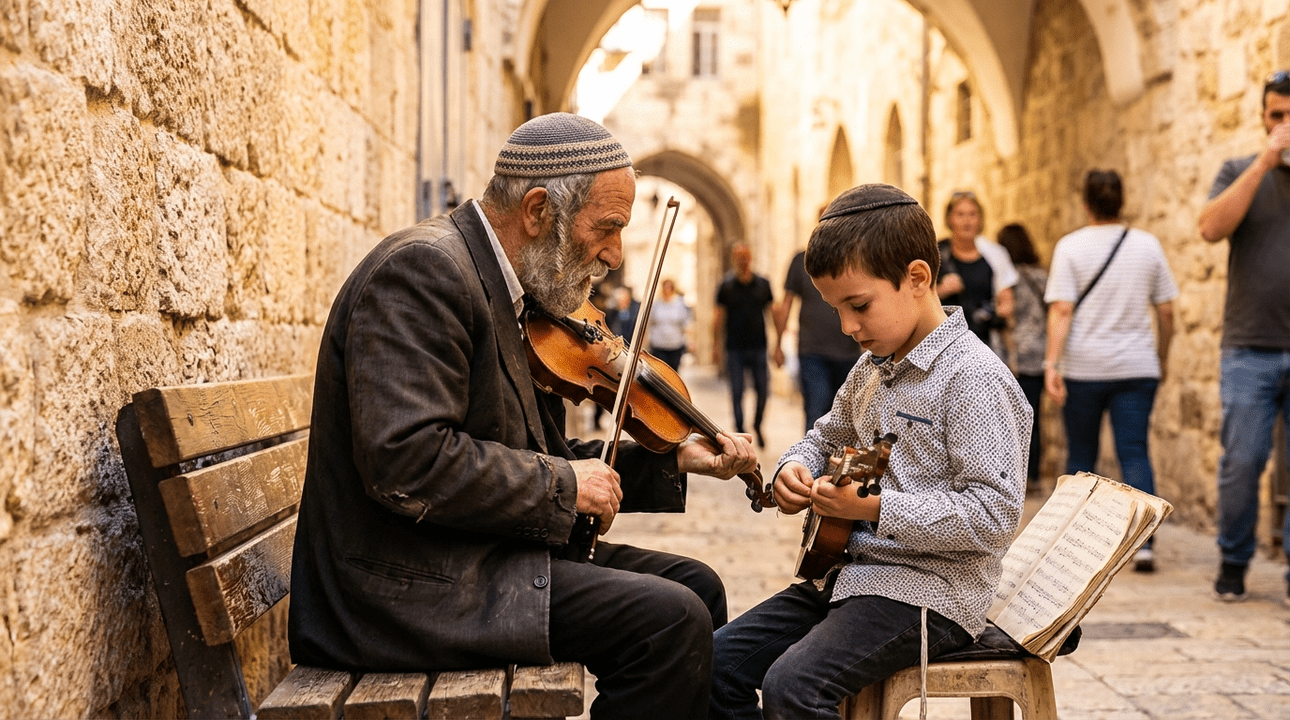
Understanding Local Laws and Norms
Awareness of local laws and regulations is key to a smooth visit. Visitors should familiarize themselves with Israeli laws, particularly those regarding entry and photography restrictions, which can vary by site.
Following these laws ensures respect for local customs, such as dress codes in religious sites like the Western Wall.
Understanding these guidelines helps prevent misunderstandings and enhances your visit.
For instance, certain areas may have restrictions on photographing religious ceremonies or military installations.
Being informed about these rules allows you to navigate the city with confidence and respect.
Tourists are encouraged to carry identification at all times, as security checks are common in public areas. This practice not only facilitates smoother interactions but also enhances personal safety.
Understanding these regulations contributes to a respectful and enjoyable visit. The presence of security personnel is a part of daily life in Jerusalem, aimed at ensuring the safety of all residents and visitors.
Being prepared with proper identification can help avoid delays and misunderstandings during your stay.
Additionally, knowing the locations of nearby embassies or consulates can be beneficial in case of lost documents or emergencies.
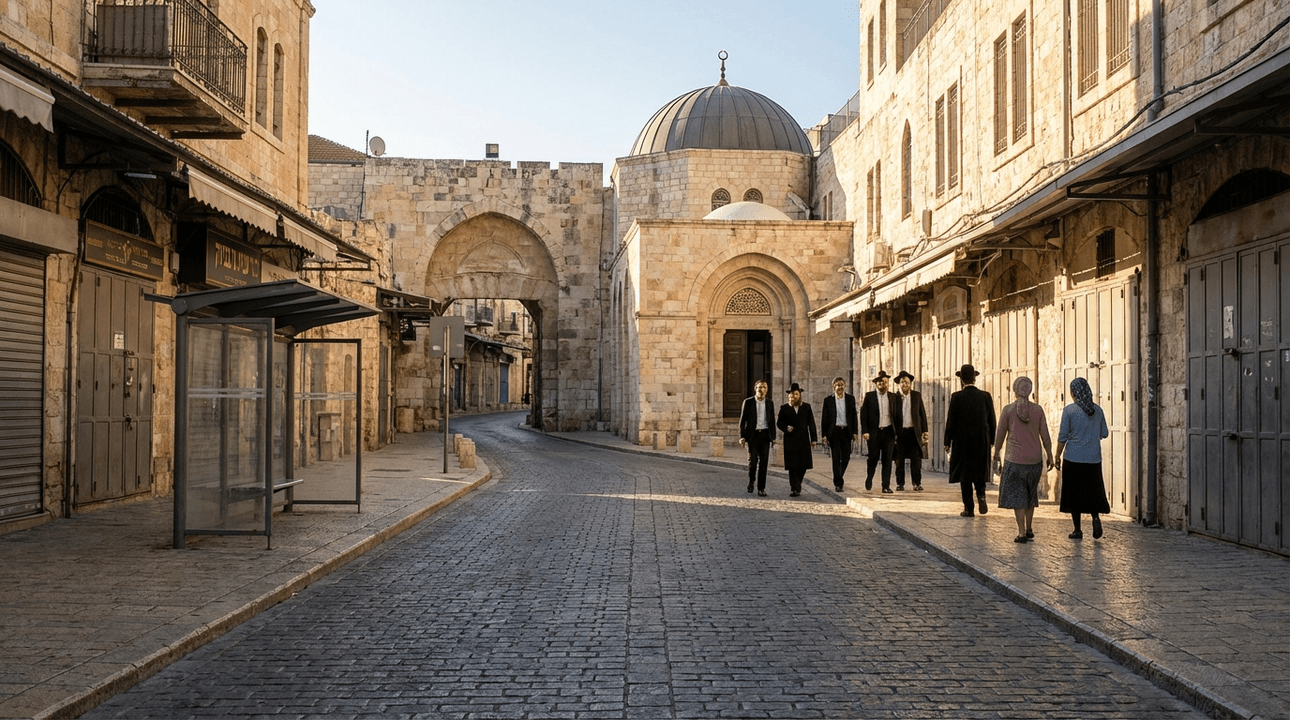
Visitors should note that the Sabbath, observed from Friday evening to Saturday evening, affects transportation and business operations in Jerusalem. Planning around these hours can help avoid inconvenience.
Participating in cultural events during this time can provide unique insights into local traditions.
For instance, joining a Shabbat meal offers a glimpse into the communal and familial aspects of Jewish life.
Public transportation, including buses and trains, may have limited schedules, so checking ahead is wise.
Embracing the slower pace of Shabbat can also be a refreshing break from the usual hustle and bustle.
Enjoying Jerusalem with Confidence
While traveling to Jerusalem, embracing a mindful and well-prepared approach ensures a memorable experience.
With its rich history and vibrant culture, the city offers opportunities for discovery and learning, such as visiting the Israel Museum, home to the Dead Sea Scrolls.
By adhering to safety tips, travelers can enjoy a fulfilling visit to this storied city, from its ancient walls to bustling markets.
Exploring Jerusalem’s neighborhoods, such as the artistic enclave of Ein Kerem, adds depth to the journey. Ein Kerem is known for its charming streets and vibrant art scene, making it a delightful area to wander through.
Mindfulness in travel allows for a deeper appreciation of the city’s offerings, from culinary delights to historical insights. Savoring local dishes like falafel or hummus connects travelers to the region’s rich culinary heritage.
This approach not only enriches the experience but also fosters a sense of connection with the local culture.
For example, visiting the Israel Museum offers insight into the country’s history and art, including the famous Dead Sea Scrolls.
In summary, staying informed, respecting local customs, and preparing for emergencies make a significant difference. These practices empower travelers to explore Jerusalem with peace of mind, allowing them to focus on the city’s rich history.
The city awaits with open arms, offering a journey of insight and inspiration, from the Western Wall to the vibrant markets.
Embracing these principles enhances your travel experience and deepens your connection to this remarkable city.
By understanding local traditions, such as the observance of Shabbat from Friday evening to Saturday evening, visitors can better appreciate the cultural tapestry. Shabbat, a day of rest, is an integral part of Jewish life, and many businesses close during this time.
This awareness enhances the travel experience, fostering respect and connection with the local community. Participating in a traditional Shabbat dinner can offer unique insights into local customs.
Visitor Precautions
