
Unveiling the Heights: Exploring Israel’s Highest Elevation
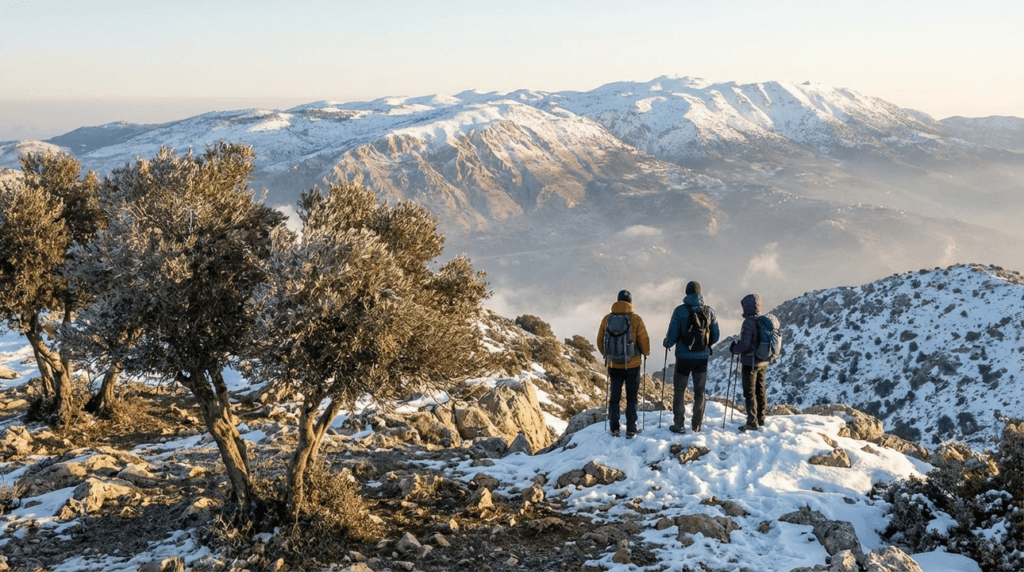

Mount Hermon stands as the pinnacle of Israel, not only in height but also in its breathtaking natural beauty. This towering range marks the northern boundary of the country and offers unique geographical and cultural experiences.
Join us as we explore what makes this peak the highest point in Israel and uncover its significance in regional history and ecology. Its strategic location has made it a focal point in various historical events, serving as a natural fortress and a site of cultural exchange.
At an elevation of 2,814 meters (9,232 feet), this peak provides a unique climate that supports diverse ecosystems, from Mediterranean woodlands to alpine zones. This diversity makes it a subject of scientific interest and a popular destination for tourists seeking both adventure and tranquility.
Its varied climate and rich biodiversity have also made it a subject of scientific study, providing insights into the region’s ecological dynamics. Researchers have long been fascinated by its unique ecosystems, which support a wide array of plant and animal life.
The prominence of this mountain in both natural and human history makes it a compelling subject for exploration and appreciation. Studies have shown that its diverse habitats are home to rare species, such as the Syrian brown bear, highlighting its ecological importance.
Its strategic location has also made it a focus of geopolitical interest, with its snowmelt feeding into the Jordan River, a vital water source for Israel and its neighbors.
This ecological and political significance has drawn scientists and historians alike, eager to understand its impact on regional development and conservation efforts.
The Geography of Mount Hermon
Situated at the border of Syria and Lebanon, Mount Hermon reaches an impressive height of 2,814 meters (9,232 feet). This makes it the highest point in Israel, offering a vantage point that few other locations can match.
Its unique positioning allows for diverse climatic conditions and rich biodiversity. The snowy peaks are famous for being visible from great distances, often serving as a landmark for travelers and locals alike.
This feature stands out in the region’s topography. The snow-capped peaks contrast sharply with the surrounding arid landscape, creating a striking visual. Its elevation also contributes to its role as a natural water reservoir, with snowmelt feeding into important rivers like the Jordan.
Covering approximately 1,000 square kilometers, this range creates a natural barrier between the regions. As part of the Anti-Lebanon range, it is a vital water source for the surrounding areas.
Snowmelt from Hermon feeds into the Jordan River, a crucial waterway shared by several nations. This topographical significance has been acknowledged since ancient times. Historical records, such as those from the Roman era, highlight the strategic importance of Hermon in controlling water resources.
Its strategic location has made it a focus of various historical conflicts, as control over its water resources has been a key factor in regional power dynamics. The Roman historian Josephus mentioned Hermon in his writings, noting its significance in the ancient world as a natural fortress and a source of life-sustaining water.
Cultural and Historical Significance
Mount Hermon has been a significant landmark in the history and culture of the region. References to this peak can be found in various historical texts, such as the Bible, where it is mentioned in Deuteronomy 3:8-9 as the northern boundary of the land conquered by the Israelites.
It has served as a place of worship and spiritual significance throughout different civilizations. Ancient Canaanites and later cultures held it in reverence, often associating it with divine presence.
In the Book of Enoch, an ancient Jewish text, Hermon is described as the place where angels descended to earth, adding to its mystical aura. This historical reverence is evident in archaeological findings, such as ancient altars and inscriptions, that suggest its role as a sacred site for various peoples over millennia.
Biblical references, for instance, highlight its sacred presence. Psalm 133:3 speaks of the “dew of Hermon,” symbolizing blessing and life-giving moisture. This imagery is echoed in other ancient texts, emphasizing its role as a source of life and spiritual inspiration.
In Deuteronomy 4:48, it is mentioned as part of the land given to the Israelites, underscoring its historical and religious importance. Its prominence in religious and cultural narratives underscores its enduring significance.
The spiritual significance of this peak is also reflected in the Song of Songs 4:8, where it is mentioned alongside other majestic peaks, symbolizing beauty and strength. These references illustrate how it has been a beacon of hope and a symbol of divine presence throughout history, making it a cherished landmark in the region.
In the Book of Psalms, Hermon is mentioned as a symbol of grandeur and divine presence. Psalm 133:3 describes the dew of Hermon as a blessing on Zion, illustrating its metaphorical impact.
The peak has also been associated with various mythological tales, strengthening its cultural footprint. For example, ancient Canaanite myths often linked it to divine beings and celestial events, reflecting its revered status.
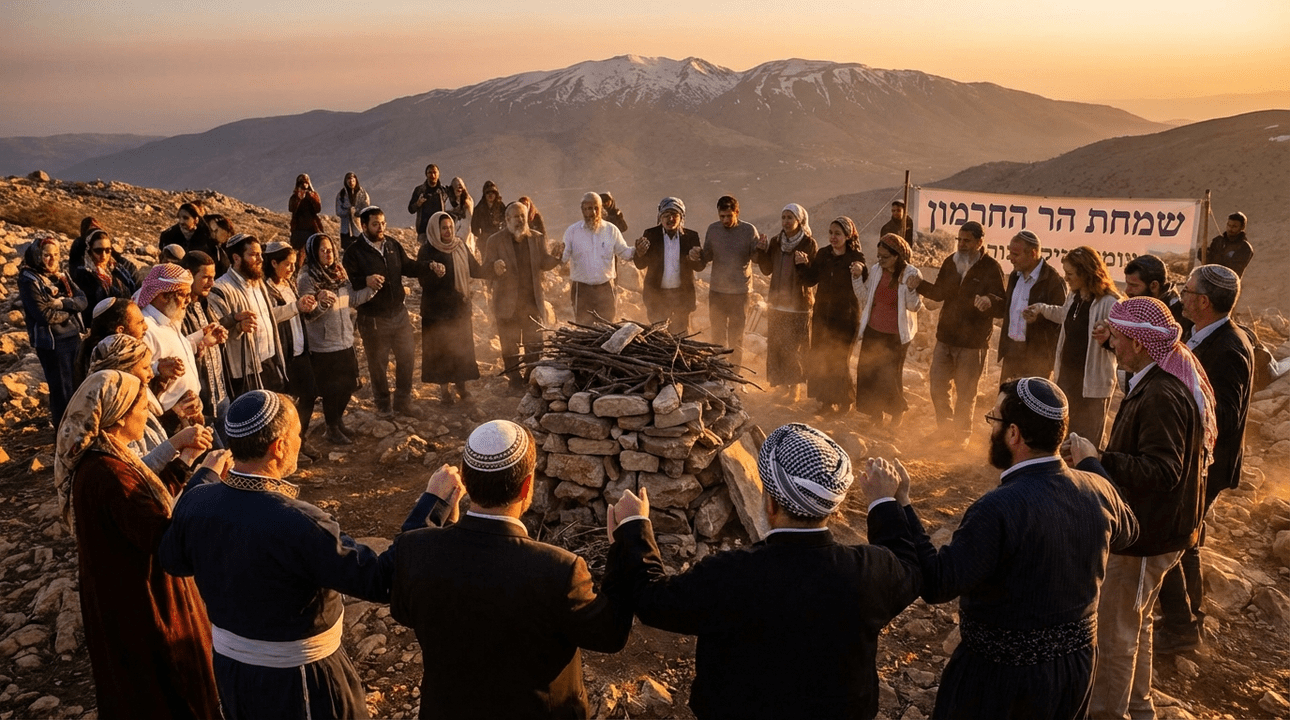
Many local traditions continue to celebrate Hermon’s symbolic importance, including festivals and rituals that honor its historical and spiritual legacy. These cultural practices highlight its enduring role as a symbol of unity and blessing, drawing people from diverse backgrounds to its slopes.
Ecological Abundance at the Summit
The ecological diversity on Hermon is remarkable with changing altitudes producing a variety of habitats. This includes Mediterranean woodlands as well as alpine and subalpine zones. A range of flora and fauna can be found here, making it a point of interest for naturalists and ecologists.
Unique species call this diverse ecosystem home, enriching Israel’s natural heritage. For instance, the Hermon iris, a rare flower, blooms in the region, drawing botanists and nature lovers alike. Its biodiversity is a testament to its ecological significance.
The varied ecosystems also support a range of wildlife, including birds of prey and mammals like the Syrian brown bear. These species thrive in the unique climatic conditions found at different altitudes, offering researchers valuable insights into adaptation and biodiversity conservation.
Bird watchers and wildlife enthusiasts visit Hermon for its unique biodiversity. The mountain acts as a migratory pass for birds traveling between Africa and Europe, including species like the Eurasian Griffon Vulture and the Lesser Kestrel.
Preserving this biodiversity is crucial, as its ecosystem supports numerous endangered species. Among these are the Syrian Brown Bear and the Persian Fallow Deer, both of which rely on diverse habitats. Conservation efforts are in place to protect these natural inhabitants.
Organizations work tirelessly to maintain the delicate balance of the ecosystem, ensuring that future generations can also enjoy its natural beauty.
Tourism and Recreation at Mount Hermon
Hermon is a favored destination for tourists seeking adventure in both winter and summer. From skiing during the cold months to hiking and nature walks in warmer weather, it offers a variety of activities.
Visitors are often captivated by the panoramic vistas and the peaceful natural surroundings. The area provides a space for both relaxation and excitement, allowing visitors to choose their own pace. The ski resort, established in 1971, attracts winter sports enthusiasts from around the world.
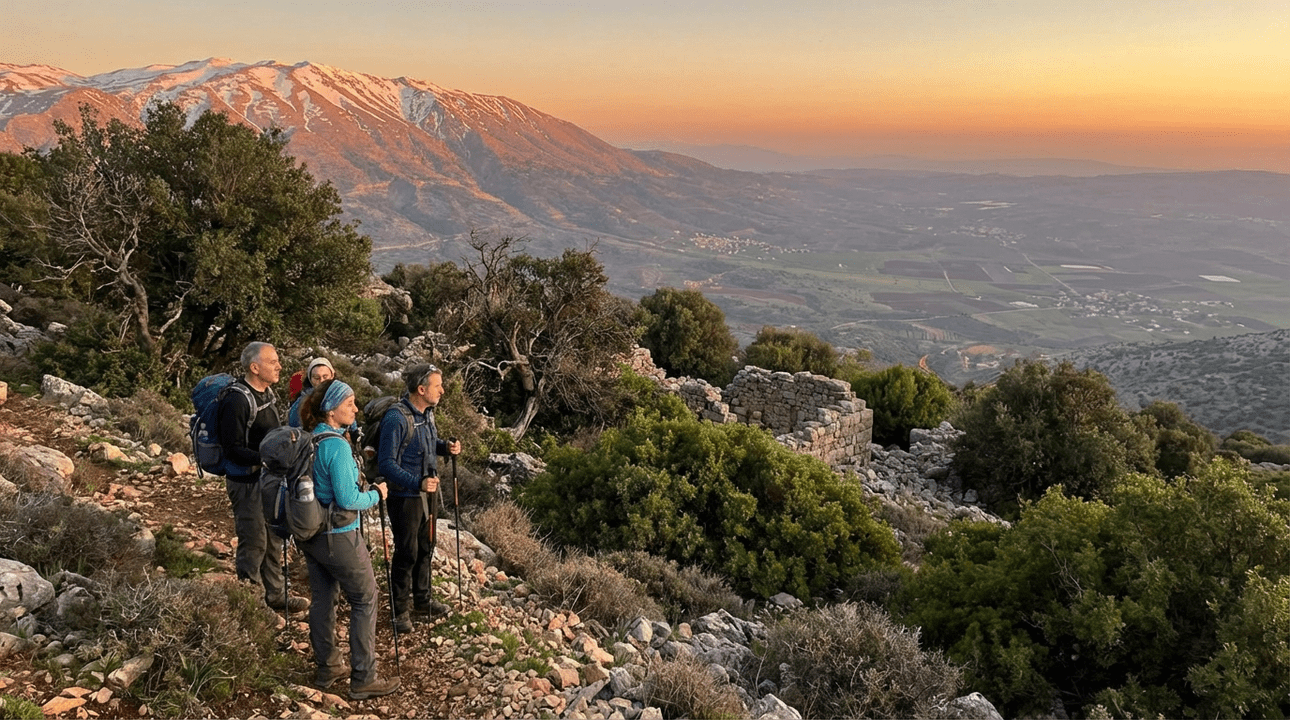
In summer, the trails offer hiking opportunities with breathtaking views of the surrounding landscapes. The diverse flora and fauna provide a rich experience for nature lovers. Its unique climate and geography create a perfect setting for outdoor activities, making it a year-round attraction for tourists.
The rich biodiversity and unique landscapes make it a perfect spot for photography and exploration. Whether you’re capturing the vibrant colors of spring or the serene snowscapes of winter, Hermon offers endless opportunities for discovery.
Its diverse habitats support various species, including the rare Hermon iris, which blooms in spring, attracting botanists and photographers. The trails and slopes invite adventurers to explore its natural wonders, making it a beloved destination for nature enthusiasts.
The diverse ecosystems provide a haven for wildlife, including birds of prey and unique alpine flora. This makes it an ideal location for eco-tourism and scientific research. The changing seasons bring different landscapes, from lush greenery in spring to a snowy wonderland in winter, offering something new for each visit.

The Hermon ski resort is the only ski facility in Israel, drawing a large number of visitors each year. Its slopes cater to both beginners and seasoned skiers, offering lessons and equipment rentals for those eager to experience the thrill of skiing.
Along with winter sports, hiking trails lead adventurers to breathtaking views and serene forested areas. These trails vary in difficulty, providing options for casual walkers and experienced hikers alike. Mountain biking and birdwatching are popular activities.
The diverse terrain and unique flora and fauna make it an ideal location for these pursuits. These experiences make Hermon a vibrant hub for nature lovers. The combination of adventure and tranquility attracts visitors from all over, eager to explore its natural wonders.
Conclusion: The Majesty of Mount Hermon
Mount Hermon stands as an iconic representation of Israel’s natural beauty and historical significance. Its highest point offers an unparalleled view into the harmonious blend of man, nature, and culture.
Exploring its heights not only connects visitors to the physical landscape but also to the rich narrative embedded in its slopes. Hermon remains a cherished beacon for explorers and those looking to deepen their connection with the land.
Its unique position has made it a crossroads of cultures and a witness to history.
The cultural significance of this peak is reflected in its mention in various religious texts and its role in ancient trade routes. The views from its summit provide a perspective on the historical interactions between different civilizations that have passed through the region. Its enduring presence continues to inspire those who visit.
Mount Hermon Insights
