Lev Haolam logo – Israel gift box company
Join now
Lev Haolam
  • Home
  • To The Top
  • Who We Are?
  • How It Work
  • Membership
  • Our Boxes
  • Testimonials
  • FAQ
  • Blog
    • Articles
    • Recipes
    • Gift Boxes
  • Career
Log In
Join now
Log In
Join now
  1. Home
  2. Blog
  3. Geography & Travelling of Israel

Exploring Israel's Geography and Travel Adventures

Dive into the rich landscapes of Israel, from the lush Galilee to the historic Negev. Experience the vibrant cultures and support local artisans on your journey.
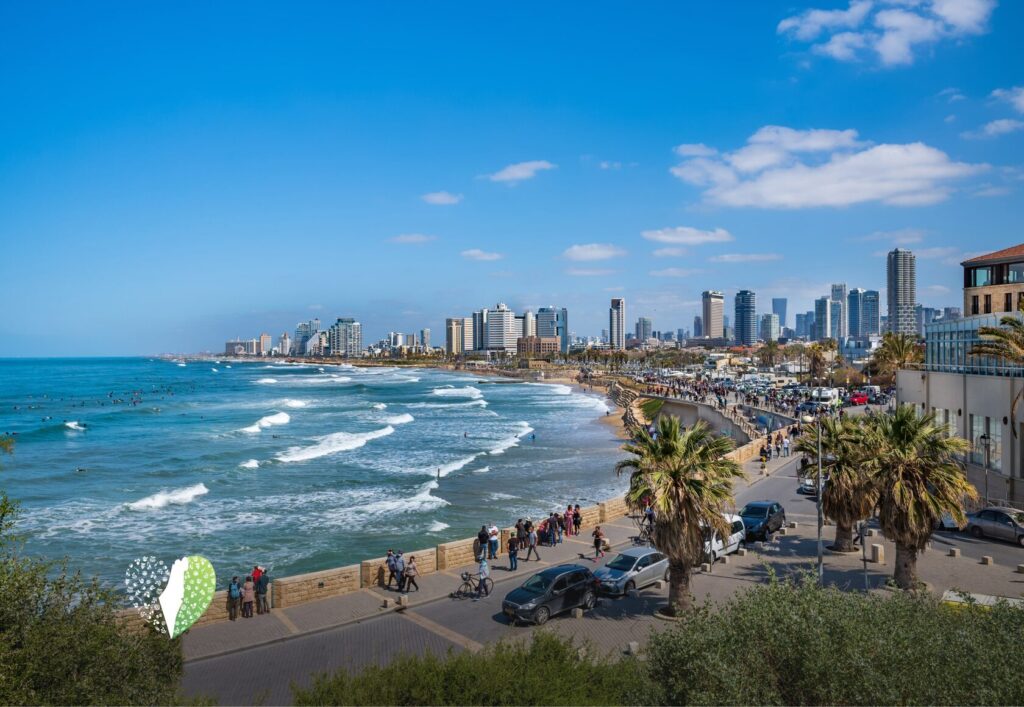
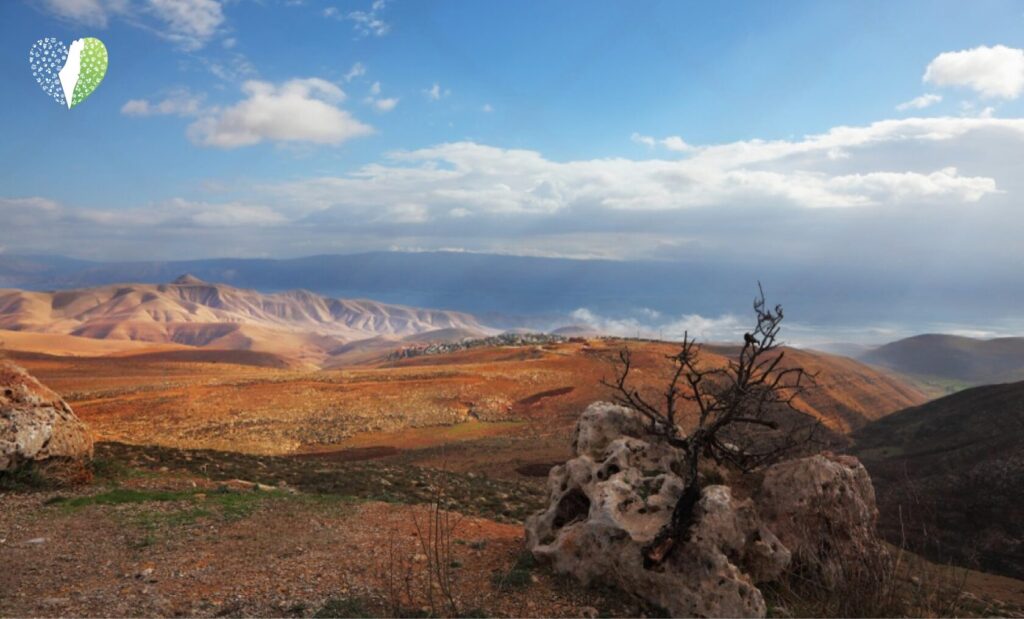
Scenic view of Israel's diverse landscapes
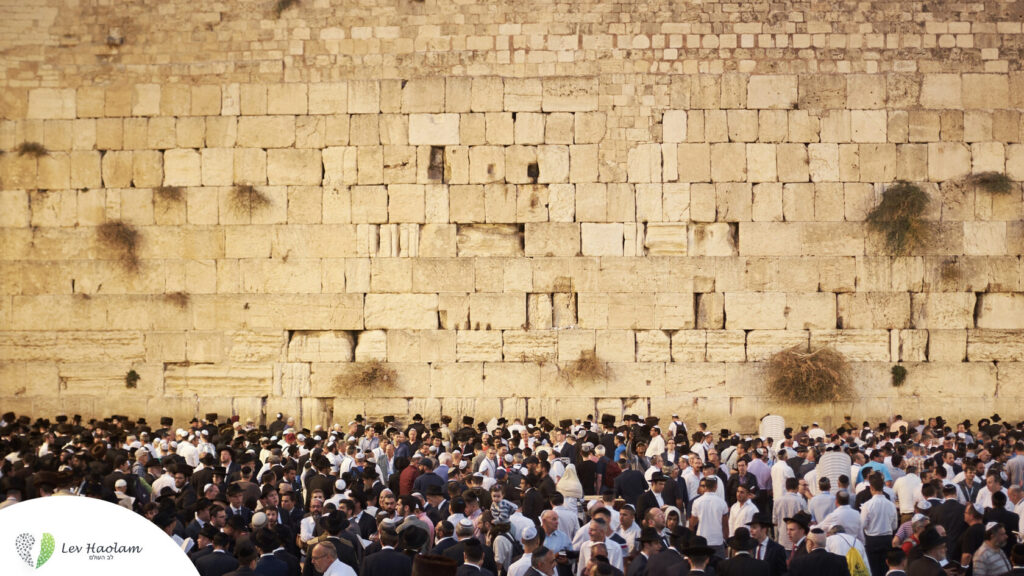
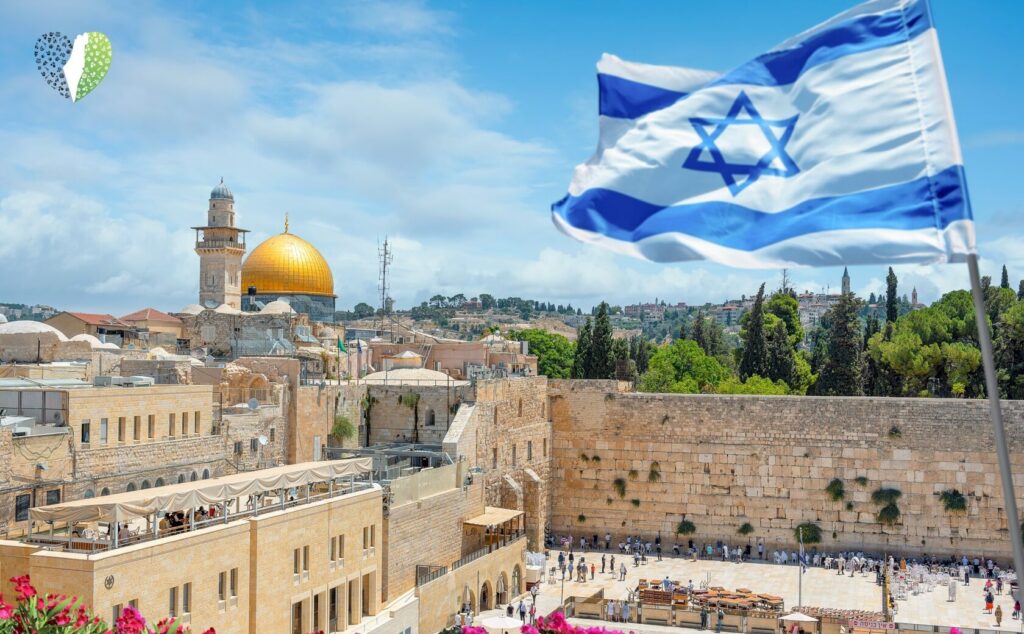
People praying at the Western Wall in Jerusalem

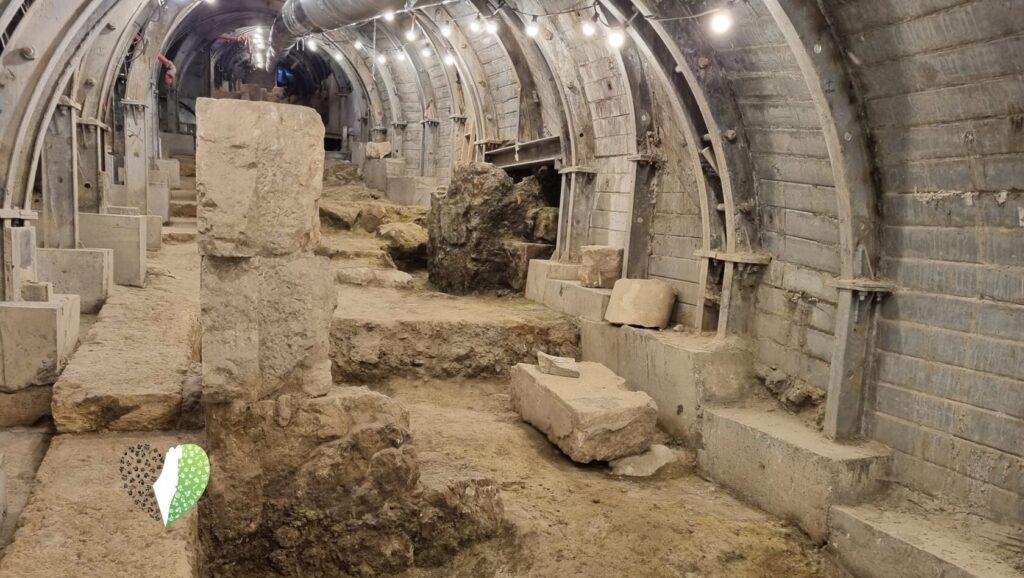
6 fascinating facts you never knew about the Western Wall

Here are some fascinating, lesser-known facts about the Western Wall: 1. The Western Wall that we see today was built in 20 BCE by King Herod when he expanded the Second Temple. The First Temple, built by King Solomon in the 8th century BCE, was destroyed by the Babylonians when they destroyed Jerusalem and took the Jewish people into captivity. The Second Temple was built when the Jews returned from exile, and then it was embellished by King Herod. 2. The Western Wall is an engineering masterpiece. It is made of enormous blocks of stone carefully stacked so they will...
Show more
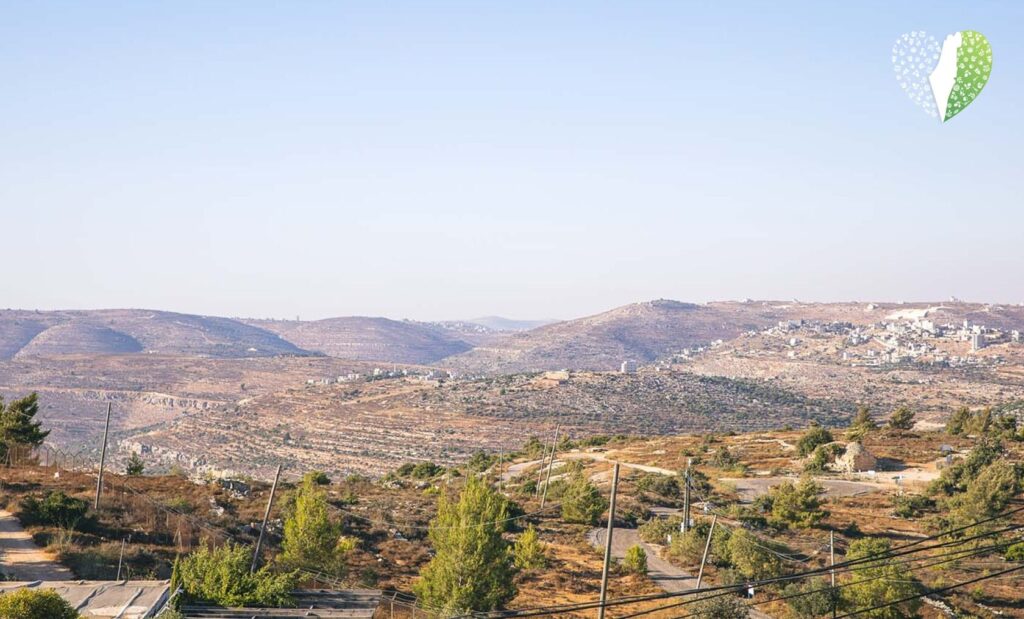
A scenic view of Beit El community in Samaria

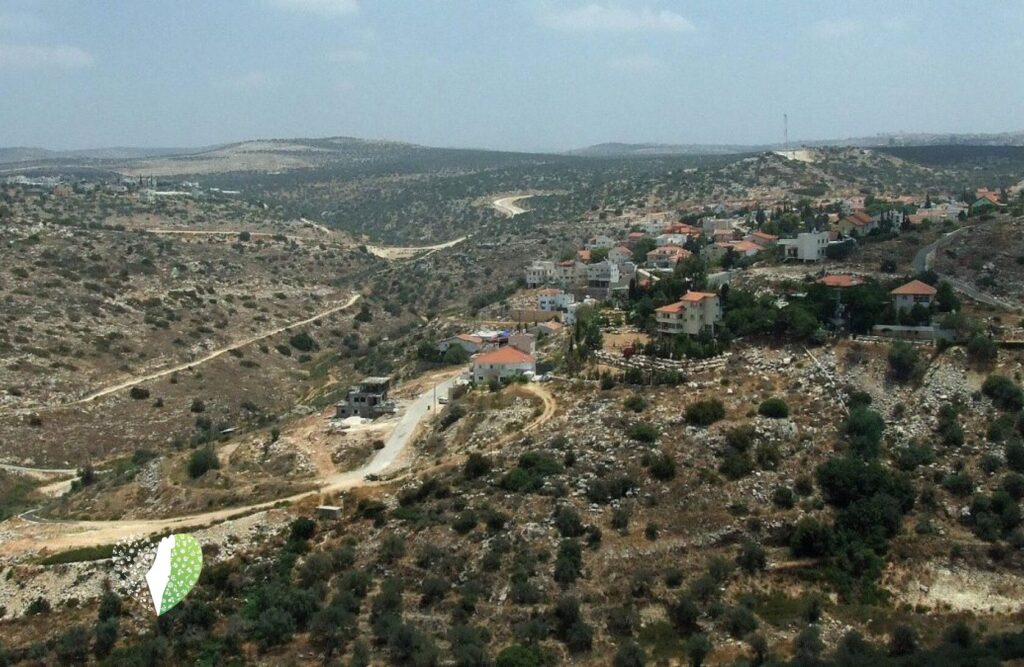
Discover the wonderful community of Beit El!

Biblical and archeological evidence reveals a Jewish presence in Beit El throughout the centuries. The town prospered during the reigns of David and Solomon, and in the days of Elijah a school of prophets existed there. Archeological remains point to a flourishing Jewish town during the period of the Maccabees. In modern times, Beit El was one of the first communities in Judea and Samaria to regain a Jewish presence after the Six Day War of 1967. A courageous group of Jewish pioneers set out in 1977, just like Abraham nearly 4000 years earlier, and set up camp on the...
Show more
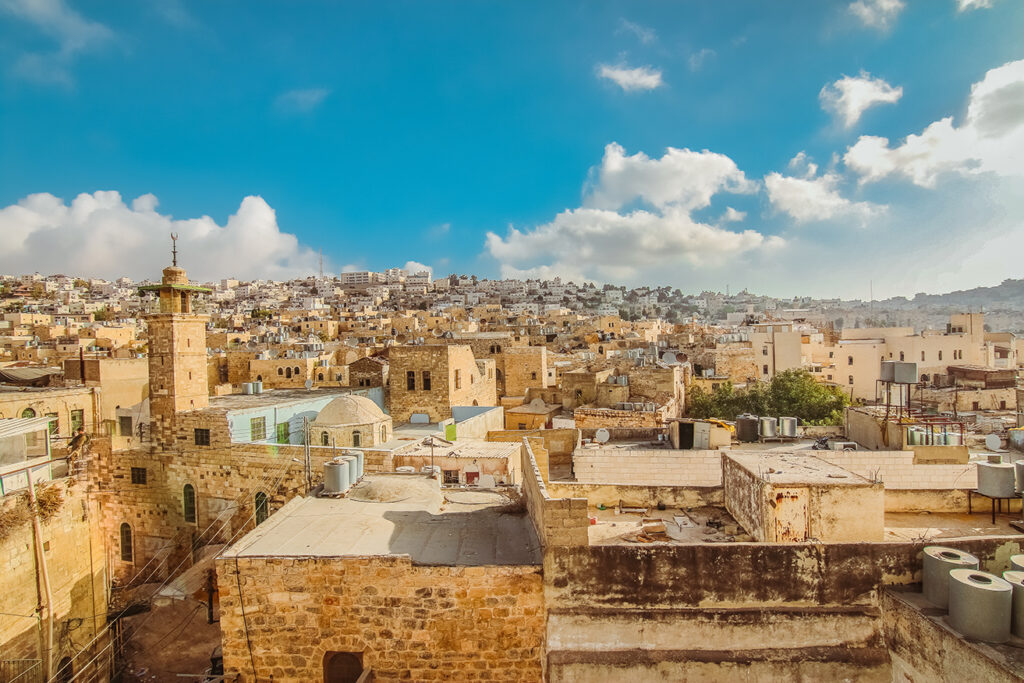
Historical significance of Hebron in biblical times

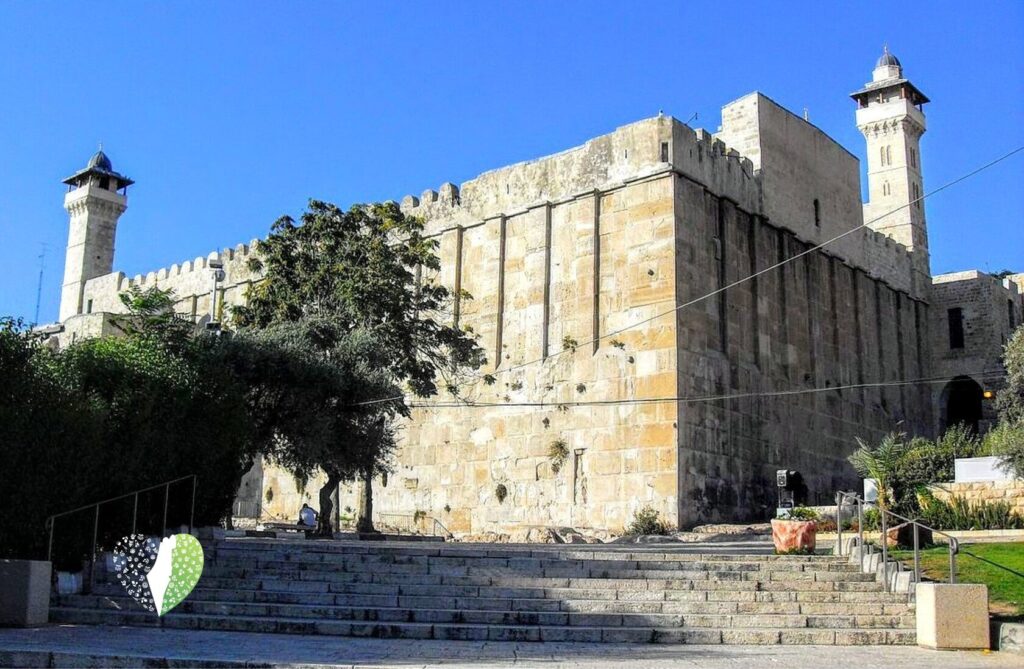
Five Fascinating Facts About Hebron!

From being one of the holiest cities in Israel to the burial place of our Biblical ancestors, here are five fascinating facts about Hebron!   1. Hebron is the second holiest city after Jerusalem. In the Old Testament, he is mentioned 62 times. According to the Old Testament, Abraham, the founder of the Jewish people, paid 400 shekels of fine silver for the Cave of the Patriarchs, also called the Cave of Machpelah. Hebron is one of the oldest cities in the world, it was here that King David began to reign. 2. The Cave of the Patriarchs, (the Cave...
Show more
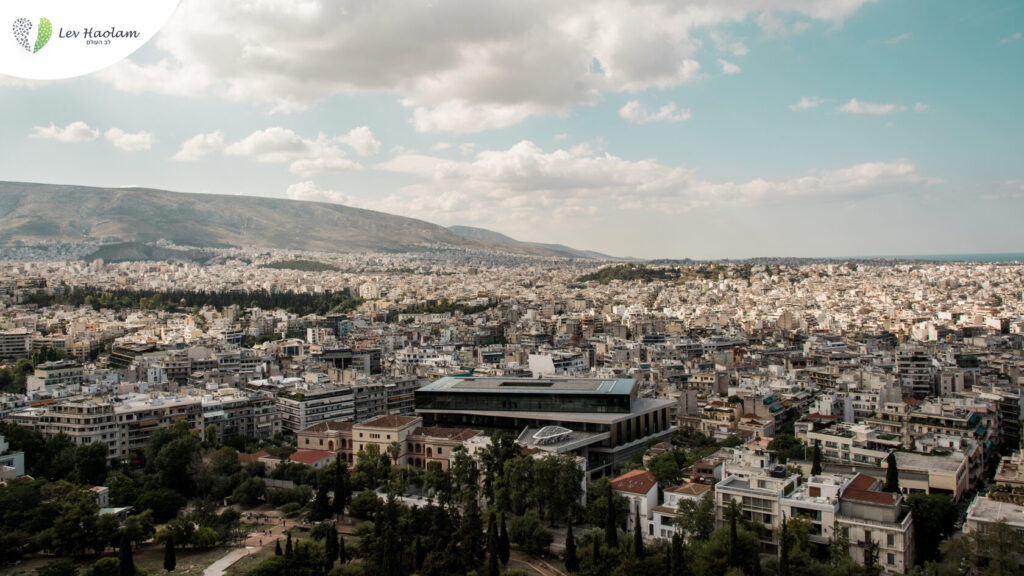
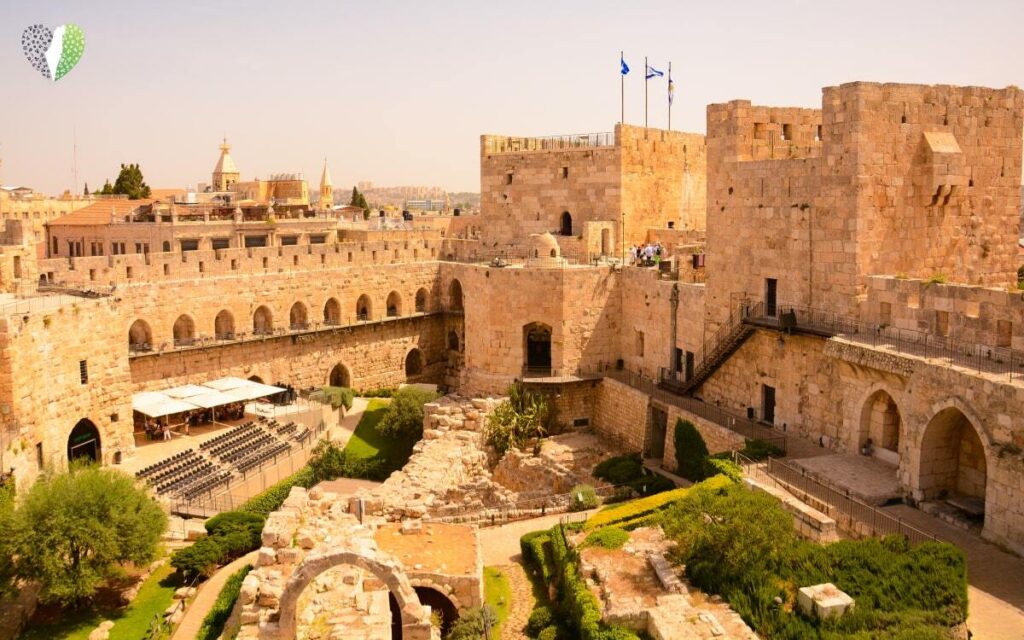
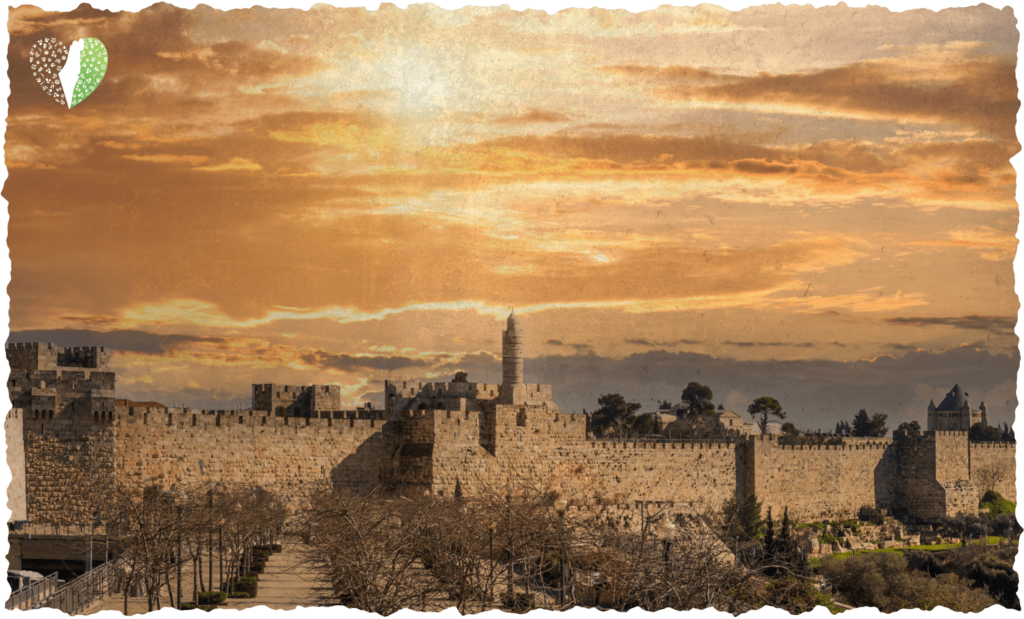
A panoramic view of Jerusalem's historic skyline

The Holy City of Jerusalem is like no other!

Jerusalem’s Treasures Revealed The Western Wall refers to the wall which is the last remaining wall of the Second Temple. This wall is a tangible connection to thousands of years of holiness and biblical ancestry. Every day, thousands of people visit the Wall to pray, reflect, and make personal requests of God for the health and healing of their loved ones, to find their soul mates, for success, and whatever is in their hearts. For many, The Western Wall is where the connection to God is at its strongest. On Shabbat and the Jewish Festivals, a different atmosphere takes hold...
Show more

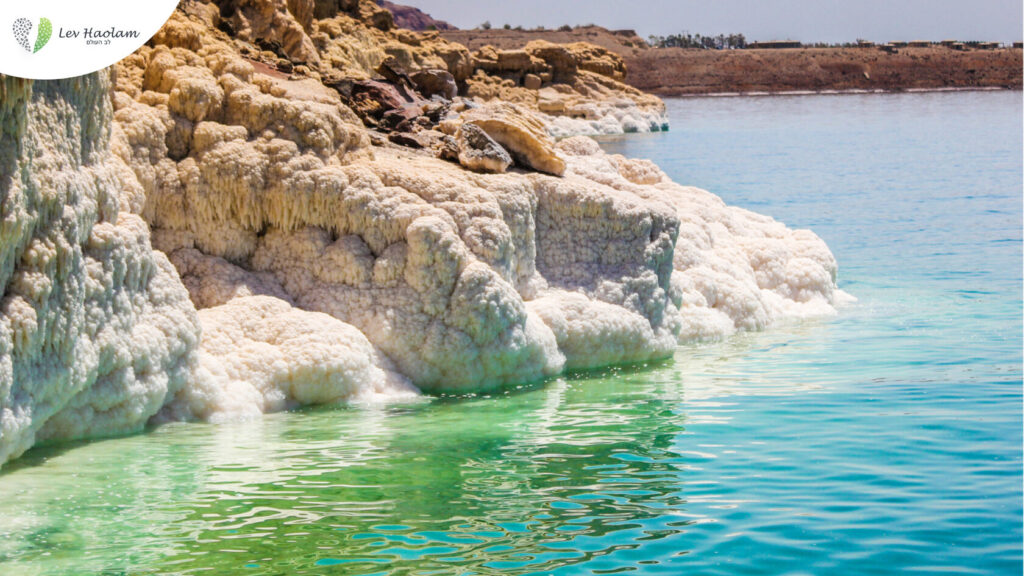
A world of renewal awaits you at the lowest place on earth, the Dead Sea!

​ With The Most Authentic Gift Box Directly From Israel ​ Your Bond With Israel is Crucial Now Support Israel and Forge Your Bond Dear Supporter of Israel,Welcome to Lev Haolam, the leading subscription box service based in Israel, bringing you the finest treasures from the Holy Land.We invite YOU to join our Israeli Family, where you can share your support and love for Israel and feel the love back. Join our members helping over 1820 heroic artisan families, revitalizing the Holy Land with farming and crafts, producing olive oil and dates, honey and chocolate, salt and spices, tea and...
Show more

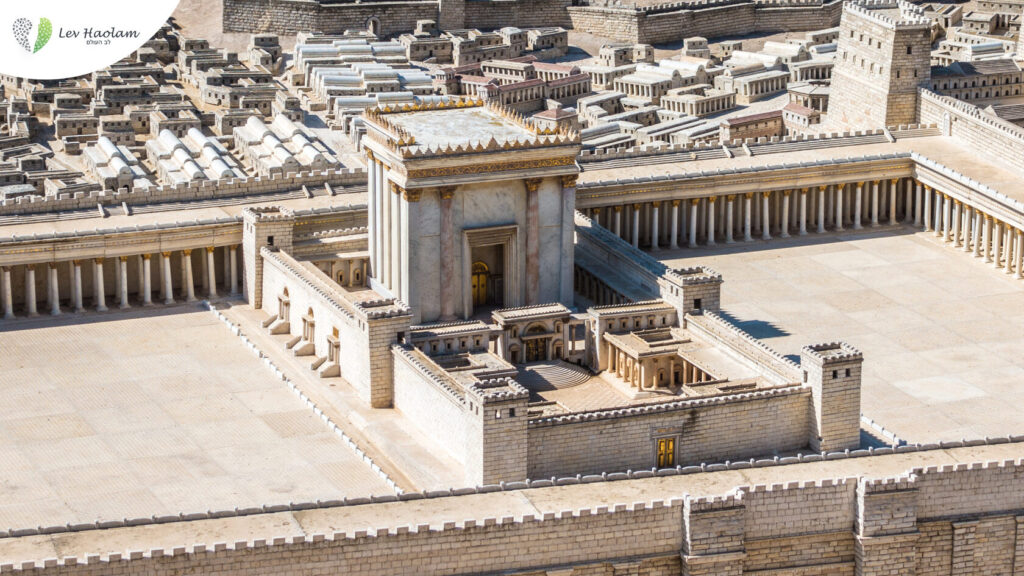
All you need to know about the Holy Temple of Jerusalem!

​ With The Most Authentic Gift Box Directly From Israel ​ Your Bond With Israel is Crucial Now Support Israel and Forge Your Bond Dear Supporter of Israel,Welcome to Lev Haolam, the leading subscription box service based in Israel, bringing you the finest treasures from the Holy Land.We invite YOU to join our Israeli Family, where you can share your support and love for Israel and feel the love back. Join our members helping over 1820 heroic artisan families, revitalizing the Holy Land with farming and crafts, producing olive oil and dates, honey and chocolate, salt and spices, tea and...
Show more
A panoramic view of Jerusalem's ancient skyline

Get to know these fascinating UNHEARD facts about Jerusalem!

If you thought you knew all there was to know about Jerusalem, think again! Get ready to be wowed with our list of fascinating facts about Jerusalem that you’ve never heard of! Jerusalem: A city with a history like no other. In 1000 BCE, King David captured the Holy City of Jerusalem, and the first Jewish capital city was declared! Forty years later, it was his son, the great and wise King Solomon, who would build the magnificent first Temple of Jerusalem, which would become the permanent resting place for the Holy Ark, which contained the Ten Commandments. A place...
Show more
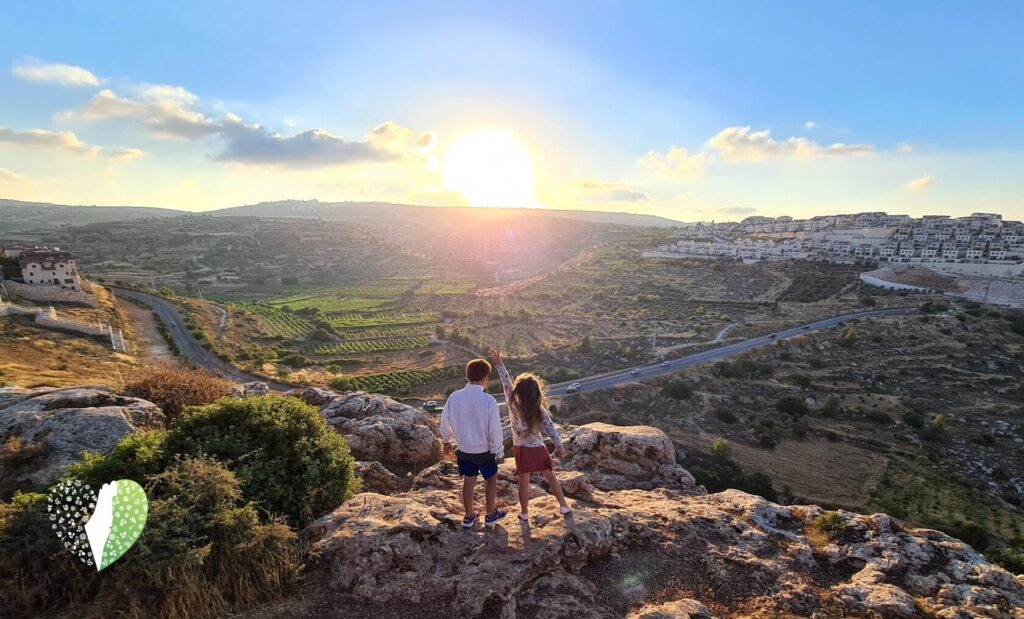
Vibrant community life in Beit El's historic setting

Get to Know the Vibrant Community of Our Producers in Beit El

Beit El is home to a thriving community that blends ancient history with modern innovation. The region is significant for its biblical heritage as well as the resilient people who live there today. Steeped in a rich past, Beit El stands as a testament to the enduring spirit and faith of the Jewish people. We invite you to learn more about the historic town of Beit El and the people behind the products you love. From Ancient Altars to Modern Communities: Beit El’s Rich History Beit El, meaning “House of God” in Hebrew, has a history that stretches back to...
Show more
A panoramic view of Gush Etzion's rolling hills and historic sites

Kfar Etzion and Gush Etzion: Bridging Culture and Entrepreneurship in the Heart of Israel

Explore the vibrant tapestry of Gush Etzion, from its historical landmarks to economic initiatives. From this article, you’ll gain a deeper understanding and appreciation of Gush Etzion’s role in shaping Israel’s past, present, and future. The Rebirth and Flourishing Community of Kfar Etzion Kfar Etzion was established in the 1920s but was abandoned during the Arab riots of 1929. It was re-established in the 1940s by a group of Jewish settlers. The settlement was a focal point of conflict during the 1948 war. In May 1948, just before the establishment of the State of Israel, Kfar Etzion fell to Jordanian...
Show more
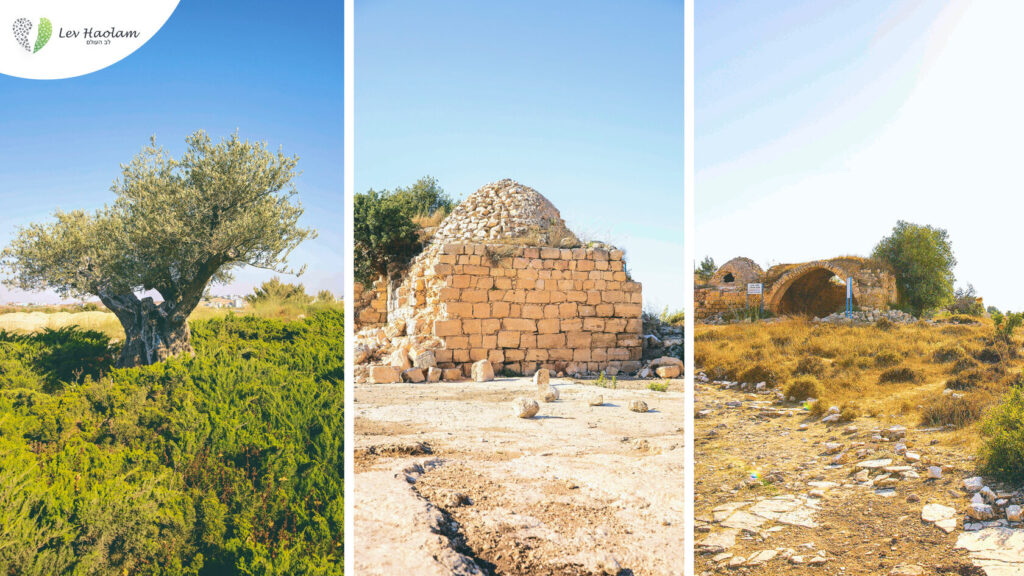
Ancient ruins in Biblical Israel landscape

Discovering Biblical Israel: A Journey Back in Time

Wherever one treads in the Land of Israel, they are likely to encounter archeological evidence or ancient artifacts attesting to the deep Biblical history going back thousands of years. Discover some of the most iconic sites in the Land of Israel and connect to the stories of the Bible! Joseph’s Tomb in Shechem (Nablus) Located in the mountain range of Samaria is the ancient city of Shechem. This was the first place that our forefather Abraham stopped when he reached the Holy Land in 1737 BCE and where God told him that the Land of Israel would be given to...
Show more

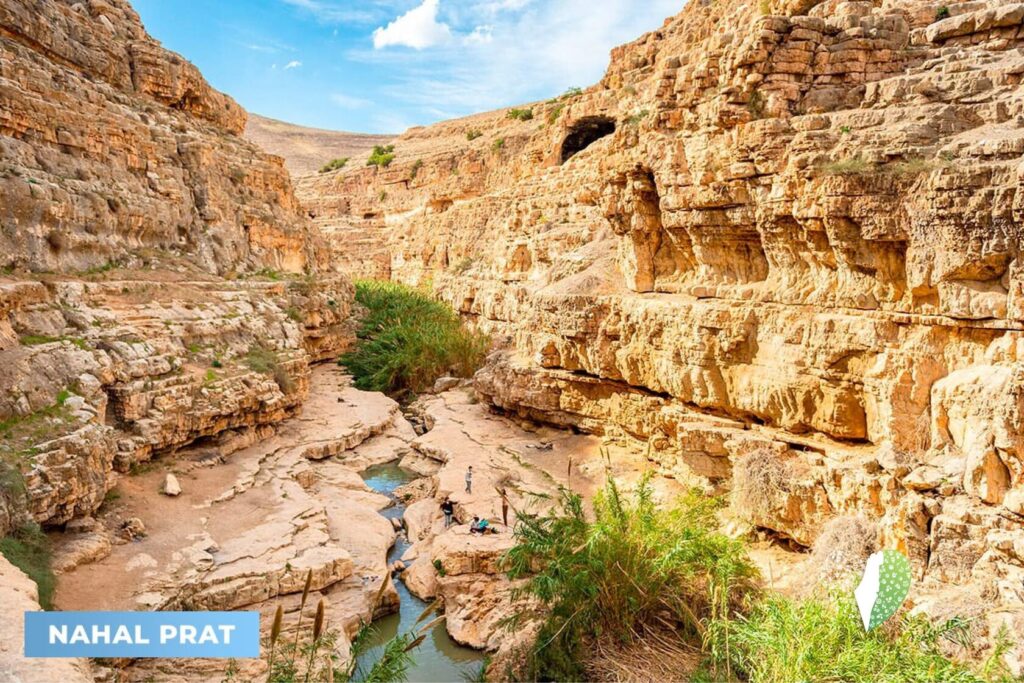
Nahal Prat: A Judean desert spring with a fascinating history

Nahal Prat is made up of 3 natural water springs that run all year round. Its course cuts through the rocky Judean mountains, and its shores are home to a rich variety of plant and animal life. The stream runs for a total of 28 km and has several rock pools where visitors can take a cool dip in the desert heat. It’s only been in recent decades, since the site came under Israeli governance, that Israeli excavations have uncovered the canyon’s incredible history and made it accessible to the public. Nahal Prat is mentioned several times in the Bible. It marked the border between the Tribe of Judah to the south and the Tribe of Benjamin to the north.In 1 Kings 17, the Prophet Elijah flees Mount Carmel after his showdown with King Ahab and seeks refuge by the Cherith Brook, which is widely believed to be Nahal Prat. In Jeremiah 13, the Lord tells Jeremiah to take the sash from his waist and hide it in a hole in the rock by the River Euphrates. Many scholars believe the Hebrew word ‘Prat’ actually refers to Nahal Prat and not the Euphrates at all. During their digs, Israeli archeologists found several ancient aqueducts along the stream. The oldest can be dated to the second century BC, during the rule of the Hasmoneans. These aqueducts were used to transport water down to the plain of Jericho. The Hasmonean kings and Herod the Great built their winter palaces near Jericho in the Nahal Prat valley. The remains of a synagogue uncovered in the Hasmonean winter palace is believed to be one of the oldest synagogues in the world. In more recent times, the streams of Nahal Prat were channeled to supply water to parts of Jerusalem. The purification and pumping station that was in use from the 1920s to 1970s has now been converted into offices and facilities for the Ein Prat National Park. Thanks to the vision and tireless work of the Israel Nature and Parks Authority, the buried history of this desert site has been restored and displayed for thousands of visitors to experience each year. Nahal Prat truly is a hidden oasis in the Judean desert. What are your experiences? Have you been inspired by any off-the-beaten-track sites in Israel?
Show more

Shechem

There are few places in Israel where the sense of injustice suffered by the Jewish community is felt more acutely than in Shechem. The centuries-old attempt to erase Jewish history from this town has been so successful that many people today have never even heard the name Shechem. They only know about the Arab town called Nablus under the administration of the Palestinian Authority in the area where Jews are forbidden to set foot. In fact, the name Nablus is a derivative of ‘Flavius Neopolis’ - the name the Romans gave Shechem in the first century as part of an attempt to destroy its Jewish identity. The Jewish connection to Shechem dates back to the days when Abraham obeyed the Lord’s call and set out for the promised land. Shechem was the first place he stopped when he reached Canaan - as Israel was then called (Genesis 12:6). Later, Jacob bought a piece of land in Shechem and built an altar to the Lord (Genesis 33:18-20). This was the plot of land where Joseph was buried (Joshua 24:32). Over the centuries, the Jewish community in Shechem had periods of growth and decline, but Joseph’s Tomb remained a sacred Jewish site drawing many pilgrims. According to one of Israel’s top archeologists, the late Dr. Zvi Ilan, Joseph’s Tomb is “…one of the tombs whose location is known with the utmost degree of certainty and is based on continuous documentation since biblical times.”Shechem is a city historically known for Arab hostility towards Jews. This is one of the main reasons why the Jews returning to Israel at the end of the 18th century, fleeing Russian pogroms, never flourished in Shechem. In 1860, it was reported that six Jewish families tried to settle in the city but left almost immediately due to the constant stone-throwing from their Arab neighbors. The violent Arab riots of 1929 and 1936 finally put an end to the Jewish presence in Shechem, and the struggling, impoverished Jewish families left in the city were forced to flee for their lives. No Jew has permanently resided in Shechem since. Shechem was given over to the Palestinian Authority in 1995 as part of the Oslo Accords. Although it was agreed that Joseph’s Tomb would be preserved and remain in Jewish hands, just a few years later Palestinian terrorists broke into the site, burnt and desecrated it. Today, any Jew wanting to pray at the ruins of Joseph’s Tomb must wait for one of the few organized pilgrimages that happen each year - at the dead of night, escorted by Israeli security forces. It is a great tragedy for Jewish people that they cannot freely access and pray at one of their most sacred sites. In view of this, why are many still pushing for Israel to give up more holy and historic locations?
Show more

7 Fascinating Facts about Jerusalem

1. Studies show that there are olive trees in the Garden of Gethsemane dating back 900 years, making them some of the oldest living olive trees in the world.2. When Neil Armstrong visited Jerusalem, he said: ‘I am more excited stepping on these stones than I was stepping on the moon.’ 3. Jewish people around the world face Jerusalem to pray. 4. Between 1948 and 1967 when the Old City of Jerusalem was under Jordanian control, Jews were not allowed to access their own holiest site - the Western Wall. In 1948, the area referred to today as ‘East Jerusalem’, which includes key Jewish sites such as the ancient Jewish Quarter and Temple precinct, was captured by Jordan. In breach of the armistice agreement, Jordan restricted all Jewish access to the Western Wall. It was only after the Six Day War of 1967, when Israel liberated Jerusalem, that Jews could once again pray at the site of their holy Temple. 5. There’s a specific medical condition that some psychiatrists call ‘Jerusalem syndrome’ in which visitors to the holy city are overcome with religious delusions, such as believing they are the Messiah, Elijah or other religious figures. Fortunately, it’s a rare illness, and some doctors doubt it even exists at all! 6. Every Passover a Muslim Arab called Hussein Jaber who lives in Abu Ghosh (an Arab town next to Jerusalem known for its loyalty to Israel) buys all the leaven in the land! According to the Torah, Jewish people should not own or have in their possession any products containing leaven for the whole week of Passover. Hussein Jaber helps the country keep this commandment by signing a formal contract to buy all the leaven in the Israel for $300 million. Of course, it’s an unspoken agreement that Jaber will not manage to settle the bill by the end of the Passover week, so the contract is annulled, and the bread returns to Jewish hands! 7. During its more than 6000-year history, Jerusalem has been conquered or reconquered over 40 times and razed to the ground at least twice. But what is it that makes Jerusalem so passionately desired, so fiercely fought over? Why does the city generate such strong emotion?
Show more

Archaeologists Discover Biblical City of Ziklag

In yet another archaeological find that confirms the biblical account of events, experts believe they have uncovered the ancient city of Ziklag. Ziklag was the city that the king of the Philistines gifted to David when he fled from Saul and took refuge amongst the Philistines in Gath (1 Samuel 27). The Bible says that Ziklag, previously a Philistine city, remained in Jewish hands from then on. On one occasion, while David was away from Ziklag, the Amalekites invaded, burnt the city to the ground and took David’s wives and animals captive. David pursued the Amalekites, ambushed them and took back his wives and property (1 Samuel 30). Later, Ziklag is mentioned as one of the towns of Judah that the Jewish people who returned with Nehemiah from Babylonian exile resettled (Nehemiah 11:28). Until recently, the exact location of Ziklag remained unknown and about 12 different possibilities were put forward by various experts. But that all changed earlier this month. During a joint press release, researchers from the Hebrew University in Jerusalem, the Israel Antiquities Authority and Macquarie University in Sydney, Australia claimed to have found the ancient city.In 2015, archaeologists began an excavation at the site of Khirbet a-Ra’i in the Judean foothills, between the ancient sites of Gath and Lachish, and uncovered evidence of ancient continuous settlement. There were several factors that stood out during the dig that led the team to conclude with a high degree of certainty that this was in fact biblical Ziklag. Firstly, they found evidence of a Philistine settlement from the 11th to 12th centuries BCE. Items such as bowls and oil lamps were discovered in the foundations of the buildings, which point to the Philistine custom of laying offerings to the gods beneath the floor of a new building to bring blessing and favor. Utensils such as stone and metal tools were also found, which were similar to those found in other Philistine towns from the same period. Above the remains of the Philistine settlement, archaeologists found evidence of an early 10th century Jewish town, which equates to the time of King David. Nearly 100 pottery vessels were uncovered, which would have been used to hold oil or wine, and which were identical to vessels found in the neighboring Judean city of Sha’arayim. The settlement’s transition from Philistine to Judean hands matches the biblical account of 1 Samuel, where King Achish of the Philistines gives David the town, and he settles there with his household. Even more remarkably, the research team found evidence of a massive fire during the period when the town was in Jewish hands, which fits the biblical description of the Amalekite raid. So, are these archaeological findings just a strange coincidence, or do they point to the fact that King David was a real historical figure who truly did take refuge with the Philistines and settle in the town of Ziklag?
Show more

Senior US diplomats join Israeli leaders to open site of excavated Jewish road in East Jerusalem

While many around the world are trying to airbrush Jewish history from Jerusalem, particularly from the contested eastern side, archaeological findings continue to confirm its deep Jewish connection. One remarkable discovery made in recent times was a Jewish road dating back over 2000 years to the days of Herod. This road connected the major holy sites for Jewish pilgrims in temple times, including Temple Mount, the City of David and the Pool of Siloam. The pilgrims’ road may have been hidden forever had it not been for a burst water pipe in 2004, some distance from the site of the temple. The city’s maintenance workers were accompanied by an archaeologist as they carefully started breaking up the ground to access the pipe. However, the team were soon told to stop digging when the archaeologist noticed some unusual stonework beneath the ground. It turned out to be part of a stone staircase from the biblical Pool of Siloam. Following this discovery, archaeologists started exploring the adjacent area, and it wasn’t long before they found the entrance to the pilgrims’ road.Excavating this ancient road was a feat of modern engineering. The excavation team knew they couldn’t close off the Old City or the East Jerusalem neighborhood of Silwan in order to carry out a traditional dig. So, they worked underground while the hustle and bustle of Jerusalem life went on in the streets above them. They had to use special fibrotic cable cameras to decide where to dig, and a team of engineers worked to ensure the ground around the excavation was strong enough to support the people and buildings above. The official opening ceremony for the pilgrims’ road was held on June 30, 2019 after 8 years of excavation. In a bold display of solidarity with Israel and the Jewish right to be in Jerusalem, two top US diplomats - Middle East envoy Jason Greenblatt and US ambassador to Israel David Friedman - attended the event. Speaking at the ceremony, Friedman addressed Trump’s recent decision to move the US embassy to Jerusalem: ‘Were there any doubts about the accuracy, the wisdom, the propriety of President Trump recognizing Jerusalem as the capital of Israel, I certainly think this lays all doubts to rest.’ The incredible discovery of this pilgrims’ road raises the question: What other structures and artefacts from temple times are hiding beneath the stones of the ancient Jewish city of Jerusalem?
Show more

5 Facts About Hebron

The Cave of the Patriarchs, also called the Cave of Machpelah in Hebron 1. Hebron is the second holiest city after Jerusalem. In the Old Testament, he is mentioned 62 times. According to the Old Testament, Abraham, the founder of the Jewish people, paid 400 shekels of fine silver for the Cave of the Patriarchs, also called the Cave of Machpelah. Hebron is one of the oldest cities in the world, it was here that King David began to reign. 2. The Cave of the Patriarchs, (the Cave of Machpelah) is the oldest building in the world that has been functioning for more than 2000 years. Here the forefathers and foremothers of the Jewish people were buried - Abraham and Sarah, Yitzhak and Rivka, Yaakov and Leah. Muslims added minarets to the Jewish construction of The Cave of the Patriarchs to give the building a Muslim look. For 700 years of Muslim rule (the Mamluk, Turkish, and Jordanian), Jews were forbidden to enter The Cave of the Patriarchs. 3. It is considered that Adam and Eve were buried there first. The cave held significance even before Abraham purchased it. After Adam was banished from the Garden of Eden, G‑d Himself prepared a place near the entrance to the Garden, hewed out of rock, where he would bury Adam, the patriarchs and the matriarchs. The cave belonged to Ephron, but only Abraham was spiritually sensitive enough to know of its significance. 4. Jews live in Hebron for thousands of years. In addition to the references in the Old Testament and archaeological finds, there are also written evidence found in both Jewish and non-Jewish historical documents, as well as in travelers’ records, starting from the 1st c. AD 5. Today, Jewish citizens of Israel are allowed to be in 3% of the total area of the city.
Show more

Shabbat Shalom from Ma’ale Adumim

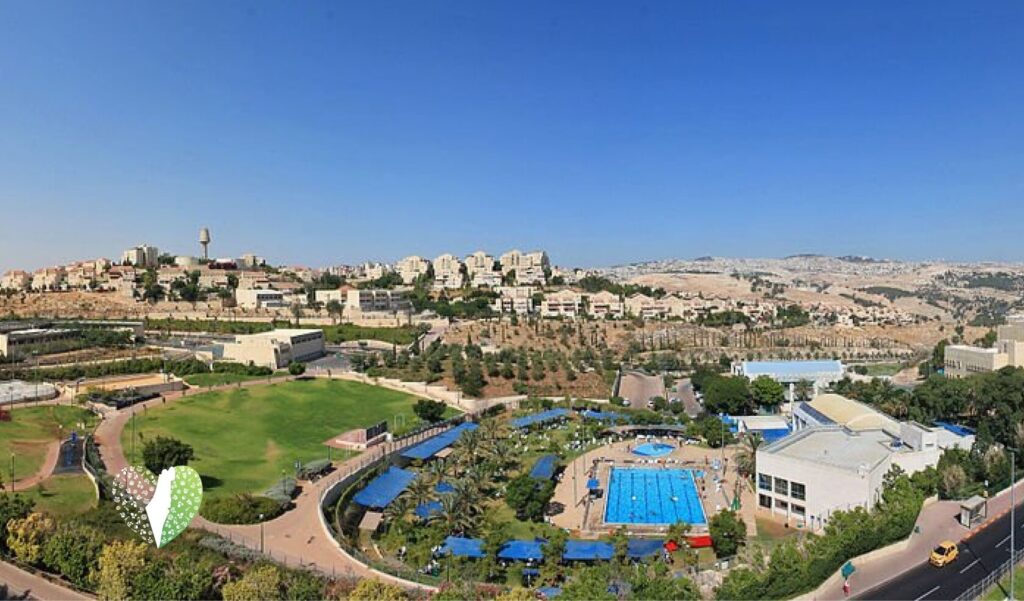
Ma’ale Adumim (The Red Rock Ascent) is perhaps the closest community, of Judea, to Jeruslaem, located approximately seven kilometers north of the city. The city boasts magnificent views of the mountains of Jerusalem, including Mount Scopus and the Mount of Olives. The name dates back to the times of Joshua. The ancient city rested on the line separating the biblical portions of the tribes of Judah and Benjamin. Due to the fact that the area served as an assent (which is the translation of the Hebrew word Ma’ale) and due to the red rocks (Adumim means red) that were part of the topography, the area became known as Ma’ale Adumim and maintains its name till today. After the Yom Kippur War, a group known as the ‘Ma’aleh Adumim group’, which was organized in Jerusalem and included members from all walks of life and from all walks of life set out to inhabit the area of Ma’aleh Adumim. After much effort, in the year 1975, the Government of Israel decided to approve the establishment of a residential camp for the workers in the area (the area now called Givat HaMayasdim) and henceforth a new Jewish community was established. Ma’aleh Adumim is a community largely comprised of families. As such the municipality does a great job of giving the residents a quality family life. One example of the family-friendly nature of the city is the Bnai Zion Municipal Library. The library works to provide maximum access to a wide range of books, reference books and consultation for the purposes of study, enrichment and leisure, with 85,000 titles in the library. New books in various languages, such as Hebrew, English, French, Spanish and Russian are available there. The library’s memberships includes approximately 4,800 families and 16,000 readers. Ma’ale Adumim is located within the jurisdiction of the Gush Etzion Regional Council, but has its own locality due to its size, making it a city. In 2015 it had a population of 37,525, making it one of the largest cities in Judea and Samaria. The city is located in the portion of Israel that was designated for the tribe of Judah.
Show more

Shabbat Shalom from Etz Efraim

Etz Efraim is a village located in the Samarian hills, between the cities of Ariel and Rosh HaAyin. Etz Efraim, which translates to the “Stick/Tree of Efraim”, was founded in 1985 by members of Shkunot B’Yosh (The Judea, Samaria, and Gaza Neighborhoods). Its name derives from the book of Ezekiel, which says, “…take for yourself one stick and write upon it, ‘For Judah and for the children of Israel his companions’; and take one stick and write upon it, ‘For Joseph, the stick of Ephraim and all the house of Israel, his companions’.” This quote references G-d’s plan to reunite the kingdoms of Israel and bring them in from exile. Currently, Etz Efraim is home to approximately 275 families who are of mixed Jewish-religious observances. It falls under the supervision of the Shomron Regional Council and is in the border of the land designated for the tribe of Efraim. This upcoming month’s package, which is shipping out in just a few short days, contains a beautiful product from Etz Efraim! The product is made by Reuma Zilbershtayn, of Reuma Designs, who is a mother of four and grandmother of three. If you would like to support small businesses like Reuma’s, sign up to start receiving packages today!
Show more

Shabbat Shalom from Yafit

Yafit is a moshav (collective community) located in the Jordan Valley. Moshav Yafit is off the main road and at the foot of an ancient hilltop fortress constructed by the Hasmoneans called Alexandrium (also known as Sartaba). It was built in the 1980s by a group of French immigrants that had been attracted to the beautiful desert area. The name “Yafit” means beautiful, and was chosen because of the beautiful desert. But the name was also chosen to honor and remember Yossi Yafa, an IDF commander. In 1992, Moshav Yafit absorbed many Russian immigrants. Then during the 1990s, Yafit had become one of the largest communities in the Jordan Valley. It is a special community of just under 200 residents, that are a mix of national orthodox and secular Jews. Just outside the moshav, you can get to The Jordan Valley Shopping Center, where there are many amenities including a supermarket, restaurants, and cafes. It was also housed an active cultural and educational center. Moshav Yafit belongs to the Jordan Valley Regional Council and is in the location allocated to the tribe of Menashe.
Show more
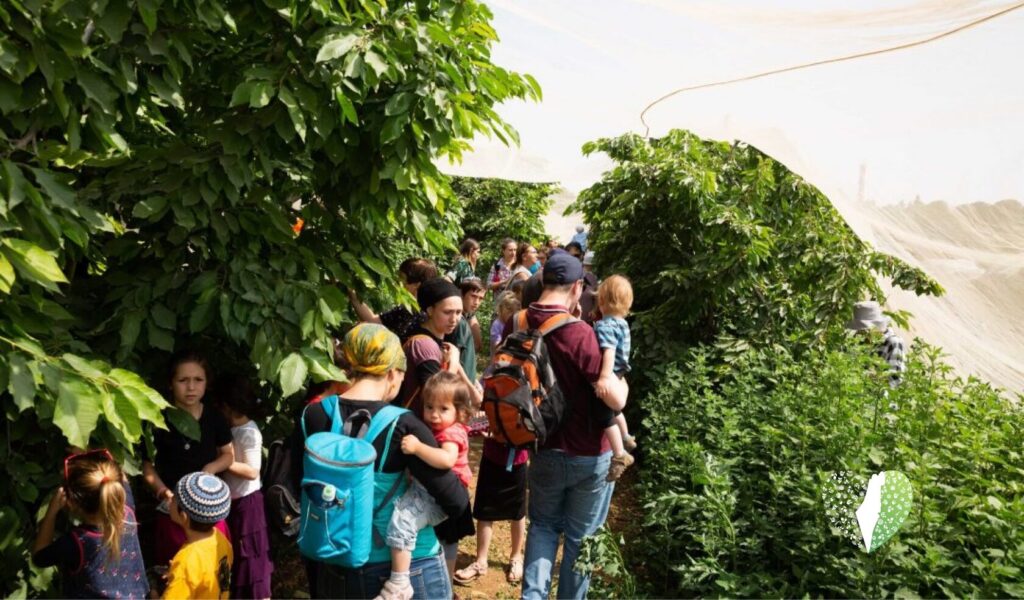
People enjoying cherry picking at the festival

Thousands Enjoy Cherry Picking Festival in Judea

​ Nevertheless, the festival continued and hundreds of families and took the opportunity to enjoy a healthy, natural and fun day out. Visitors were told that it was an “all you can eat” affair, and that they could take home baskets of fruit for a modest fee. ​ Many took the opportunity to “self-harvest” and filled their baskets with ripe, juicy cherries in the Kibbutz Rosh Tzurim orchards. Tourists came from all over Israel, young and old, religious and secular, to take part in the colorful event which included music, a farmers’ market, tasting stations with dishes prepared by the...
Show more

Shabbat Shalom from Bat Ayin

Bat Ayin is located approximately twenty-five kilometers south of Jerusalem, in the area of Judea known as Gush Etzion (or Eztion Block in English). All of the communities of Gush Etzion are adjacent or connected to a road called Derech Avot (road of the fathers). This road, which still exists, gets its name from the fact that it is the road that all of the Jewish patriarchs traveled while they resided in Israel. Bat Ayin was established by seven families led by Rabbi Yitzchak Ginsburg in 1989, on land originally purchased by Jews before 1948, which, under Jordanian rule until 1967, was treated as “enemy property”. Bat Ayin is located within the jurisdiction of the Gush Etzion Regional Council. In 2015 it had a population of 1,226. The city is located in the portion of Israel that was designated for the tribe of Yehudah (Juda). Bat Ayin is also the home of many of our producers! Some of our recent packages contained products from Shlomit Cohen and Elisheva Shira. In fact, Shlomit has an amazing product coming in this month’s package from Lev Haolam.
Show more

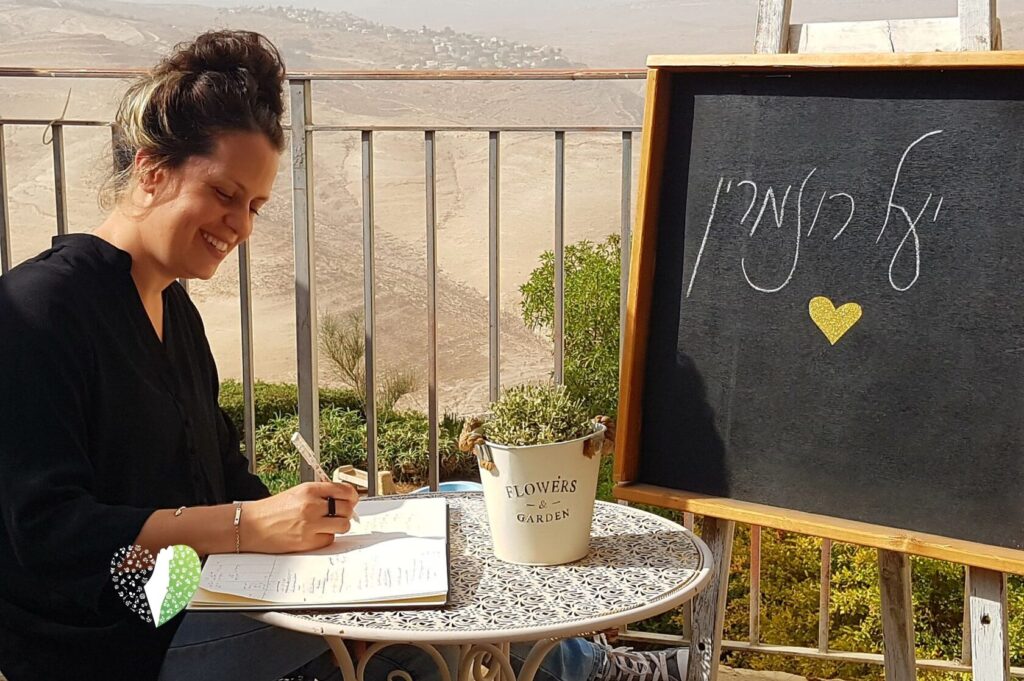
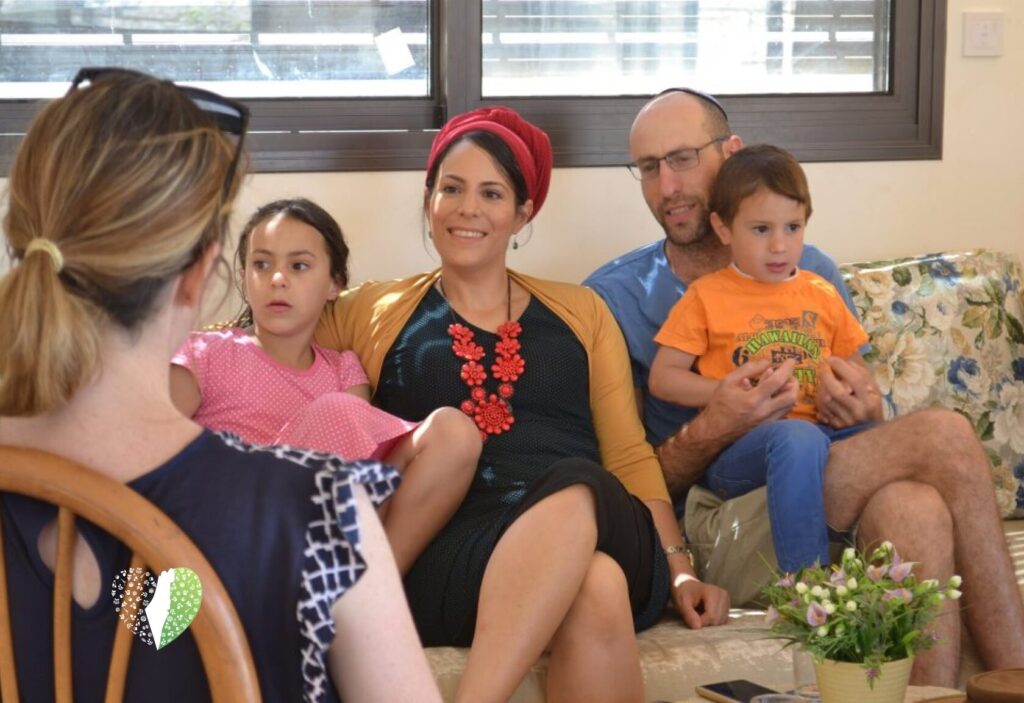
EXCLUSIVE: Fashion With A View, The Story of Yael Rozmarin

We recently drove out to the beautiful neighborhood of Nofei Prat- located in the community of Kfar Adumim - to interview Yael Rozmarin, one of the producers for Lev Haolam’s Surprise Monthly Package Project. Upon entering Yael’s studio it became apparent that we were meeting with a sweet, warm woman. Given her calm demeanor, you wouldn’t realize that Yael had three children and ran her own studio on meeting her for the first time. We learned over the course of the interview, the quiet and serene lifestyle that Kfar Adumim provides its residents was one of the most influential reasons she and her husband chose to live there. Yael told us that before she lived in Kfar Adumim, she and her husband lived in Jerusalem - Yael is actually a 9th generation Jerusalemite! Yael and her husband, Boaz, were childhood sweethearts. Apparently, they knew one another since early childhood and began to date each other at a very young age. Luckily, it lasted and they got married and started their own family. After Yael and Boaz had Itamar, their first child, they looked for the ideal community to settle their family. They were looking for something quiet and quaint. After coming across the community of Kfar Adumim on a real estate website, Yael read that there was a beautiful subcommunity just up the road from the main part of Kfar Adumim called Nofei Prat. She decided to look into this suggestion. After visiting the neighborhood of Nofei Prat and the community of Kfar Adumim, which is located just north of Jerusalem, they decided that the community was just right for their small family. “We saw this apartment with an amazing view, and we decided to take it,” Yael said. Yael recalls, “after being here for 2 weeks, my son , began to say words like bird, dog and sky. When we in Jerusalem, his first words were car, bus and train. It’s amazing how the environment inspires speech in such a way… this is a place that kids should grow up in.” Yael continued to tell us how much she loves her community. “I live in an amazing place with an amazing community. Besides the views and everything else, the people here really makes the place. Everyone accepts one another which is so amazing. We live in a mixed community, with a mixture of religious and secular people.” In addition to the community being a great place to raise her children, the quiet surroundings and great views serve as constant inspiration for Yael’s work. She has now been at her studio, which is located near her home, for three-and-a-half years. “The environment brings me inspiration. is part of my design. My design is classic, very clean and without a lot of decorations and pieces to it,” Yael says about her studio and the surrounding views. “When you wake up and this is what you see, then you can be more calm and at peace with your thoughts, your designs and sketches,” Yael concludes. In an aside, Yael tells us she can see mountain goats wandering outside. We knowingly smile, as Yael’s name actually means mountain goat. I asked Yael about when she first knew that she wanted to be a fashion designer. She started by telling us the story of her first big sale. Yael was about 15 years old at the time and she really wanted to go skydiving. She would only be able to legally go skydiving at sixteen. Her strong desire to go skydiving gave her the motivation start working and earn money while doing something she enjoyed. She set out on her first job. “I always knew I would do something with my hands. I always liked working with my hands, drawing building…” Yael said. “ I took some wood from sheets and I cut it into pieces and then I took it and made it into a ring and drew on the wood. I then made small cuts on the wood using a bath sponge. I went to the flea market and sold it there for 20 shekel . They sold like crazy,” Yael said. “Then I sold it at my school, I studied at an art school. Then the rings caught the attention of a store owner and he bought something like 50 rings. It was crazy.” “And after a few months I went skydiving with a bunch of 20 shekel bills,” Yael said while we laughed at the funny scene of her handing the vendor a thousand shekels worth of money in 20 shekel bills. “And that was my first job ever,” Yael concluded. I asked Yael if her success was connected to her love for her profession. She said, “I think that if you love something, then you’ll be good at it.” (13:45) Yael then continued to give us her more formal design background. “I studied industrial design at the Shenkar school of design. In my second year there, I started sewing things for myself. And then friends started asking me to make them various things for them too. And then after a few months in my third year, I decided I couldn’t do it myself anymore. I used to sew at night and then I would go into school in the morning. And then I decided that I was pregnant and at the time was too much - to be in school and to open a business. I then sent it to a place that made the cuts for me. And this was like a big deal for me. And I think that’s when the business really took off. Once I could let someone else do the sewing, I had the opportunity to focus more on the design.” I asked Yael if her parents had anything to do with her career choice. She said, “yes, my Father’s hobby is woodworking. Just a hobby. we had a small woodworking workshop in our home. My Mom ran a nursery. So, we used to make things for my Mom’s nursery. When I wanted a desk and I would ask my Father for it, he would say, OK, draw for me what you want and I will build it for you. And that’s what we did. We drew it, we measured the different sizes. At first I would sketch the outline for the furniture, but later we would also sand the wood. And today, my sons help me to take measurements and to sand the wood with me.” Yael then pointed to a work desk that her Father had built and that she used in her studio today, many years later. I asked Yael about to tell us about the shawl in this month’s package. Her response was beautiful. “I was pregnant with my third baby when I made this shawl, her name is Ori and this shawl’s name is Ori also. When you’re pregnant you’re not sure how you’ll look and what you’ll wear after, and so I wanted to make sure that I would have what to wear after and for the last days . I always say that it’s better to buy things, like jewelry or scarves or tops and that’s how I thought of this shawl. And I made it out of a variety of fabrics. It can be used in the Summer and during the Spring. I made it and I called it Ori. The names of the dresses and shirts were all names that could be the name of my baby. It was like a test. And so I named this shawl Ori since I liked this one the most and I hope you will enjoy it.” In concluding our interview, Yael wanted us to thank Lev Haolam and all of our subscribers for their support. “First of all, I love working with Lev Haolam. It is a big support for me and my studio. It’s great exposure for my studio and I find it amazing that people from all over the world believe in us and want to support us. It’s really great to have such support and I’m so glad that I met you,” Yael said emphatically.
Show more

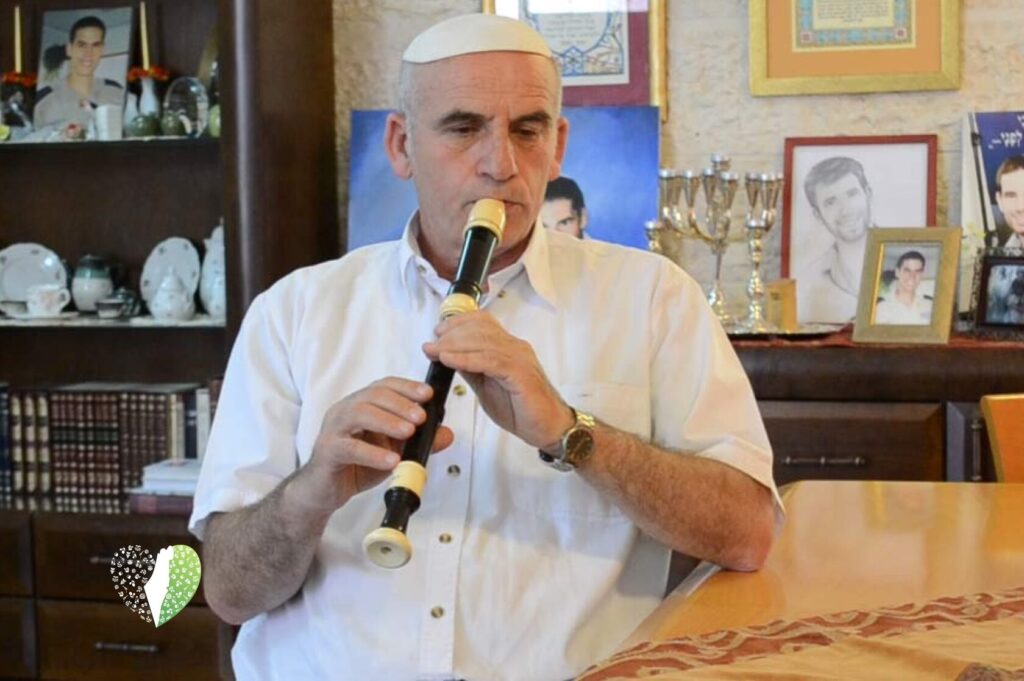
EXCLUSIVE: The Sounds of Silence, The Story of Eliezer Rosenfeld

On a warm Thursday morning, the Lev Haolam team drove through the mountains of Samaria to a small community called Kohav Hashahar. It was there that we had planned to meet and interview Eliezer Rosenfeld, a musician and producer for Lev Haolam’s Surprise Monthly Package Project. Unbeknownst to us, Eliezer had much more in store for us than a simple interview. After we began the interview, Eliezer drew us into his story, painting his memories with words. As he started to tell us about his life, we were no longer sitting on his couch in Kohav Hashahar, but instead were taken through space and time to his childhood home in Jerusalem. We observed two children playing in war trenches. It was before the Six-Day War, on a street bordering what was then Jordan. The younger child, Eliezer, and the older one, Yitzhak, were very busy at play. Their tunnels transforming into secret passages to a magical kingdom and the barbed-wire lining the border becomes the waves of the sea. The game abruptly stops when their mother calls them for dinner. It is a hot summer evening and everyone is sitting around a small table. It is crowded but no one seems to care and instead they all enjoy a tasty meal. Fast forward just a few months and we are now in a synagogue. It is Yom Kippur, the Biblical day of Judgment. All the men are wearing their prayer shawls, praying and fasting. The chazzan, cantor, is in the midst of a wonderful song, an old tune he learned in the old country, before the Holocaust. He suddenly stops for a moment and looks around for his son, Eliezer. He gently gestures to Eliezer to step forward to the platform before the Torah scrolls, and then points to a passage in a prayer book and continues singing. Eliezer joins him in song, first quietly until the words find their way out. Together with his father they sing the unforgotten songs of Slovakian Jewry. “It was very important to my father that I learn how to sing. Starting from the age of 4 he taught me the near-lost folklore of his community in Europe and when I was only 5, I was already standing by his side in the synagogue while he chanted the High Holiday prayers”. Song was always an important part of Eliezer’s family. As a young adult in high school, Eliezer and his brother, Yitzhak, enjoyed the weekly tish that took place every Thursday night in their high school. A tish which literally translates a table refers to a Jewish social event at which the participants sit around a table, sing Jewish songs and share different stories from Jewish folklore. “We sat around the table and sang until it was midnight,” reminisced Eliezer. “Singing was everything for me, but at the same time I had another dream; I wanted to learn how to play the clarinet. I once heard a clarinet and fell in love with the instrument, but I couldn’t ask my parents to buy it for me because I knew they couldn’t afford it. My brother Yitzhak had a different dream. He wanted to become an army commander, so he signed up for a Hesder program, which combines Jewish Yeshiva studies and army service. I followed him to his Yeshiva in Maalot, and again, we were singing together. But unfortunately, our duet was short-lived and ended with one heart-breaking phone call.” “It was 11 O’clock on a Wednesday morning. My studies were interrupted suddenly, and I was called to the payphone next to another student. On the other end I heard the trembling voice of my father, telling me that Yitzhak was killed during his army service. This was the first time I met the Angel of Death. The singing, the dancing and the joy disappeared at once and I felt like I was endlessly falling. While I was deep in grief, a small voice inside called me to go fulfill an old dream. I gathered my strength and went to a musical instrument store to purchase a clarinet. At first, the instrument wasn’t so promising. It took me a long time to get a sound out of the clarinet. I understood that I had a long way ahead of me.” Slowly, Eliezer taught himself how to play the notes and connect them. He moved back to live near his parents and started learning at the Yeshiva (advanced Jewish seminary for Torah study) of the Western Wall. “It was there that it happened for the first time. Suddenly, people started asking me to play at their events and weddings. Life started drawing me back, returning the happiness, while at the same time realizing that the grief had settled in my heart and had became a part of me.” “I felt how the music was curing me, as if it was the hand of G-d that guided me and brought me back to life. Since then, thank G- d, I have played at thousands of weddings and other joyous events. It is a great privilege to be a part of people’s happiest moments in life,” Elizer added. Eliezer joined the army, following in his brother’s footsteps, but his father asked him not to draft to a combat unit and he respected his father’s wish. During his service he met his wife to be, was married soon after and two years after his brother’s death, Eliezer and his wife gave birth to a son Yitzhaki. Yitzhaki was named after Eliezer’s fallen brother. After the birth of their son, Eliezer and his wife started looking for a new place to live. Both of them were idealists and dreamt to start a new Jewish community. This is how they arrived at Kohav Hashahar (literally translated as ‘The morning star’), a picturesque little village between the biblical cities of Samaria and Jericho. Eliezer started working the land, planting vines and cultivating them. “It was difficult physical labor; I worked 18 hours a day,” Eliezer recalls. But, like before, the music drew him back. After taking time to further his musical studies, his musical ensemble started gaining a lot of popularity. “My favorite instrument is the recorder and I get teased about it frequently by fellow musicians, but I don’t mind. I think it is a very spiritual instrument.” You wouldn’t be able to tell from Eliezer’s great enthusiasm about music and life that he went through great tragedies and grief, more than once. His beloved son Yitzhaki, who was named after his fallen uncle, was a bright young boy with a brilliant future ahead of him. He joined the army and passed the prestigious air force course, becoming a pilot. During a vacation from the army, Yitzhaki and some friends went for a hike in the south of Israel but the weather turned grim very fast and before having enough time to respond, they were caught in a flood. Their jeep rolled over and began drifting with the current. Both, Yitzhaki and his friend managed to escape the car and tried to reach dry land. His friend made it, but unfortunately Yitzhaki didn’t. “It was such a great loss that I can’t even put it into words, and grief brought a long series of unanswered questions. After his death, we discovered that both my brother Yitzhak and my son Yitzhaki lived the same number of days, which was 8055…. Every day I pray for G-d to give me strength to continue.” At the time of Yitzhaki’s passing, Elizer’s second son, Malachi, was 12 years old. Malachi was good with mathematics ever since he was a young and after he had served in the Israeli army, Malachi graduated from a tech-based university. Every Saturday night Malachi and his father Eliezer would enjoy playing basketball, one of their favorite sports. Every year there was a local basketball tournament in which Malachi took part. A little over a year ago, after one of the games ended, Malachi and his teammates were driving on their way home when a group of Arab terrorists blocked and ambushed the car. The terrorists shot 19 bullets at the car. Malachi was critically injured and passed away a few hours later. “During Malachi’s funeral, when I ran out of words, I started singing. I sang a song about the great tragedy of the Holocaust, when G- d’s presence was less apparent to the many who suffered. I don’t think I have the right to stop playing music and singing even if the pain is so great. We don’t have any anger in us, only questions. Why did it happen to us twice? We know that better days are going to come. Our great consolation is that we gave everything we could to our beloved sons, and we received back everything they could give us,” Eliezer faithfully tells us. At this point in the interview, Eliezer brings out an album that is filled with letters to him, all of them from complete strangers. Some people just try to comfort him for his great loss, while others compliment him on his music and tell how it does wonders for them. There are letters from a nurse in a hospital, a mother of an autistic child and an ultra- orthodox man. All of them praise his tender, soulful tunes and comment about how his music makes them feel. “Every Friday I get a phone call from a Jew in Queens. He happened to be in Israel at the time of the terror attack that took Malachi’s life. This man also rushed to the hospital. There, he hugged me and prayed for Malachi. Ever since, he calls me to wish me a ‘good Shabbat’.” The new CD that was featured in Lev Haolam’s Surprise Monthly Package was Eliezer’s 11th Album and was dedicated to his son Malachi. He thanks us for our support. “Nowadays it is not financially worthwhile to make music discs, but I still do it, I must. Thank you for helping me cover my expenses.” Watch the impromptu performance that Eliezer was kind enough to give us during our visit below. When we Eliezer about why he still lives in Kohav Hashahar, he answers modestly: “We are normal and simple people. We believe it is our right to live here after the pogroms and troubles we went through . Unfortunately, our Arab neighbors don’t want us to exist.” At the end of our interview, Eliezer asked us to pass a message on to the supporters of Lev HaOlam. He would like to invite you to visit Israel, as guests at his house. “I want to hug them and thank them for them for their encouragement.”
Show more
Scenic view of Samaria's rolling hills and valleys

EXCLUSIVE: From Judea to the Golan Heights to Samaria: The Journey of Boaz Netanel

​ Boaz with 3 of his children In Alonei Habashan, Boaz was a part-time farmer and a high school teacher for teenagers with learning disabilities for 6 years. From Alonei Habashan, he and his family moved to Kibbutz Sde Eliyahu (a farm co-op), in the Jordan Valley. Boaz continued to teach Torah, only this time, to retired army veterans. “After 7 years in Sde Eliyahu I felt that I had enough ,” Boaz said. “I felt that I was doing so much talking, but was lacking in doing physical work. It was then that I began...
Show more
A jar of golden honey with a scenic mountain backdrop

Negohot Honey and A Sweet New Year From Lev Haolam

​ Hearing Baruch explain the choice for the name Negohot (established in 2006), we felt inspired and proud to be a part of what Negohot represented. The name Negohot comes from the Hebrew word Nogah, or “ray of light”. Negohot means “many rays of light” or as Baruch explained, Negohot are rays of light that have been filtered. Baruch explained that when choosing the name for the honey company, he wanted the world to be exposed to the community of Negohot and that he wanted his work to resemble a shining light to others; a light with which to showcase...
Show more
A panoramic view of Jerusalem's Old City at sunset

Must-See Places in Israel: Top Destinations to Travel, See, and Experience

Discover Israel’s Hidden Gems: From Ancient History and Diverse Cultures to Breathtaking Natural Beauty – Experience the Magic of This Remarkable Land ​ For those seeking an unforgettable adventure, Israel’s diverse landscapes provide endless opportunities for exploration. This guide will lead you through some of the most beautiful and essential places to visit, ensuring that your journey to Israel is not just a trip, but a deeply enriching experience that will stay with you long after you’ve left. Experience Jerusalem’s Ancient and Modern Wonders Jerusalem has always been associated with historical landmarks and spirituality, where traditional meets modern life. Each...
Show more
Tel Aviv skyline at sunset with modern buildings

Discover the Vibrant Pulse of Tel Aviv: A City of Innovation and Culture

Explore Tel Aviv’s dynamic blend of modernity and tradition, from its thriving tech scene to its bustling nightlife and rich cultural heritage. This city is a testament to Israel’s spirit and resilience. Exploring Tel Aviv: A City of Innovation, Culture, and Community ​ Tel Aviv is not just a city; it’s a living, breathing mosaic of experiences. From its thriving tech startups to its rich artistic scene, every corner of Tel Aviv tells a story. We’ve gathered insights and stories from some of the city’s most dynamic figures and places that embody the spirit of Tel Aviv. These stories reflect...
Show more
Scenic view of Judea and Samaria's rolling hills

The Hidden Gems of Judea and Samaria: A Journey Through History and Nature

Explore the breathtaking landscapes, ancient ruins, and vibrant culture of Judea and Samaria, where every corner tells a story and invites you to connect with the heart of Israel. The City of Hebron: A Historical Treasure ​ Hebron, one of the oldest cities in the world, is steeped in biblical significance. It is known as the burial place of the patriarchs and matriarchs, with the Tomb of the Patriarchs (Machpelah) serving as a focal point for visitors. Walking through the ancient streets of Hebron, you can feel the weight of history surrounding you. The city’s atmosphere is infused with stories...
Show more
A panoramic view of Mount Carmel's lush landscape

Mount Carmel: A Testament to Faith and Nature

Discover the spiritual, historical, and natural significance of Mount Carmel, a timeless site revered by various cultures and faiths for its beauty and enduring symbolism. Where the Pages of History Come to Life: Mount Carmel Mount Carmel stands as a timeless symbol of faith, culture, and resilience, representing more than just a geographical feature – it embodies the spirit of Israel itself. Revered as one of Israel’s most iconic landmarks, the mountain holds a profound place in biblical history, having witnessed key moments in the nation’s spiritual journey, particularly during the days of the prophet Elijah. Its towering heights and...
Show more
A tree in full bloom symbolizing renewal

Tu Bishvat: Honoring the New Year of Trees and Our Connection to Nature

Celebrate Tu Bishvat, the New Year of Trees, a beautiful Jewish tradition that honors nature, fosters environmental awareness and deepens our connection to the land, its roots, and its enduring vitality. From Ancient Orchards to Modern Renewal: The Story of Tu Bishvat Tu Bishvat, the “New Year for Trees,” originates from ancient Jewish agricultural traditions. Initially, it served a practical purpose, helping farmers track the agricultural cycle in Israel. It marked the time for tithing fruit trees and offering a portion of the harvest to the Temple as an act of gratitude. Over time, the holiday evolved from its agricultural...
Show more
Panoramic view of Jerusalem's Old City at sunset

Explore the Old City of Jerusalem: A Place of Sacred Significance

Discover Jerusalem’s Old City – a living monument to history and faith. Explore its sacred landmarks, diverse cultural heritage, and how its ancient streets tell the story of humanity’s deepest connections The Rich History Behind Jerusalem’s Ancient Walls The Old City of Jerusalem is one of the most historically significant places in the world, central to the Jewish, Christian, and Muslim faiths. Its origins date back over 3,000 years, starting as Jebus, a Canaanite settlement. Over the centuries, Jerusalem has grown into a cultural and spiritual crossroads, deeply shaping the political and religious history of the region. Its role in...
Show more
Ancient hills of Judea under a clear sky

Walking the Living Bible: Judea & Samaria

Walking the Living Bible: Judea & Samaria Where Prayers Still Echo The First Deed of Belonging In Hebron, Abraham purchased the Cave of Machpelah to bury Sarah – Israel’s first deed of land. That act was more than a burial; it was a declaration of belonging. Today, Hebron is once again alive with the sounds of Jewish children, echoing the days of the Patriarchs and Matriarchs. Families who live here carry forward the first footsteps of ownership written into the Bible. Ruth’s Faith and David’s Song In Bethlehem and the neighboring Gush Etzion, Ruth gleaned in the fields, binding her...
Show more
A panoramic view of Jerusalem's old city at sunset

Jerusalem in Literature — How Writers Captured the City’s Spirit

​ What is it that makes Jerusalem so alive – not just in reality, but in the world’s imagination? Perhaps it’s that here, memory and hope are never far apart. Jerusalem does not linger only in stone or skyline, but breathes through words, prayers, and stories that grow deeper each generation. 1. The Ancient Song – Jerusalem of Faith and Yearning Before Jerusalem became a destination for millions, it was a place of yearning – etched in the prayers and hearts of people scattered far from her gates. The Psalms, some of the oldest poetry in the world, made Jerusalem...
Show more
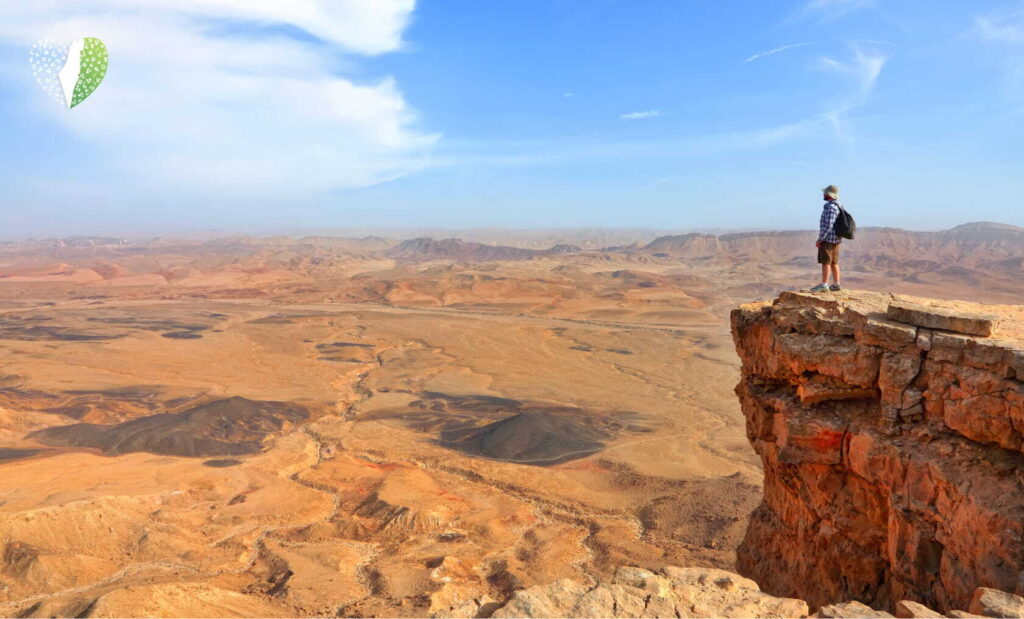
Vast Negev desert landscape under clear sky

The Negev: Israel’s Desert Heartland

The Desert at the Heart of Israel ​ The Negev covers more than half of Israel’s land. And yet, for generations, it remained one of the country’s most difficult regions to settle. Water was scarce. Summers were unforgiving. Communities existed far from major cities or trade centers. Still, people came. David crossed these desert regions while fleeing King Saul. Ancient Jewish communities traveled through them. Nabataean merchants built trade routes here connecting Africa, Arabia, and the Mediterranean world. Later, Zionist pioneers looked at the desert not as empty land, but as part of Israel’s future. David Ben-Gurion famously believed Israel’s...
Show more
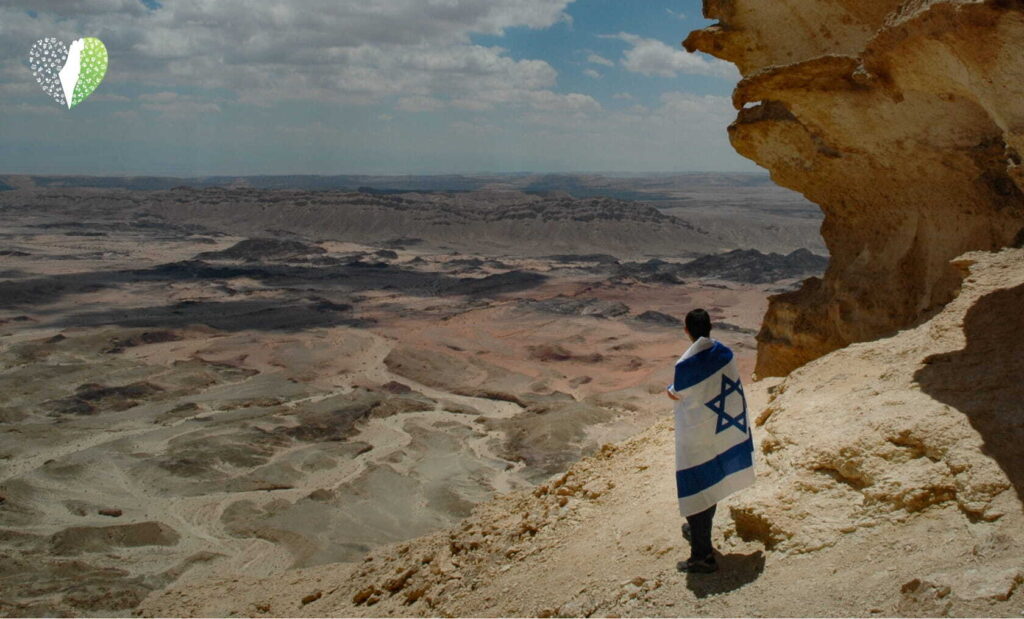
A family stands on a desert hill overlooking the vast Negev landscape

The Edge of the Desert — And the Families Who Chose to Build There

Discovering the Negev, where ancient landscapes and modern Israeli life meet A Desert Woven Into Israel’s Story For thousands of years, the Negev has been woven into the story of the Jewish people. Abraham journeyed here. Isaac reopened wells in this land after they had been buried. Ancient trade routes once crossed these same desert paths. And even today, there is something deeply spiritual about the Negev – something impossible to fully explain until you stand there yourself. The desert has a way of slowing everything down. It strips away distraction and replaces it with clarity, silence, and perspective. Maybe...
Show more
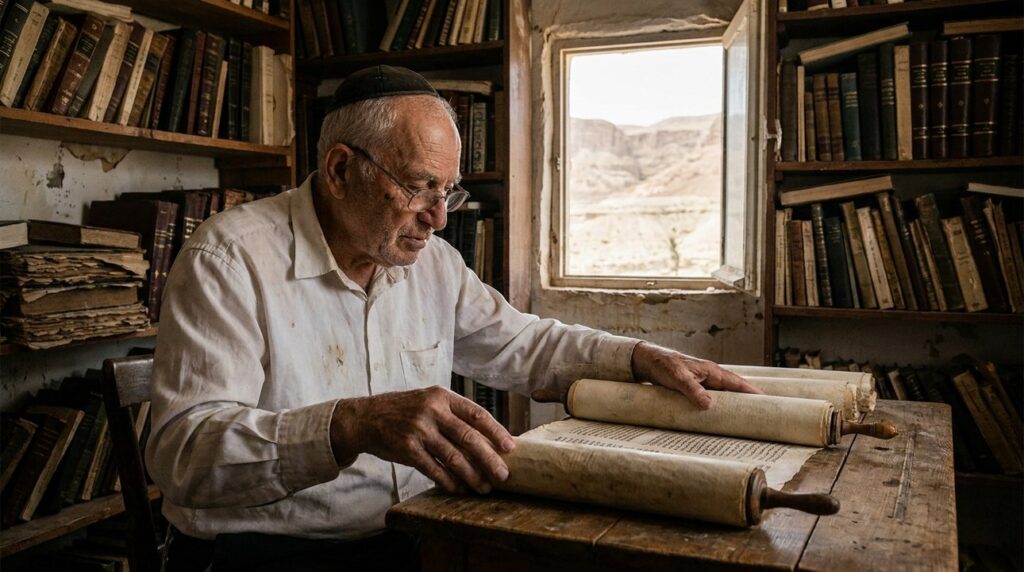
Elderly Jewish man examines ancient scrolls at a wooden table.

Exploring the Depths of the Dead Sea and Its Scrolls

The discovery of these ancient manuscripts has been pivotal in shaping our understanding of ancient Jewish life and beliefs. These texts, which include some of the oldest known copies of the Hebrew Bible, offer a rare glimpse into the religious and cultural practices of the time. As a result, this area has become a symbol of both historical discovery and spiritual exploration, drawing scholars and seekers alike to its shores. Join us on a journey to uncover these unique aspects and understand their meanings, enriching your connection to Israel’s geography and heritage. The Scrolls contain parts of the Hebrew Bible,...
Show more
Elderly Jewish man in kippah collecting salt at Dead Sea.

Understanding Dead Sea Salt: Edibility and Beyond

The high salt content of the Dead Sea creates stunning landscapes that have captivated visitors for centuries. The historical context adds depth, enhancing understanding of the region. This article delves into questions about the salt from this sea, particularly its safety for consumption. By exploring its unique properties and historical context, readers can gain a deeper understanding of this natural wonder and its significance. Introduction to the Dead Sea Renowned for its extreme salinity, about 10 times higher than conventional seawater, the Dead Sea is inhospitable for marine life. This high salt concentration leads to dramatic salt pillars along its...
Show more
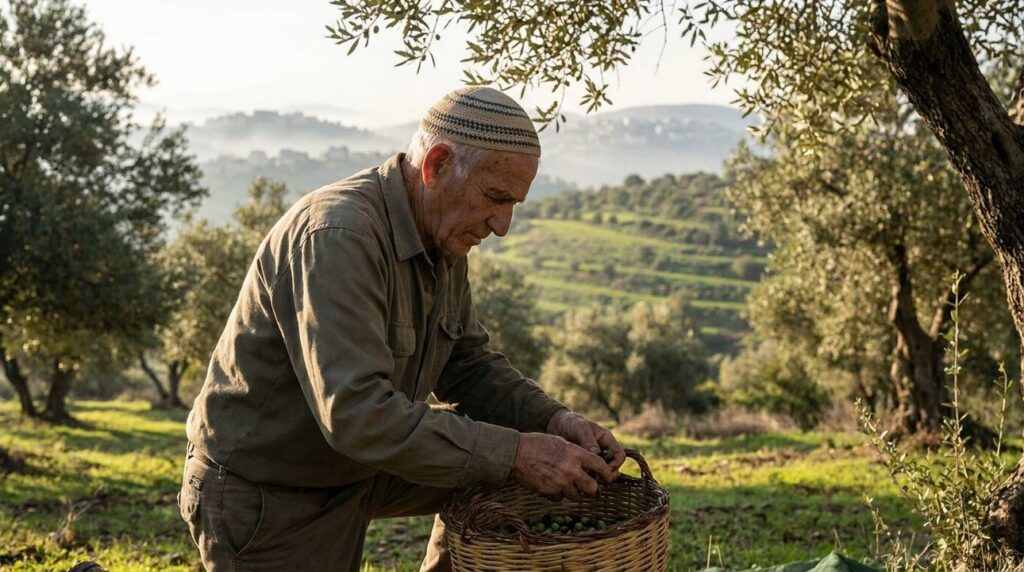
Elderly man in kippah harvesting olives in sunlit Galilee grove.

Discovering Galilee Today and Its Present Whereabouts

Tiberias, established in 20 CE by Herod Antipas, is one of the four holy cities in Judaism, alongside Jerusalem, Hebron, and Safed. The city is known for its hot springs, believed to have healing properties. Visitors can also explore the ancient town of Magdala, home to a first-century synagogue, providing a glimpse into the region’s rich spiritual heritage. Galilee’s diverse landscapes and historical significance make it a captivating destination for those seeking to connect with Israel’s heritage. Overview of Galilee Today Located in the northern part of Israel, Galilee remains one of the country’s most picturesque regions. Known for its...
Show more
Elderly Jewish man in kippah overlooking sunrise at Mount Moriah.

Discovering the Mountain Where Abraham Nearly Sacrificed Isaac

The Geographic Significance of Mount Moriah Today, Mount Moriah is traditionally identified with the Temple Mount area in Jerusalem. This site holds immense spiritual importance and is revered in Judaism as the location of the First and Second Temples. Its connection to Abraham’s journey adds historical depth to its already sacred status. This mountain is not only a physical landmark but also a symbol of unwavering faith and divine testing. While its exact historical location is a matter of scholarly debate, its association with the place where the Temple once stood affirms its central role in Jewish heritage. This sacred...
Show more
Bustling Nazareth street scene with shoppers, menorah, and kippas visible.

Discovering the Location of Nazareth Today

Nazareth’s unique position in the Galilee region makes it a focal point for those interested in exploring the cultural and historical narratives of Israel. Its blend of ancient history and contemporary life provides a rich context for understanding its significance. As we delve into Nazareth’s story, we will uncover the layers of history that have shaped this remarkable place. From its biblical associations to its modern-day role as a cultural hub, Nazareth offers a wealth of experiences for those who seek to connect with the region’s heritage. Where is Nazareth Located Today? Nazareth is situated in the northern district of...
Show more
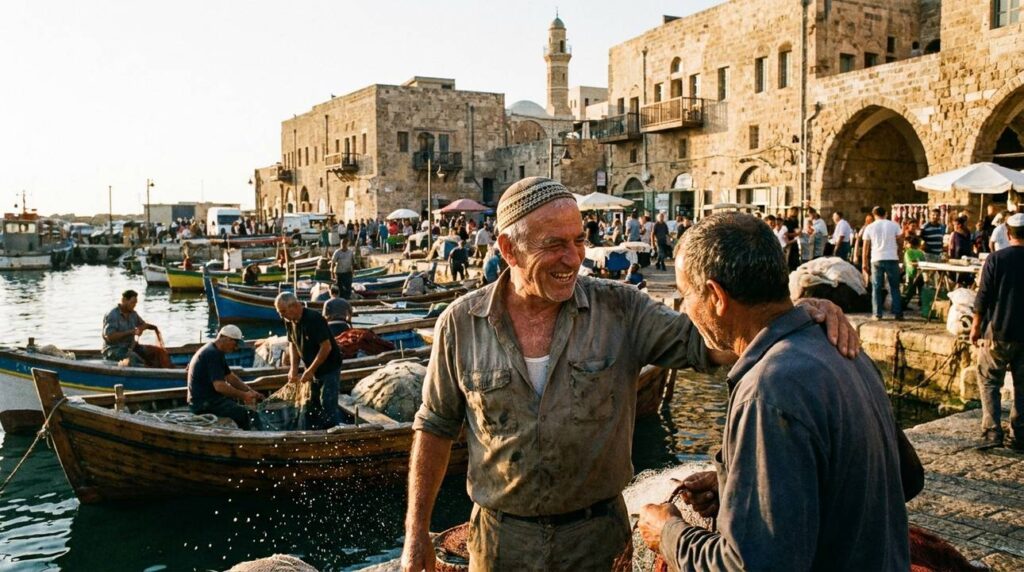
Fishermen prepare nets among wooden boats in ancient Jaffa Port.

Exploring the Charm and Heritage of Jaffa Port

The port’s strategic location has made it a focal point for various civilisations, including the Egyptians and the Phoenicians. Each of these cultures left its mark, contributing to the rich tapestry that defines Jaffa today. As you explore, you’ll find yourself walking through layers of history, each step revealing a new story. The Historical Significance of Jaffa Port Jaffa, one of the world’s oldest ports, has served as a vital entry point to the region for millennia. Throughout its history, it witnessed the arrival of pilgrims, traders, and conquerors alike. The Bible notes it as the port from which Jonah...
Show more
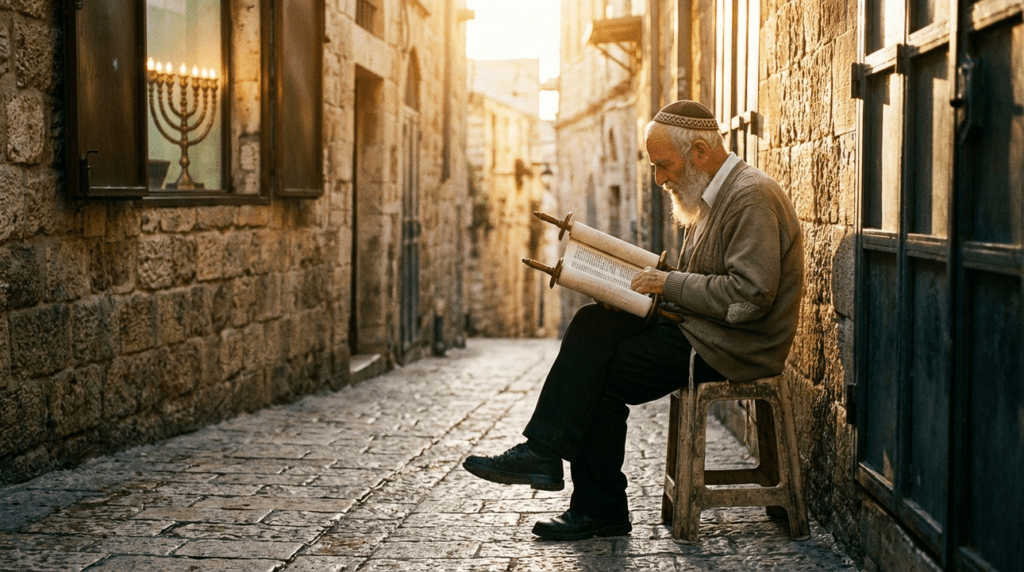
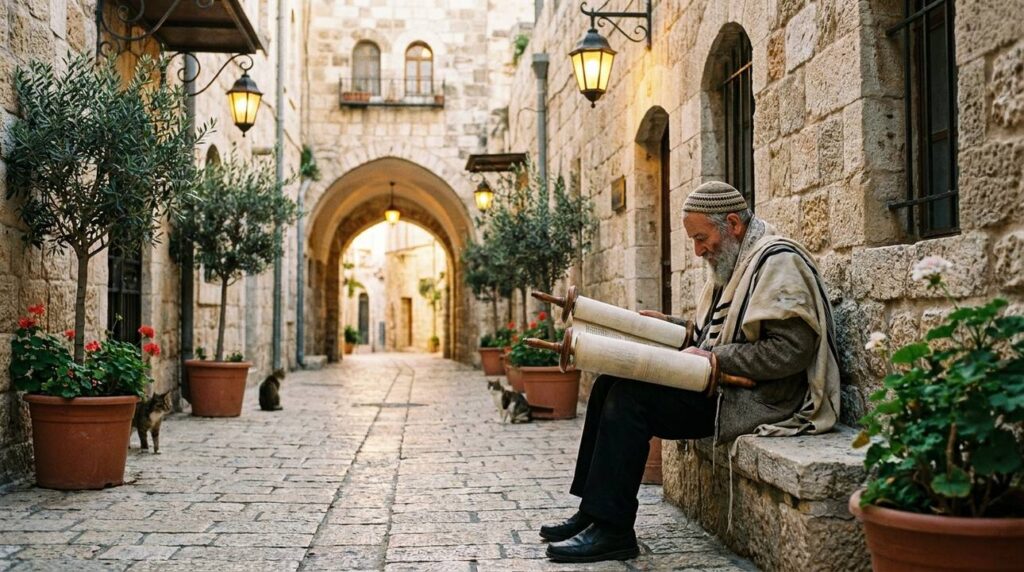
Elderly man in kippah reading Torah by stone synagogue in Jerusalem.

Understanding the Meaning of Yerushalayim

Yerushalayim has witnessed many historical events, from King David’s conquest around 1000 BCE to the Babylonian exile in 586 BCE. These events have left an indelible mark on its identity. The name Yerushalayim itself evokes a sense of reverence and longing, drawing people from all walks of life to its ancient streets. Its cultural and spiritual significance continues to inspire those who visit, offering a connection to a shared past and a hopeful future. The return from exile, as described in Ezra and Nehemiah, marks a period of rebuilding and renewal. The construction of the Second Temple, completed in 516...
Show more
Serene olive grove at dawn with menorah among dewy leaves.

Unveiling the Secrets of the Land of Edom

Where Is the Land of Edom? The Land of Edom stretches along the southeastern border of modern-day Jordan. It forms a natural continuation of the arid Negev Desert and sits adjacent to the Dead Sea. This geographical placement made Edom a pivotal area for trade routes in ancient times, such as the King’s Highway mentioned in Numbers 20:17. Edom’s proximity to significant biblical sites enhances its allure. The region is characterized by striking red sandstone formations and rugged mountains. Edom’s unique red terrain is often associated with its name, which some scholars believe means ‘red’ in Hebrew, connecting to Esau’s...
Show more
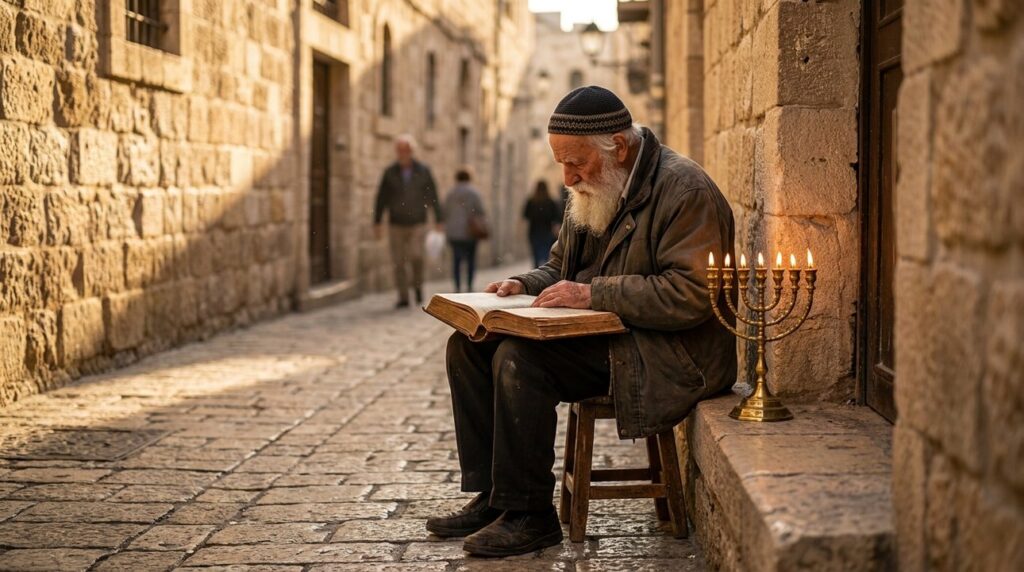
Elderly man reads ancient book by menorah in Jerusalem at dusk.

Exploring the Life and Legacy of King David

David’s journey from shepherd to king is a testament to his faith and leadership. His life story is not only a historical account but also a source of inspiration for those who value resilience and devotion. As we explore his life, we uncover the profound impact he had on Jerusalem and the enduring legacy he left for future generations. King David: From Shepherd to King King David’s story begins in Bethlehem. Anointed by the prophet Samuel, David’s journey from shepherd to king is a remarkable tale of faith and destiny. He first gains prominence by defeating Goliath, a giant Philistine...
Show more
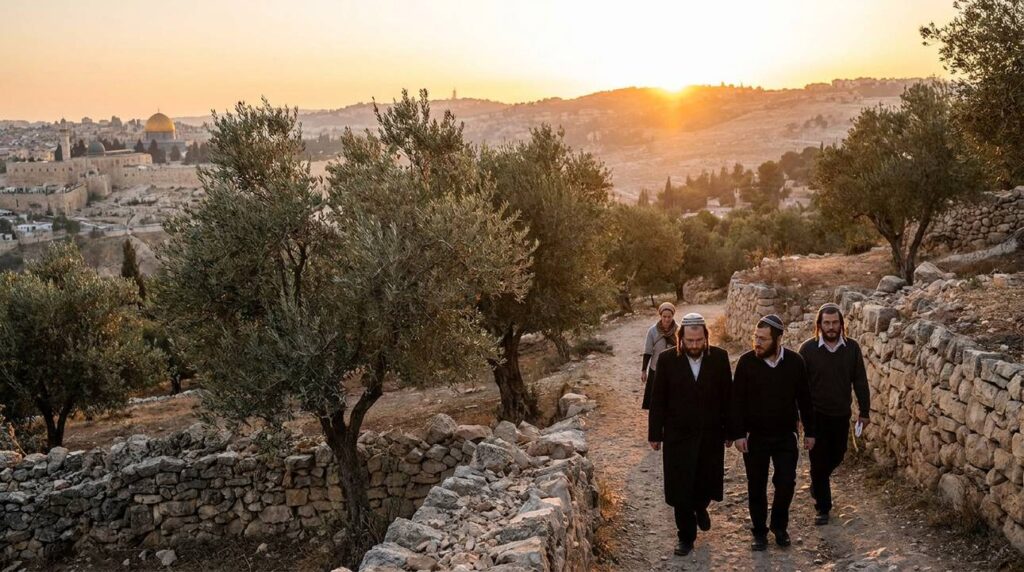
Old olive grove, stone walls, people walking, sunset over Jerusalem.

Discovering the Mountains of Jerusalem

The hills of Jerusalem have witnessed the footsteps of prophets and kings, each leaving their mark on the land. Mount Moriah, for example, is traditionally identified as the site of the binding of Isaac (Genesis 22:2), underscoring its spiritual significance. These elevations continue to be a source of inspiration and reflection, drawing visitors who seek to understand the rich tapestry of history and faith that defines Jerusalem. The hills and mountains have played a crucial role in the defense and development of Jerusalem, offering natural fortifications against invaders. The strategic importance of these elevations has been recognized throughout history, from...
Show more
Elderly man reads Torah in a sunlit Jerusalem alley.

Exploring Safety: Traveling to Jerusalem

Travelers are encouraged to explore historical sites like the Tower of David, which dates back to the 2nd century BCE. This ancient citadel offers panoramic views of the city and houses a museum detailing Jerusalem’s history. By preparing adequately, visitors can immerse themselves in the rich tapestry of Jerusalem’s past and present. Safety and cultural awareness go hand in hand in making the most of this unique destination. Understanding the historical context of sites like the Tower of David adds depth to your visit. The more informed you are, the more meaningful your exploration of Jerusalem’s storied past will be....
Show more
Morning market scene in Capernaum with locals trading in traditional attire.

Discovering Today’s Capernaum, Galilee, and Judah

When exploring Israel’s rich tapestry of history and culture, three names stand out: Capernaum, Galilee, and Judah. Each holds a unique place in ancient and modern narratives. Capernaum, mentioned in texts like the Book of Joshua, was a significant location in biblical times. Galilee, known for its lush landscapes, is referenced in the Torah and was the region where many pivotal events occurred. Judah, a powerful kingdom, is often mentioned in the Hebrew Bible, particularly in the books of Kings and Chronicles. This journey takes us through their past and present, revealing how these regions continue to shape the identity...
Show more
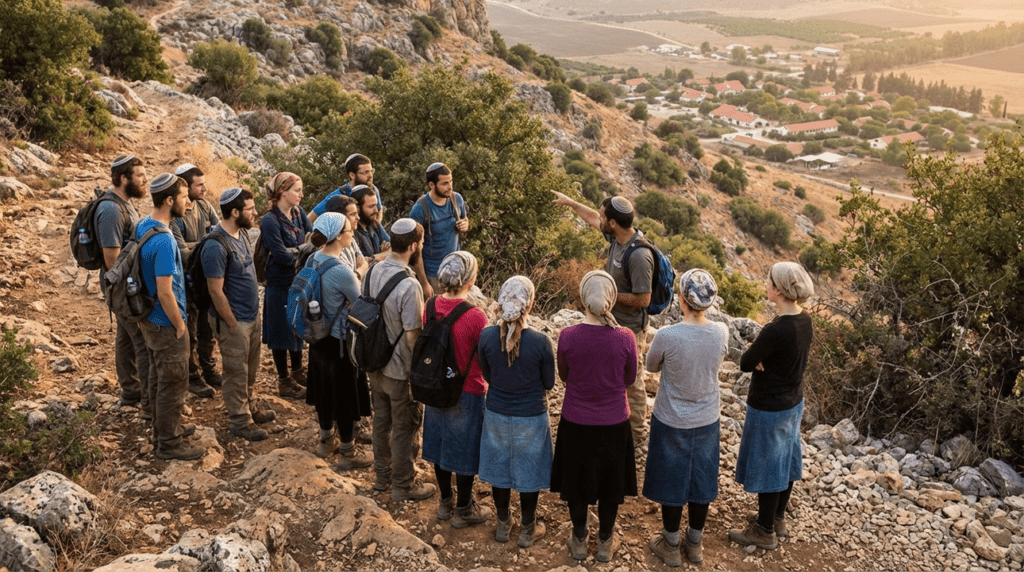
Group of hikers in culturally appropriate attire on Israeli mountain.

Exploring Israel’s Iconic Mountain

Israel’s landscape is dotted with historically significant mountains. Among these, one stands out for its profound impact on culture and history. Mount Carmel, for example, is famously associated with the prophet Elijah, as recounted in 1 Kings 18:19-40, where he challenged the prophets of Baal. Join us as we uncover the layers of history and cultural resonance that make this mountain a landmark of Israel. Israel’s mountains are more than just geographical features; they are deeply woven into the cultural and historical fabric of the nation. Stories such as that of the prophet Elijah, who famously confronted the prophets of...
Show more

See other categories

Stunning landscapes and vibrant culture of Israel
All About Israel
Ancient Places
Ancient scrolls and artifacts related to Biblical Studies
Biblical Studies
Hands holding a heart symbolizing support and community
Charity and Social Responsibility
Cities
Assorted Israeli dishes and beverages
Food and Beverages from Israel
Scenic view of Israeli landscape with traditional elements
General
Open Hebrew book with traditional script
Hebrew Language and Literature
Historic Places
We use cookies to provide the best site experience
Lev Haolam logo
Lev Haolam Facebook page Lev Haolam YouTube Follow Lev Haolam on Twitter Instagram Lev Haolam Lev Haolam Pinterest
© 2015 – 2026 Lev Haolam
Become a member Update my details
Contact Us
+972 23721384 +1 (531) 208 1263
Customer Support: 24/6 · Sun–Fri (till 4pm)

Closed on Shabbat hours & Israeli public holidays
support@levhaolam.com
Lev Haolam copyright
Lev Haolam World Ltd.
Luleem Business Center, Kfar
Etzion 9091200, Israel
Israeli Company Number: 515056927
Become a member Update my details
Privacy Policy Terms & Conditions AI Information About Lev Haolam
Mastercard payment for Israel gifts Visa card Maestro card American Express payment option PayPal – pay for your Israel box Secure payment for Israel boxes
© 2015 – 2026 Lev Haolam