
The Edge of the Desert — And the Families Who Chose to Build There
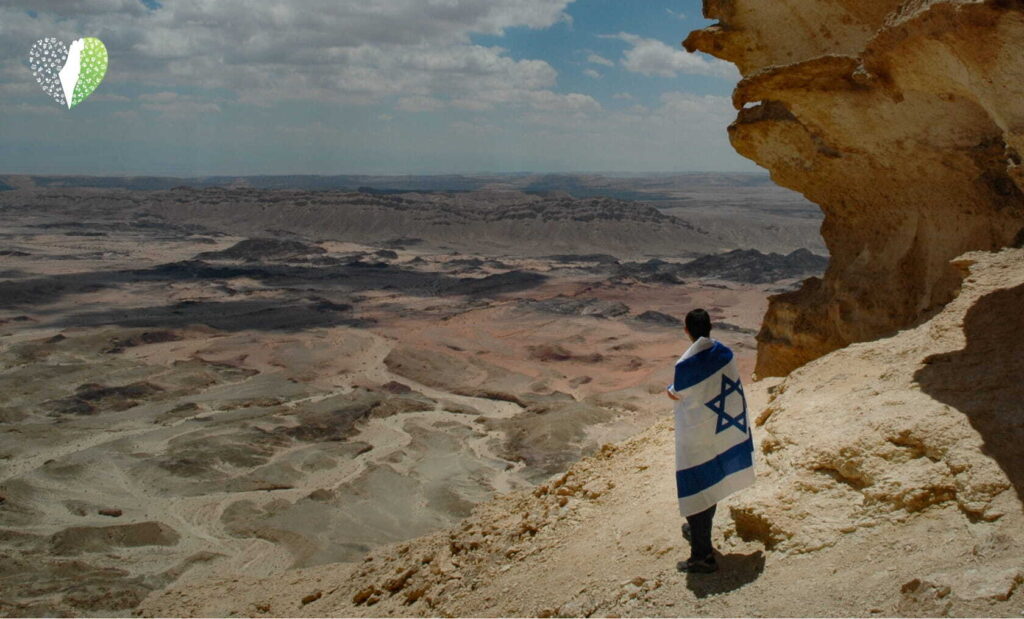

There is a moment that almost everyone experiences when driving into the Negev for the first time. The cities slowly disappear behind you. The roads stretch wider. The air becomes quieter. And suddenly, the landscape opens into something ancient – endless desert hills, dramatic cliffs, open skies, and valleys that seem untouched by time. At first glance, it can feel empty. But the Negev is anything but empty. It is filled with stories.
Discovering the Negev, where ancient landscapes and modern Israeli life meet
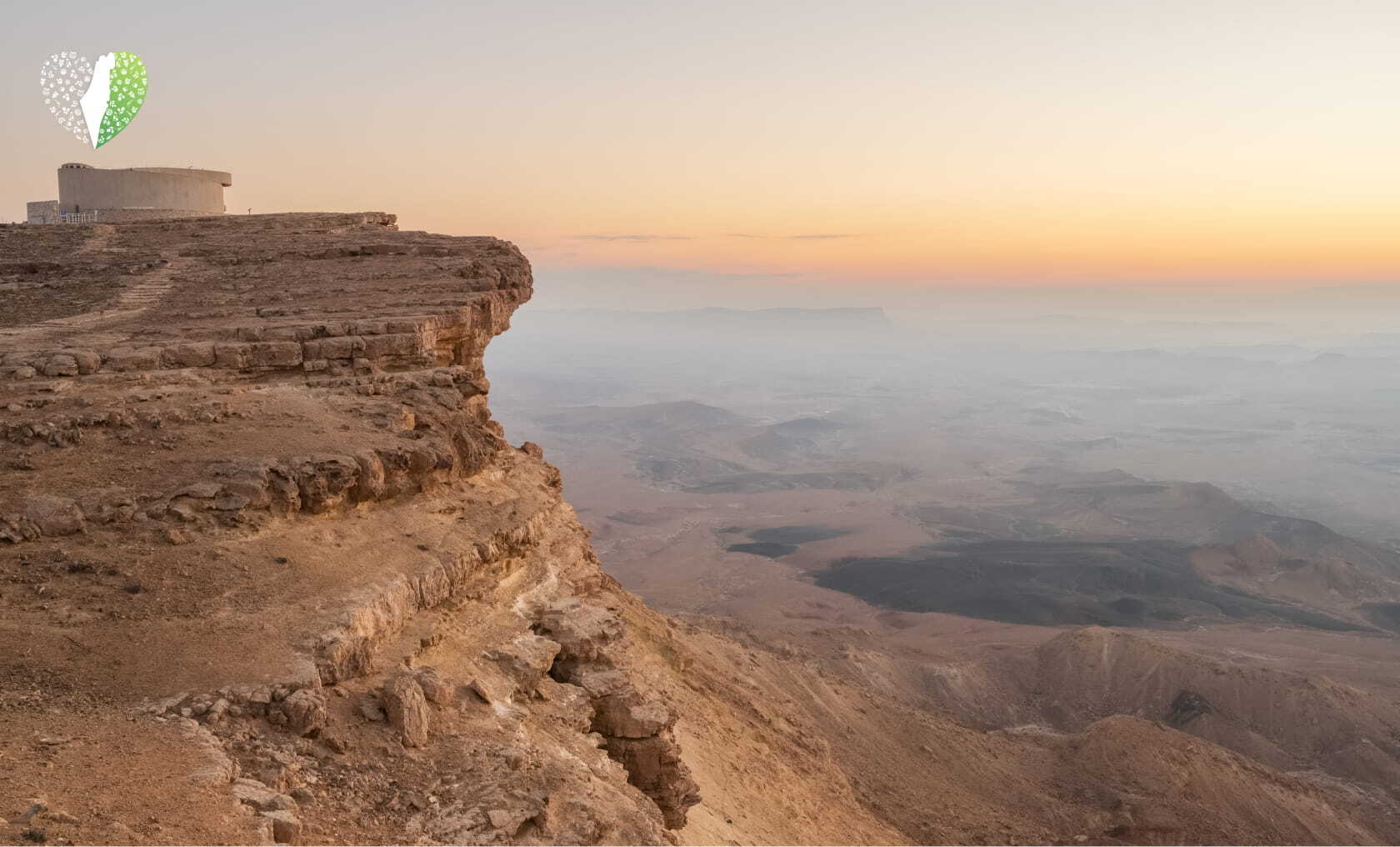
A Desert Woven Into Israel’s Story
For thousands of years, the Negev has been woven into the story of the Jewish people. Abraham journeyed here. Isaac reopened wells in this land after they had been buried. Ancient trade routes once crossed these same desert paths. And even today, there is something deeply spiritual about the Negev – something impossible to fully explain until you stand there yourself. The desert has a way of slowing everything down. It strips away distraction and replaces it with clarity, silence, and perspective. Maybe that is why the people who choose to live there tend to see life differently. Because building a life in the desert is never the easiest option. And yet, families continue choosing it. Not because it is convenient, but because they feel connected to the land and to the meaning behind living there.
Insider's Guide to Israel
and can't-miss places most tourists never find.

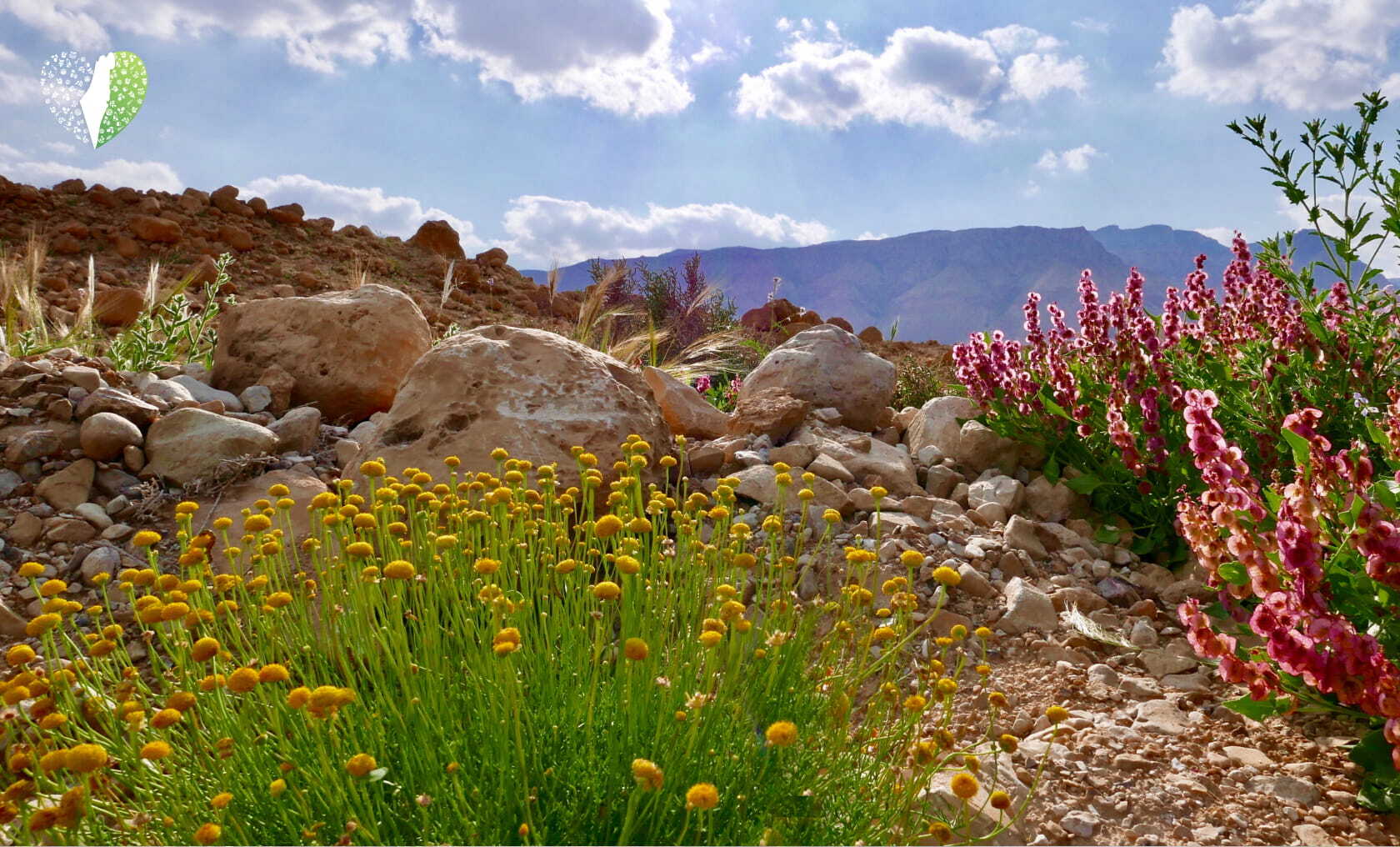
Where the Desert Still Blooms
That spirit can be felt all across the Negev today – in small farms hidden between desert roads, in vineyards growing against the odds, in artisan workshops, and in family businesses quietly creating beauty in one of the harshest landscapes in Israel. One of the most unique places in the region is
Mitzpe Ramon
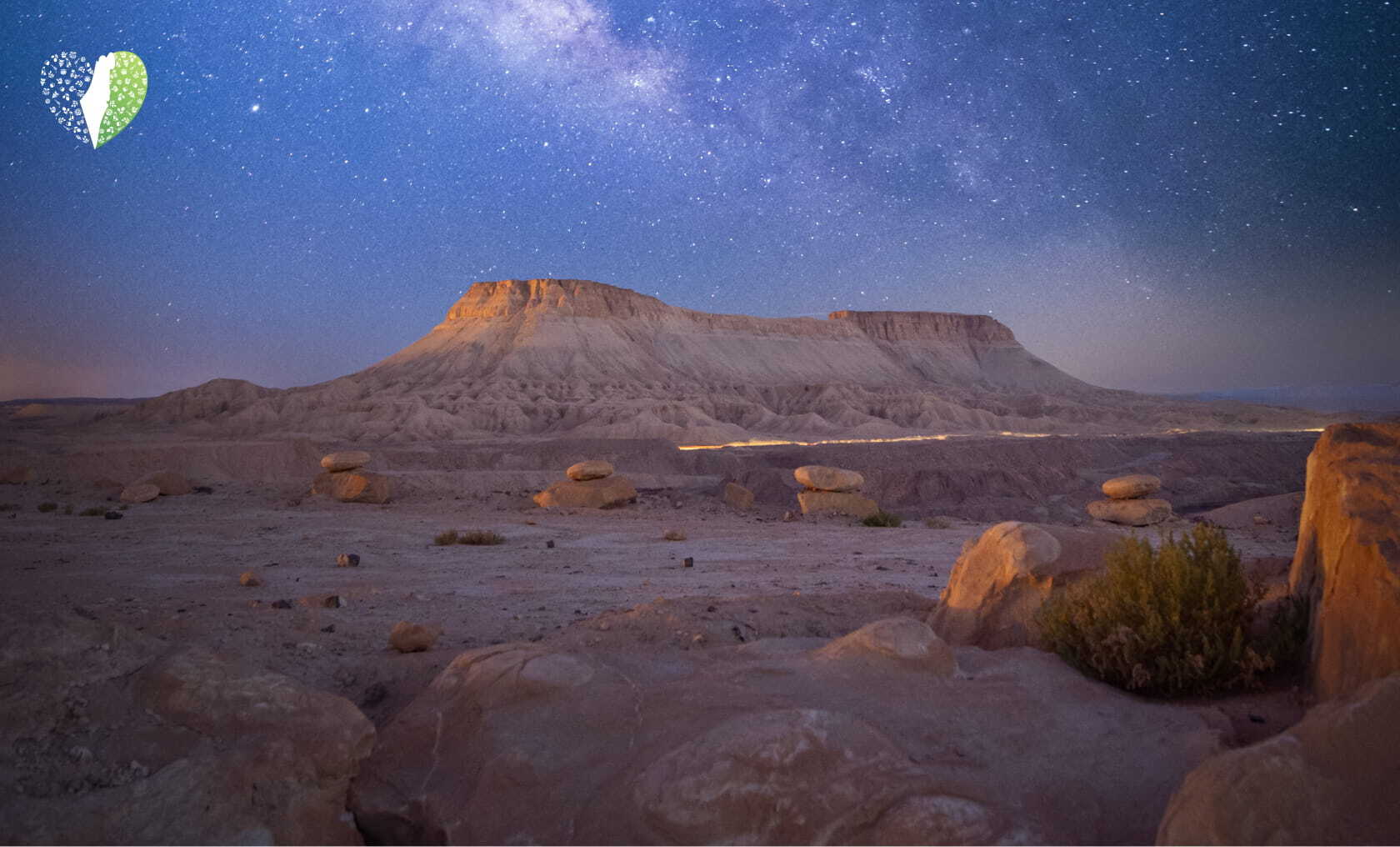
, a small desert town overlooking the breathtaking Ramon Crater. There is no place in Israel quite like it. The landscape feels almost otherworldly. During the day, the desert stretches endlessly in every direction beneath sharp sunlight and enormous skies. At night, the stars feel close enough to touch. But what makes Mitzpe Ramon truly special is not only the scenery. It is the people who chose to build their lives there.
The People Who Choose the Desert
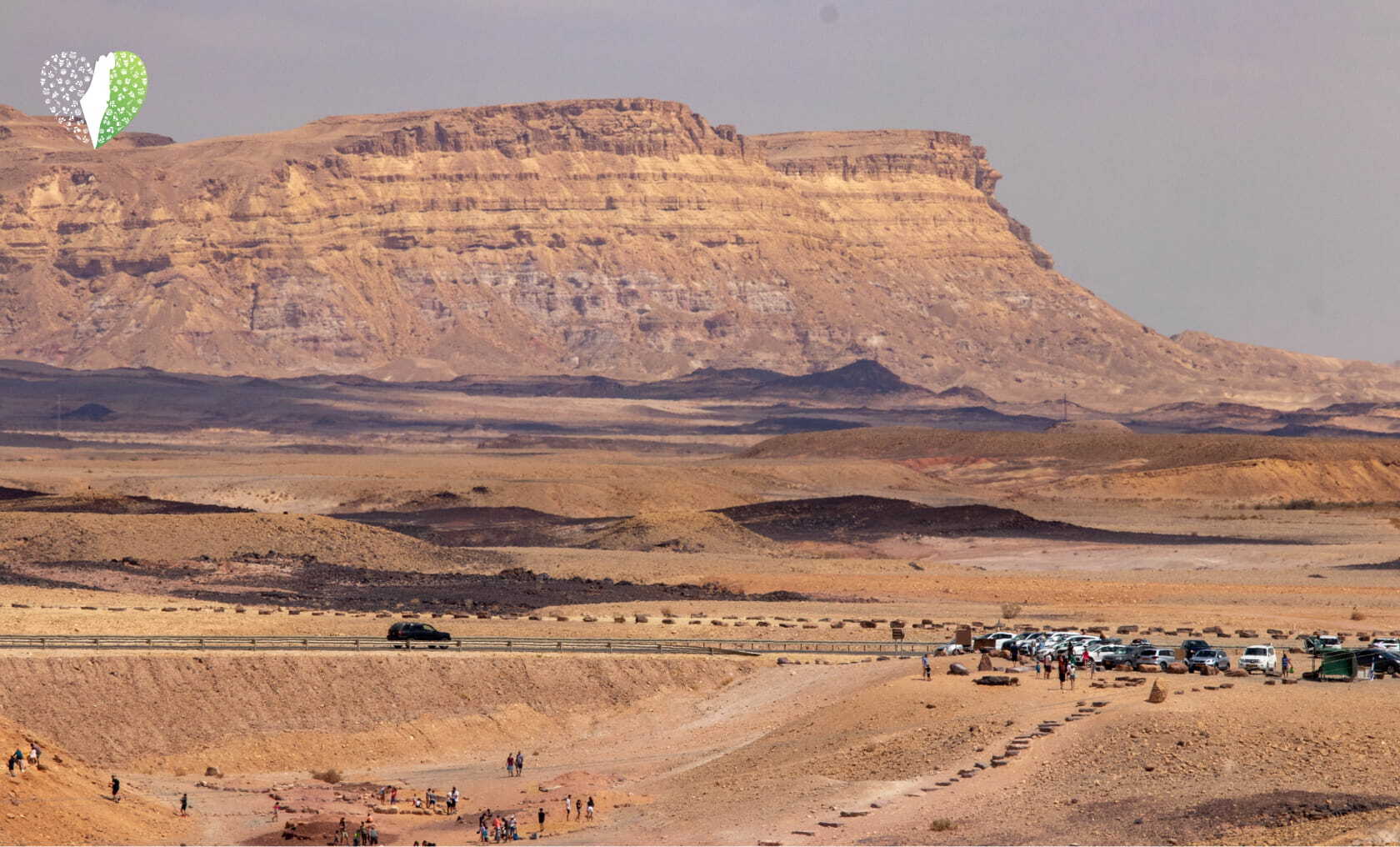
Over the years, Mitzpe Ramon has become home to artists, creators, farmers, and families searching for a slower, more intentional way of living. People come to the desert looking for space – physical space, emotional space, spiritual space – and many end up discovering a deeper connection to themselves, to nature, and to Israel itself. That connection can be felt in businesses like
Faran
Insider's Guide to Israel
and can't-miss places most tourists never find.
, a natural skincare company inspired by the plants and environment of the Negev desert. Their products are shaped by the same landscape that surrounds them – desert herbs, oils, and plants that survive intense heat, powerful sun, and little water. And somehow, despite those harsh conditions, they flourish. In many ways, the people living in the Negev are the same.
Building Beauty in Difficult Places
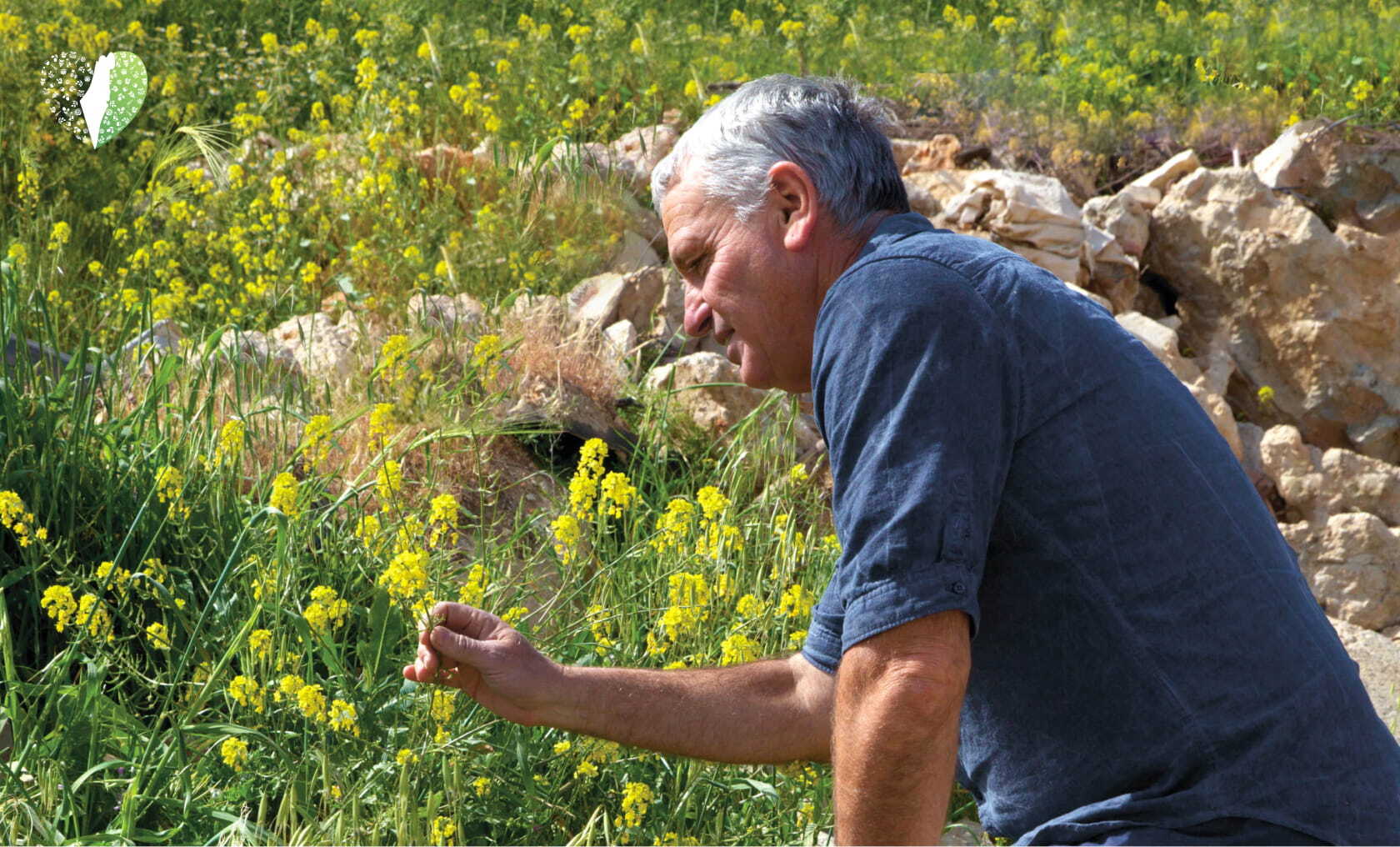
There is something remarkable about businesses in southern Israel. Many are not simply trying to sell products. They are trying to build meaningful lives. To raise families. To create community. To continue the story of developing the desert and helping life grow where many people assume nothing can survive. And during difficult times for Israel, that mission becomes even more meaningful. Life in the south is not always simple. Tourism slows during periods of instability. Businesses face uncertainty. Entire communities can suddenly find themselves under enormous pressure. Yet people continue building anyway. They continue planting. Creating. Producing. Believing in the future. That quiet resilience is part of what makes the Negev feel so powerful.
The Connection Inside the Box
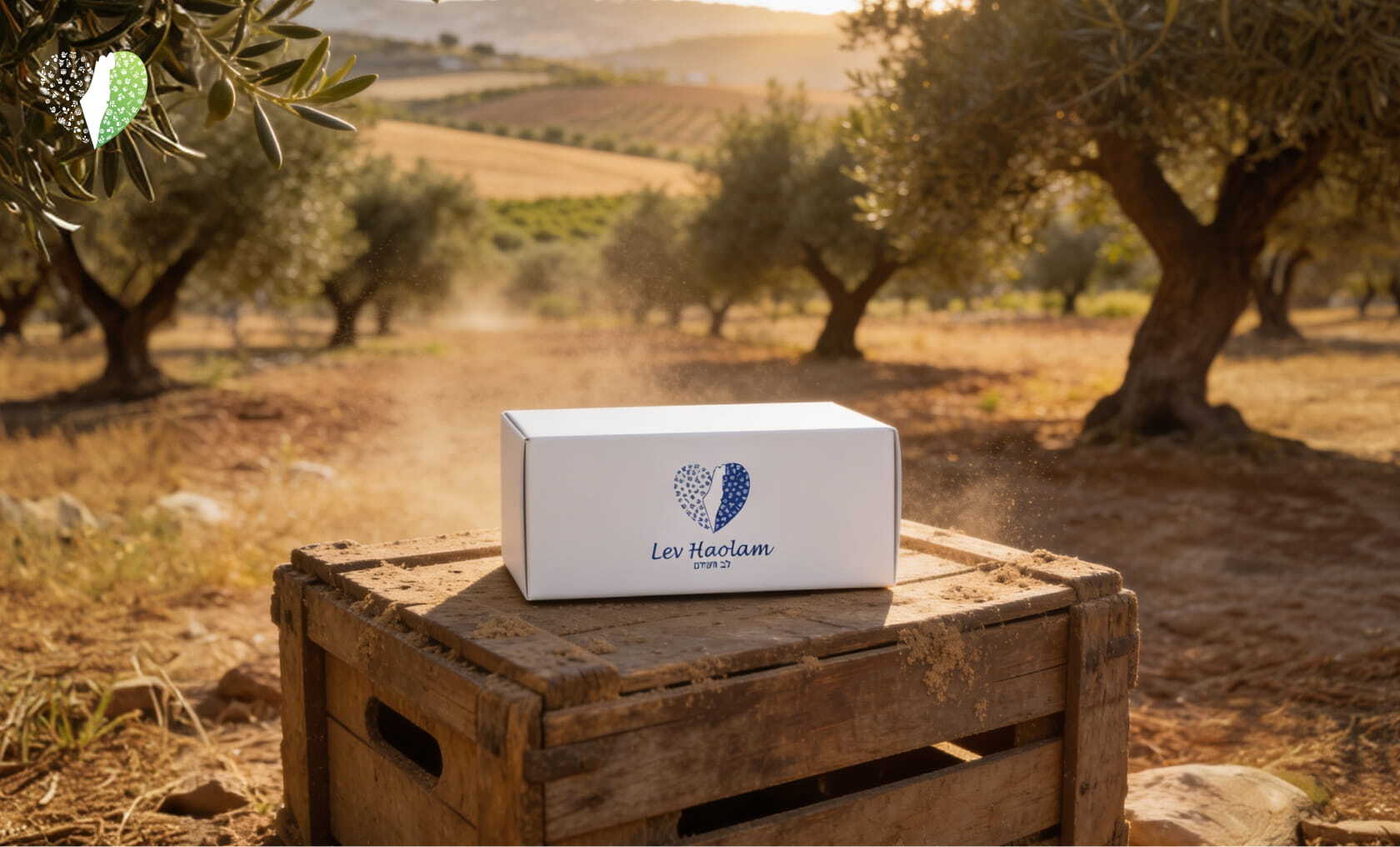
Through Lev Haolam, subscribers around the world are now becoming part of that story too. One of the most beautiful things about opening a Lev Haolam box is realizing that the products inside are not disconnected items arriving from some anonymous warehouse. They come from real places. Real landscapes. Real families. A soap made in Mitzpe Ramon suddenly becomes more than skincare. A spice blend inspired by desert herbs becomes connected to the hills and fields where it was grown. A product made in southern Israel begins carrying the story of the people who created it. And slowly, the Negev stops feeling far away. It becomes personal. That is what makes these boxes feel different. They do not only introduce you to products. They introduce you to places. To people. To the living story of Israel.
The Desert Is Still Being Written
There is a famous dream in Israel about “making the desert bloom.” But when you learn about the families living and building throughout the Negev, you realize something important: Not only through agriculture or development, but through people. Through families choosing to stay. Through communities continuing to grow. Through businesses continuing to create beauty and meaning in one of the most challenging – and most breathtaking – regions in the country. And every Lev Haolam box becomes part of that story. Every subscription helps support the people continuing to build life at the edge of the desert. People who wake up every morning surrounded by ancient landscapes and modern challenges – and continue choosing hope anyway. Because maybe that is the real lesson of the Negev:
Some of the strongest life grows in the hardest places.
