
Traditional Passover Egg Recipe
3 May 15:25
226
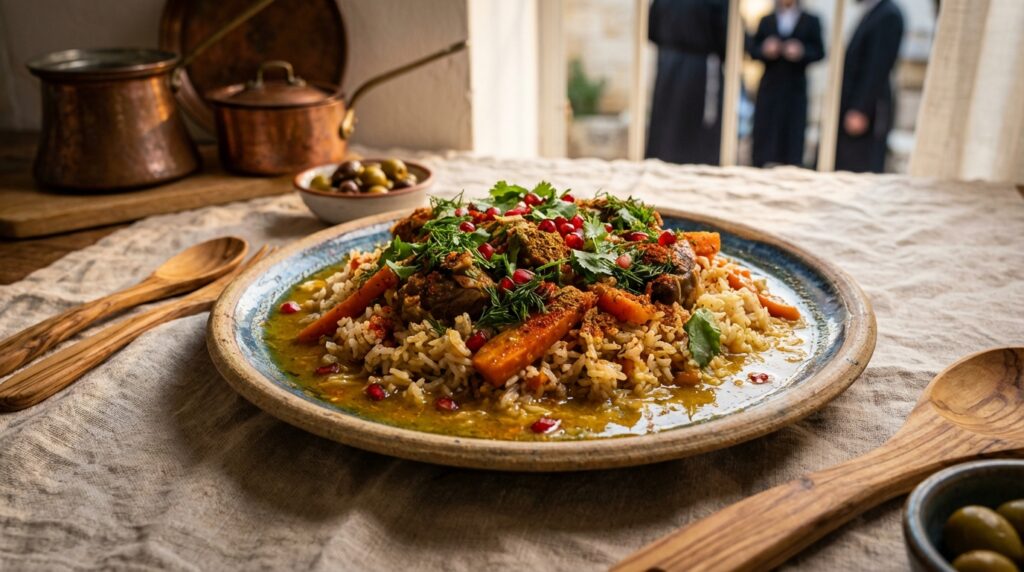

Originating from the Bukharian Jewish community, this cuisine reflects a rich history of migration and cultural exchange. The Bukharian Jews, originally from Central Asia, brought with them a unique blend of flavors and cooking techniques that have been passed down through generations. Their dishes often feature a mix of spices, meats, and grains, creating hearty and flavorful meals.
In Israel, Bukharian food has become a cherished part of the culinary landscape. Many Bukharian Jews settled in Israel during the 20th century, bringing their traditional recipes with them. These dishes have been embraced by the broader Israeli community, celebrated for their rich flavors and comforting qualities.
One of the most popular Bukharian dishes is the plov, a rice dish cooked with meat and vegetables. This dish is often prepared for special occasions and family gatherings, symbolizing abundance and hospitality. The preparation of plov is considered an art, with each family having its own unique recipe and method.
The use of spices such as cumin, coriander, and turmeric is prevalent in Bukharian cooking, adding depth and warmth to the dishes. These spices not only enhance the flavor but also reflect the historical trade routes that influenced Bukharian cuisine. The combination of spices and fresh ingredients creates a symphony of flavors that is both exotic and familiar.
Bukharian cuisine is also characterized by its use of fresh herbs and vegetables. Ingredients like cilantro, parsley, and dill are commonly used to add freshness and vibrancy to the dishes. Vegetables such as carrots, onions, and peppers are often included, providing a balance of textures and flavors.
The communal aspect of Bukharian cooking is another important element. Meals are often shared with family and friends, fostering a sense of community and togetherness. This tradition of sharing food is deeply ingrained in Bukharian culture, emphasizing the importance of hospitality and generosity.
Traditional Bukharian cooking methods include slow-cooking and braising, allowing the flavors to meld together beautifully. These techniques ensure that the meat is tender and the spices are well-infused, resulting in dishes that are rich and satisfying. The patience and care involved in Bukharian cooking reflect the cultural values of dedication and craftsmanship.
Bukharian food is not only about taste but also about preserving cultural heritage. Each dish tells a story of the Bukharian Jewish community, their journey, and their resilience. By preparing and enjoying these traditional dishes, individuals can connect with their roots and celebrate their cultural identity.
In modern times, Bukharian cuisine continues to evolve, incorporating new ingredients and techniques. However, the essence of the cuisine remains unchanged, rooted in tradition and family values. This balance of innovation and tradition ensures that Bukharian food remains relevant and cherished by future generations.