Vibrant Israeli Tabbouleh Salad
30 March 10:04
231
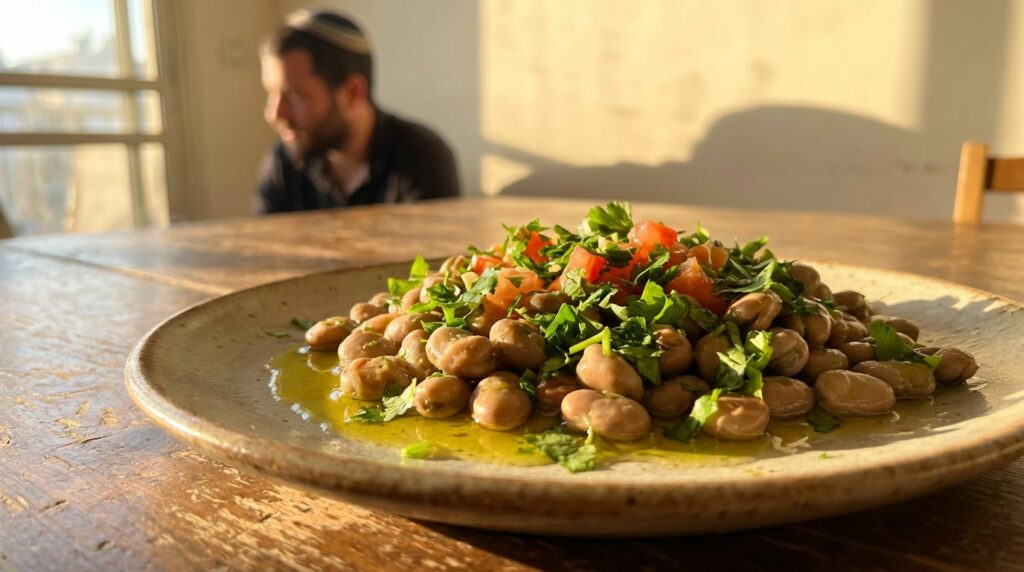

Originating from the Middle East, Foul Salad has been a beloved dish in Israeli households for generations. The use of fava beans, also known as ‘foul’, is central to its unique flavor. Traditionally, this salad is enjoyed as a breakfast dish, but its versatility makes it suitable for any meal. The combination of fresh herbs, lemon juice, and olive oil creates a refreshing and nutritious salad that is both satisfying and healthy.
The history of Foul Salad is deeply intertwined with the agricultural practices of the region. Fava beans have been cultivated in the Middle East for thousands of years, providing a rich source of protein and nutrients. This salad reflects the simplicity and resourcefulness of Israeli cooking, where fresh, local ingredients are celebrated. Over time, Foul Salad has evolved, with each family adding their own twist to the recipe, making it a personal and cherished dish.
In Israel, Foul Salad is more than just a dish; it’s a symbol of community and togetherness. Often served during family gatherings and festive occasions, it brings people together around the table. The preparation of the salad itself is a communal activity, with family members contributing to the chopping and mixing of ingredients. This shared experience enhances the enjoyment of the meal, making it a memorable part of Israeli culture.
Rich in protein and fiber, fava beans are the star of Foul Salad, offering numerous health benefits. They are known to support heart health, improve digestion, and provide sustained energy. The addition of fresh herbs like parsley and mint not only enhances the flavor but also adds essential vitamins and antioxidants. Olive oil, a staple in Mediterranean diets, contributes healthy fats that are beneficial for overall well-being.
The simplicity of Foul Salad allows it to be easily adapted to suit different tastes and dietary needs. Whether you prefer a tangier flavor with extra lemon juice or a spicier kick with added chili peppers, this salad can be customized to your liking. Its versatility makes it a popular choice for those seeking a nutritious and satisfying meal without compromising on taste.
Foul Salad’s popularity has spread beyond Israel, with variations of the dish appearing in Mediterranean and Middle Eastern restaurants worldwide. Its appeal lies in its fresh ingredients and bold flavors, which resonate with those seeking a taste of authentic Israeli cuisine. As more people discover the joys of Foul Salad, it continues to gain recognition as a delicious and healthy option for any occasion.