
Savor the Flavor of Homemade Carrot Latkes
19 April 09:04
236
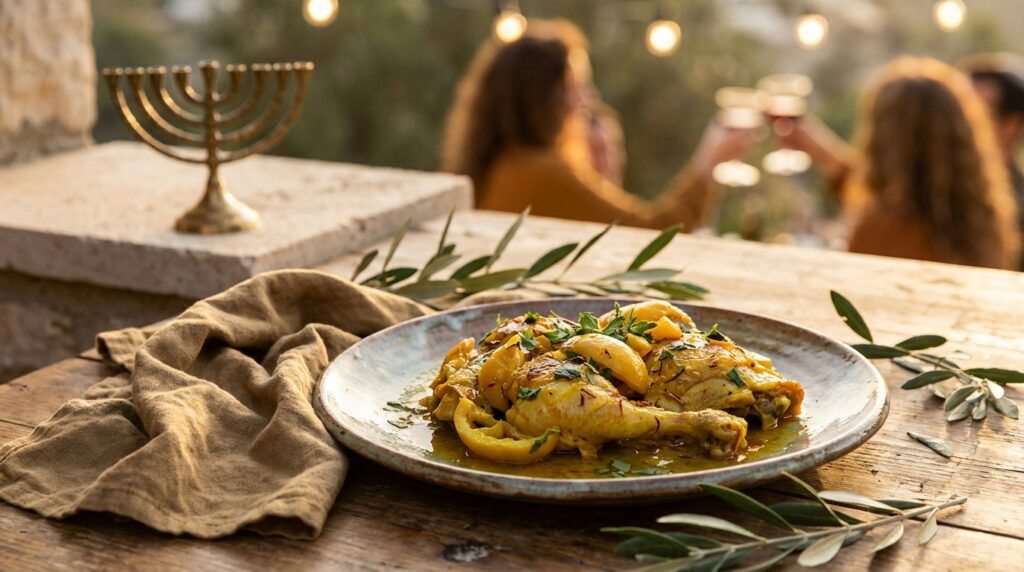

The tradition of preserving lemons dates back centuries, with roots in North African and Middle Eastern cuisines. This method was a practical way to extend the life of lemons, ensuring their availability throughout the year. Over time, preserved lemons became a beloved component in many dishes, adding a unique tangy flavor that enhances a variety of meals.
In Israel, preserved lemons are often used in stews, salads, and tagines. Their intense citrusy aroma and soft texture make them a versatile ingredient. The process of preserving lemons involves fermenting them in a mixture of salt and their own juices, which transforms their flavor profile entirely.
Trader Joe’s has made it easier for home cooks to access this exotic ingredient. Their preserved lemons are a convenient option for those looking to explore Israeli cuisine without the need for lengthy preparation. With just a few slices, you can elevate the taste of your dishes, bringing a touch of the Mediterranean to your table.
The use of preserved lemons in Israeli cooking is not just about flavor; it’s also about cultural heritage. Each lemon carries with it a story of tradition and family recipes passed down through generations. This simple ingredient connects people to their roots and brings a sense of nostalgia to the dining experience.
Cooking with preserved lemons can be a delightful adventure. Their bold flavor pairs well with a variety of ingredients, from chicken and fish to grains and vegetables. By experimenting with preserved lemons, you can discover new taste combinations and create dishes that are both flavorful and aromatic.
For those new to preserved lemons, starting with simple recipes is a great way to get acquainted with their taste. Incorporating them into familiar dishes like roasted chicken or a fresh salad can provide a new twist that surprises and delights the palate.
As more people discover the joys of cooking with preserved lemons, their popularity continues to grow. They are not only a staple in Israeli kitchens but are also gaining recognition worldwide. This ingredient exemplifies the beauty of culinary fusion, where traditional methods meet modern convenience.
Whether you’re an experienced chef or a home cook, preserved lemons offer endless possibilities. They can transform a simple dish into something extraordinary, adding depth and complexity to the flavors. Embracing this ingredient is a way to celebrate the rich culinary heritage of Israel and share it with others.
Incorporating preserved lemons into your cooking is a journey worth taking. Each dish becomes a canvas for creativity, allowing you to explore new flavors and techniques. As you experiment with preserved lemons, you’ll find that they quickly become an indispensable part of your culinary toolkit.