Delicious Moroccan Carrot Salad Recipe
5 March 09:33
250
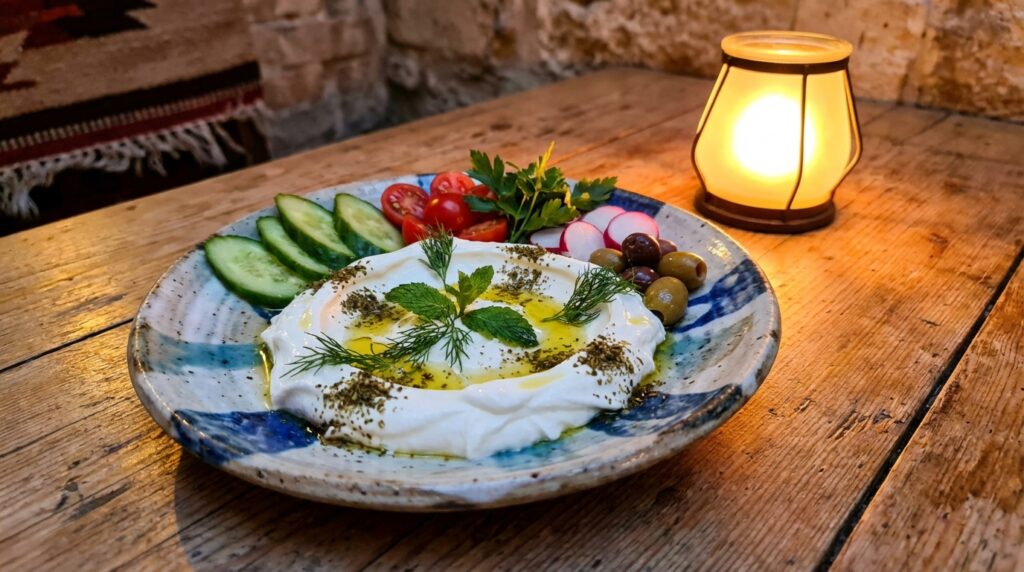

Originating from the Middle East, labneh has been a beloved ingredient for centuries. Its creamy texture and tangy flavor make it a versatile addition to many dishes. In Israel, labneh is often enjoyed as part of a mezze platter, accompanied by fresh vegetables and herbs.
The process of making labneh involves straining yogurt to remove excess whey, resulting in a thick, cheese-like consistency. This method not only enhances the flavor but also increases the shelf life of the yogurt. Traditionally, labneh is made from goat or sheep milk, but cow’s milk is also commonly used today.
Incorporating labneh into a salad is a modern twist that highlights the fusion of traditional and contemporary Israeli cuisine. The salad typically includes fresh cucumbers, tomatoes, and herbs, creating a vibrant and healthy dish. The combination of textures and flavors makes it a favorite among locals and visitors alike.
The nutritional benefits of labneh are significant, as it is rich in protein, calcium, and probiotics. These elements contribute to a healthy digestive system and support overall well-being. The addition of fresh vegetables further enhances the salad’s nutritional profile, providing essential vitamins and minerals.
In Israel, labneh salad is often served as a side dish or appetizer, complementing a variety of main courses. Its refreshing taste makes it an ideal choice for warm weather, providing a cooling contrast to grilled meats or spicy dishes. The salad’s simplicity and versatility have made it a staple in Israeli households.
The popularity of labneh salad continues to grow, with many chefs and home cooks experimenting with different ingredients and presentations. Whether served in a traditional manner or with a modern twist, labneh salad remains a beloved part of Israeli culinary heritage.
The beauty of labneh salad lies in its adaptability. Home cooks can experiment with different herbs and spices to create a salad that suits their personal preferences. Common additions include mint, parsley, and za’atar, each adding a unique flavor profile to the dish. This flexibility makes labneh salad a favorite for those looking to explore new culinary experiences.
In addition to its flavor, labneh salad is celebrated for its aesthetic appeal. The vibrant colors of the fresh vegetables and herbs create a visually stunning dish that is as pleasing to the eye as it is to the palate. This visual appeal makes it a popular choice for gatherings and celebrations, where presentation is key.
Labneh salad’s enduring popularity is a testament to its delicious taste and cultural significance. As more people discover the joys of Israeli cuisine, labneh salad continues to be a gateway dish, introducing newcomers to the rich flavors and traditions of the region. Its simplicity, versatility, and health benefits ensure that it will remain a cherished part of Israeli culinary tradition for years to come.