Due to the war in Israel, shipments may be delayed. Thank you for standing with Israel.

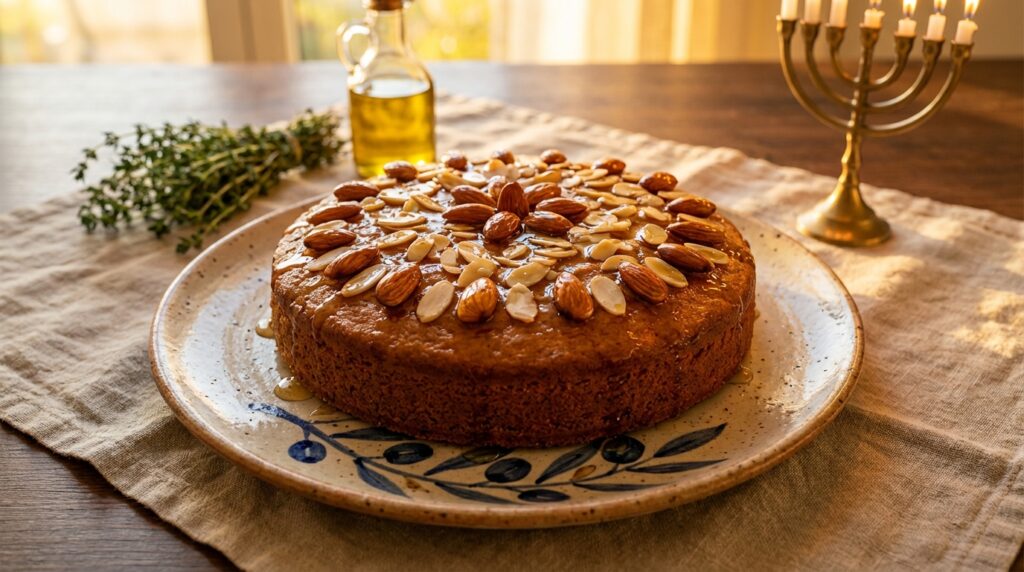
Classic Israeli Cake Delight

A Sweet Taste of Israeli Tradition
Experience the warmth and tradition of Israeli baking with this classic cake recipe, perfect for family gatherings and celebrations.
Image illustrating:Classic Israeli Cake Delight
29
David Pliner
Culinary & Israeli Heritage Enthusiast
Discover the rich flavors and cultural heritage of Israeli cakes with this delightful recipe. Perfect for sharing with loved ones.

Health Benefits

  • Almonds are a great source of healthy fats and vitamin E.
  • Honey contains antioxidants and can help soothe a sore throat.
  • Eggs provide high-quality protein and essential amino acids.

Ingredients

All-purpose flour
2 cups
Sugar
1 cup
Baking powder
1 tablespoon
Salt
1/2 teaspoon
Eggs
3 large
Milk
1 cup
Vegetable oil
1/2 cup
Vanilla extract
1 teaspoon
Honey
1/4 cup
Almonds
1/2 cup, chopped

Chef's Tips for the Perfect Cake

To achieve the perfect texture, ensure all ingredients are at room temperature before mixing. This helps the batter blend smoothly, resulting in a light and fluffy cake. Additionally, using fresh, high-quality ingredients will enhance the flavor and aroma of your cake, making it a true delight.

Instructions

  • 1
    1
    Preheat the Oven
    Preheat your oven to 350°F (175°C). Grease and flour a 9x13 inch baking pan to prevent sticking.
  • 2
    2
    Mix Dry Ingredients
    In a large bowl, combine the flour, sugar, baking powder, and salt. Stir well to ensure even distribution of the ingredients.
  • 3
    3
    Combine Wet Ingredients
    In a separate bowl, beat the eggs until frothy. Add the milk, vegetable oil, vanilla extract, and honey. Mix until well combined.
  • 4
    4
    Blend Wet and Dry Ingredients
    Gradually add the wet ingredients to the dry ingredients, stirring continuously to form a smooth batter. Be careful not to overmix, as this can make the cake dense.
  • 5
    5
    Add Almonds
    Fold the chopped almonds into the batter, ensuring they are evenly distributed. This will add a delightful crunch to the cake.
  • 6
    6
    Bake the Cake
    Pour the batter into the prepared baking pan. Bake in the preheated oven for 30-35 minutes, or until a toothpick inserted into the center comes out clean.
  • 7
    7
    Cool and Serve
    Allow the cake to cool in the pan for 10 minutes before transferring to a wire rack to cool completely. Serve with a dusting of powdered sugar or a drizzle of honey.

The Story Behind Israeli Cakes

Israeli cakes are a blend of diverse cultural influences.

The history of Israeli cakes is as rich and diverse as the country itself. With influences from Eastern Europe, the Middle East, and North Africa, these cakes tell a story of a land where cultures meet and blend. Each cake is a testament to the shared traditions and the unique flavors that have been passed down through generations.
In the early days of Israel, baking was a communal activity. Families would gather to bake and share their creations, often using ingredients that were locally sourced. This tradition of community baking has continued, with recipes being handed down from mother to daughter, each adding their own personal touch.
The ingredients used in Israeli cakes often reflect the agricultural bounty of the region. From the sweet dates of the Jordan Valley to the rich almonds of the Galilee, each ingredient tells a story of the land and its people. These cakes are not just desserts; they are a celebration of the land’s abundance.

Many Israeli cakes incorporate honey as a symbol of sweetness and prosperity.

Honey has long been a staple in Israeli baking, symbolizing sweetness and prosperity. It is often used in holiday cakes, adding a rich, golden hue and a deep, sweet flavor. The use of honey dates back to biblical times, where it was considered a precious commodity.
In modern times, Israeli cakes have evolved to include a variety of flavors and styles. From the traditional honey cake to the more contemporary chocolate and nut variations, there is a cake for every occasion. These cakes are often served at family gatherings, holidays, and celebrations, bringing people together in a shared love of sweet treats.
The popularity of Israeli cakes has spread beyond the country’s borders, with many people around the world enjoying these delicious creations. Whether it’s a simple tea cake or an elaborate layered confection, Israeli cakes offer a taste of tradition and a connection to the land and its people.

Israeli cakes are often enjoyed during festive occasions.

Festive occasions in Israel are incomplete without the presence of traditional cakes. Whether it’s a birthday, a wedding, or a religious holiday, these cakes are a staple at celebrations. They are often decorated with nuts, fruits, and a dusting of powdered sugar, adding to their festive appeal.
The art of baking Israeli cakes is often passed down through generations, with each family adding their own unique twist to the recipes. This tradition of sharing and adapting recipes ensures that the cakes remain a living part of the culture, evolving with each new generation while retaining their roots in tradition.
For those who have never tasted an Israeli cake, the experience is one of discovery and delight. The combination of flavors and textures offers a unique taste experience, one that is both familiar and exotic. Each bite is a journey through the history and culture of Israel, a sweet reminder of the land’s rich heritage.
Related Recipes

FAQ

Can I use almond flour instead of regular flour?
Yes, you can use almond flour as a gluten-free alternative, but it may alter the texture slightly.
How should I store the cake?
Store the cake in an airtight container at room temperature for up to three days.