
Savor the Authentic Taste of Israeli Kebab Pita
6 March 13:37
277
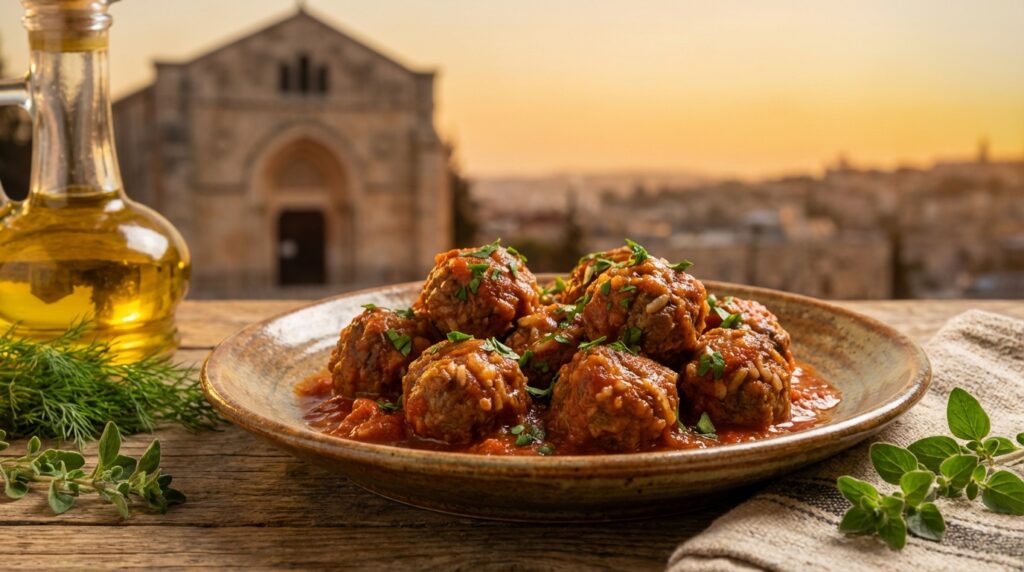

The origins of Jewish meatballs can be traced back to Eastern Europe, where they were a staple in many Jewish households. These meatballs were often made with simple ingredients, reflecting the resourcefulness of the community. Over time, the recipe traveled with Jewish families to Israel, where it adapted to local tastes and ingredients.
In Israel, Jewish meatballs have become a symbol of comfort and family gatherings. They are often served during holidays and special occasions, bringing people together around the table. The dish’s simplicity allows the flavors of the meat and spices to shine, creating a warm and inviting meal.
The preparation of Jewish meatballs is a cherished tradition passed down through generations. Many families have their own variations, adding unique touches to the classic recipe. This personalization makes each family’s version special, a testament to the rich tapestry of Jewish culinary heritage.
The tomato sauce used with Jewish meatballs adds a tangy and savory dimension to the dish. Made with ripe tomatoes, onions, and a blend of spices, the sauce complements the meatballs perfectly. It’s a versatile addition that can be adjusted to suit different tastes, whether you prefer it spicy or mild.
Cooking Jewish meatballs is not just about the ingredients; it’s about the experience of bringing people together. The process of rolling the meatballs and simmering them in sauce is a communal activity, often shared with family members. This shared experience enhances the joy of the meal, making it more than just food but a celebration of togetherness.
The dish’s popularity continues to grow, with many chefs adding their own modern twists. Despite these innovations, the essence of Jewish meatballs remains unchanged, rooted in tradition and family values. It’s a dish that transcends generations, connecting the past with the present in a delicious way.
Whether served as a main course or a side dish, Jewish meatballs are loved by everyone. Their adaptability makes them suitable for various occasions, from casual family dinners to festive celebrations. The comforting flavors and hearty texture make them a favorite among both young and old.
The ingredients for Jewish meatballs are simple yet flavorful. Ground beef, breadcrumbs, eggs, and a blend of spices form the base, while fresh herbs add a burst of freshness. This combination creates a balanced taste that is both satisfying and nourishing, embodying the essence of home-cooked goodness.
As you savor each bite of Jewish meatballs, you’re not just enjoying a meal; you’re partaking in a culinary tradition that has been cherished for generations. It’s a dish that tells a story of resilience, creativity, and love, making it a meaningful addition to any table.