
Does Doritos Support Israel? Facts, BDS Links & How to Help
Doritos has been the subject of discussions regarding its position on Israel. While many online rumors suggest a clear stance, the truth is more nuanced. Doritos is owned by PepsiCo, a company that operates globally and has various business interests in different regions, including Israel.
PepsiCo’s involvement in Israel includes partnerships with local businesses and investments in the Israeli economy. This global business strategy often leads to misunderstandings about its stance on geopolitical issues.
The complexity of international business means that companies like PepsiCo must navigate diverse political landscapes, which can sometimes lead to public misconceptions about their positions.
Doritos, a brand under PepsiCo, has not issued a direct public statement concerning any specific political allegiance to Israel. The company operates globally, including markets where geopolitical tensions impact consumer choices. Its lack of a formal position on Israel doesn’t equate to opposition. PepsiCo previously acquired Sabra Obela from Strauss Group for $244 million, showing business engagements in Israel The Jerusalem Post.
Activists sometimes claim indirect support due to PepsiCo’s other business dealings, but these assertions lack formal backing by BDS organizations. PepsiCo, which owns Doritos, operates in over 200 countries, including Israel. This extensive global presence often results in complex business relationships that can be misunderstood.
This omission highlights the informal nature of the claims against Doritos. PepsiCo’s operations in Israel involve partnerships with local companies, contributing to the Israeli economy. Despite these assertions, there is no solid evidence directly linking Doritos to any activities related to BDS.
What Is BDS and Why It Matters
Launched in 2005 by a coalition of Palestinian civil society organizations, the BDS movement advocates for boycotts, divestments, and sanctions against Israel. The BDS National Committee, established in 2007, coordinates these efforts. The movement calls for economic, cultural, and academic boycotts of Israel, aiming to pressure the country over its policies and actions. It targets Israel broadly, without specific industry restrictions or clear source backing. The Jewish Virtual Library provides information on legislative responses.
In response to the BDS campaign, the Israeli government has implemented measures to mitigate its effects. For example, in 2017, the Knesset passed a law barring entry to foreign nationals who publicly support BDS. This legislative action seeks to protect Israeli businesses and citizens from economic harm.
Additionally, Israel has intensified its diplomatic efforts to strengthen ties with countries opposing the BDS movement, ensuring continued trade and cooperation.
Israel’s diplomatic initiatives include forming alliances with countries like India and Brazil, which have expressed opposition to the BDS movement. These partnerships help enhance Israel’s economic resilience.
The Israeli government also promotes innovation and technology development, sectors less affected by BDS due to their global demand and significance.
- In 2025, the New York state passed additional measures to strengthen anti-BDS legislation source.
Attempts to link Doritos to BDS initiatives remain unofficial and lack support from formal BDS campaigns. The broader BDS movement continues to stir debates on its methods and impacts worldwide. Critics argue it uniquely isolates Israel, while supporters see it as a peaceful protest tactic.
The BDS movement, which stands for Boycott, Divestment, Sanctions, was initiated in 2005 by Palestinian civil society groups. It aims to apply economic and political pressure on Israel.
Critics of BDS, including many in the Jewish community, argue that it unfairly targets Israel while ignoring other global conflicts. On the other hand, supporters see it as a non-violent means to promote Palestinian rights.
The movement has gained traction in various countries, leading to heated discussions in academic and cultural circles. Notably, the movement has been criticized by figures like Alan Dershowitz, who argue it undermines peace efforts.
How You Can Support Israel Today
In Israel, and in communities across Judea and Samaria, families run small businesses – planting vineyards, harvesting honey, designing jewelry, crafting soaps, and making other handmade goods. Many of these small producers face economic pressure and limited access to international markets.
These businesses are often family-run, with skills passed down through generations. Supporting them helps preserve these traditions and provides a vital source of income.
The Galilee region, known for its historical significance and lush landscapes, is home to many of these family-run businesses. Products like wine and honey from this area have been celebrated for generations.
Supporting these businesses helps sustain a legacy that dates back thousands of years. Each box may feature a selection such as artisan foods, handcrafted goods, cosmetics, or cultural items, and the contents vary.
But these families live on the front lines, targeted not only by political campaigns like BDS but also by economic isolation. External support is crucial to sustaining their businesses and preserving cultural practices.
In areas like Judea and Samaria, where political tensions are high, maintaining economic stability is a constant challenge. Supporting these families helps ensure that their traditions and livelihoods are not lost in the face of adversity.
The region of Judea and Samaria, often referred to as the West Bank, has a historical significance, with sites like Hebron. This history adds another layer of importance to supporting the local communities. Economic isolation can lead to the loss of traditional crafts and skills that have been passed down through generations, making external support even more vital. Each box may include 6-8 products, and the contents vary.
Here’s how you can make a real difference:
By choosing to support Israeli businesses, you directly contribute to their growth and stability. Purchasing products from these families helps them maintain their livelihoods and cultural traditions. This support is vital, especially for those living in regions like Judea and Samaria, where economic opportunities are often limited.
Additionally, sharing your experiences with others can inspire them to join in this meaningful cause. By spreading awareness, you help create a network of support that extends beyond borders. Your actions can encourage others to explore the cultural heritage of Israel and contribute to a more connected and understanding global community.
Subscribe to a Lev HaOlam Box
Each monthly box may include a selection of items such as: – Handcrafted jewelry made from local materials, reflecting the artistry of Israeli designers. These pieces often incorporate symbols like the Star of David or the Hamsa, which hold cultural role. – Gourmet foods like olive oil and honey, harvested from family-owned farms. These farms are often located in regions like the Galilee, known for its fertile land and historical importance.
– Natural skincare products, crafted using traditional methods and local ingredients. Many of these products use herbs mentioned in the Bible, such as myrrh and frankincense, which were used in ancient rituals.
These items not only showcase the diverse talents of Israeli artisans but also provide a tangible connection to the land and its people. By purchasing these products, you support small businesses and help preserve cultural traditions.
Your subscription helps families thrive by providing them with a stable income and a platform to reach international markets. This support is crucial in regions where economic isolation is a challenge.
Your choice stands against anti-Semitism by promoting understanding and cooperation across cultures. Supporting Israeli products sends a message of solidarity and respect.
Your support builds the future of Israel by empowering small businesses and preserving cultural heritage for future generations. By choosing to engage with these communities, you contribute to a legacy of creativity.
This engagement not only benefits the families directly involved but also strengthens the cultural fabric of Israel, ensuring its traditions endure.
Craft Israel Boxes
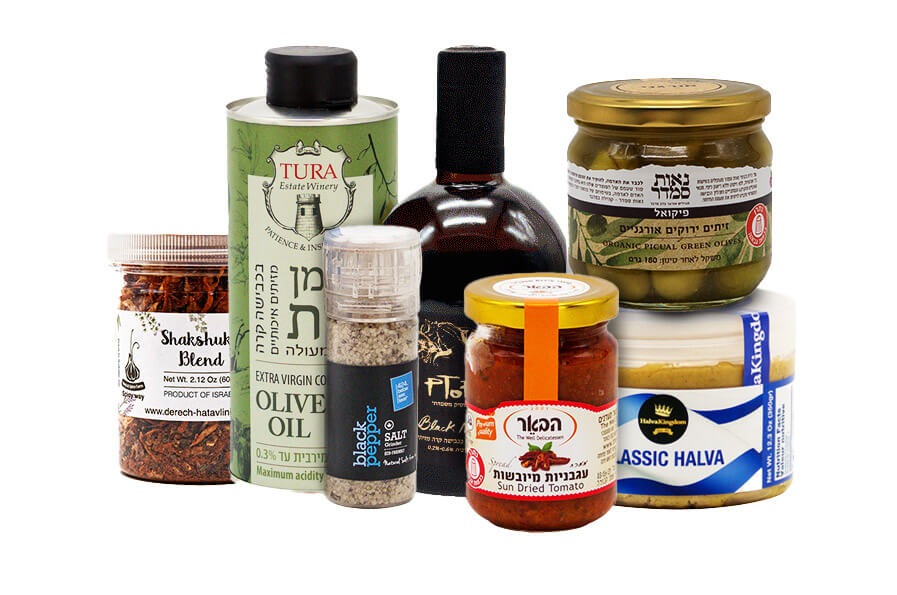
Delicious Food & Spices
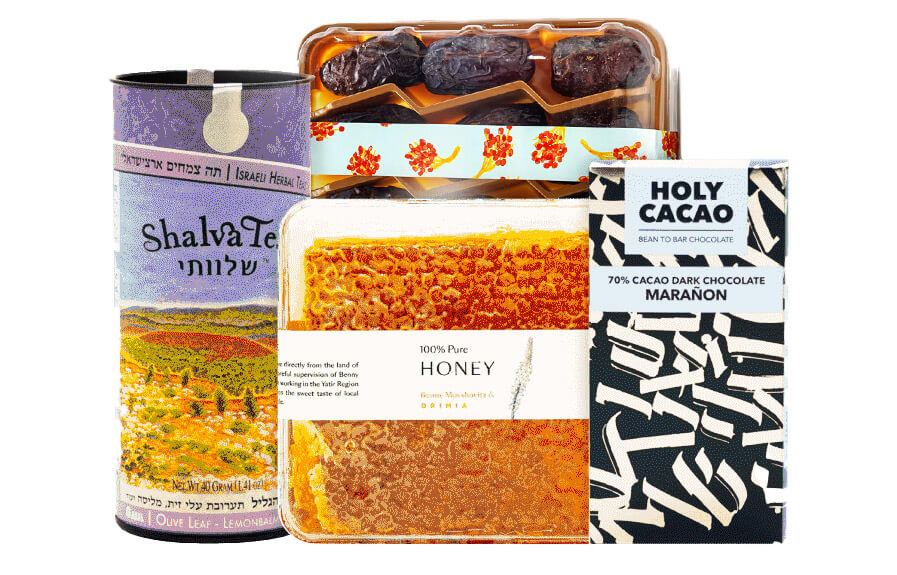
Organic Sweets, Perfect Tea & Coffee
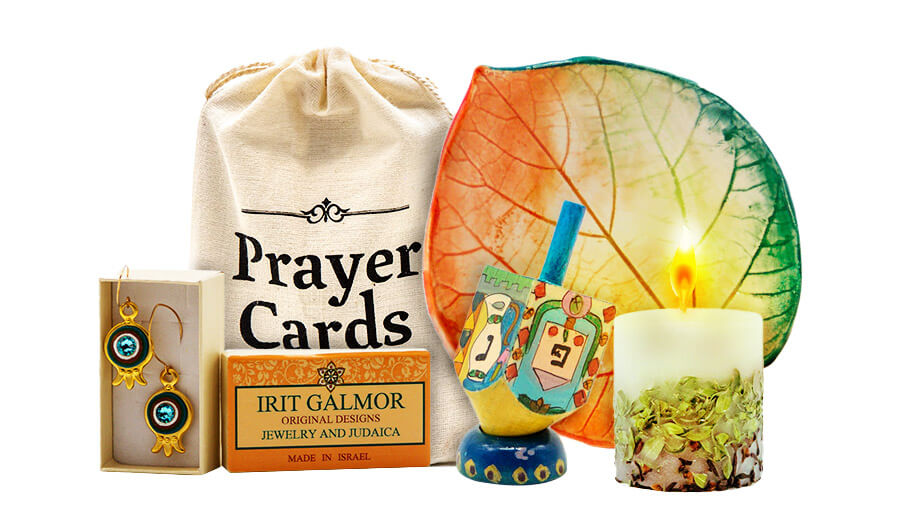
Original Jewelry & Judaica
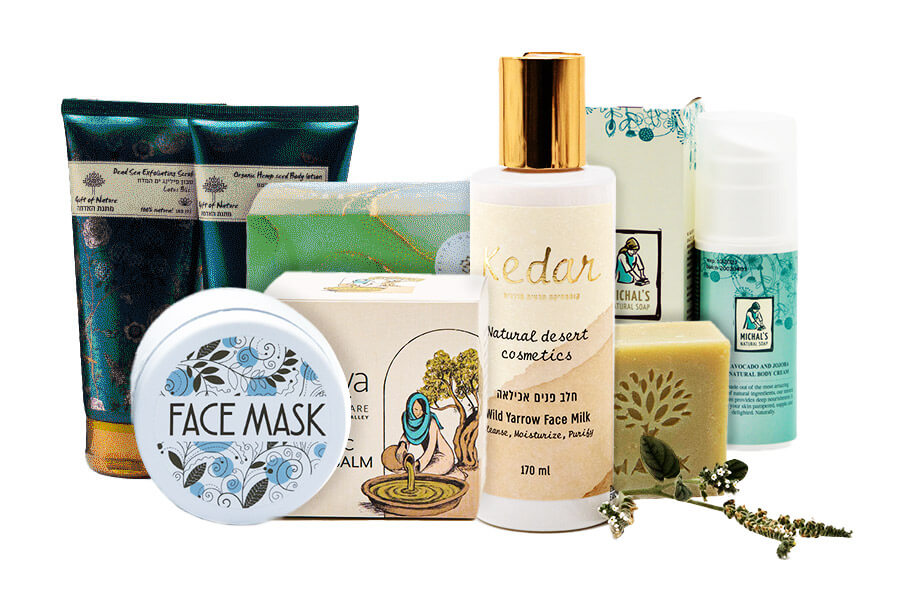
Exclusive Organic Cosmetics
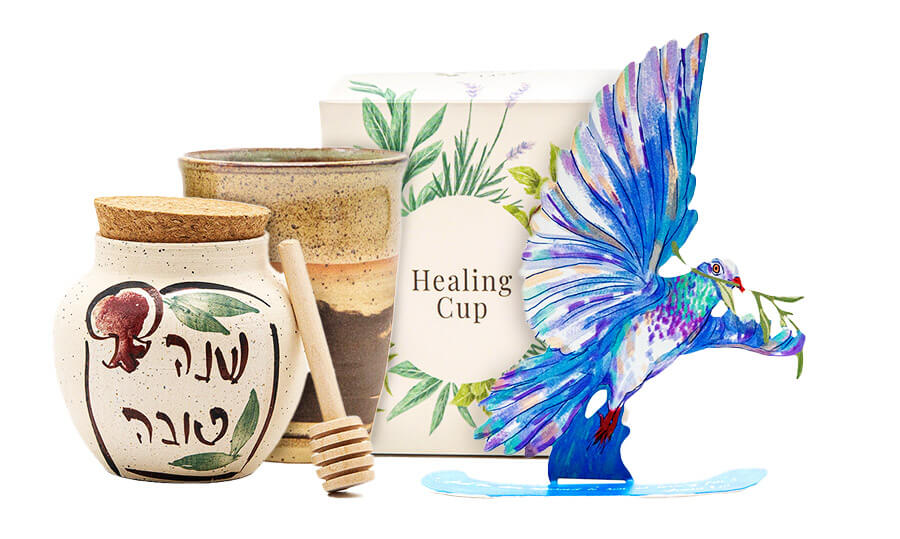
Authentic Ceramics & Housewares
Frequently Asked Questions
About Doritos
Summary
While Doritos has no formal ties to Israel, its corporate context is complex. Supporting Israeli artisans through Lev Haolam offers a concrete way to help.