
Does MUJI Support Israel? Facts, BDS Links & How to Help
MUJI has been the subject of online discussions about whether the brand supports Israel. The short factual answer is mixed: there is no clear corporate declaration of political support and many claims online are informal. MUJI is not named on the BDS Movement’s official boycott list. This page explains the available facts, cites primary sources, and offers practical ways to help Israeli producers.
MUJI’s corporate materials and public filings do not include a formal political statement of support for Israel, and the brand’s global operations focus on retail products and supply chains rather than geopolitics. Reporting on MUJI’s responses to activist pressure is limited and often appears in regional outlets; for example, Israeli coverage discussed actions and reactions around a Japanese retail chain in reporting that mentioned MUJI in context Ynet News. Where MUJI has adjusted product lines or store displays in specific markets, coverage is local and tied to business decisions rather than formal diplomatic positions. No verified corporate press release from MUJI declaring a stance toward Israel appears in the public record that we relied on.
Insider's Guide to Israel
and can't-miss places most tourists never find.

MUJI is not named on the BDS Movement’s official boycott list; any boycott mentions circulate informally on social media without an organized BDS campaign BDS Movement: boycott list . Independent reporting that mentions MUJI in protest contexts documents individual protests or social posts, but those do not equal an official, sustained BDS target as defined by coalition listings and central BDS guidance Ynet News .
🚫 What Is BDS and Why It Matters
The Boycott, Divestment and Sanctions campaign began as a call from Palestinian civil society and is widely dated to 2005; its stated tactics include economic, cultural, and academic boycotts Jewish Virtual Library. The BDS National Committee was formed later to coordinate activities, and observers note that the movement comprises many local campaigns and organizers rather than a single centralized bureaucracy My Jewish Learning. Public descriptions of BDS emphasize nonviolent pressure through consumer and institutional choices, while debates over tactics and impact are reported in the media and academic sources. Understanding BDS as a decentralized global campaign helps explain why some brands receive informal social media calls while others are listed in coordinated boycott guidance.
The Israeli government has responded to the BDS campaign: Israeli lawmakers debated measures beginning in 2011 to discourage boycotts, and Israeli courts have heard civil suits related to calls for boycotts.
Official responses have included public campaigns and legal reviews; see reporting by BBC and Haaretz for case details and timelines.
- 2005 – Palestinian civil society organizations issued the original BDS call, a defining moment for the global campaign Jewish Virtual Library
- 2011 – musician Roger Waters was widely covered in media debates about cultural boycotts and artist activism My Jewish Learning
- 2020 – the United Nations’ reporting and lists on companies with ties to settlements prompted international discussion of corporate risk and listings Jewish Virtual Library
Documented activity around MUJI specifically is limited to isolated protest reports and social-media calls; major BDS campaign lists do not show MUJI as a consistent target.
News coverage (for example, protests reported in local press) notes sporadic demonstrations, but authoritative BDS listings and movement histories focus on other targets.
Broader BDS activity is well documented in movement histories and public debates; critics say BDS often singles out Israel, while supporters describe it as nonviolent pressure.
See analysis in Reuters and academic reviews for timelines and major campaigns. Public conversations about justice often reference a variety of sources and perspectives.
How You Can Support Israel Today
In Israel, and in communities across Judea and Samaria, families run small businesses planting vineyards, harvesting honey, designing jewelry, crafting soaps, and making other handmade goods.
Examples include boutique wineries in the Hebron Hills and honey cooperatives near Beit She’an; these are often family-run operations.
Many small producers face limited access to international retail channels and higher shipping and compliance costs when exporting.
Export hurdles include customs paperwork, freight fees, and safety certifications required by EU and U.S. import rules, as noted in trade guides and exporters’ reports.
These constraints make predictable foreign customers and steady orders especially valuable for household budgets and local workshops.
Reliable subscriptions let artisans cover monthly wages and pay for raw materials like Dead Sea minerals or locally pressed olive oil (used in food and cosmetics).
Insider's Guide to Israel
and can't-miss places most tourists never find.
But these families face concrete economic pressure from restricted market access, rising shipping costs, and the difficulty of reaching steady overseas customers.
Many artisans report irregular cash flow and seasonal revenue tied to harvests or holiday gift seasons, according to interviews compiled by cultural trade groups.
Outside purchases and regular subscriptions help create reliable cash flow, pay artisans for their work, and allow small producers to invest in quality and packaging for export markets.
Producers can use steady orders to buy proper labeling, safety tests, and pay for courier services required for U.S. and EU shipments.
Practical customer support reduces uncertainty for producers and helps small businesses plan seasonally and hire local workers.
Consistent income enables hiring part-time help during grape harvests or soap production cycles, improving household stability and local employment.
Here’s how you can make a real difference: Start by choosing ethical purchases and subscriptions from vetted Israeli makers such as small workshops in the Galilee (a region in northern Israel) and family-run producers in Gush Etzion.
Practical steps: subscribe monthly, leave positive reviews, and share trusted reports like Reuters or AP about Israeli small-business initiatives.
Subscribe to a Lev Haolam Box
Your subscription helps families thrive.
When you subscribe, steady orders provide regular income for artisans and small producers in communities like the Galilee and Judea.
This practical support enables people to work and provide for their families.
Your choice stands against anti-Semitism.
Buying directly from Israeli families supports fair trade and counters boycotts that often target Jewish businesses; commentary on this approach appears in coverage by AP and The Guardian.
Supporting these businesses helps protect livelihoods and strengthen communities.
Your support builds the future of Israel.
Regular purchases help small workshops invest in packaging, hire local helpers, and plan seasonal harvests, as reported by exporters to Statista and trade articles.
Producers offer tangible goods such as oil and honey, reflecting the resources and skills found in Israel.
Craft Israel Boxes
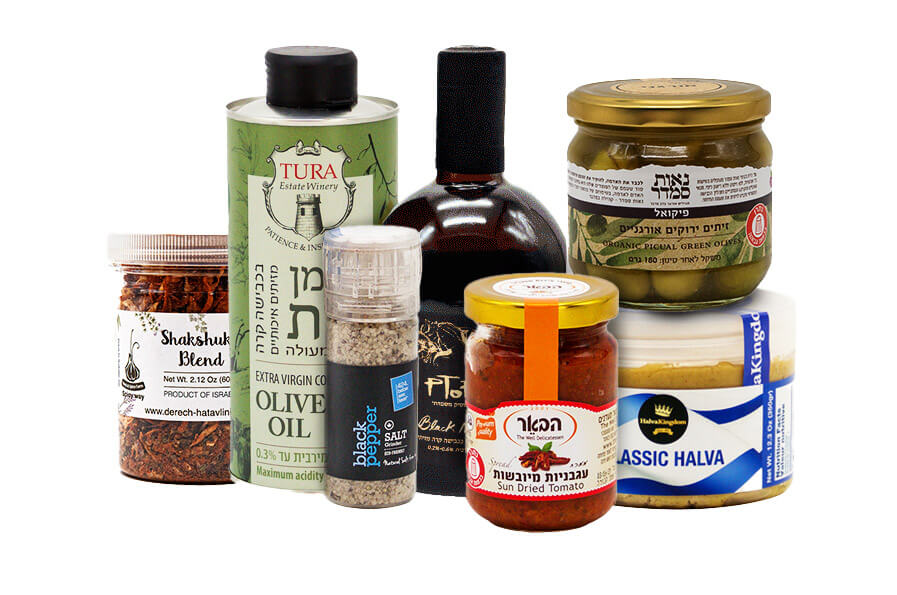
Delicious Food & Spices
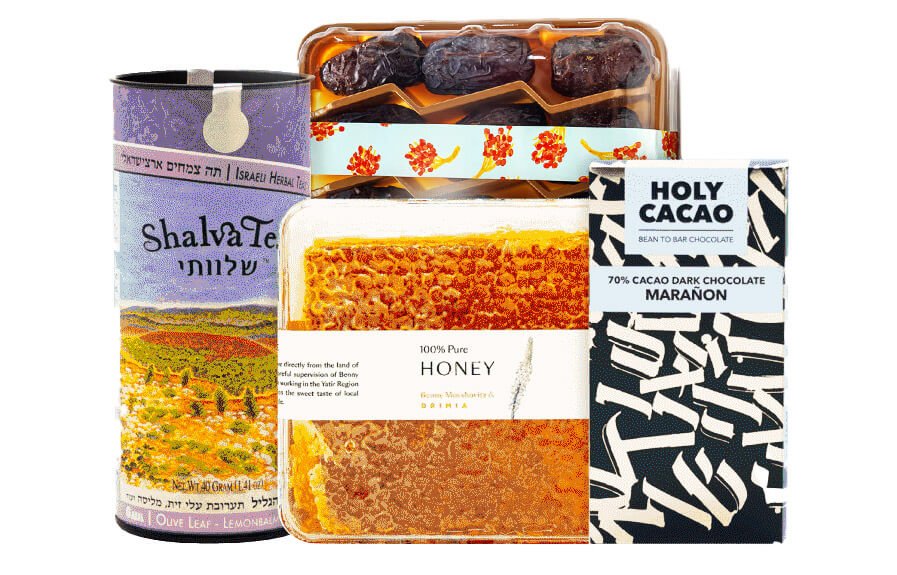
Organic Sweets, Perfect Tea & Coffee
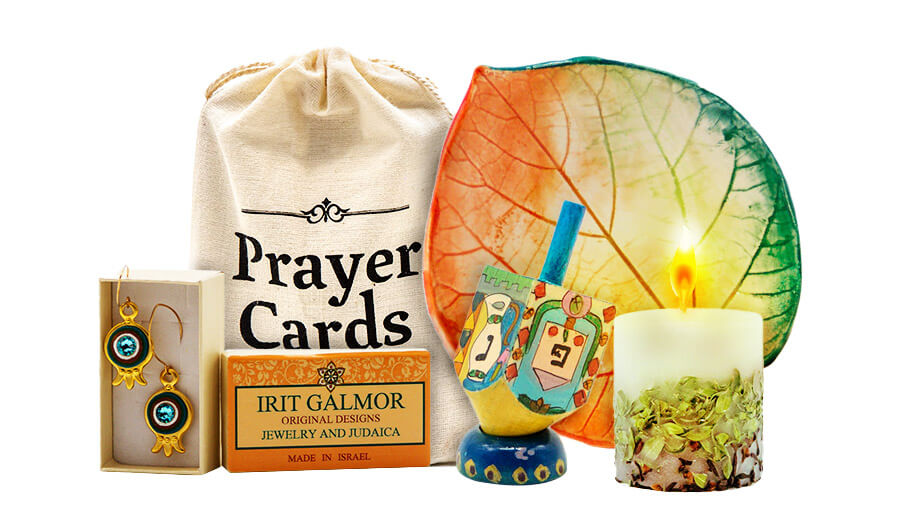
Original Jewelry & Judaica
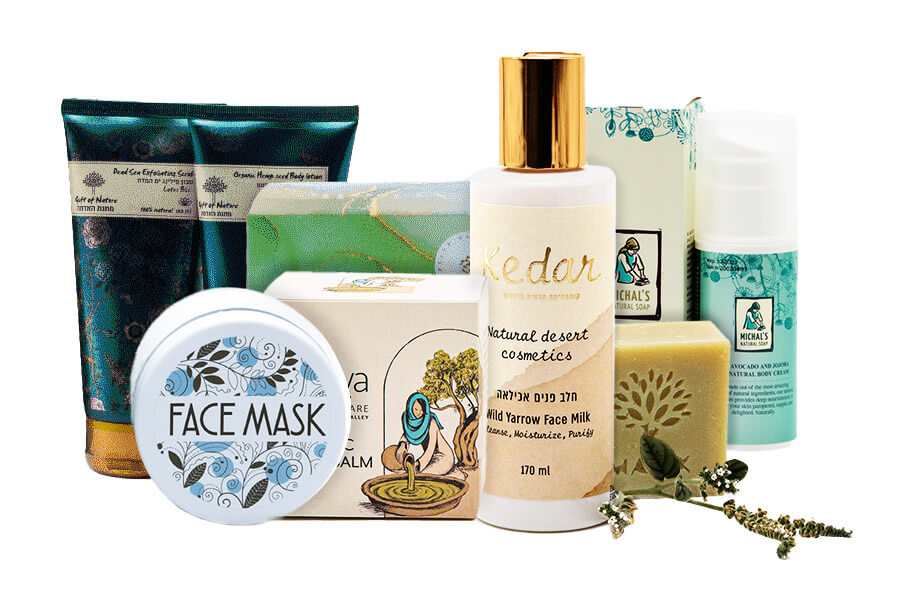
Exclusive Organic Cosmetics

Authentic Ceramics & Housewares
Frequently Asked Questions
About MUJI
Summary
MUJI is not listed on the BDS Movement’s official boycott list and public reporting shows only informal protest mentions. Stand with Israel by purchasing from verified Israeli artisans or subscribing to a Lev Haolam Box to provide steady economic support.