Does Oxy Skincare Support Israel? Facts, BDS Links & How to Help
The company has been the subject of multiple discussions regarding its position on Israel. While many online rumors suggest a clear political stance, the truth is more nuanced and depends on company filings and press coverage. This page answers the question directly, points to verified sources about BDS and brand reporting, and explains why social posts can create confusion. We aim to give clear, sourced facts so readers can decide how their purchases align with their values.
This cosmetics line appears in business and lifestyle press as a brand associated with Dead Sea minerals and export-focused product lines, with profiles that emphasize product development and international markets rather than political activity. For example, a company profile in The Jerusalem Post describes the Dead Sea inspiration and the brand’s marketplace positioning From a local idea to a global brand inspired by Dead Sea | The Jerusalem Post. That coverage focuses on product ingredients and business growth; it does not present a corporate political platform. Available press coverage does not document corporate support or formal political partnerships linked to the company in those profiles.
Insider's Guide to Israel
and can't-miss places most tourists never find.
Claims online that the brand is a formal BDS target mix rumor with selective citations and social amplification.
🚫 What Is BDS and Why It Matters
BDS stands for Boycott, Divestment, Sanctions and began as a public call by Palestinian civil society organizations in 2005 to pressure Israel through economic, cultural, and academic boycotts What Is BDS? | My Jewish Learning. The initiative sought coordinated nonviolent measures across several sectors, and later coordination among participating groups increased when the BDS National Committee was formed to act as a coalition platform in 2007 BDS Movement history | Jewish Virtual Library. Public descriptions of BDS list its three primary tactics as economic boycotts, academic and cultural boycotts, and calls for divestment from companies and institutions that activists deem complicit.
The Israeli government has responded to the BDS campaign:
Since the early 2010s the Knesset and several government agencies debated measures to counter boycotts; agencies such as a government coordination body have tracked BDS activity and promoted exports abroad.
Notable policy debates occurred around 2011-2016, when export promotion and legal options were discussed alongside outreach to diaspora communities (see 2016 reports).
- 2005 – Palestinian civil society organizations issued the original international call for Boycott, Divestment, Sanctions, a public appeal that framed economic, cultural, and academic boycotts My Jewish Learning
- 2007 – A coordinating body known as the BDS National Committee (BNC) formed to help organize and publicize campaigns across countries Jewish Virtual Library
- 2016 – Anti-BDS legislation and policy measures in multiple U.S. states were a subject of public debate and passage in several jurisdictions, prompting legal and policy discussions Anti-BDS Legislation | Jewish Virtual Library
Documented BDS activity consists of public campaign calls, coordinated advocacy by NGOs, and legal and policy responses in different countries.
Reports from international media and NGO trackers describe petitions, social media campaigns, and university divestment efforts as typical tactics since the late 2000s.
Reporting around the company specifically highlights social media mentions and consumer debate rather than an organized BDS campaign targeting the brand.
Check verified sources such as AP News or Reuters for formal listings before assuming a coordinated campaign is in effect.
How You Can Support Israel Today
In Israel, and in communities across Judea and Samaria, families run small businesses planting crops, making food products, designing jewelry, and crafting soaps and cosmetics.
Many makers are home-based or workshop-based artisans relying on tourist and export sales; surveys of small Israeli exporters show artisanal food and cosmetics are common small-business categories.
Many small producers sell online or through niche distributors and face challenges reaching larger international retailers.
Listing fees, translation, and compliance with EU/US labeling rules increase costs; exporters often use platforms such as specialty retailers or cultural gift subscriptions to reach buyers.
These enterprises often rely on steady, repeat customers and access to export channels to remain viable.
A steady customer base allows producers to buy packaging, pay seasonal workers during the olive harvest (typically October-November), and keep production year-round.
Economic pressure can come from limited access to distribution, higher export logistics, smaller marketing budgets, and narrow retail placements.
Export logistics costs rose notably after 2020 due to pandemic disruptions and shipping bottlenecks documented by port authorities, hurting small producers’ margins.
Insider's Guide to Israel
and can't-miss places most tourists never find.
Outside purchases that respect pricing and shipping norms help producers cover production costs and maintain employment.
Consistent orders reduce reliance on spot markets and allow artisans to pay wages and buy materials; agricultural producers in the Galilee often need predictable contracts for olive harvest planning.
Your membership or regular purchases create predictable demand that helps these small businesses plan and grow.
Predictable revenue enables investment in certification, shipment tracking, and hiring seasonal workers, which supports family stability in towns like Safed and Tiberias.
Here’s how you can make a real difference:
Support labels like Lev Haolam and this skincare brand with repeat purchases, gifting, or membership sign-ups; these predictable orders help Israeli artisans cover costs and hire staff.
Producers in Galilee (a region in northern Israel) benefit directly from your ongoing support.
Subscribe to a Lev Haolam Box
Each monthly box may include a selection of items such as:
• Serums or creams from the brand (made in Israel, dermatologically tested).
• Handcrafted soap bars from small shops in the Galilee (olive oil or medicinal herbs).
• Jars of wildflower honey sourced from northern apiaries (Galilee honey is noted in agricultural reports).
• Small-batch culinary items: za’atar spice blends or date-based treats from regional producers.
• Jewelry or textiles made by artisans in Jerusalem or Hebron (Hebron noted for silversmithing traditions).
• A short note about the maker is included to connect craft and care.
Each box contains 6–8 products, and contents vary.
Your subscription helps families thrive.
Regular orders support household incomes for small producers in communities such as the Galilee and Jerusalem artisans, helping cover costs like packing and export fees.
This community well-being is strengthened by your ongoing support.
Your choice stands against anti-Semitism.
Buying directly from Israeli makers counters calls for economic isolation and shows practical solidarity with Jewish families and businesses.
Your support builds the future of Israel.
Membership income helps small firms plan production, retain employees, and invest in quality control and export packaging.
Craft Israel Boxes
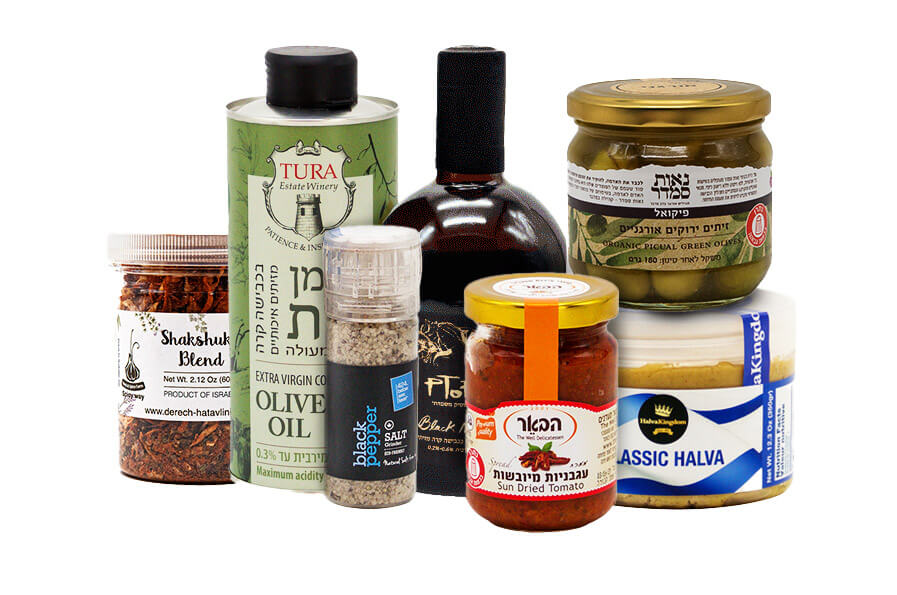
Delicious Food & Spices
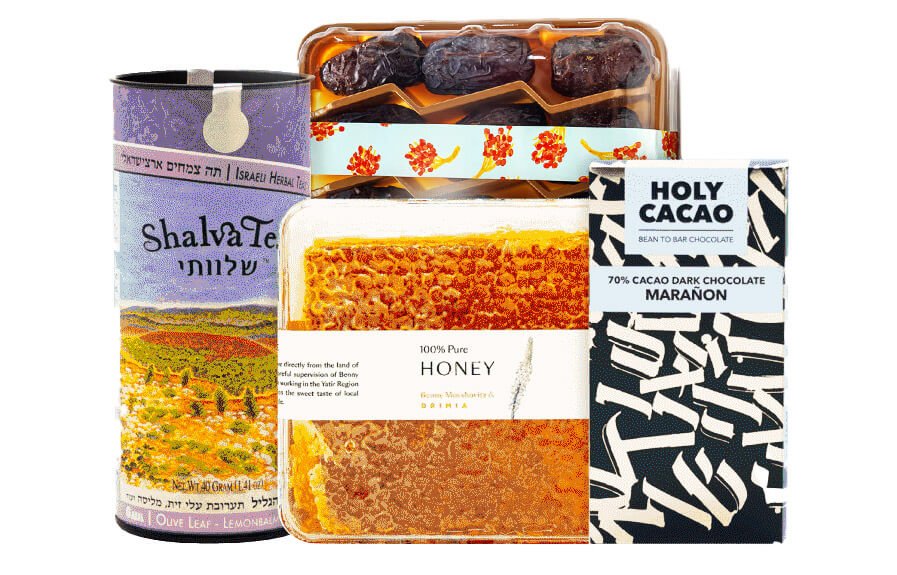
Organic Sweets, Perfect Tea & Coffee
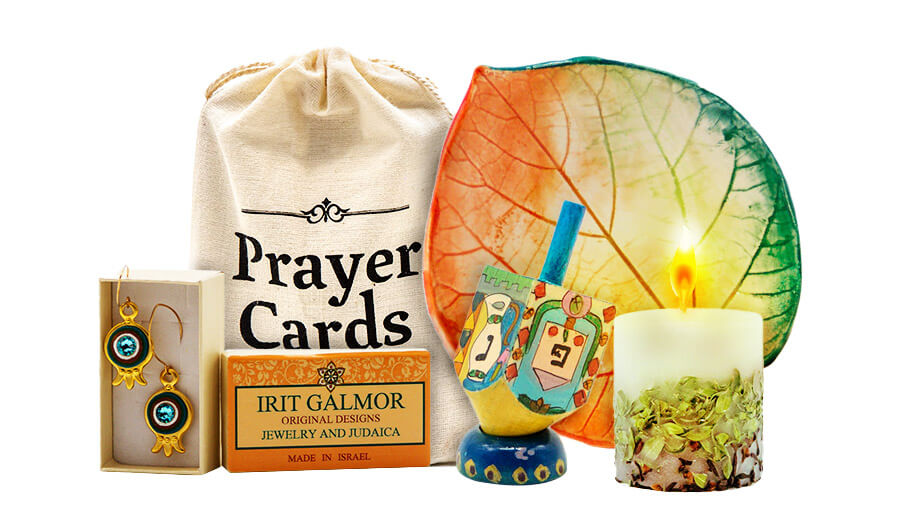
Original Jewelry & Judaica
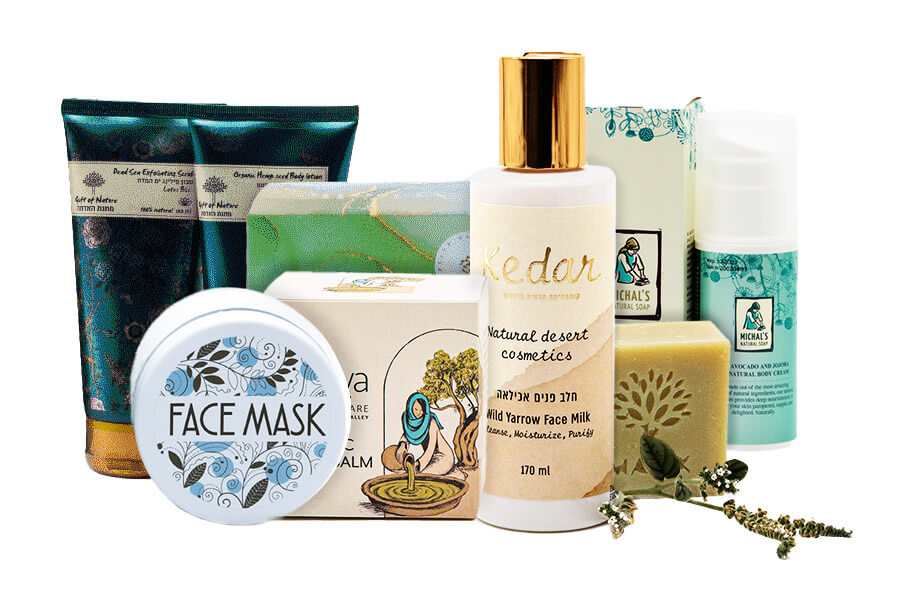
Exclusive Organic Cosmetics
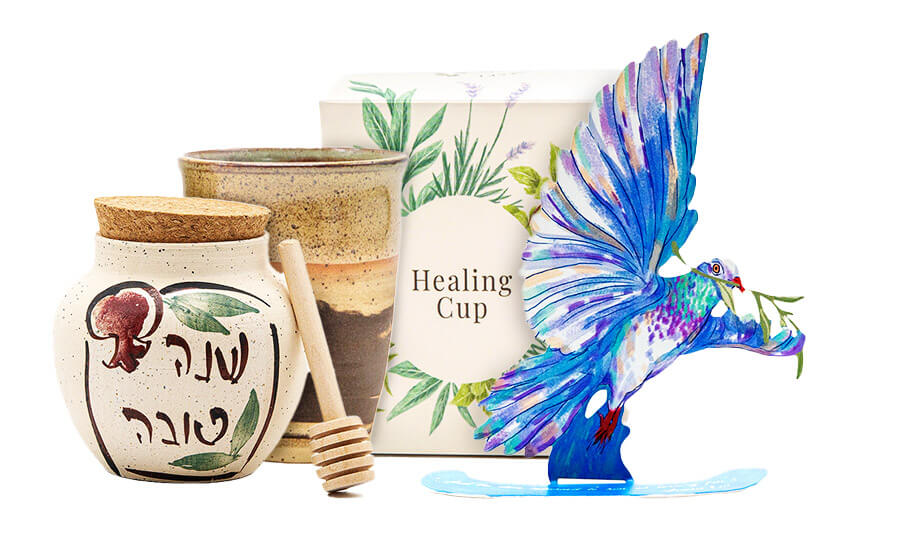
Authentic Ceramics & Housewares
Frequently Asked Questions
About Oxy Skincare
Summary
Oxy Skincare appears in business coverage for its Dead Sea-inspired products but is not listed on the BDS Movement’s official boycott list. Consider supporting Israeli artisans by subscribing to a Lev Haolam box to help sustain small producers through fair purchases.