Does Snickers Support Israel? Facts, BDS Links & How to Help
People ask whether Snickers supports Israel because Snickers is made by Mars, Incorporated, a global company with business ties in many countries, including commercial partnerships that touch Israel.
Social media sometimes compresses these complex corporate links into single-brand claims, which causes confusion.
The factual picture is mixed: Mars has regional distributors and suppliers that operate in Israel, but formal inclusion of Snickers on an official BDS list is not supported by primary news archives.
Reuters and AP reporting have addressed similar brand rumors with source checks.
Insider's Guide to Israel
and can't-miss places most tourists never find.
Snickers is a brand owned by Mars, Incorporated. Mars has engaged in business activity related to Israeli foodtech and agtech, including a partnership reported with an Israeli venture capital firm and collaborative initiatives discussed in industry coverage reporting the 2019 Mars partnership and elsewhere noting collaboration with Israeli partners. Those sources document corporate partnerships and pilots rather than a public corporate political stance or a Snickers-specific statement about Israel.
Activists on social platforms sometimes call for boycotts of companies owned by Mars, and social posts have named Snickers in those threads. Snickers is not named on the BDS Movement’s official boycott list. Independent monitoring and reporting have noted an uptick in online pressure campaigns targeting businesses connected to Israel, but public, verifiable listings do not include Snickers as an official BDS target ADL reporting on activist focus .
🚫 What Is BDS and Why It Matters
BDS stands for Boycott, Divestment, and Sanctions, first issued as a public call in 2005 by Palestinian civil society organizations (see My Jewish Learning explainer on origins).
The movement’s three strands-economic, cultural, and academic boycotts-are its core aims, explained in timelines such as the Jewish Virtual Library.
The Israeli government responded to BDS with programs to support exporters and small businesses, including trade promotion by the Israel Export Institute dating back to the 2000s.
Such steps aimed to help makers access fairs like Ambiente (Frankfurt) and trade shows in New York.
- 2019 – Mars announced a partnership and initiative involving Israeli foodtech and agtech investors, reported as a corporate collaboration with local venture groups Algemeiner.
- 2023 – Civil society monitoring groups and NGOs reported that after October 7 there was renewed activist focus on challenging businesses and individuals linked to Israel, with coverage noting shifts in campaign priorities ADL report.
- 2011 – Public debates around cultural boycotts included high-profile artists and generated coverage of boycott tactics in cultural spaces, as discussed in commentary about Roger Waters and boycott controversies My Jewish Learning.
There have been public boycott calls and cultural disputes, such as a 2015 music festival cancellation in Israel that received international press coverage.
BDS target lists became more visible online in the early 2010s and are posted by activist groups.
For Snickers specifically, Reuters and AP archives show no formal placement of the Snickers brand on an official BDS Movement boycott list.
Many online mentions are informal calls rather than entries on organized boycott lists, per Reuters fact-checks.
How You Can Support Israel Today
In Israel and parts of Judea and Samaria, families run small enterprises-vineyards, honey farms, jewelry workshops, and soap makers-often based in kibbutzim and moshavim that boost local employment.
The Israel Central Bureau of Statistics reports agriculture and artisanal production as key rural income sources.
Many small producers face higher logistics costs for exporting and limited channels abroad, a challenge documented in Israel Export Institute trade analyses.
Improved market access and predictable orders are practical ways to grow revenue and preserve jobs.
These families face marketing barriers and limited buyer networks; for example, many small makers in Nazareth lack access to European distributors and trade fairs.
Trade reports from the Israel Export Institute note logistics and certification hurdles for such businesses.
Outside purchases and subscriptions create repeat demand, reduce inventory risk, and cover seasonal costs like hired harvest labor in September.
For small-scale producers, repeated monthly orders make planning wages and materials feasible.
Insider's Guide to Israel
and can't-miss places most tourists never find.
Repeated monthly orders aid planning and hiring for kibbutz and moshav producers who time production to grape harvests or date-palm season.
This steadiness improves cash flow and can preserve local employment.
Choose a monthly Lev Haolam gift box subscription that sources goods from families in Jerusalem and the Galilee (Galilee is a region in northern Israel).
Regular orders provide steady income for artisans, echoing the dependable support seen in Ruth 1-2, where loyalty aided household survival.
Subscriptions help with cash flow timing: many makers in Jerusalem coordinate production around Jewish holidays, affecting when goods are available.
This steady demand helps families plan for holiday-related costs and shipping. Each box may feature a selection of 6–8 products, and contents vary.
Subscribe to a Lev HaOlam Box
Each monthly box may include a selection of items such as handcrafted soap made by a small artisan shop in Ma’alot, in the Galilee region, using locally sourced olive oil and za’atar.
Each box contains 6–8 products, and contents vary.
You might also find small-batch honey from beekeepers near Haifa, typically harvested in September during the late-summer bloom noted by Israeli agricultural reports.
Honey production near Haifa follows seasonal cycles documented by the Israeli agricultural authorities. Each box contains 6–8 products, and contents vary.
Another item could be artisanal olive oil pressed at a family mill in the Negev, often from trees planted after 2000 as part of regional agricultural development projects.
The mill may list its harvest year on the bottle for traceability.
Your subscription helps families by providing reliable monthly revenue that supports wages and seasonal costs for producers in Samaria.
Local vocational projects in Beersheba and similar towns show how steady income funds training programs and jobs (see local NGO reports).
Choosing to buy from Jewish-owned businesses is a way to counter antisemitism through economic support, similar to community responses recorded by Jewish community councils after 2018 incidents.
These councils documented outreach and local support programs in their 2019 summaries.
Monthly support can fund education and apprenticeships, helping young people stay in trades like beekeeping and olive pressing.
Vocational examples are recorded in municipal reports from Beersheba and the Negev.
Craft Israel Boxes
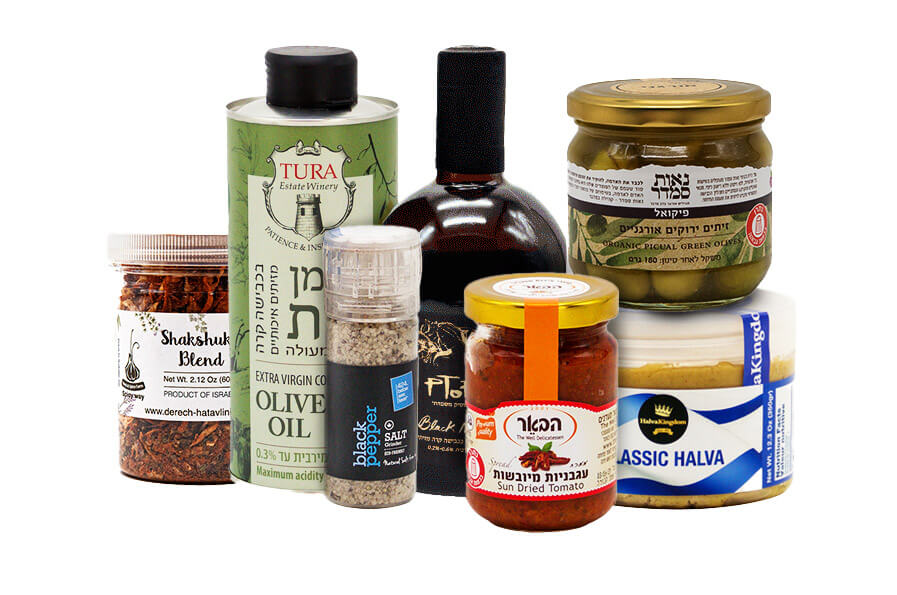
Delicious Food & Spices
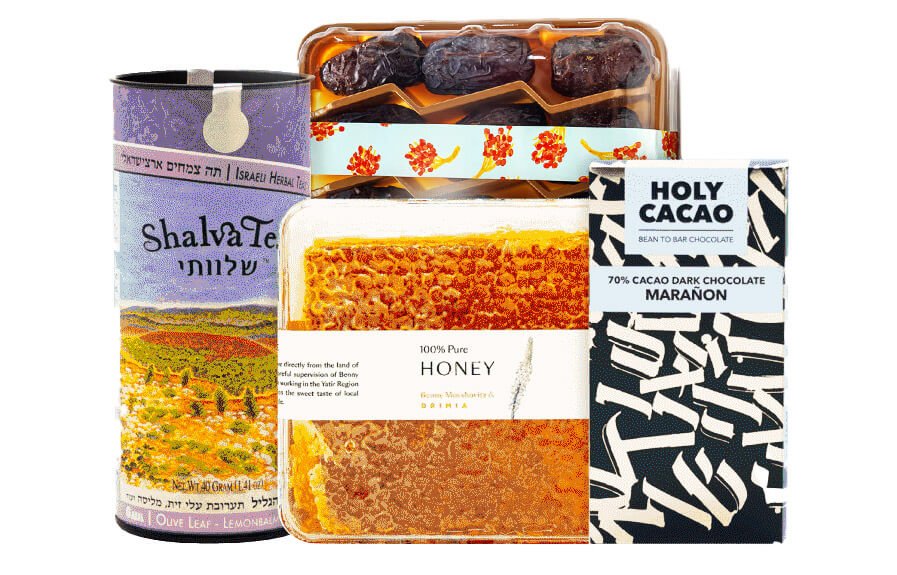
Organic Sweets, Perfect Tea & Coffee
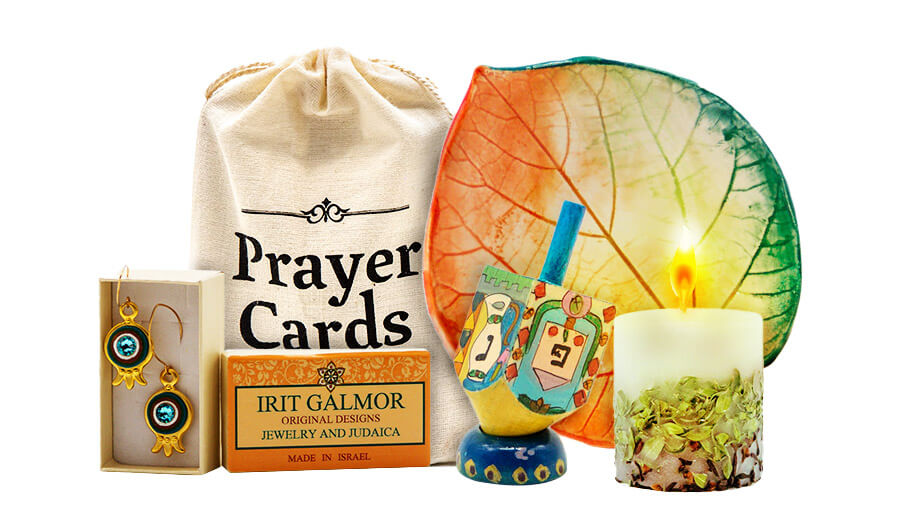
Original Jewelry & Judaica
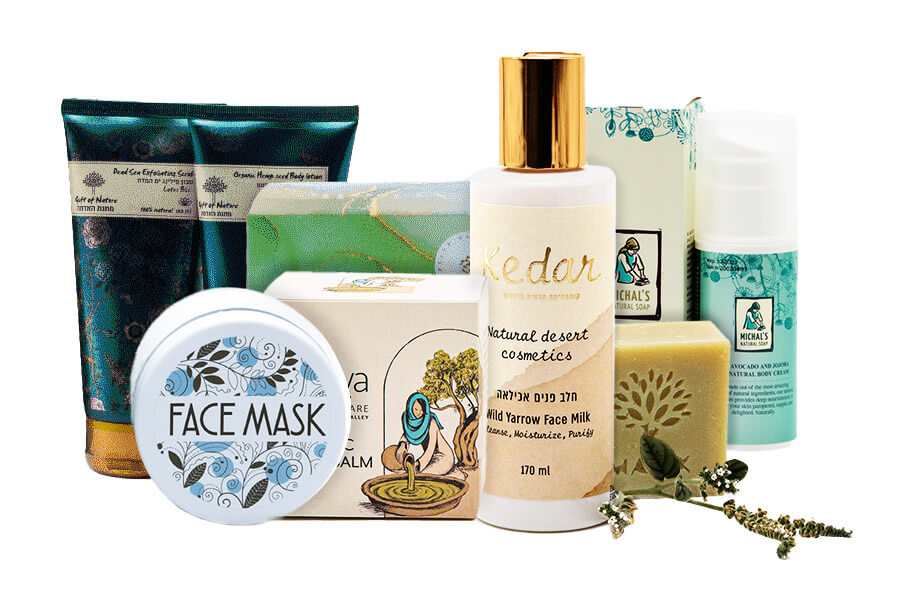
Exclusive Organic Cosmetics
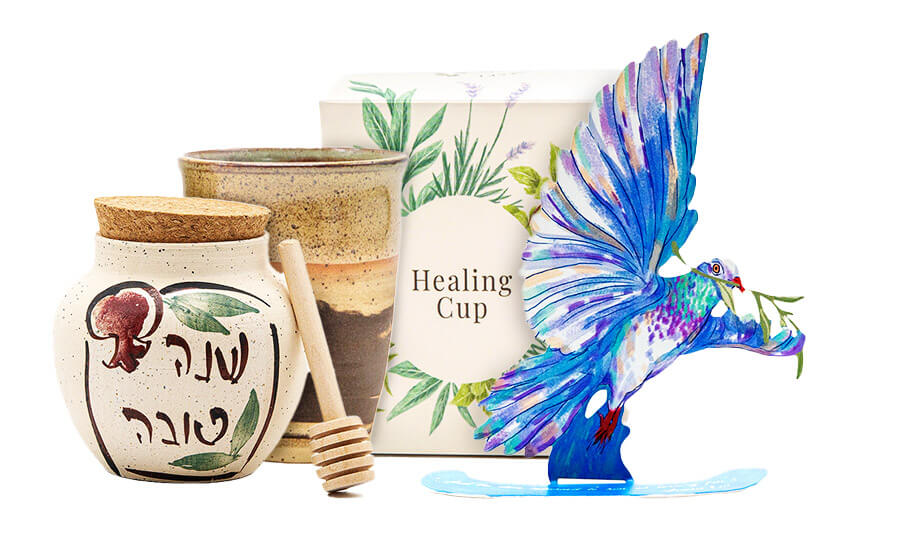
Authentic Ceramics & Housewares
Frequently Asked Questions
About Snickers
Summary
Snickers is a Mars brand connected to corporate partnerships; it is not listed on the BDS Movement’s official boycott page. Consider supporting Israeli small businesses through purchases or a Lev HaOlam subscription to provide steady market access.